




Security - Defense
As a result of global strategic competition, security and defense issues are marked by the return of major wars and nuclear deterrence, the transformation of terrorism and the race for military technologies.
Related Subjects
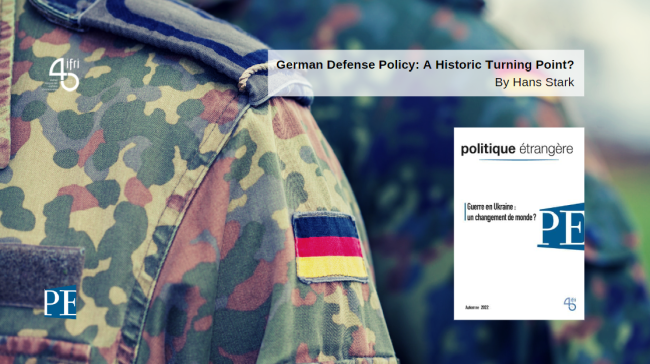
German Defense Policy: A Historic Turning Point?
The war in Ukraine has been a rude awakening for Berlin.
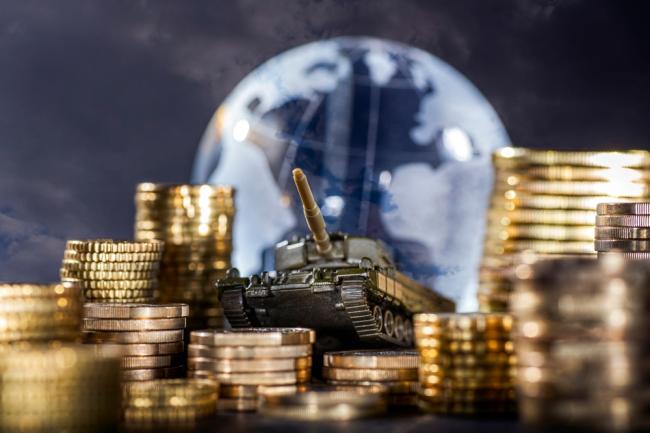
“Don’t Bank on the Bombs” New European Standards Affecting the Defense Industry
While Russia’s invasion of Ukraine on February 24, 2022, has underlined the need to upgrade the European armed forces, the urgency of the fight against climate change—as illustrated by reports from the Intergovernmental Panel on Climate Change (IPCC)—requires the political mobilization of the European Union (EU) to carry out the transition to climate neutrality.
Interview with David Miliband, President and CEO of the International Rescue Committee
Can you describe the humanitarian impact of the war in Ukraine, in Europe, including with regards to displacement, and beyond the outside of Europe?

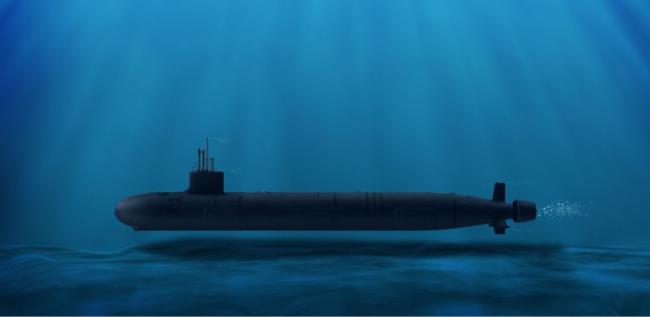
France and AUKUS: A Necessary Reconciliation
One year on, the announcement of the Australia-U.K.-U.S alliance has not been accompanied by any major changes to France’s Indo-Pacific defense strategy.
RAMSES 2023. Europe at War
For its 41st edition, RAMSES 2023. Europe at War, written by Ifri's research team and external experts, offers an in-depth and up-to-date analysis of geopolitics in today’s world.
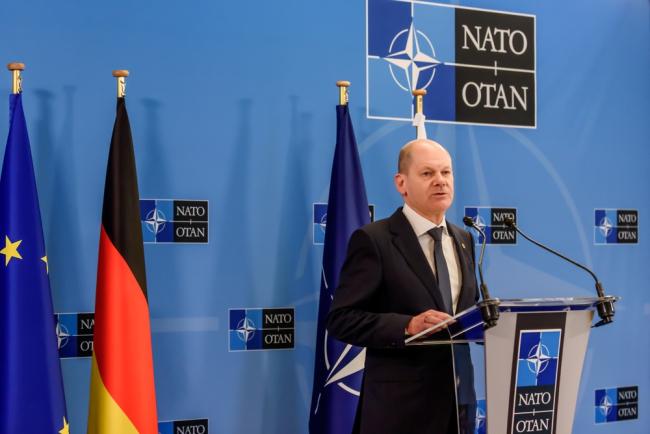
Germany, the “Zeitenwende” and the Future of NATO
Chinese Nuclear Force Modernization and Doctrinal Change
Dating back to the first test in 1964, the Chinese nuclear force modernization process is motivated by other nuclear powers’ modernization across the years, mostly from the United States and the Soviet Union, but also by domestic factors such as economic debates and tensions in the scientific community.
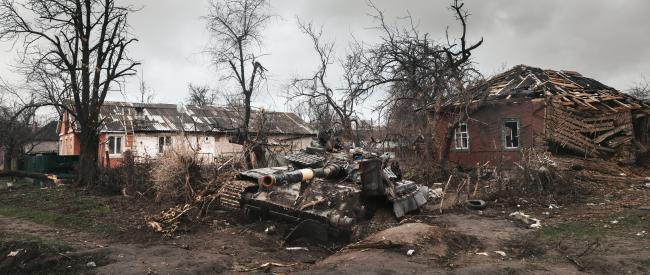
The Return of High-Intensity Conflict in Ukraine: Lessons for Land Forces
After twenty years of counter-terrorism, the Ukrainian battlefield marks the renewal of so-called “high-intensity” warfare. It constitutes a major strategic turning point, reversing the contemporary model of wars involving the West.


After support for Ukraine, Kishida aims for NATO unity on China
When Prime Minister Fumio Kishida becomes the first Japanese leader to attend a NATO leaders summit on Wednesday, he’ll be looking to stress the need for unity in preventing China from taking the “wrong lessons” from the Ukraine war as the bloc looks to expand its footprint in the Indo-Pacific.

Quelle stratégie pour l’aide civile en Ukraine ?
Ukrainian institutions have overall withstood the shock of the war: the central government and local authorities benefit from a real legitimacy and a solid ability to govern.

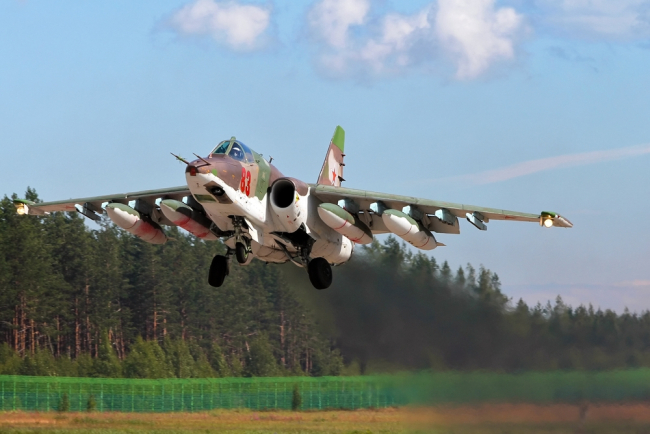
Russia's air force makes the difference in Donbas breakthrough
The frantic rate of attacks from the air seems to have contributed to the recent retreat of Ukrainian forces on the Donbas front.

Deus ex machina : les enjeux de l’autonomisation des systèmes d’armes
While the automatization of machines is part of an already long historical, conceptual, and technical trajectory, the exponential progress of artificial intelligence techniques, robotics and their military applications suggest the emergence of systems that integrate more autonomy. Indeed, despite campaigns calling for a moratorium on autonomous weapons, most military powers are developing programs focused on autonomy.
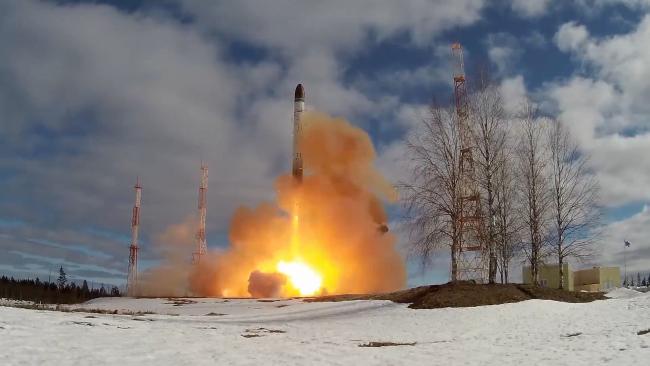
First Nuclear Lessons from the War in Ukraine
The invasion of Ukraine by Russian forces on February 24th displays undeniable nuclear attributes. The purpose of this text is to analyze the initial lessons of this conflict, with regard to the balance of forces between nuclear powers.
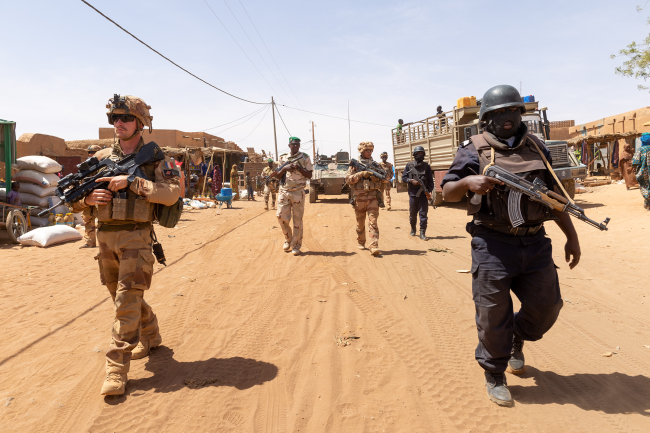
After Barkhane: Rethinking France’s Strategic Posture in West Africa
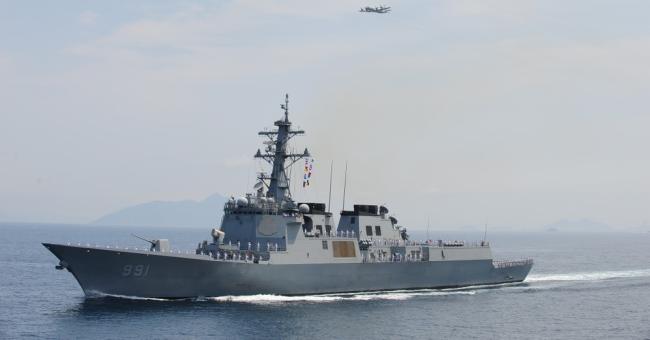
La paix par la force. La modernisation de la défense sud-coréenne sous la présidence Moon Jae-in
South Korea's defense modernization plan, Defense Reform 2.0, represents a significant effort in terms of military capabilities since 2018. The outgoing president, Moon Jae-in, has placed particular emphasis on high-tech acquisition as well as transforming the Korean defense industrial and technological base into a major domestic and international supplier.

An Engine Replacement Could Kill Europe’s Huge F-35 Plans
If the decision to replace the engine for the F-35A is implemented, countries flying F-35s will find themselves forced into unforeseen and overly complicated supply chains.
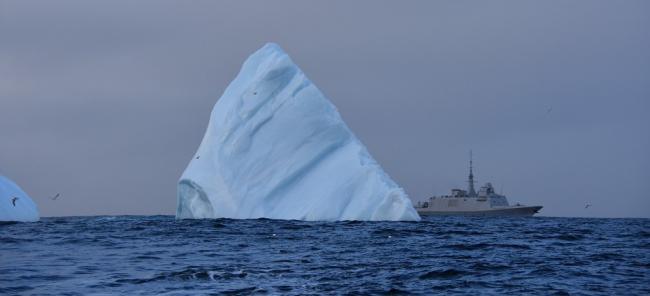
Arctic: Toward the End of the Exception? Strategic, Nuclear and Maritime Issues in the Region
Through multiple international initiatives, including the creation of the Arctic Council at the end of the Cold War in 1996, the Arctic appears to be one of the last areas of peaceful cooperation in the world. This “Arctic exception” is also devoid of any serious territorial dispute between the neighboring countries, some of which are nevertheless great powers: Russia, the United States, Canada, but also Sweden, Norway, Denmark (via Greenland), Iceland and Finland.
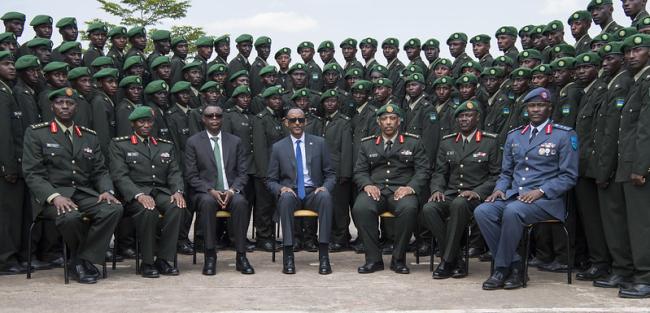
Rwanda’s Military Diplomacy. Kigali’s Political Use of the Military Means to Increase Prestige and Influence in Africa and Beyond
Although it is one of the smallest states on the African continent, Rwanda has adopted a proactive foreign policy. Kigali has deployed troops within the framework of multilateral peacekeeping missions to increase its prestige and influence. Since last year, changes have arisen: Rwanda has extended its activities outside of multilateral operations, intervening unilaterally in the Central African Republic (CAR) and then in Mozambique. Rwanda desires to foster its reputation as a regional and continental “security provider”.

Towards a War of Norms ? From Lawfare to Legal Operations
Defined as the use of law to establish, perpetuate, or change power relations in order to counter an adversary, lawfare practices reflect a reality that is inherent in international law.

French "State Action at Sea" as a Model for SE Asian Coast Guards
South-East Asian countries like Philippines and Indonesia have to cope with an increasing number of maritime issues in order to exert their sovereign rights over their territorial waters, archipelagic waters and exclusive economic zones (EEZ). In the midst of a tense geostrategic environment, the security of maritime areas and, more broadly, security in the high seas, are subject to major threats and illegal activities as recently summarized in the last Information Fusion Centre (IFC) annual report: piracy and sea robbery, maritime terrorism, cyber-attacks and AIS spoofing, trafficking of all kinds, illegal fishing activities and maritime pollution.

Le cloud défense : défi opérationnel, impératif stratégique et enjeu de souveraineté
Cloud computing – or data management – is considered as one of the pillars of the digital transformation of the French Ministry of the Armed Forces.
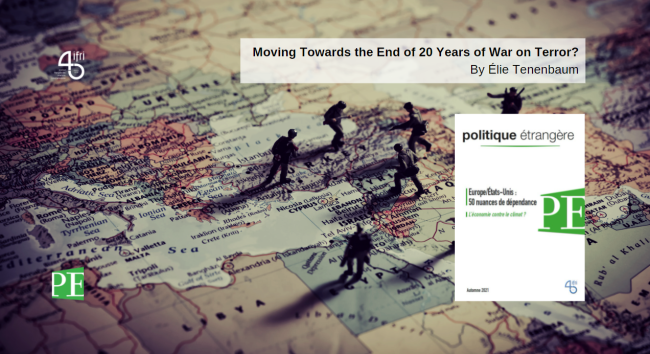
Moving Towards the End of 20 Years of War on Terror?
Twenty years after 9/11, the assessment of the “War on Terror” is mixed: heavy financial and human costs, weakening of Al-Qaeda central and the Islamic State in the Levant, but creation of affiliates in different locations, fatigue of endless wars, etc.
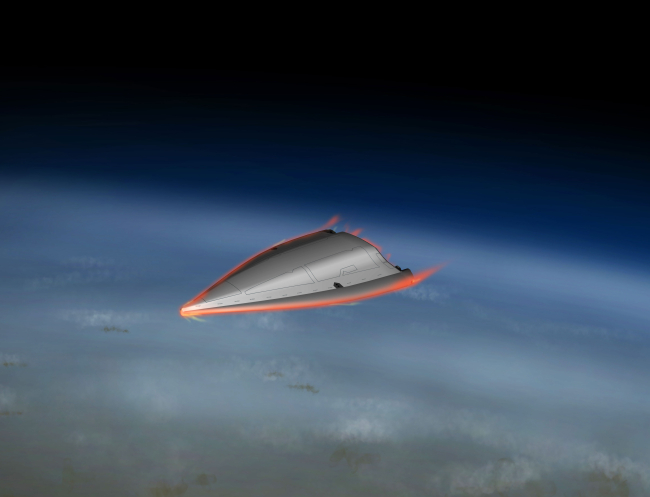
Hypersonic Weapons: What Are the Challenges for the Armed Forces?
Hypersonic systems are becoming attributes of power for the states that design and implement them, at the risk of reviving an arms race.

Cyber-influence : les nouveaux enjeux de la lutte informationnelle
The coming of age of a digital “info sphere” has dramatically changed the nature of military information support strategy.
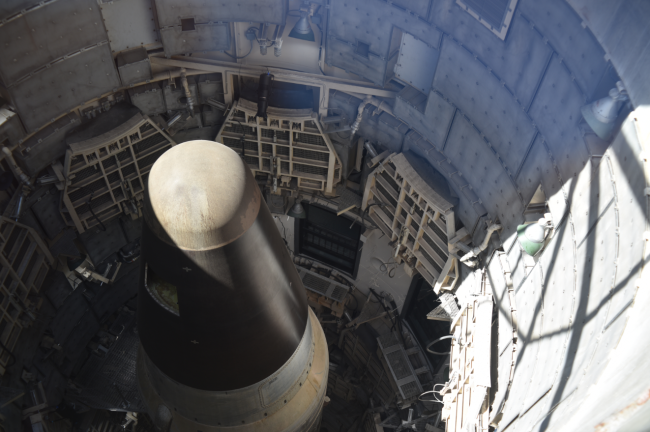
Strategic Risk Reduction between Nuclear-Weapons Possessors
The topic of nuclear risk reduction has gained momentum in the international security debate among policymakers, nongovernmental organizations, and experts.
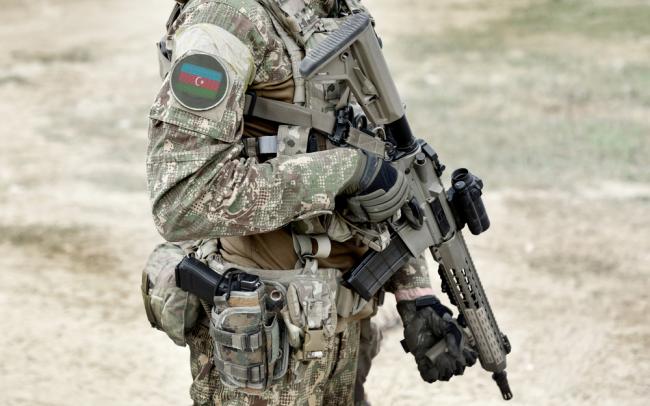
No Peacemakers for the New / Old Caucasian War: Understanding the Armenia-Azerbaijan Clash
A full-blown war erupted in the South Caucasus last Sunday, September 27, and as the two belligerents — Armenia and Azerbaijan — mobilize their forces under martial law, no international authority is trying in earnest to stop the hostilities. The conflict over the disputed Nagorno-Karabakh region ignited 30 years ago as the Soviet Union was collapsing and has never effectively “frozen.” The cease-fire Russia negotiated in May 1994 was not backed by a peacekeeping operation, and clashes have kept occurring, most notably in April 2016.
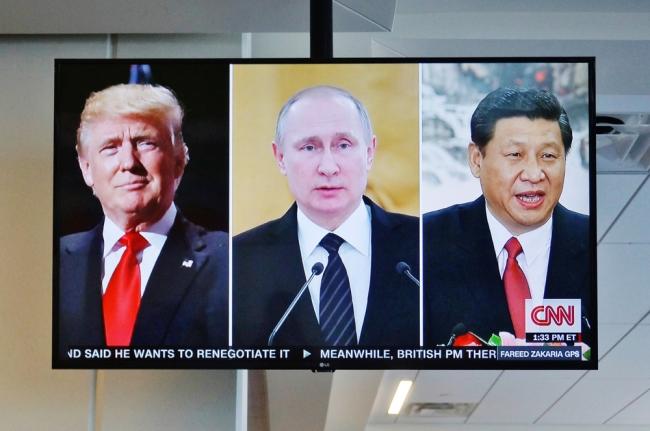
Global Order in the Shadow of the Coronavirus: China, Russia and the West
The coronavirus pandemic has thrown a harsh spotlight on the state of global governance. Faced with the greatest emergency since the Second World War, nations have regressed into narrow self-interest. The concept of a rules-based international order has been stripped of meaning, while liberalism faces its greatest crisis in decades.
The European Equation of Nuclear Deterrence, Variables and Possible Solutions
Ever since nuclear weapons were developed by the United States and the Union of Socialist Soviet Republics, Europe has lived under the nuclear shadow. A major direct confrontation between “the West” and “the East” could have very likely resulted in the detonation of nuclear weapons on the continent. As the Cold War ended, massive reductions in the US and Soviet arsenals (from 70,300 in 1986 to 13,890 in 2019) and a new security architecture radically transformed the European security environment.
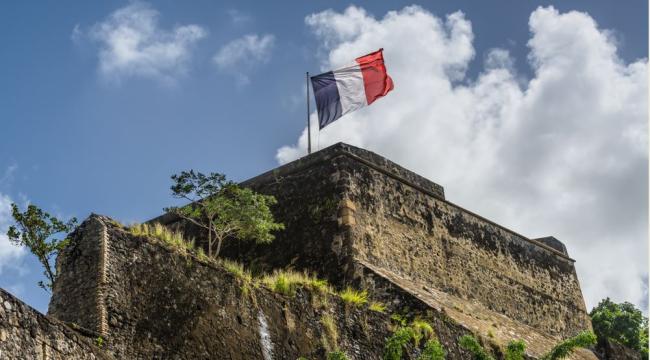
Confettis d’empire ou points d’appui ? L’avenir de la stratégie française de présence et de souveraineté
France is one of the few nations in the world to benefit from a permanent global military presence. With more than 10,000 military personnel from all three services, deployed across the five continents and the three main oceanic basins, it benefits from the second largest network of prepositioned forces in the world.
New Global Challenges and European Security
In this special issue of Politique étrangère devoted to the proceedings of the conference organized by Ifri on April 10, 2019, in the Grand Amphitheater of the Sorbonne, on the occasion of its fortieth anniversary, discover the debate moderated by Nicole Gnesotto between Julian King, Jean-Marie Guéhenno, Wolfgang Ischinger, Nathalie Tocci, Hubert Védrine.
Ifri, a foundation recognized as being of public utility, relies largely on private donors – companies and individuals – to guarantee its sustainability and intellectual independence. Through their funding, donors help maintain the Institute's position among the world's leading think tanks. By benefiting from an internationally recognized network and expertise, donors refine their understanding of geopolitical risk and its consequences on global politics and the economy. In 2026, Ifri partners with over 90 French and international companies and organizations.

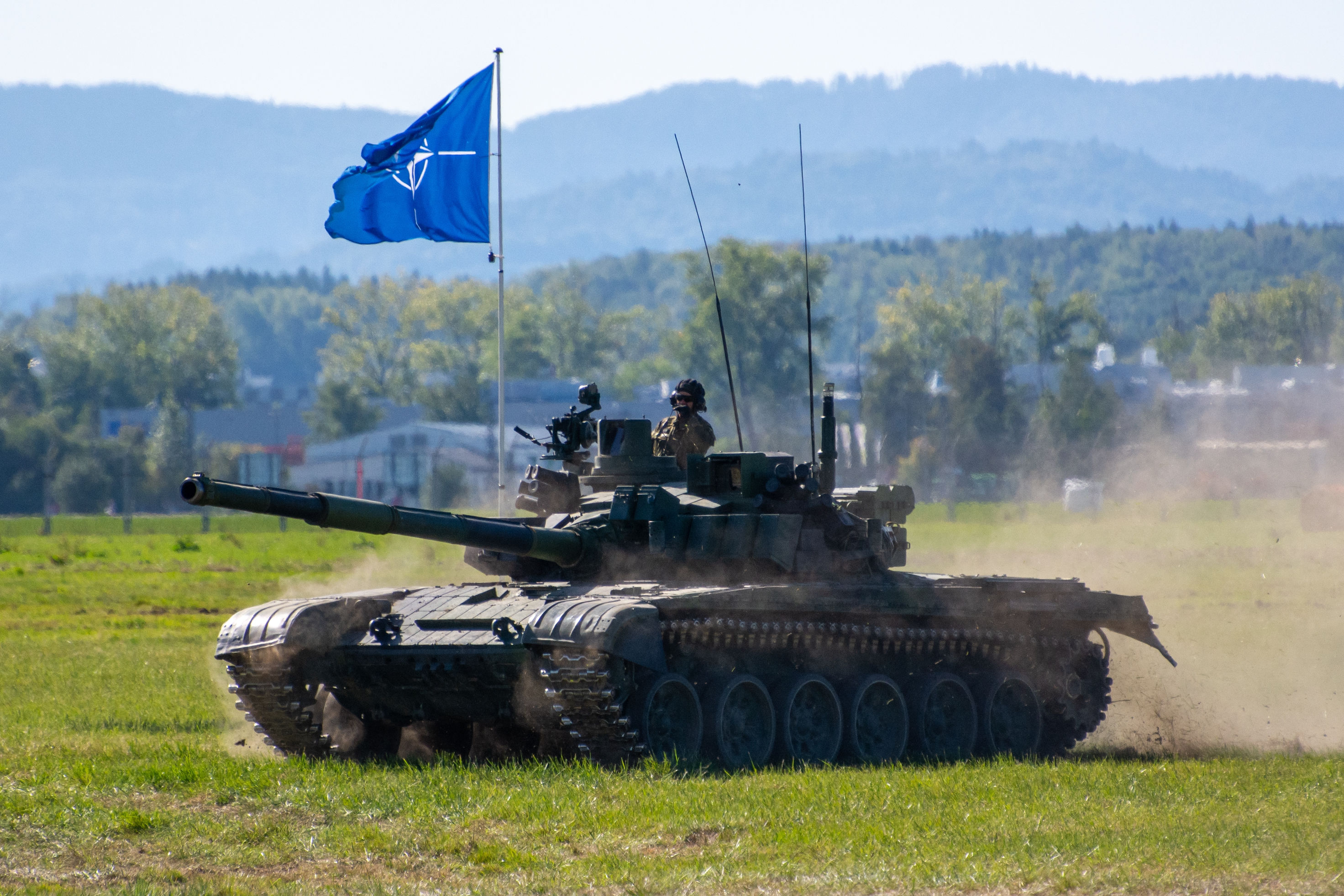
The European & Transatlantic Security Program aims to contribute to the strategic debate by developing analyses around three main axes: European defense and the security architecture of the European continent, institutional and strategic links between the Treaty Organization of North Atlantic (NATO) and the European Union (EU), as well as the evolution of the transatlantic relationship.
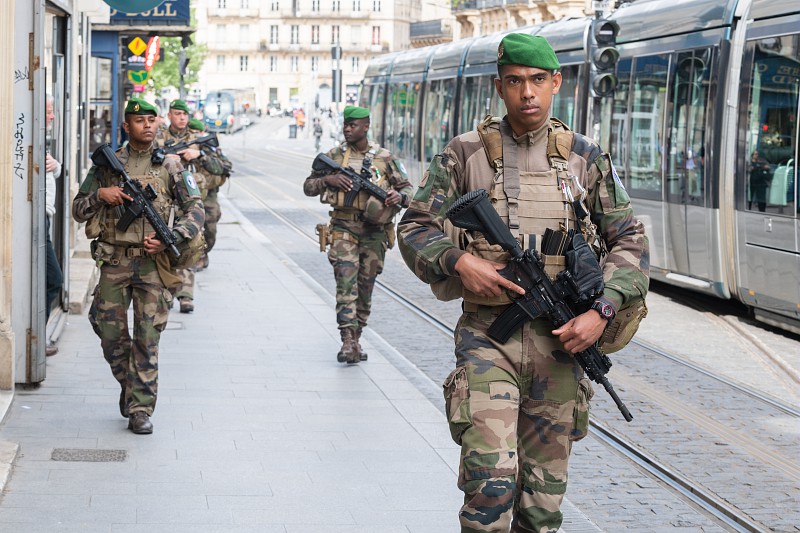
The distinction between internal and external threats is often exaggerated, as the borders are so porous. Conflicts taking place thousands of kilometers from France can have tragic resonances on national territory. Radicalization, terrorism and even organized crime have an international dimension that cannot be ignored.
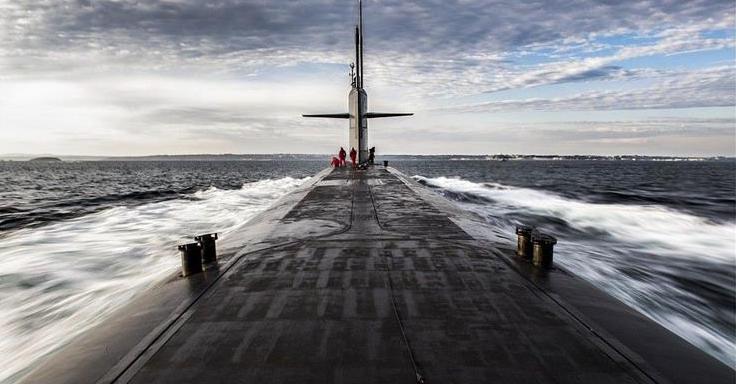
The conflicts in Europe, Asia and the Middle East demonstrate a return of nuclear power to the balance of power. Arsenals are being modernized and expanded, while arms control is collapsing. This research program aims to analyze these phenomena.
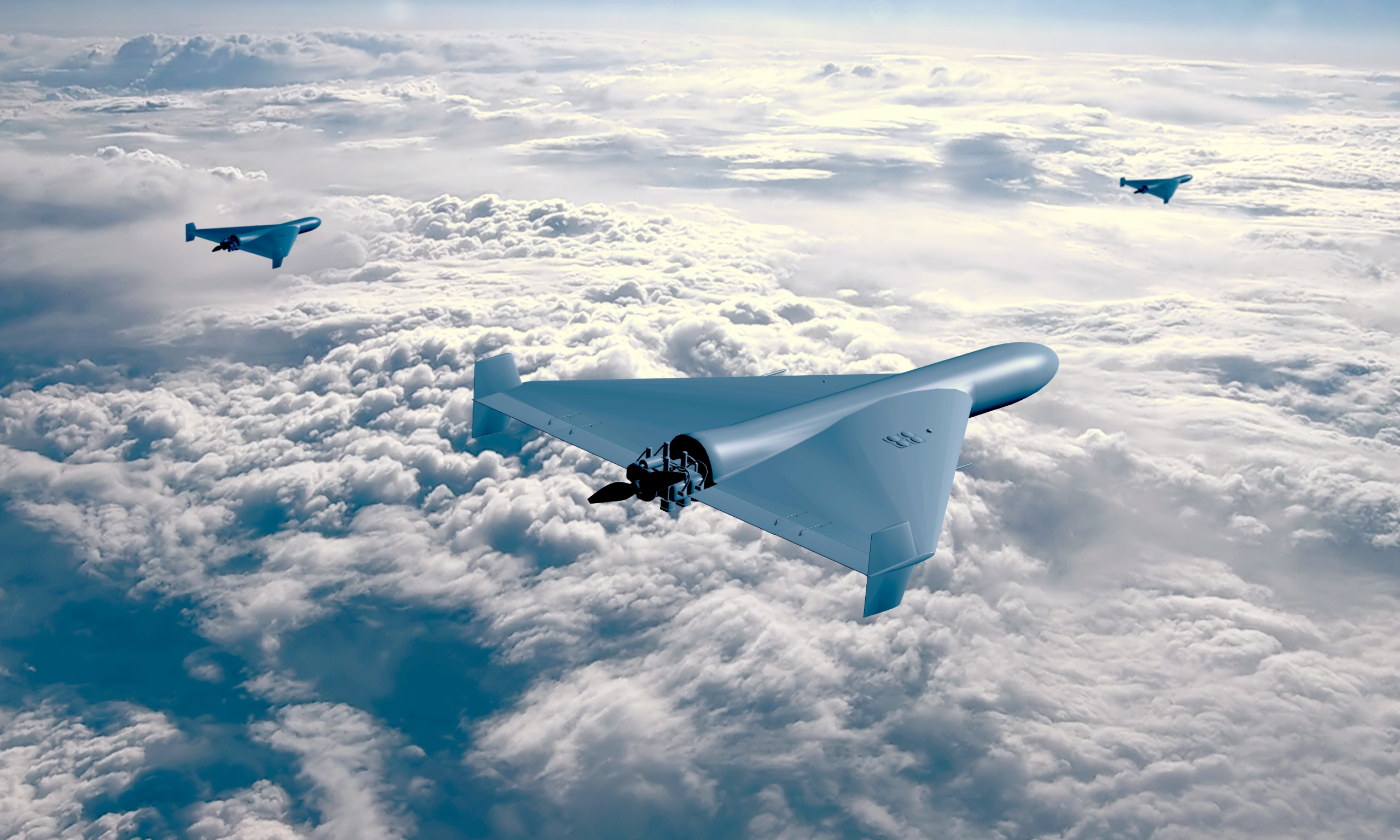
The Observatory of Future Conflicts is a research program carried out by the French Institute of International Relations and the Foundation for Strategic Research on behalf of the three army headquarters aimed at studying developments in tensions and armaments at the horizon 2040 in a transversal perspective, taking into account the issues of each army.
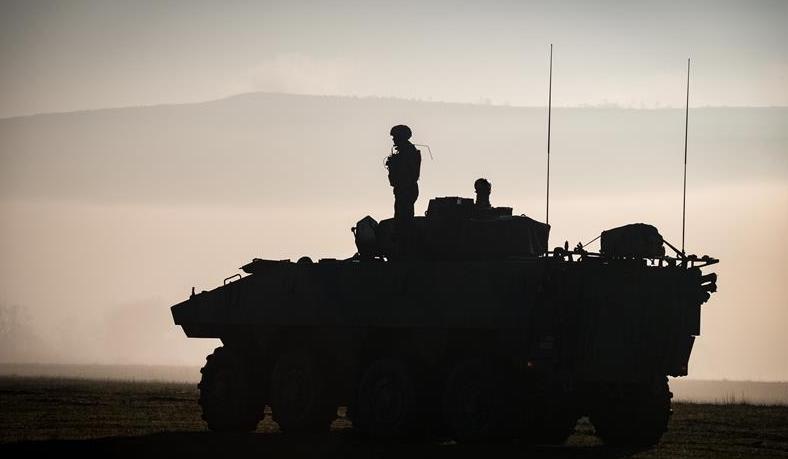
Heir to a tradition dating back to the founding of Ifri, the Security Studies Center provides public and private decision-makers as well as the general public with the keys to understanding power relations and contemporary modes of conflict as well as those to come. Through its positioning at the juncture of politics and operations, the credibility of its civil-military team and the wide distribution of its publications in French and English, the Center for Security Studies constitutes in the French landscape of think tanks a unique center of research and influence on the national and international defense debate.
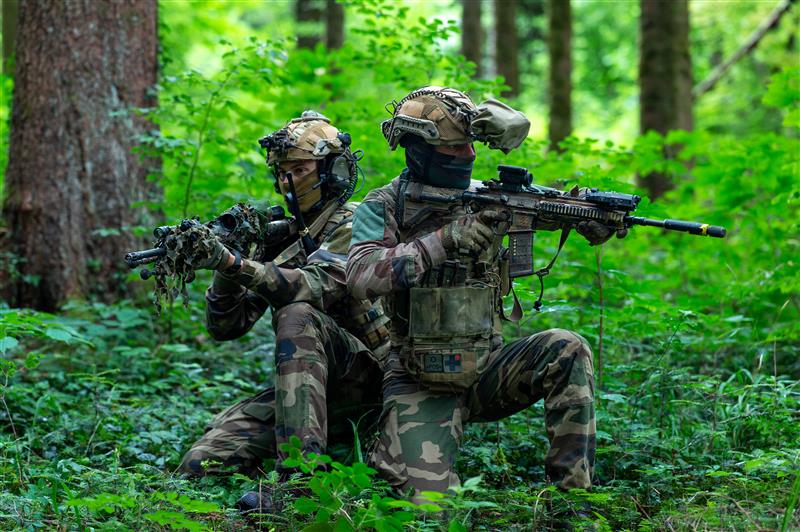
The Defense Research Unit is a program that aims at stimulating the strategic debate by dealing with subjects at the junction of the “technico-operational” and the “political-strategic”. A unique structure in France, it brings together civilian researchers and “military fellows” from each of the three armies to produce work on defense policies, the capability and strategic adaptation of armies, and foresight on tomorrow's conflicts.