





Towards a strategic agenda for the E3. Opportunities and risks for France, Germany and the UK
This paper explores how the E3 format – involving France, Germany and the UK – might develop in response to the challenges presented by the UK’s departure from the EU. The paper outlines how the trilateral format has supported policymaking to date, most notably in dialogue on Iran’s nuclear programme.


French Complain of Germany's 'Political Infidelity'
"Thirty years of infidelity" is how France's current affairs magazine Marianne describes Germany's relationship with France. An issue this month was devoted to how Germany has been "fleecing France" for years.

Germany calls for closer cooperation with France over security threats
German Defence Minister Annegret Kramp-Karrenbauer has called for closer bilateral cooperation with France in light of the tense security situation in Europe marked by the Russian “threat”, the rise of China and spreading “Islamist terrorism” in the Sahel region.

China's Soft Power in Europe: Falling on Hard Times
Analysis from 17 countries and EU institutions reveals that Chinese soft power in Europe – defined as the ability to influence preferences through attraction or persuasion – has seen better days.
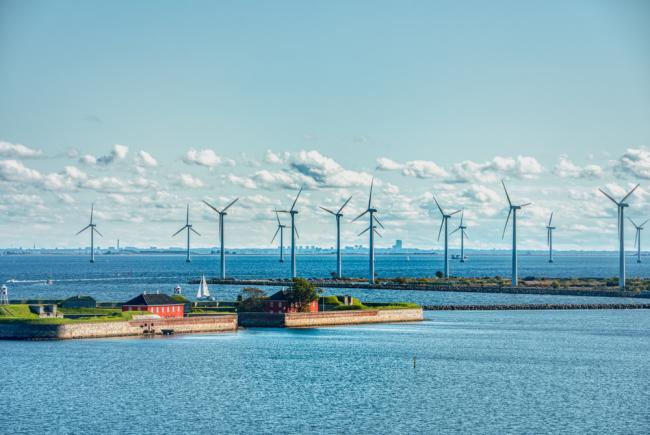
Denmark: A Case Study for a Climate-Neutral Europe
In recent years, Denmark has steadily emerged as a leader and role model in the global green energy transition. Its greenhouse gas (GHG) emissions since 2010 have been reduced at greater pace than those of the European Union (EU) average.
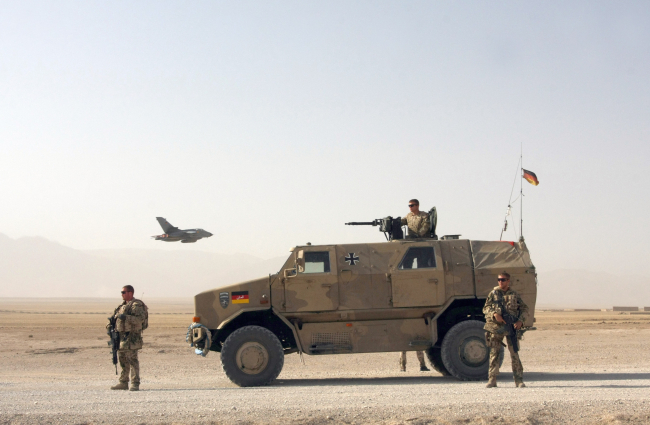
Circumstantial Pacifism: Political Parties and the Participation of the Bundeswehr in Foreign Operations
In Germany's parliamentary democracy, political parties play an important role in mandating Bundeswehr missions abroad and in overseeing their deployment. The political debate on these deployments is polarized between opponents, who are called “pacifists”, and supporters, who are called “militarists”.
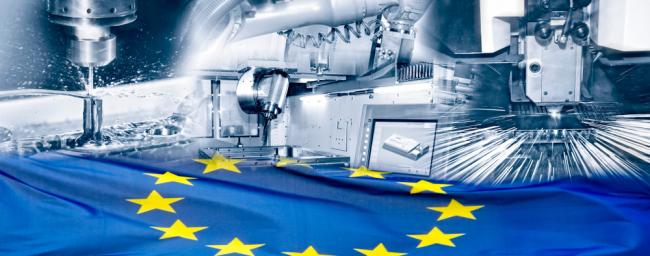
Green Batteries: a Competitive Advantage for Europe’s Electric Vehicle Value Chain?
Aligning its climate and industrial policies, the European Union (UE) is introducing sustainability requirements for the whole life-cycle of electric vehicle (EV) batteries. This initiative would not only ensure that EVs fit with Europe’s climate-neutrality and resource-efficiency pledges, but also give European new entrants a better chance to compete.
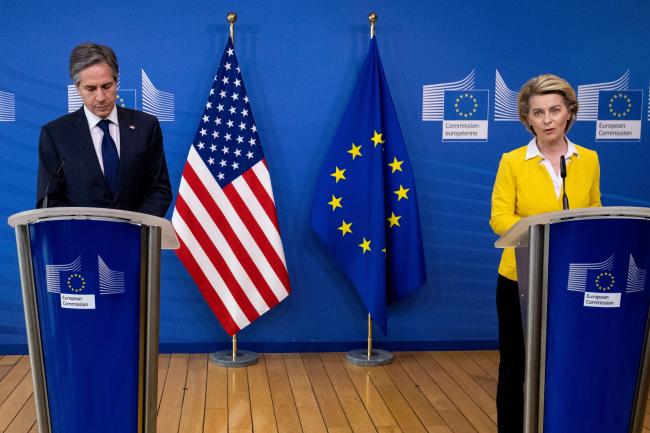
Europe in the Geopolitics of Technology: Connecting the Internal and External Dimensions
To respond to growing global competition, the EU has made notable progress on the internal dimension of technology policy over the past 3 years. It is now also seeking to adapt its foreign policy – from the transatlantic relationship to global partnerships – to technological challenges.
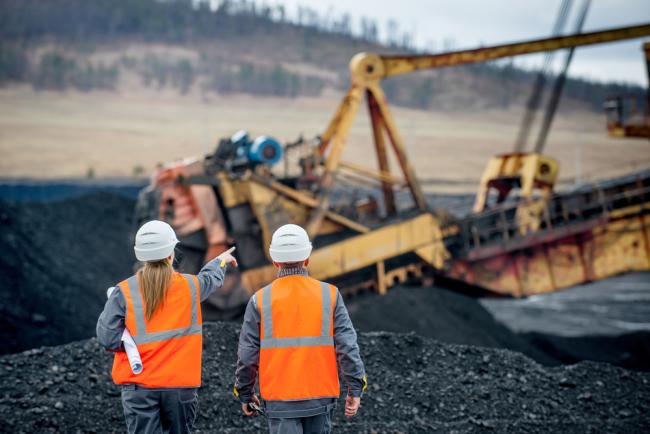
Consequences of the coal phase-out on the electricity production in Germany: a best practice model for Europe?
2020 marked the beginning of the total phasing out of electricity production based on coal, as well as coal extraction in Germany. Laws implemented in 2020 concluded a governmental process started in 2015, which itself resulted from a prior broader debate on the role of coal in a viable and sustainable energy and economic system.
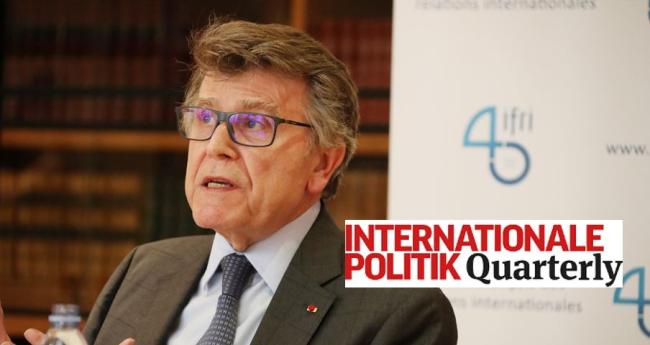
Toward a New German Foreign Policy. Stepping Into the 21st Century
To adapt its foreign policy to new challenges, Germany must overcome certain taboos inherited from its history.

Digitalization in the (post) COVID World: Views from Japan and Europe
The COVID-19 crisis has highlighted the importance of accelerating the digital transformation of both the industry and the society.
Rethinking Health Governance in the COVID era: Visions from Europe and Japan
The COVID-19 pandemics has highlighted the significance, as well as the deep crisis of the health governance system.
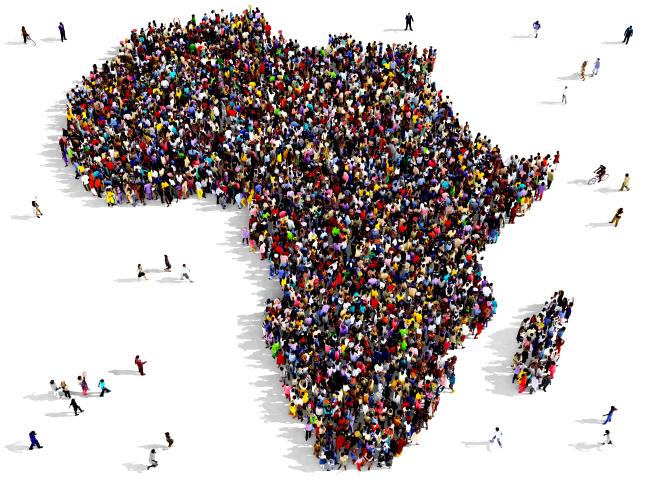
The African Union’s Migration Agenda: An Alternative to European Priorities in Africa?
While migration from Africa is the priority of European policies for the control of the European Union’s external borders, African migration dynamics are above all regional. Sub-Saharan migration is poorly connected to transcontinental flows: more than 70% remain in Africa.
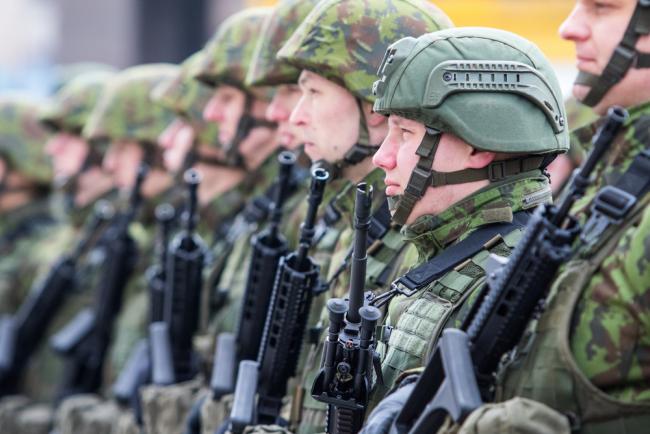
Collective Collapse or Resilience? European Defense Priorities in the Pandemic Era
To what extent has the COVID-19 pandemic affected defense priorities across Europe?

Russia’s spat with EU puts relations into deep-freeze
Kremlin stance is blow to European countries which favour outreach to Moscow. Russia’s combative treatment of the EU’s top diplomat during a landmark trip there has triggered a political outcry — but little expectation that the European bloc will end divisions over how to handle the Kremlin.
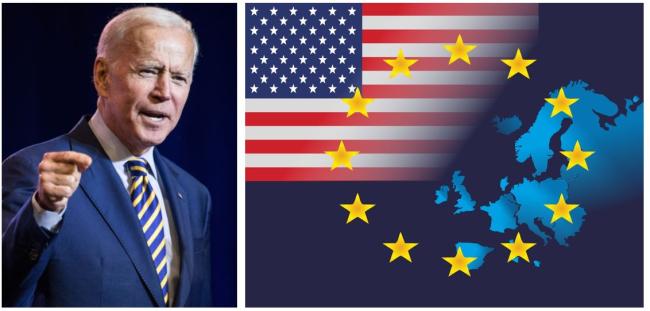
European Strategic Autonomy and the Biden Presidency
Some twenty international personalities from different horizons and backgrounds were asked to reflect on the impact of the Biden presidency for the future of European strategic autonomy.
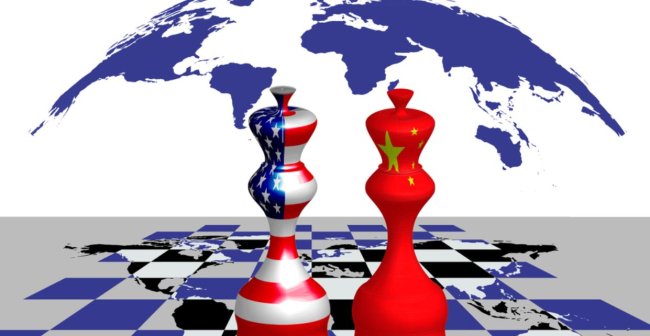
Towards the Second Crusade?
Europeans first grew aware of a possible pandemic exactly one year ago. The wave is here. It has submerged the world, claiming many lives and causing tremendous collateral damage.
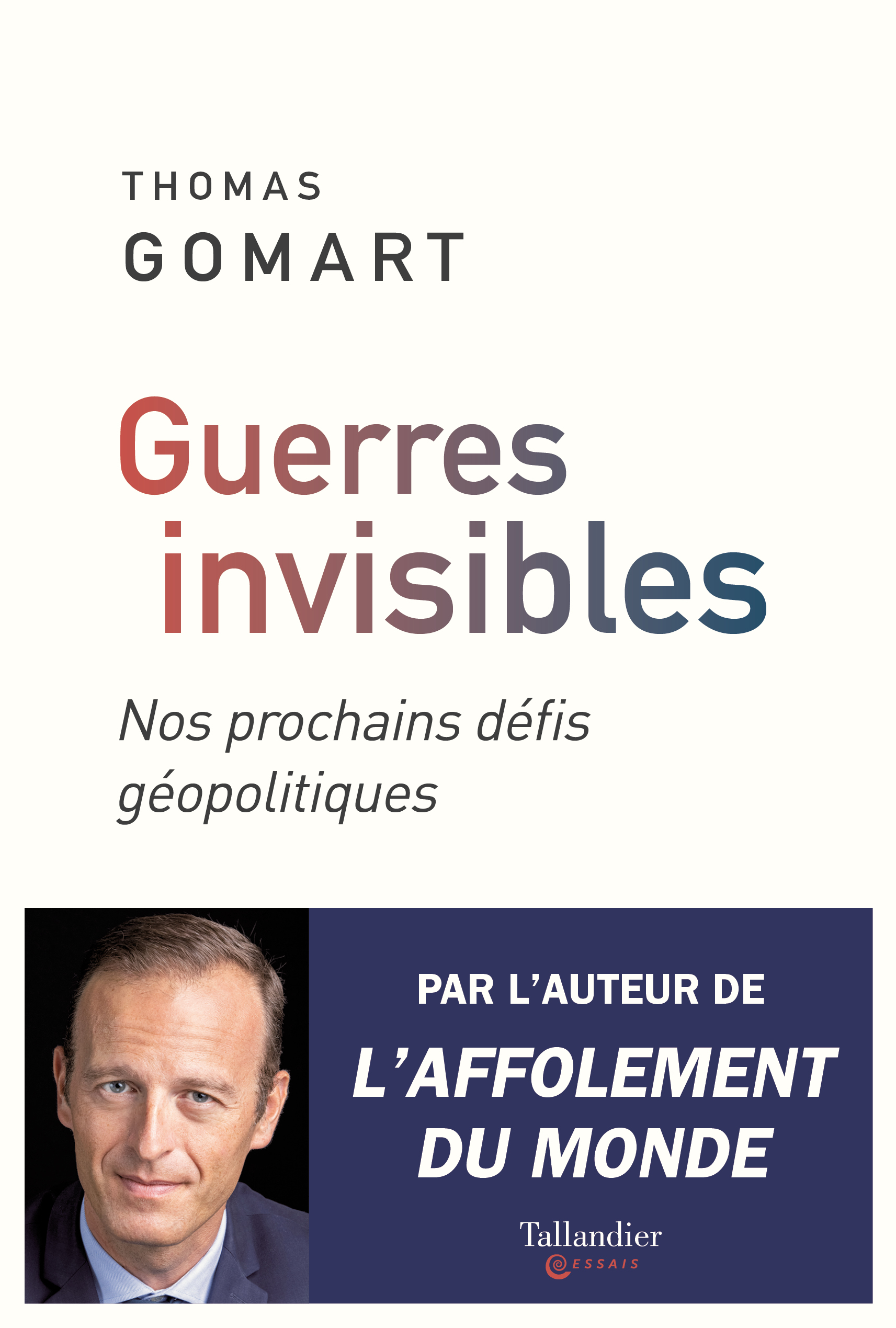
Guerres invisibles - Nos prochains défis géopolitiques
What are the next geopolitical challenges of the century? The global pandemic has altered the equilibrium between Asia and the West and sealed the rift between China and the United States, accentuating the world’s shift towards the East. On this polarized chessboard, two fault lines converge: environmental degradation and technological propagation where the main strategic and economic rivalries are now being played out.
New research initiative : European space governance
Eric André Martin, coordinator of the research initiative on European space governance associating Ifri, Deutsche Gesellschaft für Auswärtige Politik (DGAP) and Istituto Affari Internazionali (IAI), presents the European project. The video also looks at China's rise as an international space power. The report was written by researcher Marc Julienne.
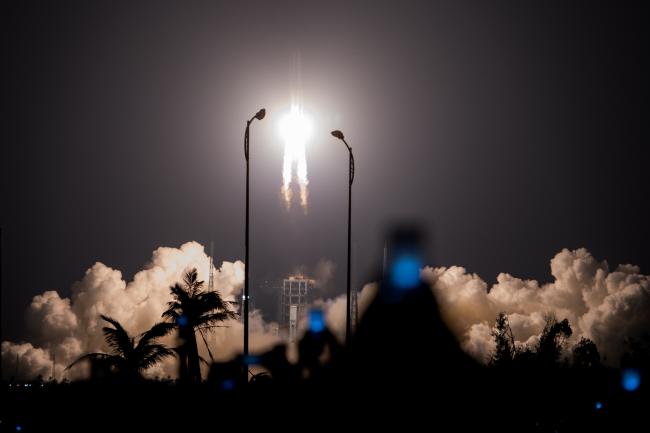
China's Ambitions in Space: The Sky's the Limit
From the dawn of China’s space program in the mid-1950s to the ability to build, launch and operate satellites in low Earth and geosynchronous orbits from the 1980s, the People’s Republic of China (PRC) is in 2021 a complete space power with autonomous access to outer space and to deep-space exploration.

The Global Compact for Migration. Towards Global Governance of International Migration?
The “Global Compact for Safe, Orderly and Regular Migration” was adopted in Marrakesh on 10 and 11 December 2018, after 18 months of consultation and negotiation. It is presented as the first United Nations’ agreement on a comprehensive approach to international migration in all its aspects.
Where Is the SPD Going? The German Social Democrats and the Way out of Crisis
Whether we think of France, Greece, the Netherlands, Poland, Austria or Germany, the social democratic or socialist parties in Europe are losing ground or even facing dissolution. Ironically, the crisis of the Social Democratic Party of Germany (SPD) began with the resounding victory of Gerhard Schröder in 1998.

Strategic Dimensions of the Energy Transition: Challenges and Responses for France, Germany and the European Union
The low-carbon energy transition in France, the European Union (EU) and the world is today taking place unevenly and too slowly to preserve the climate and biodiversity. CO2 emissions are continuing to rise, while governments’ commitments are insufficient: in the long-term, the world is set to see temperatures increase by +3°C. Efforts to fund adaptation measures still need to be strengthened considerably.
2019-2029: The World in 10 Years
The last four decades have witnessed the profound transformation of the very foundations of the international system: the globalization of trade, technical revolutions, the upheaval of the hierarchy of powers, the emergence of China, the explosion of the Middle-East, the mutation of conflicts and threats, climate concerns, etc.
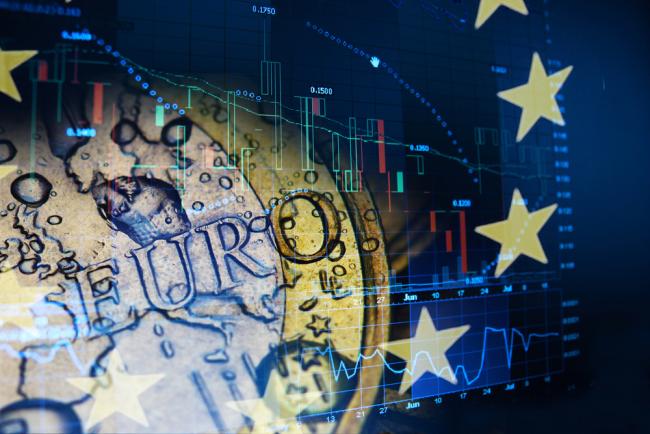
Will the EU Let Itself Be Bought ? New Framework for Foreign Direct Investments in Europe
In 2016, Chinese foreign direct investment (FDI) inflows into the European Union (UE) reached a record high, in contrast to the steady decline in FDI flows from the EU to China. Beijing is looking for markets and strategic assets and particularly targets advanced technologies in major European economies, deploying an aggressive and sometimes opaque strategy.
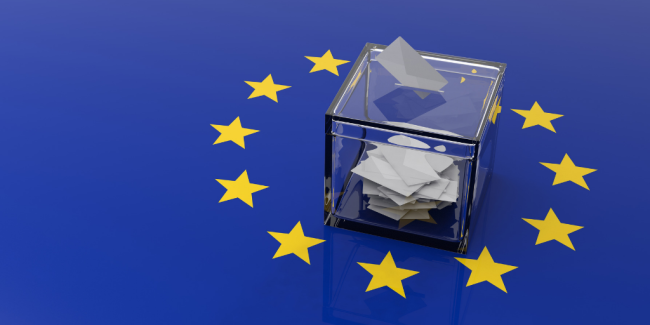
European Elections 2019: Structuring the Debate
From May 23 to 29, over 300 million Europeans are set to elect a new Parliament for a five-year term.
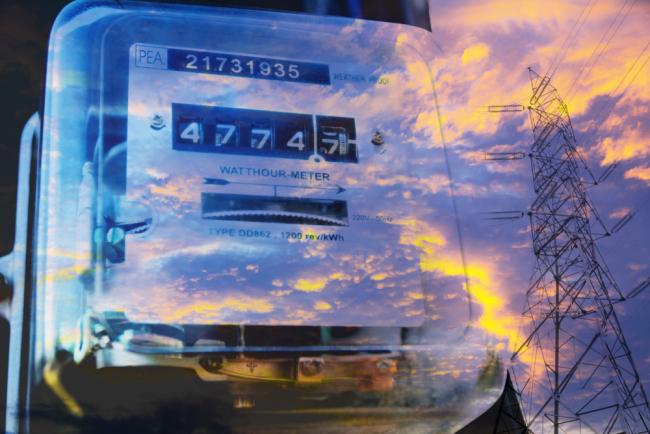
The US-EU Rivalry for Data Protection: Energy Sector Implications
The General Data Protection Regulation and the energy sector
The Franco-German Tandem: Bridging the Gap on Nuclear Issues
The Franco-German couple has long been characterized by divergent trajectories on nuclear matters, and antagonist historical decisions still frame the current relationship.
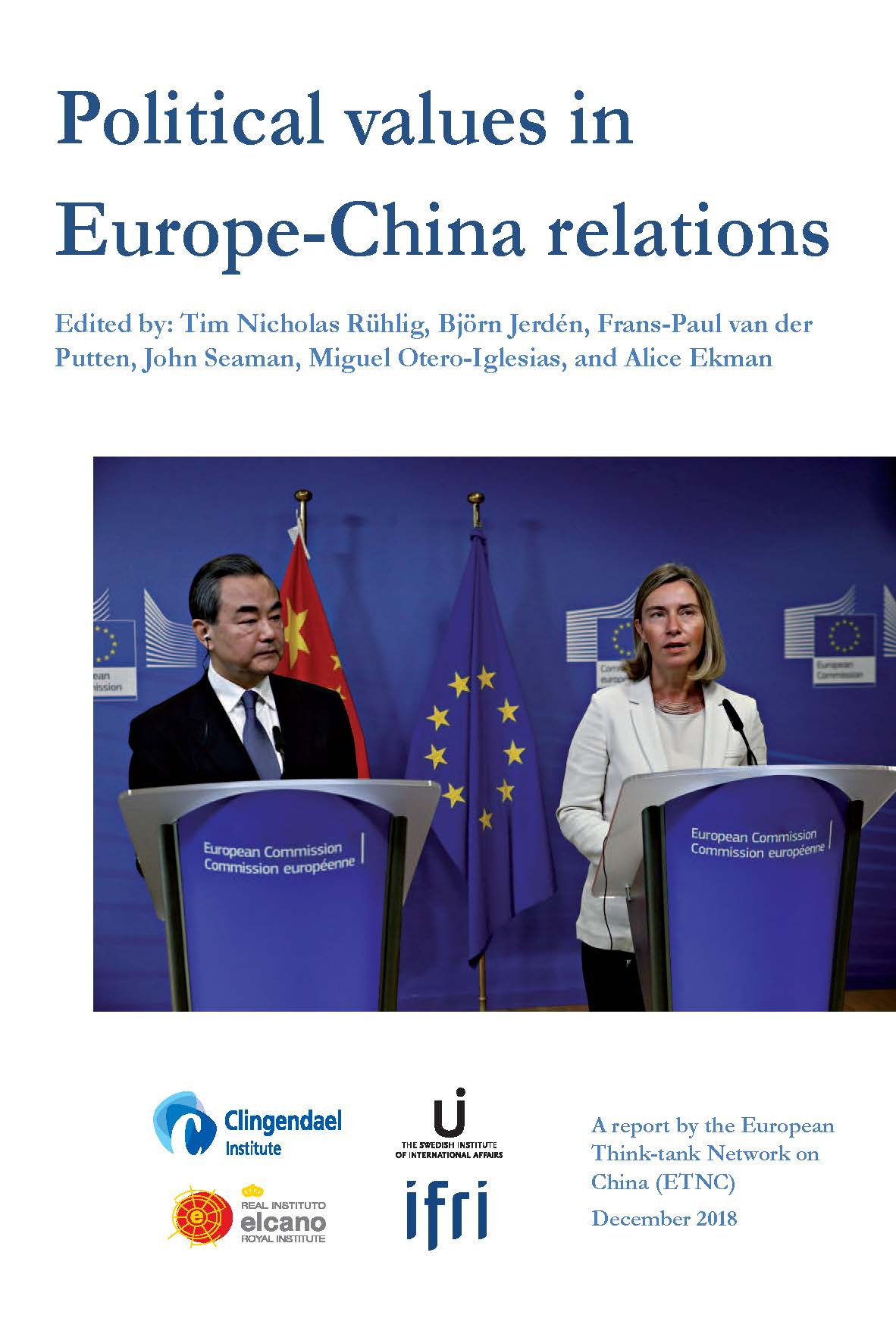
Political Values in Europe-China Relations
What role do political values play in Europe-China relations 70 years after the signing of the Universal Declaration of Human Rights?
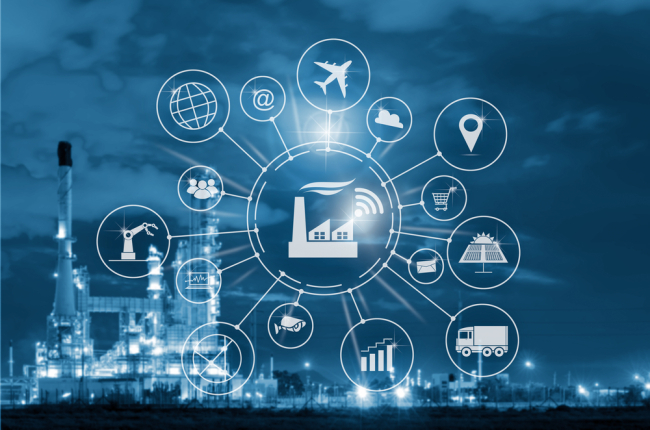
Digital Transformation of the Industry: The Franco-German Challenge
The issue of the digital transformation of the industry provoked in France as in Germany the return of the state and the introduction of a subsidiary industrial policy. Feeling threatened in its industrial leadership, Germany mobilized its resources through industry 4.0 by building a vision around the concept of “cyber-physical system” before developing in each Land an accompanying offer. France has forged the concept of the industry of the future by following a logic of modernization of the production tool, reinforcing particularly the automation and building on the integration of new technological bricks.
European Strategic Autonomy: Balancing Ambition and Responsibility
For decades, Europe has been trying to chart a path away from the military competition and strategic rivalries that brought it to ruins so many times in history.
The Erosion of Strategic Stability and the Future of Arms Control in Europe
The instruments of cooperative security created during and since the Cold War to foster mutual confidence and reduce the risks of war, inadvertent escalation, and arms races, in and around Europe, have come under increasing strain.
The Russian Informational and Digital Influence Strategy in Europe
The article discusses Russia’s informational and digital strategy towards Europe. It focuses on its content, instruments, infrastructures and techniques.
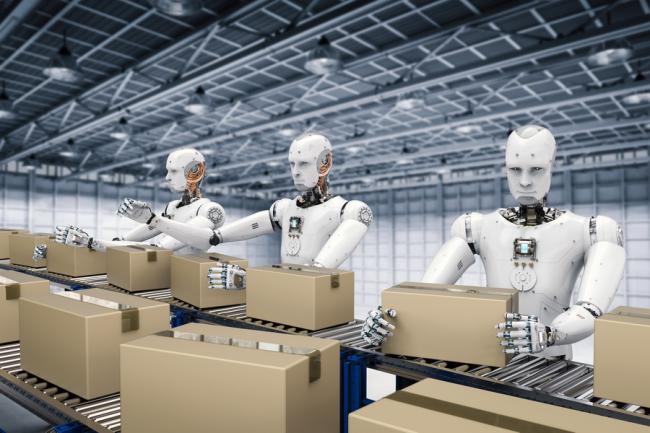
Europe Facing the Digitization of Work: The Political Risks
The nature of work has been remarkably transformed in a short period of time through the combined effect of globalization and technological disruptions. Ongoing technological breakthroughs, carried by increasingly digitalized and automated economic activities, and the “democratization” of artificial intelligence, heighten fears of massive job destructions and the deepening of social inequalities, to the detriment of downgraded and pauperized middle classes.
Europe: Subject or Object in the Geopolitics of Data?
Data no longer should be understood as a sole commercial or regulatory issue, but rather as an actual stake of international politics. Mastering data is an issue involving different set of actors, with diverging motivations: it is a sovereignty and national security stake for states, a democratic stake for people (personal data), and a fundamental source of value creation for companies.
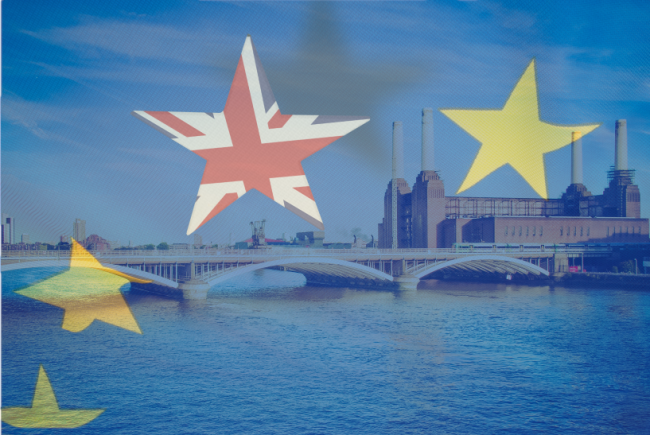
Brexit, Electricity and the No-Deal Scenario: Perspectives from Continental Europe, Ireland and the UK
When it comes to energy and electricity in particular, there can be no winner in the Brexit negotiations. The only reasonable objective should be to minimise losses and avoid trade friction.
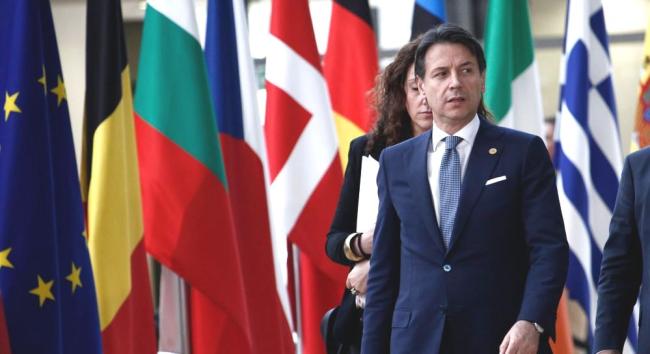
Immigration: Europe in the Face of an Italian Crisis
Since the Italian election held on March 4th, 2018, immigration policy has become a hotter-than-ever issue both at national and European level. The Aquarius incident has brought to light the question of European solidarity regarding immigration issues.
Between political crisis and European recovery attempt: German interrogations
Even though the CDU-CSU led Grand Coalition was renewed following the German legislative elections of 24 September 2017, and even though Angela Merkel was re-elected chancellor a fourth consecutive term, the country has entered a period of growing political uncertainty. The formation of a new government took much longer than after previous elections for a number of different reasons: after negotiations, the liberal party refused to join a coalition with the CDU-CSU and the Green party, the SPD was reluctant to continue in government, and, above all, the internal divisions of the two sister parties CDU et CSU, that nearly caused the fall of the new government three months after its investiture.
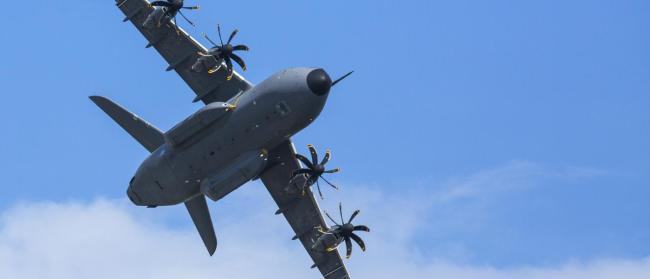
The Three Dimensions of Europe's Defense Debate
In light of transatlantic tensions and a deteriorated security environment, European security affairs are at the crossroads.
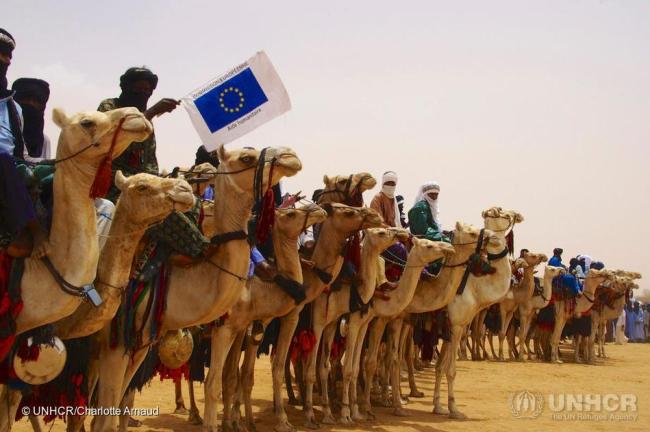
European Union Partnerships with African Countries on Migration: A Common Issue with Conflicting Interests
Since 2015 and the refugee crisis, the dialogue between the European Union (EU) and African countries on migration issues has assumed a new intensity.
Ifri, a foundation recognized as being of public utility, relies largely on private donors – companies and individuals – to guarantee its sustainability and intellectual independence. Through their funding, donors help maintain the Institute's position among the world's leading think tanks. By benefiting from an internationally recognized network and expertise, donors refine their understanding of geopolitical risk and its consequences on global politics and the economy. In 2026, Ifri partners with over 90 French and international companies and organizations.
