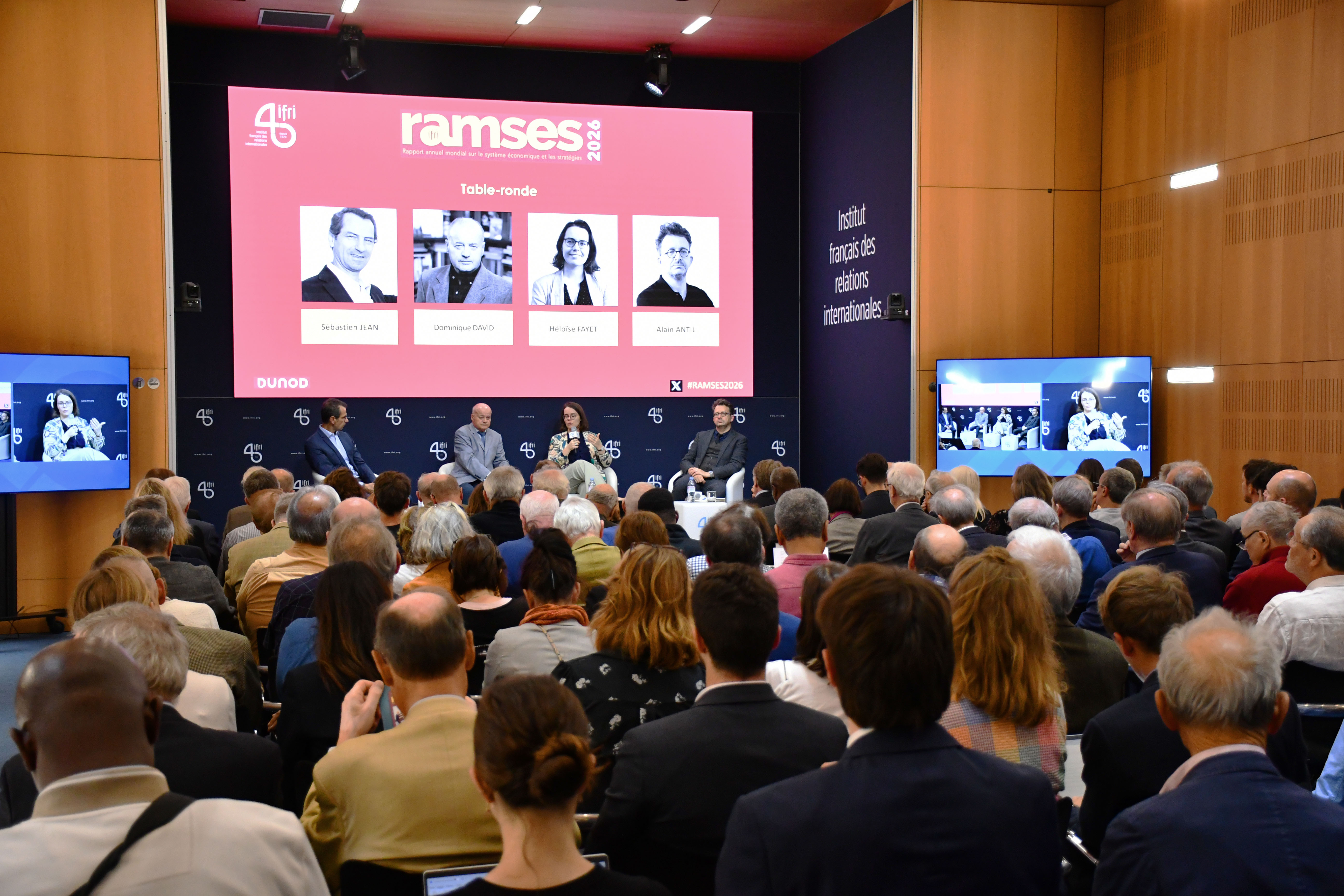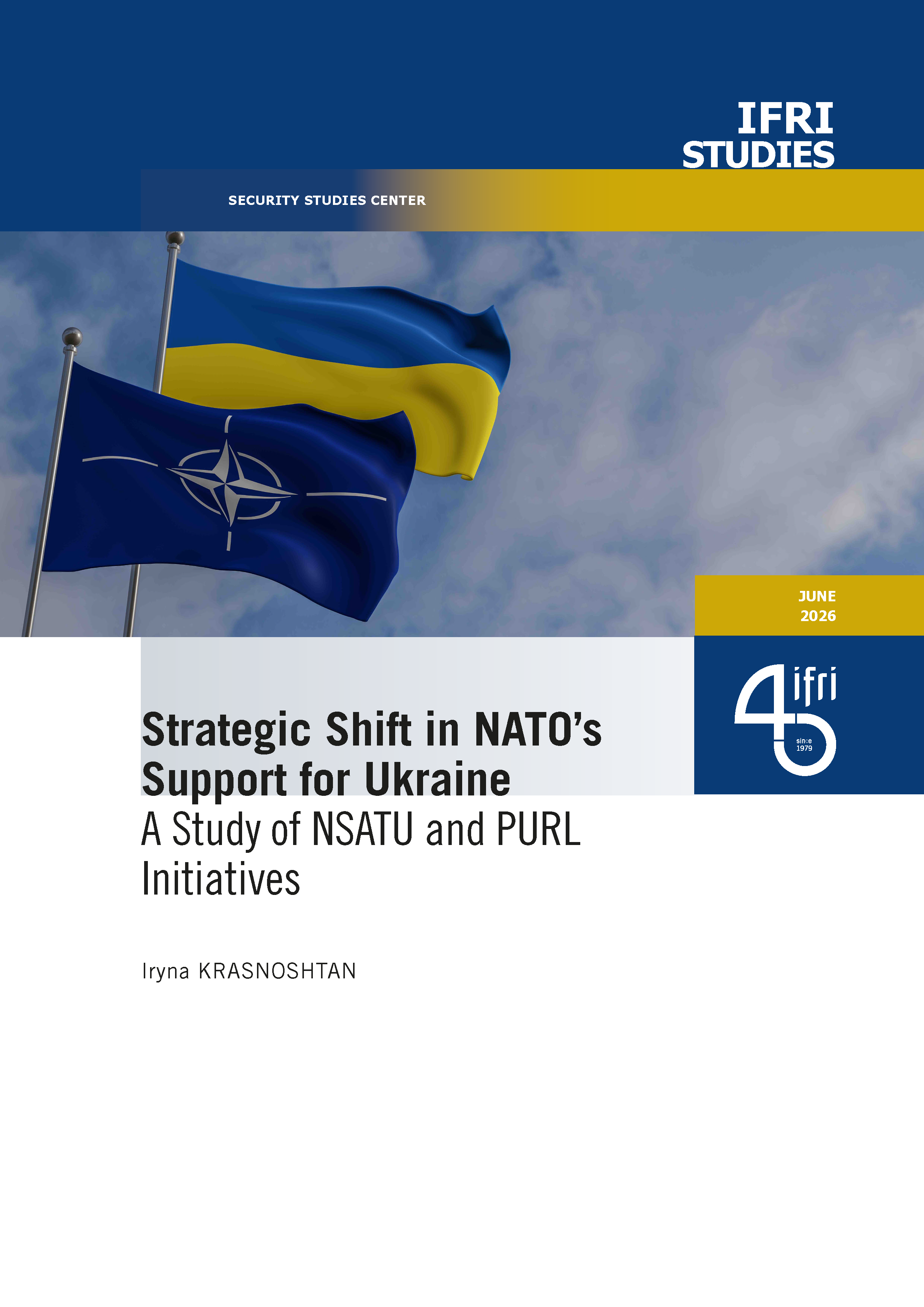
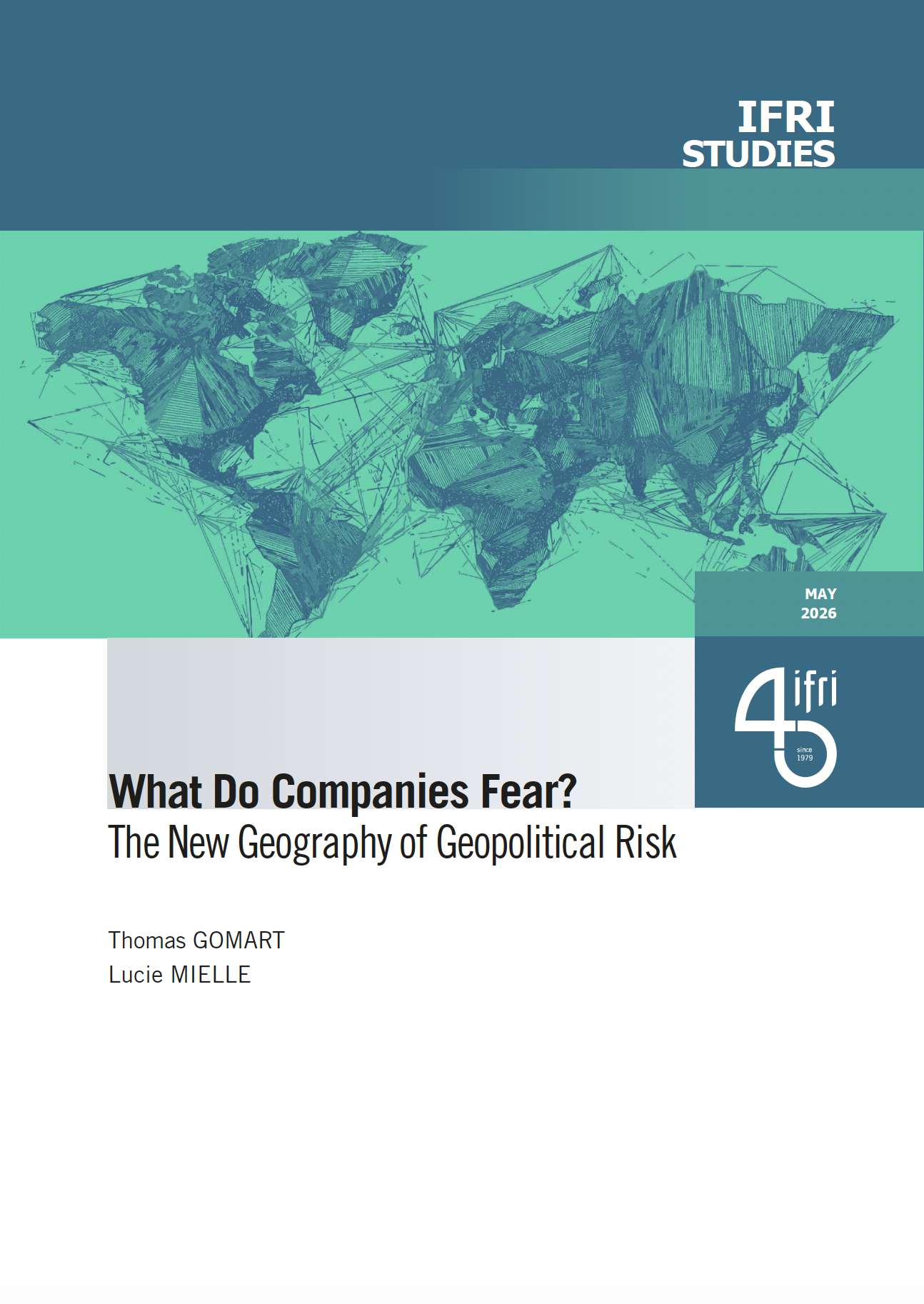

How do maritime companies cooperate with the navies? An interview with Simon Bergulf, MÆRSK
On the sidelines of the Paris Naval Conference 2025, on February 4, 2025, organized by Ifri and the French Navy (Marine nationale), Simon BERGULF, Group Representative Europe Public and Regulatory Affairs, Head of Energy transition and Operations, Maersk, shares insights on how maritime companies collaborate with the navies to secure maritime economy.

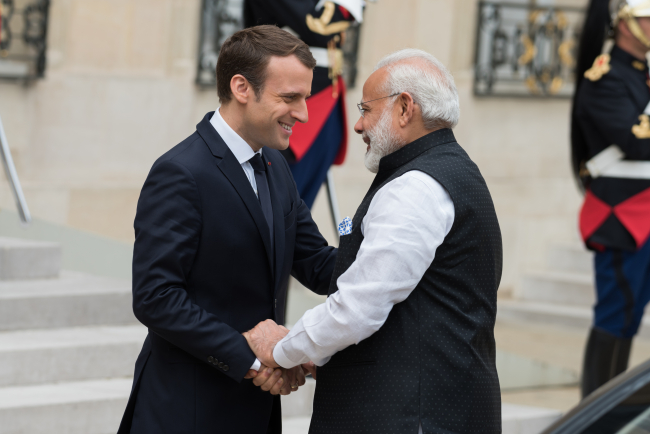
India's Modi heads to Paris as co-chair of AI summit
Indian Prime Minister Narendra Modi is visiting France from Monday as co-chair of an international summit on artificial intelligence in Paris that is expected to be attended by industry leaders, including executives from OpenAI and DeepSeek.
Taking the Pulse: Has Political Deadlock in Member States Become a Strategic Problem for the EU?
At a pivotal moment for the EU, several of its member states are experiencing domestic political and economic crises. Is this hindering collective EU action in response to the challenges posed by Russia, China, and Trump’s administration?
Replay - Affirming European security in times of uncertainty: Poland’s priorities for its Presidency
Poland will assume the presidency of the Council of the EU throughout the first semester of 2025, when geopolitical tensions are likely to peak. Watch the replay of the videoconference "Affirming European security in times of uncertainty. Poland’s priorities of its presidency of the Council".
Replay - The Future European Space Law: a New Model of Development?
Replay of the conference from Ifri's Space Program, December 16, 2024.
Europe’s Black Mass Evasion: From Black Box to Strategic Recycling
EV batteries recycling is a building block for boosting the European Union (EU)’s strategic autonomy in the field of critical raw minerals (CRM) value chains. Yet, recent evolutions in the European EV value chain, marked by cancellations or postponements of projects, are raising the alarm on the prospects of the battery recycling industry in Europe.
Replay - Shaping Europe’s Technological Sovereignty
Watch Ifri's Center for Geopolitics of Technology's annual conference replay.


Will Europe's pivot to Asia have any teeth?
Spurred by fears of a ‘new Ukraine’ in East Asia, European powers are ramping up their presence in the Indo-Pacific.
Global Financial Shifts: The Impact of Dollar Sanctions and Frozen Russian Assets
An interview with Brad Setser, Whitney Shepardson Senior Fellow (Council on Foreign Relations) led at Ifri on September 24, 2024.
Dollar-based financial sanctions have been increasing, particularly since the beginning of the century. Is this phenomenon likely to significantly alter the international role of the dollar?
There is a lot of controversy about the in which way frozen assets from Russia’s central bank should be treated, regarding both the assets themselves and the associated revenues. What consequences do you foresee for the international financial system?
China’s Mature Node Overcapacity: Unfounded Fears
China is decoupling from, not flooding, the global mature-node semiconductor market. As China increasingly pursues industrial policies encouraging domestic chip production, its own growing chip demand will prevent a direct flood of cheap Chinese chips on foreign shores. However, as Beijing achieves its goal of decreasing the reliance of domestic downstream manufacturers on foreign chips, European and American mature-node semiconductor companies will feel the ripple effects of an increasingly “involuted” Chinese chip ecosystem.
European Solar PV Manufacturing: Terminal Decline or Hope for a Rebirth?
While solar photovoltaic (PV) installations are booming in Europe (and in other parts of the world), the local industry is closing down. Over the past two years, the European installed solar PV capacity has been multiplied by two. On the other hand, the remaining European manufacturers of solar PV panels are dying.
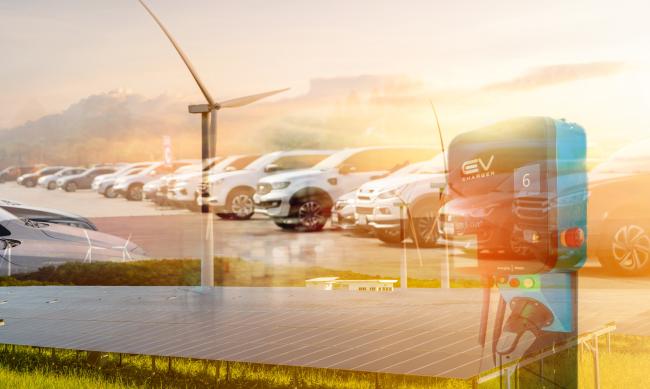
Electric Vehicles: A Strong and Still Understated Performance
Electric vehicles (EVs) are better for the climate – even in worst-case scenarios. Across its life cycle, a typical European electric car produces less greenhouse gas (GHG) and air pollutants or noise than its petrol or diesel equivalent. Emissions are usually higher in the production phase, but these are more than offset over time by lower emissions in the use phase. According to the European Environment Agency’s report on electric vehicles, life cycle GHG emissions of EVs are about 17-30% lower than those of petrol and diesel cars.
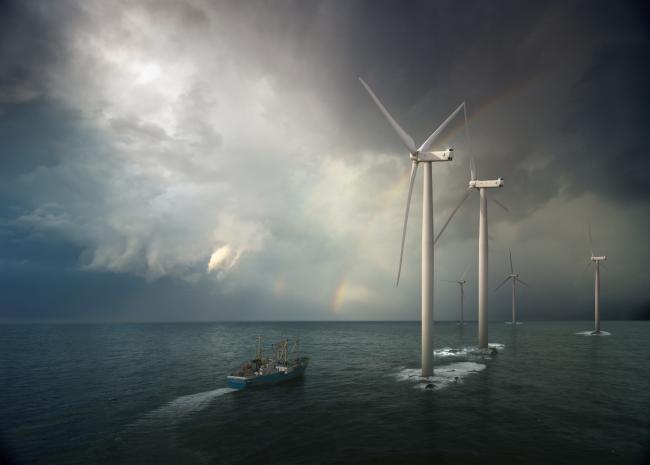
How Can the Green Deal Adapt to a Brutal World?
The European Green Deal has not been planned for the current extraordinarily deteriorated internal and external environment. Russia’s war in Ukraine, higher interest rates, inflation, strained public finances, weakened value chains, and lack of crucial skills pose unprecedented challenges.

Climate, Finance, and Geopolitics: Human Self-delusions and the Challenges for Europe
The combination of geopolitical tensions, climate disruption, and the growing role of finance in the economy is taking us into uncharted territory. Until recently, each of these subjects was handled separately, but they are now inextricably linked by two shared characteristics: the gravity of the threat, and the fact that they all lay bare the scale of human self-delusions.
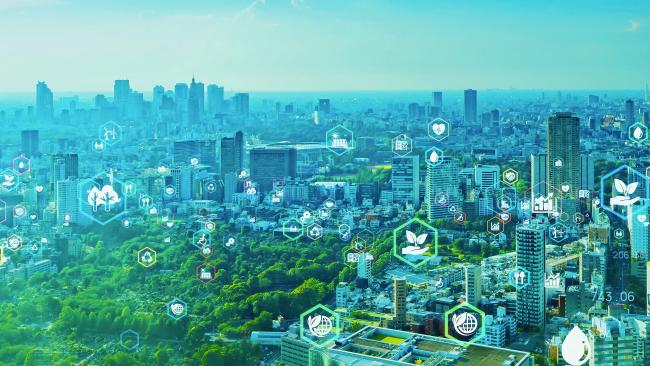
Decarbonizing European Cities: How to Speed Up and Build Synergies?
Cities are on the front line for enabling governments to meet their commitments under the Paris Agreement. Although cities occupy only 2% of the earth’s surface, they are home to between 50 and 60% of the world’s population (70% by 2050 according to the United Nations), account for two-thirds of the world’s energy consumption and emit 80% of CO2. As an example, the CO2 emissions of the city of Berlin are equal to those of Croatia, Jordan or the Dominican Republic. New York’s total annual CO2 emissions are roughly equivalent to those of Bangladesh. Yet their central role not only for adaptation, but also mitigation, has been recognized lately.
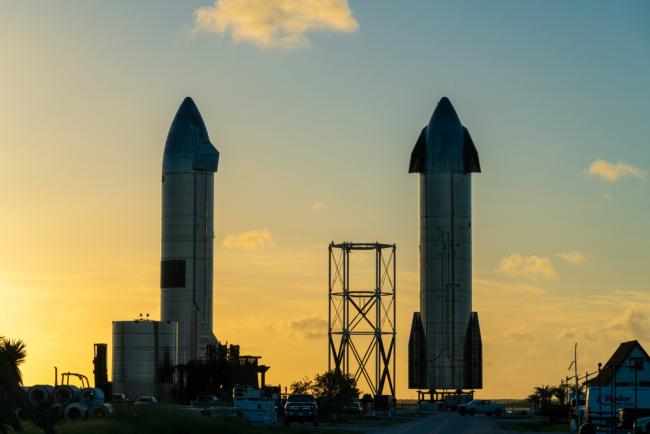
2024: A Pivotal Year for the Space Sector?
2024 could be a pivotal year for space exploration. New launchers are set to make their first flight, satellite constellations and other trends promise to redefine the way space is explored and exploited.
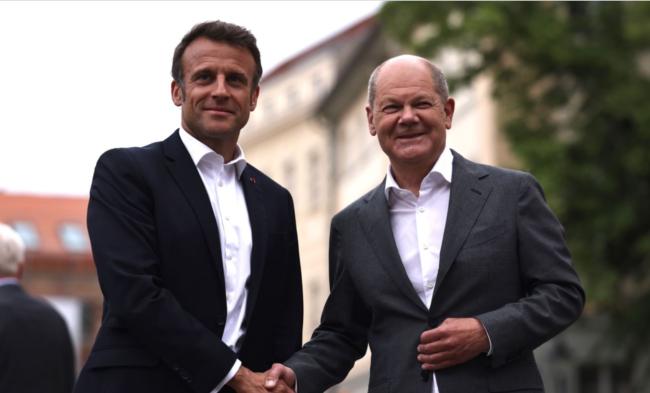
New Impulses for Stagnant Relationships - German-French Ministerial Council Meets in a New Format
As the doors of the illustrious Hôtel Beauharnais on Rue de Lille 78 swung open on the evening of 4 October, and the masses streamed into the German Embassy in Paris to celebrate German Unity Day, the reports of the currently strained state of Franco-German relations seemed almost surreal.
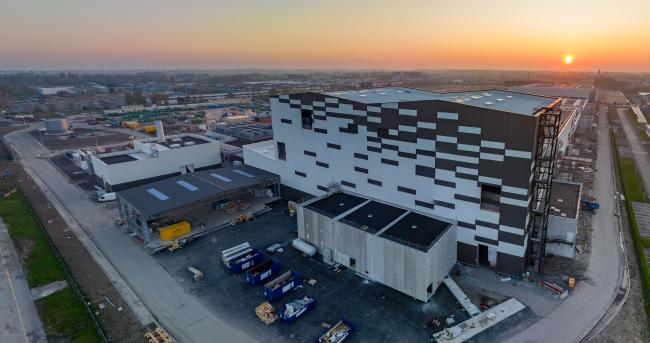
How to Meet the Industrial Challenge of Electric Mobility in France and in Europe
The deployment at scale of electric mobility in France and in Europe withholds significant industrial, societal, geopolitical, and financial challenges, against the backdrop of strategic dependencies along the value chain of the electric vehicle (EV).

Impossible Decoupling, Improbable Cooperation: Economic Interdependencies in the Face of Power Rivalries
Export restrictions, economic and financial sanctions, politicization of monetary and financial choices, screening of inward and outward foreign direct investments, exceptional customs duties, and state interventions in sectors deemed strategic: the political vise is tightening around international economic and financial relations.
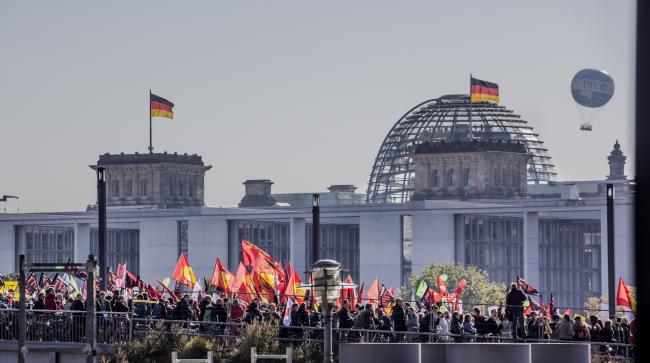
The End of a Happy Parenthesis. How the War in UkraineI Is Forcing Germany to Rethink Its Model
The period of peace, economic prosperity, and political stability that Germany has experienced since the end of the Cold War ends with the Ukrainian war. The shock wave of this conflict particularly hit its economy and thereby undermines the foundations on which Germany had based its power, its international influence and established its identity.
Support independent French research
Ifri, a foundation recognized as being of public utility, relies largely on private donors – companies and individuals – to guarantee its sustainability and intellectual independence. Through their funding, donors help maintain the Institute's position among the world's leading think tanks. By benefiting from an internationally recognized network and expertise, donors refine their understanding of geopolitical risk and its consequences on global politics and the economy. In 2026, Ifri partners with over 90 French and international companies and organizations.