



Security - Defense
As a result of global strategic competition, security and defense issues are marked by the return of major wars and nuclear deterrence, the transformation of terrorism and the race for military technologies.
Related Subjects
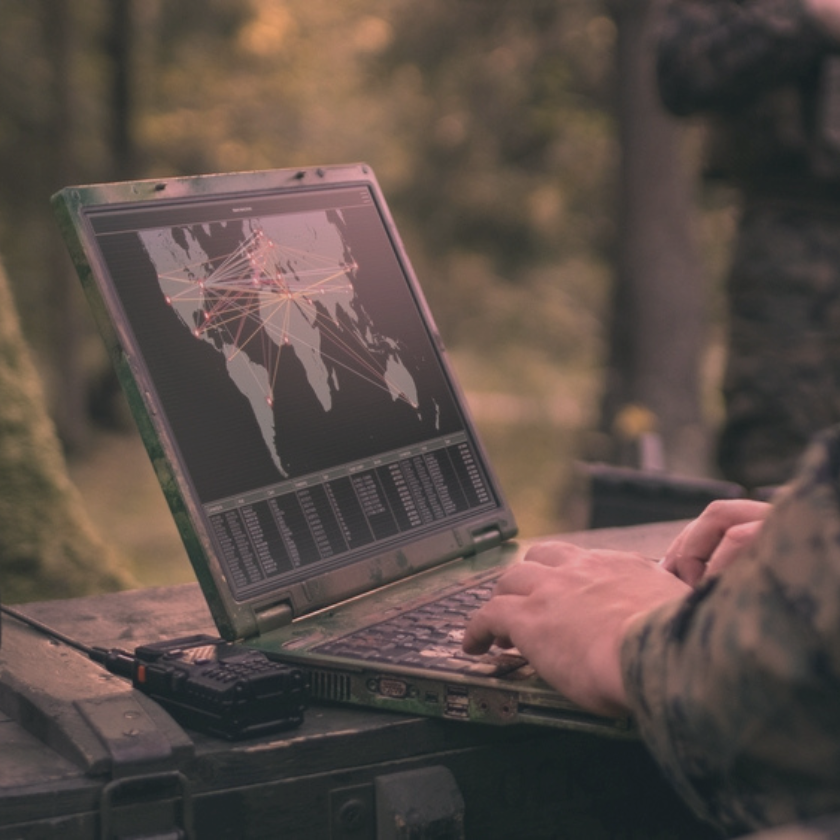
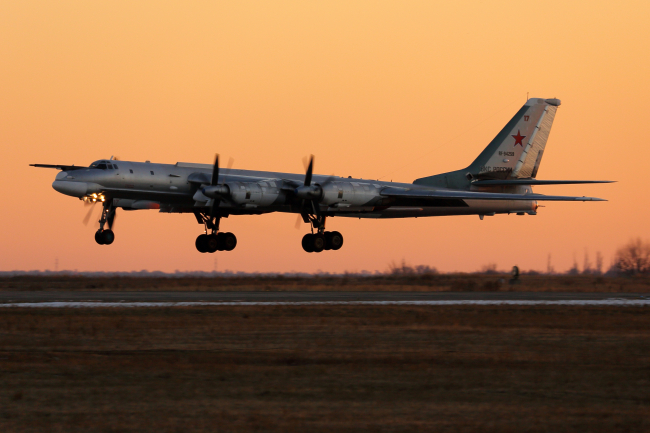
The Plight of Russia’s Air Power in the Ukraine War: Drone-Driven Innovations and Transformation of Traditional Air Force
Since the start of the Ukraine War, Russian strategic guidelines on the application of air power—seen as the decisive instrument for achieving success in modern wars—have proven to be outdated, irrelevant and even self-defeating.

France’s View: From Diplomacy to Public-Private Action
France has emerged as the EU’s IMEC forerunner, combining port infrastructure, diplomatic alliances and public-private cooperation. With Marseille Fos at its core, the country brings a strategic hub for logistics, energy and digital connectivity to the corridor.
French nuclear deterrence: modernisation, forward presence and support for Poland
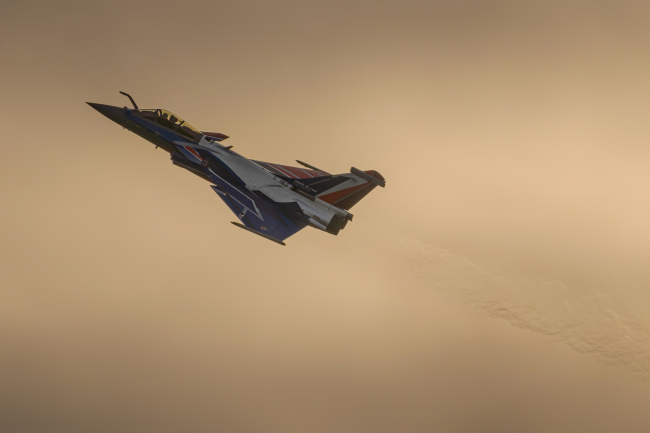
France is entering one of the most important phases of modernising its nuclear deterrent since the end of the Cold War. Over the next decade, a significant part of the systems that make up the Force de dissuasion will be replaced, while Paris is simultaneously trying to strengthen the European dimension of its doctrine through the concept of forward deterrence. For Poland, two questions are particularly important: will this initiative survive the presidential transition in 2027, and can Poland’s security become permanently connected to the French understanding of “vital interests”?

Confronting Russia’s High-Velocity Arsenal: European Challenges and Solutions
Since February 2022, Russian missile and long-range drone strikes against Ukraine have served as near-daily reminders of what European states could face in a war with Russia. The same weapon systems battering Ukrainian infrastructure and population centers would be directed against European military and civilian targets in any confrontation between Russia and NATO. As Russian missile production expands and its arsenal diversifies, Europe must confront an uncomfortable question: how to deter, and if push comes to shove, fight Russia's long-range strike arsenal?
Trump II, the Crisis of the Rules-Based Order and Europe’s Indo-Pacific Strategy
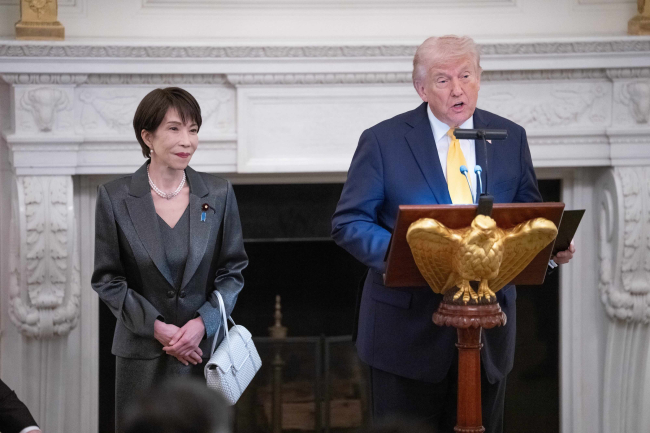
This article examines the implications of Trump II for Europe’s engagement in the Indo-Pacific. The piece contends that Trump II is accelerating the erosion of the rules-based order and undermining the relevance of the Free and Open Indo-Pacific (FOIP) concept, while forcing Europe to refocus on its own continental security amid US retrenchment. Paradoxically, these very constraints create conditions for a more autonomous, pragmatic, and explicitly interest-driven European engagement in the Indo-Pacific, rather than outright withdrawal.
On (New) War
Are the new dynamics of power assertion, the redistribution of influence, and the emergence of new technologies changing both the place of war in the everyday life of our societies and the way war is waged when it occurs? Does the obsession with conflict, combined with technical efficiency, impose upon us a state of permanent latent war? And when weapons speak, does the involvement of modern technologies and the companies that produce them revolutionize both the political decision-making process and the way people are engaged in war? These are fundamental questions raised by the conflicts in Ukraine and the Middle East, and they are already shaping current thinking on military strategy and organization.
The War on Terrorism: Global Experts Reflect on Lessons Learned Twenty-Five Years After 9/11
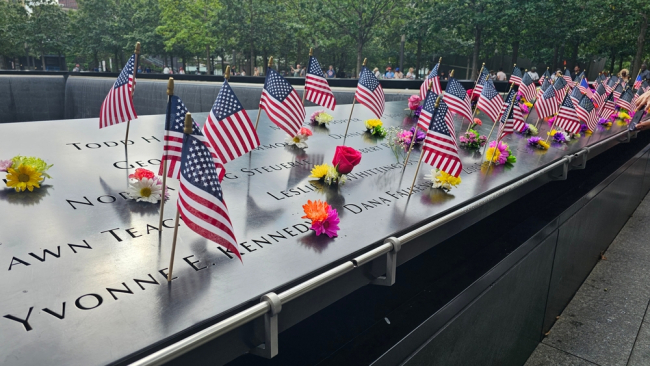
Twenty-five years ago, the September 11 attacks prompted the invention of new security architectures that shaped the war on terrorism. Sixteen think tank experts from fifteen countries reflect on the successes, failures, and missed opportunities in the fight against terrorism—a fight that is still ongoing.
Does Artificial Intelligence Change the Nature of War?
From Gaza to Ukraine and Iran, current conflicts are being shaped by the arrival of artificial intelligence and robots on the battlefield. The changes under way are so profound that humans risk rapidly losing control over entire aspects of the conduct of military operations. While these technological developments are altering the character of war, their impact on the very nature of war itself remains a matter of debate.
Silicon Valley and War: Lessons from Ukraine
Over the course of international conflicts, and particularly in Ukraine, major tech companies have emerged as central actors. Initially subject to wartime maneuvering, they have since become decisive actors in their own right, privatizing a significant share of wartime exchanges, shaping the information flows of societies, and presenting themselves as providers of security. This situation raises important questions about states’ autonomy in making decisions and taking action.
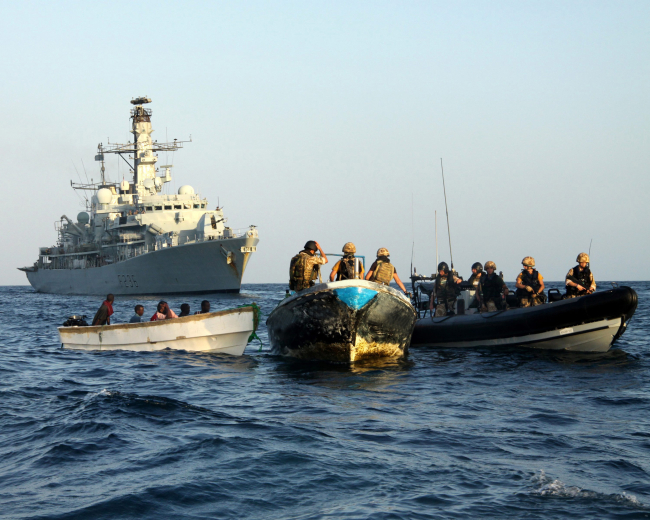
From Corsairs to Private Military Contractors. Nonmilitary Maritime Actors and the Historical Continuities of Naval Warfare
Since late 2023, several Houthi attacks on commercial shipping have involved privately contracted armed teams conducting defensive engagements and coordinating immediate response efforts, often in the relative absence of regular naval forces during the immediate hostilities at sea. These cases highlight a strategic tension that increasingly confronts modern navies. On the one hand, they are expected to conduct persistent, low-intensity maritime security tasks such as counterpiracy, maritime policing, and the protection of commercial shipping. On the other hand, they face renewed pressure to prepare for high-intensity conflict against peer and near-peer adversaries amid the return of great power competition.

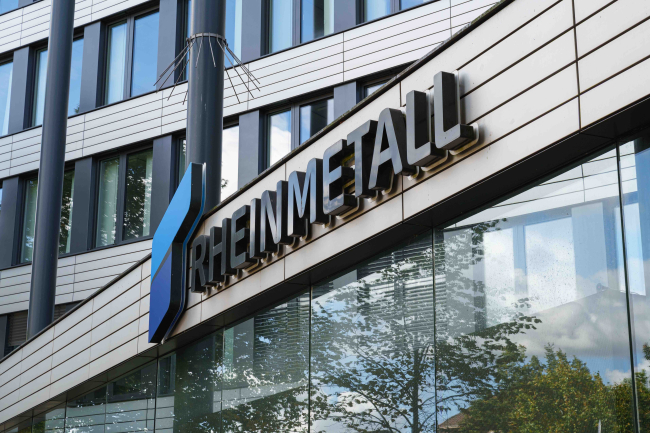
"The US’s Trojan horse in Europe": Rheinmetall, the German defence giant with an insatiable appetite
Top secret. Land, sea, air and even space… Armin Papperger, the very powerful head of the German defence group, has grand ambitions—to the point of irritating France.

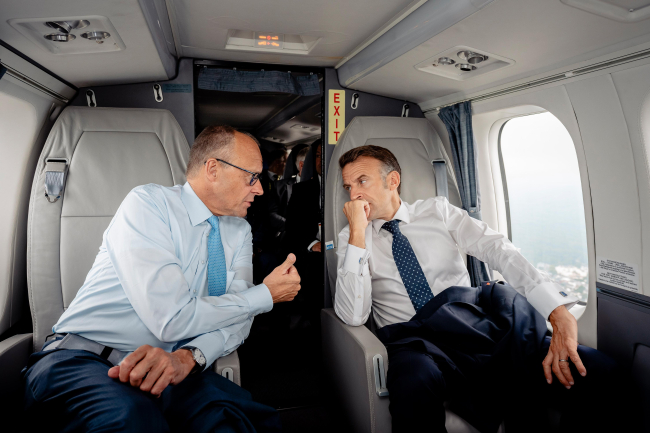
Europe Express: Macron and Merz move on from fighter jet heartbreak
The threat of a Le Pen presidency has provided an incentive for Paris and Berlin to come together.
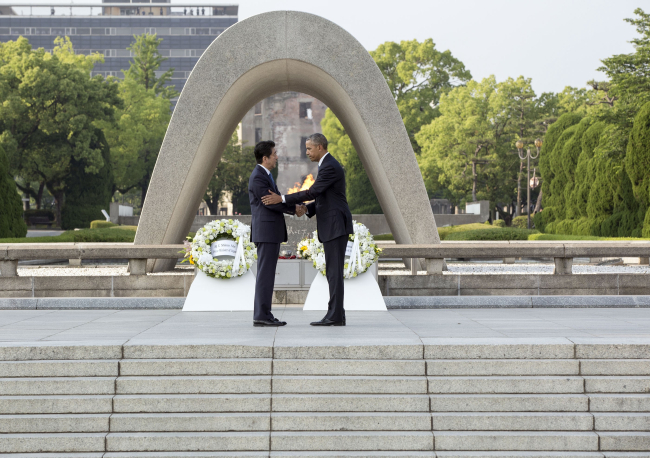
Japan and Nuclear Weapons: Between Extended Deterrence and Normative Dilemmas
Since the late 1950s, Japan’s nuclear weapons policy has been based on the coexistence of two competing normative rationales: the rejection of nuclear weapons, rooted in the legacy of Hiroshima and Nagasaki, and the recognition of the central role of US extended nuclear deterrence for Japan’s security.

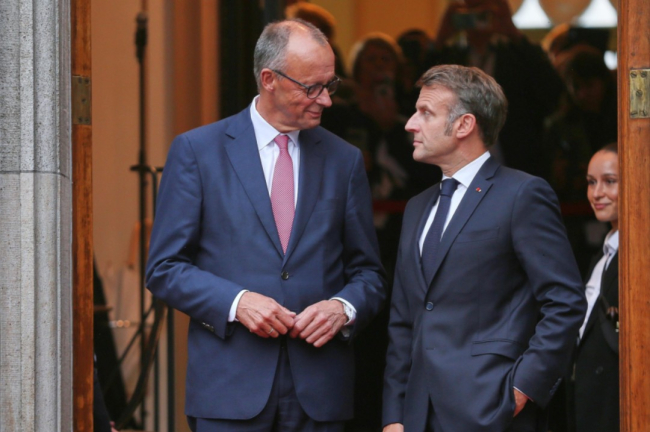
France and Germany seek to showcase military cooperation after FCAS collapse
President Emmanuel Macron and Chancellor Friedrich Merz were to hold a joint defense council and the traditional French-German Council of Ministers on Friday in North Rhine-Westphalia.
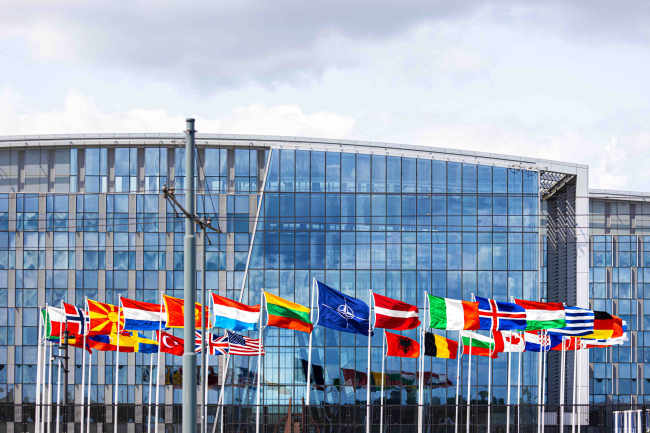
Taking the Pulse: Enough with the Annual NATO Summits, Already?
Over the past ten years, NATO has held almost as many summits as it did during the entirety of the Cold War. Are they still useful, or is it time to stop holding annual meetings?
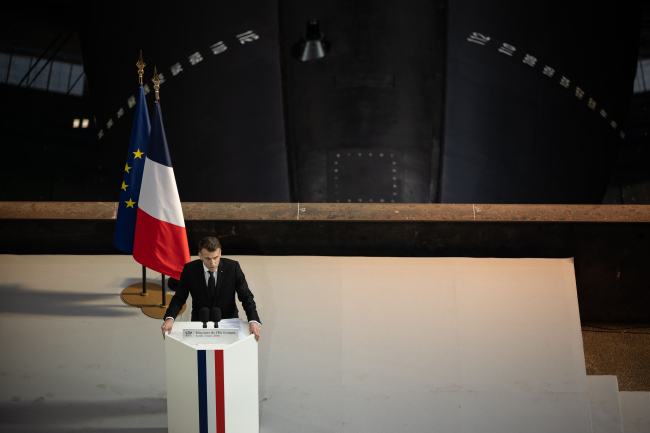
How does France’s nuclear deterrent contribute to the defense of Europe?
France’s nuclear deterrent, serving first and foremost to defend France’s vital interests, also contributes to the defense of Europe. This contribution has been recognized within the North Atlantic Alliance since 1974, but remains little known. In a speech closely followed by France’s European partners and its adversaries alike, President Emmanuel Macron announced a new concept for French nuclear deterrence: “forward deterrence” (dissuasion avancée). This article aims to explain the origins of this concept, outline its main pillars, and describe the partnerships that are sought. It then discusses the relationship with the U.S. doctrine of “extended deterrence”, and finally offers some ethical considerations.
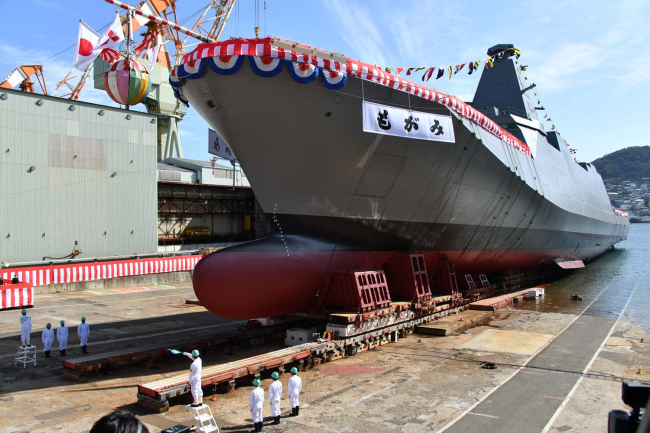
Japan’s Defense Industry Goes Global: Ambitions and Challenges

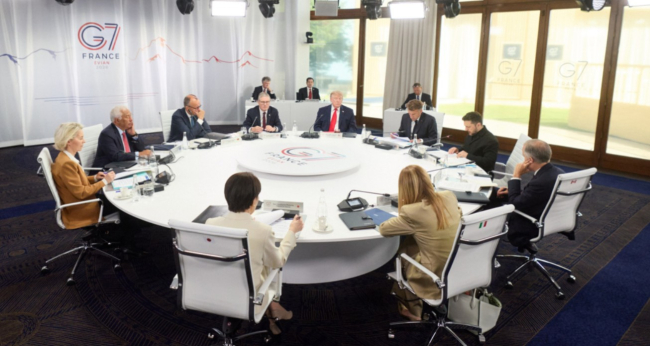
Can Global Governance Be Rebuilt? Japan's Role Seen Key
The Shared Future of Asia and Japan.
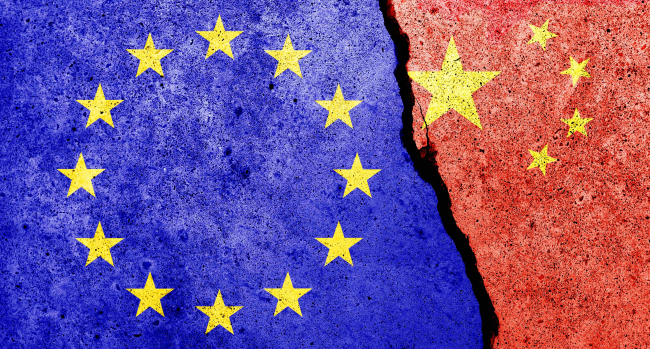
Fragmented Europe: Dealing with China as a technology and innovation power
How is Europe navigating China’s ascension as a technological power? The latest report by the European Think-tank Network on China (ETNC) provides a nuanced account of a converging, yet still fragmented approach across 22 countries.
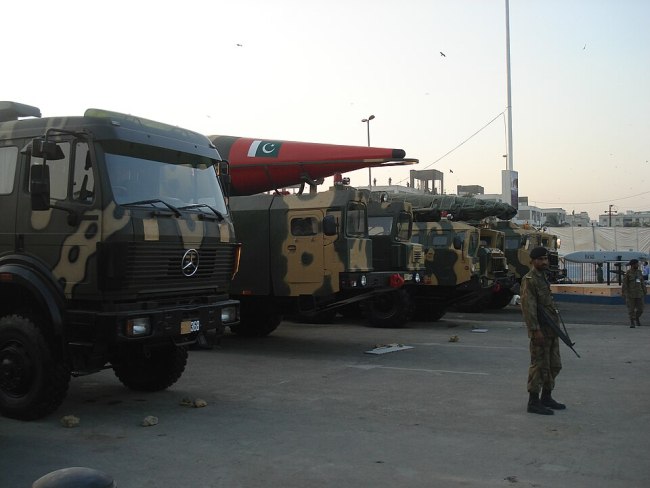
Stability under Pressure. A Pakistani View on Nuclear Deterrence after Pahalgam
The May 2025 India-Pakistan crisis after the Pahalgam attack has generated a familiar but incomplete debate: did nuclear deterrence work, or did it merely allow both sides to fight a limited war under the nuclear shadow? The better answer is that deterrence worked at the level at which it was designed to work. It prevented a general war and an uncontrolled vertical escalation, and kept nuclear weapons in the background. But it did not prevent India from attempting to carve out space for conventional action, nor did it prevent Pakistan from responding conventionally to restore deterrence credibility.
The Plight of Russia’s Air Power in the Ukraine War: Drone-Driven Innovations and Transformation of Traditional Air Force
Since the start of the Ukraine War, Russian strategic guidelines on the application of air power—seen as the decisive instrument for achieving success in modern wars—have proven to be outdated, irrelevant and even self-defeating.
France’s View: From Diplomacy to Public-Private Action
France has emerged as the EU’s IMEC forerunner, combining port infrastructure, diplomatic alliances and public-private cooperation. With Marseille Fos at its core, the country brings a strategic hub for logistics, energy and digital connectivity to the corridor.
Confronting Russia’s High-Velocity Arsenal: European Challenges and Solutions
Since February 2022, Russian missile and long-range drone strikes against Ukraine have served as near-daily reminders of what European states could face in a war with Russia. The same weapon systems battering Ukrainian infrastructure and population centers would be directed against European military and civilian targets in any confrontation between Russia and NATO. As Russian missile production expands and its arsenal diversifies, Europe must confront an uncomfortable question: how to deter, and if push comes to shove, fight Russia's long-range strike arsenal?
Trump II, the Crisis of the Rules-Based Order and Europe’s Indo-Pacific Strategy
This article examines the implications of Trump II for Europe’s engagement in the Indo-Pacific. The piece contends that Trump II is accelerating the erosion of the rules-based order and undermining the relevance of the Free and Open Indo-Pacific (FOIP) concept, while forcing Europe to refocus on its own continental security amid US retrenchment. Paradoxically, these very constraints create conditions for a more autonomous, pragmatic, and explicitly interest-driven European engagement in the Indo-Pacific, rather than outright withdrawal.
The War on Terrorism: Global Experts Reflect on Lessons Learned Twenty-Five Years After 9/11
Twenty-five years ago, the September 11 attacks prompted the invention of new security architectures that shaped the war on terrorism. Sixteen think tank experts from fifteen countries reflect on the successes, failures, and missed opportunities in the fight against terrorism—a fight that is still ongoing.
Does Artificial Intelligence Change the Nature of War?
From Gaza to Ukraine and Iran, current conflicts are being shaped by the arrival of artificial intelligence and robots on the battlefield. The changes under way are so profound that humans risk rapidly losing control over entire aspects of the conduct of military operations. While these technological developments are altering the character of war, their impact on the very nature of war itself remains a matter of debate.
Silicon Valley and War: Lessons from Ukraine
Over the course of international conflicts, and particularly in Ukraine, major tech companies have emerged as central actors. Initially subject to wartime maneuvering, they have since become decisive actors in their own right, privatizing a significant share of wartime exchanges, shaping the information flows of societies, and presenting themselves as providers of security. This situation raises important questions about states’ autonomy in making decisions and taking action.
On (New) War
Are the new dynamics of power assertion, the redistribution of influence, and the emergence of new technologies changing both the place of war in the everyday life of our societies and the way war is waged when it occurs? Does the obsession with conflict, combined with technical efficiency, impose upon us a state of permanent latent war? And when weapons speak, does the involvement of modern technologies and the companies that produce them revolutionize both the political decision-making process and the way people are engaged in war? These are fundamental questions raised by the conflicts in Ukraine and the Middle East, and they are already shaping current thinking on military strategy and organization.
From Corsairs to Private Military Contractors. Nonmilitary Maritime Actors and the Historical Continuities of Naval Warfare
Since late 2023, several Houthi attacks on commercial shipping have involved privately contracted armed teams conducting defensive engagements and coordinating immediate response efforts, often in the relative absence of regular naval forces during the immediate hostilities at sea. These cases highlight a strategic tension that increasingly confronts modern navies. On the one hand, they are expected to conduct persistent, low-intensity maritime security tasks such as counterpiracy, maritime policing, and the protection of commercial shipping. On the other hand, they face renewed pressure to prepare for high-intensity conflict against peer and near-peer adversaries amid the return of great power competition.
Japan and Nuclear Weapons: Between Extended Deterrence and Normative Dilemmas
Since the late 1950s, Japan’s nuclear weapons policy has been based on the coexistence of two competing normative rationales: the rejection of nuclear weapons, rooted in the legacy of Hiroshima and Nagasaki, and the recognition of the central role of US extended nuclear deterrence for Japan’s security.
French nuclear deterrence: modernisation, forward presence and support for Poland
France is entering one of the most important phases of modernising its nuclear deterrent since the end of the Cold War. Over the next decade, a significant part of the systems that make up the Force de dissuasion will be replaced, while Paris is simultaneously trying to strengthen the European dimension of its doctrine through the concept of forward deterrence. For Poland, two questions are particularly important: will this initiative survive the presidential transition in 2027, and can Poland’s security become permanently connected to the French understanding of “vital interests”?
"The US’s Trojan horse in Europe": Rheinmetall, the German defence giant with an insatiable appetite
Top secret. Land, sea, air and even space… Armin Papperger, the very powerful head of the German defence group, has grand ambitions—to the point of irritating France.
Europe Express: Macron and Merz move on from fighter jet heartbreak
The threat of a Le Pen presidency has provided an incentive for Paris and Berlin to come together.
Can Global Governance Be Rebuilt? Japan's Role Seen Key
The Shared Future of Asia and Japan.
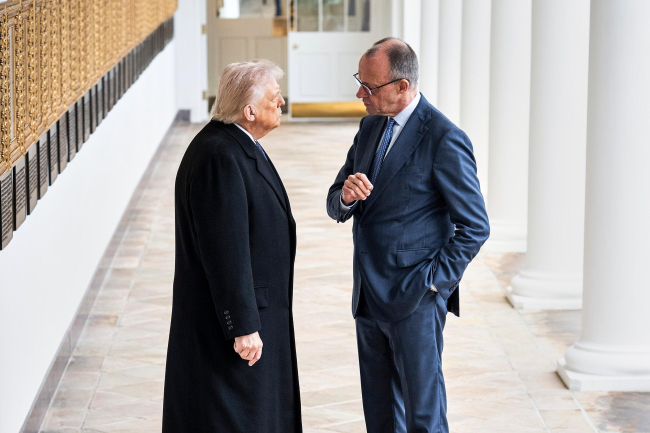
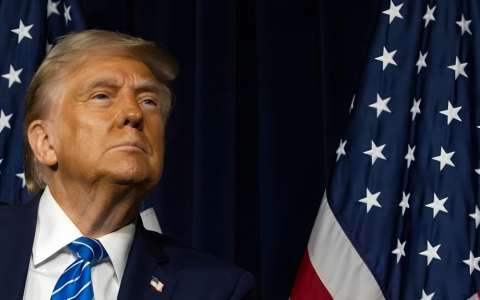
'With the withdrawal of US troops from Germany, Berlin is facing a historic dilemma'
Donald Trump's announcement of the withdrawal of US troops is forcing Berlin to confront the long-standing taboo on its own defense, explains Paul Maurice, a specialist in Franco-German relations at the Study Committee on Franco-German Relations (Cerfa) at French Institute of International Relations.
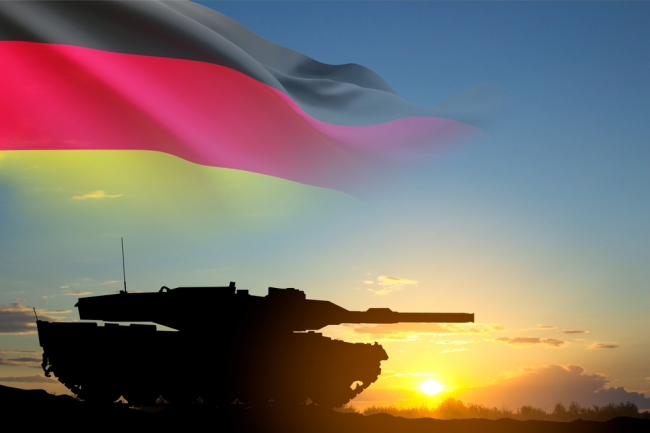
Germany re-arms: what does it mean for Europe?
Paris sees risks for its industry and the continent’s sovereignty in Berlin’s rapid defence build-up. Chancellor Friedrich Merz’s defence spending push has raised concerns about locking in procurement choices and giving German industry an advantage over its neighbours.
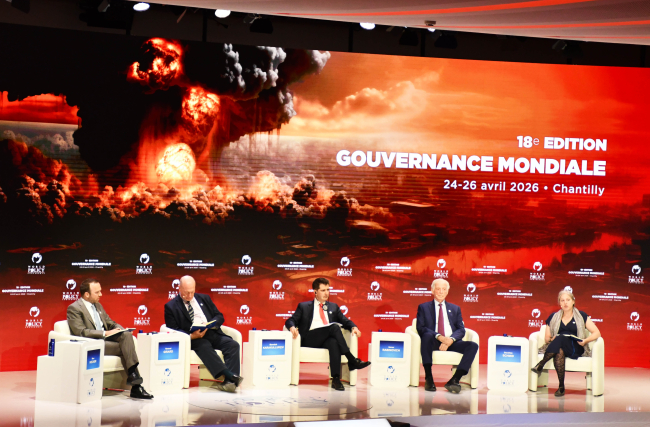
War in the Middle East: Regional Fractures, Global Shockwaves, and the End of the Old Order
Panel from the World Policy Conference 2026, organized by Thierry de Montbrial and Ifri, from April 24 to 26, 2026.
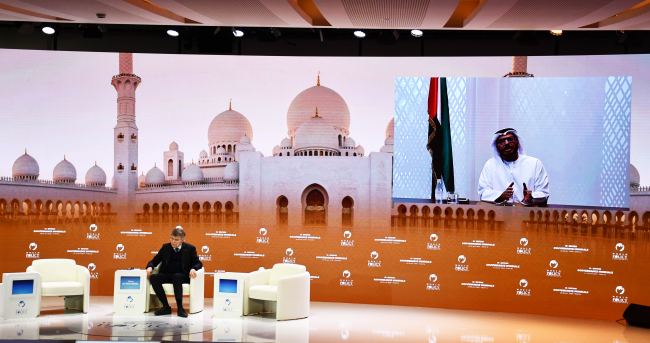
A conversation with Anwar Gargash, Diplomatic Advisor to the President of the United Arab Emirates
In an exceptional debate with Thierry de Montbrial, Anwar Gargash, Diplomatic Advisor to the President of the United Arab Emirates shares his perspective on the ongoing war with Iran in the Middle East.

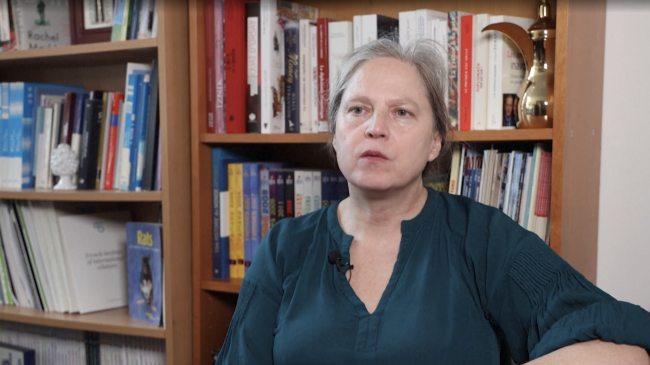
US hosts rare Israel-Lebanon talks, progress unclear
Israel and Lebanon agreed to direct negotiations following talks in Washington on Tuesday.
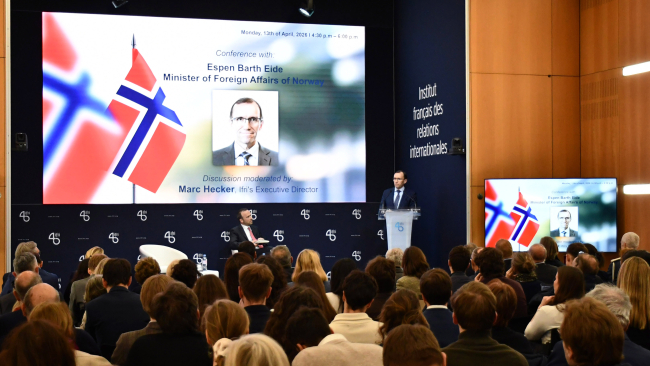
Replay - Conference with Espen Barth Eide, Minister of Foreign Affairs of Norway
Since the invasion of Ukraine by Russia in 2022, Norway has become the European Union’s leading supplier of gas. This position could be further strengthened given the ongoing war in the Middle East.
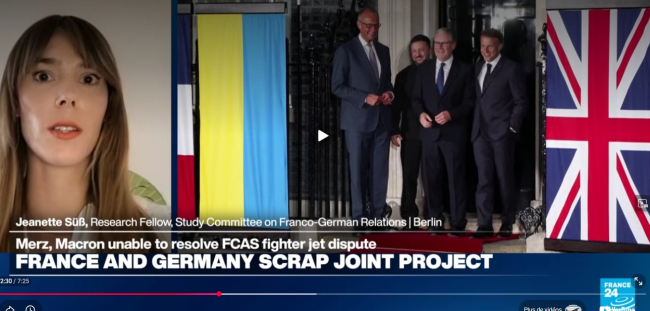
FCAS project failure: 'France, Germany characterised by totally different strategic cultures'
France and Germany said on Monday they had agreed to abandon a joint fighter jet programme due to disagreements between the companies involved, in a blow to European efforts to boost defence cooperation.
Poking the bear? Armenia welcomes European leaders in Russia's backyard
Just as Europe frets over fresh Trump tariffs, a US troop drawdown announced for Germany and the message it sends to a hostile Russia, how about not one but two summits in former Soviet state Armenia. Before a first-ever gathering of EU leaders in Yerevan on Tuesday comes the European Political Community: a talk shop with regional players which also include Ukraine and NATO heavyweights like the UK, Norway and an outside guest who shares superpower proximity problems.
Replay - The United States and Europe Adrift: Transatlantic Security in the Trump Era
Against an international backdrop marked by the war in Ukraine, Russia’s emergence as a lasting threat to Europe, and an uncertain U.S. commitment to the Old Continent, questions about the future of the transatlantic relationship are mounting.
War in the Middle East: Regional Fractures, Global Shockwaves, and the End of the Old Order
Panel from the World Policy Conference 2026, organized by Thierry de Montbrial and Ifri, from April 24 to 26, 2026.
Conversation with Nabil Fahmy, designated Secretary General of the Arab League - WPC 2026
Conversation with Nabil Fahmy, designated Secretary General of the Arab League, chaired by Thierry de Montbrial, Founder and Executive Chairman of Ifri and the World Policy Conference.
A conversation with Anwar Gargash, Diplomatic Advisor to the President of the United Arab Emirates
In an exceptional debate with Thierry de Montbrial, Anwar Gargash, Diplomatic Advisor to the President of the United Arab Emirates shares his perspective on the ongoing war with Iran in the Middle East.
US hosts rare Israel-Lebanon talks, progress unclear
Israel and Lebanon agreed to direct negotiations following talks in Washington on Tuesday.
Replay - Conference with Espen Barth Eide, Minister of Foreign Affairs of Norway
Since the invasion of Ukraine by Russia in 2022, Norway has become the European Union’s leading supplier of gas. This position could be further strengthened given the ongoing war in the Middle East.
Both sides of the Atlantic | Warsaw European Conversation 2026
This episode discusses the future of transatlantic relations and the evolution of security policy on both sides of the Atlantic. It examines France’s strategic stance and the implications of potential leadership change. It also looks at the dynamics of U.S. domestic politics – the role of political parties and civil society in curbing Donald Trump’s power, and the significance of the midterm elections. It considers what these processes mean for Europe, especially in the context of Article 5. Joining Marta Prochwicz-Jazowska, Deputy Head of the ECFR Warsaw office, in the discussion will be Thomas Gomart, director of the French Institute of International Relations, and Amanda Sloat, professor at the School of Politics, Economics, and Global Affairs at IE University.
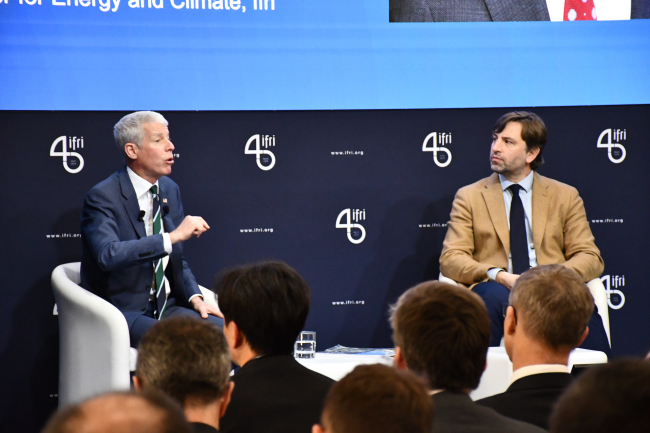
Replay - Conference with Chris Wright, Secretary, U.S. Department of Energy
Welcomed at the French Institute of International Relations (Ifri), Chris Wright outlined his vision of American energy policy built around two core axes: the human reality of energy access, and a data-driven approach. For the Secretary, energy is the foundation of prosperity, health, and longer life expectancy on a global scale. His doctrine rests on an ambition of American "energy dominance" — not merely independence, but the capacity to produce at scale in order to lower domestic costs, reindustrialize the country, and support U.S. allies.
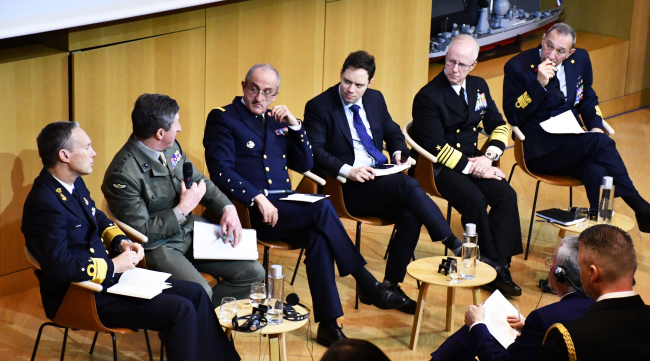
Build and Maintain Air-Sea Superiority in a Contested Operational Environment – CNP 26
An exceptional opening roundtable at the 2026 Paris Naval Conference, bringing together the Chiefs of Naval Staff of the French, U.S., British, Italian and Dutch navies.
Replay - Navigating the Taiwan Strait Tensions: Perspectives from Japan, the Philippines, and France
Conference Replay - As tensions continue to rise in the Taiwan Strait and discussions grow about hybrid frictions potentially escalating into a kinetic conflict in the coming years, neighboring countries are bracing for impact. Japan and the Philippines would be on the front lines if a crisis were to erupt in the Taiwan Strait.
Replay - Conference with Badr Abdelatty, Minister of Foreign Affairs of Egypt
Invited to Ifri on October 2, 2025, Egypt’s Minister of Foreign Affairs, Badr Abdelatty, highlighted Egypt’s doctrine of “strategic balance,” which is based on non-alignment and non-interference, while maintaining strong relations with major global powers such as the United States, Russia, and China.
Replay - France-Ukraine Forum 2025
Replay of the France-Ukraine Forum 2025. - Three years after the start of Russia's full-scale war against Ukraine, the France-Ukraine 2025 Forum will welcome politicians, experts, academics, and civil society representatives from both countries to discuss three main topics: Ukraine's current military strategy and strategic perspectives; the country's resilience and recovery; Ukraine's European and transatlantic perspectives, including the EU accession process and its aspirations to join NATO.

The European Pillar of Security
Leo Litra and Lesia Ogryzko are joined by Élie Tenenbaum and Oleksandr Sushko to discuss June’s NATO summit—and what Europe’s security step up means for Ukraine.
Addressing the Threat of Terrorism | NATO Public Forum 2025
NATO Public Forum 2025 LIVE | Day 1, 24 June 2025. Terrorism, instability and regional fragility continue to pose urgent challenges across the Middle East, North Africa, and the Sahel with direct implications for Allied security. How can NATO partnerships in its southern neighbourhood address the intertwined security, demographic and economic drivers behind this challenge? How to respond to the growing relevance of cyber terrorism and hybrid conflict?

France, Turkey, and Shifting Balance - Léo Péria-Peigné
The interview explores France’s withdrawal from Africa, its strategic pivot to NATO’s eastern flank, and the complex dynamics with Turkey. It also touches on Europe’s military dilemmas, the growing strength of Turkey’s defense industry, and the limits of French influence in the Middle East. A clear-eyed look at where Europe stands—and where it may be heading.
2nd Maritime Security Conference: Threats to Maritime Trade and Maritime Infrastructure
Guillaume Furgolle, military fellow at the Defense Research Unit of the Security Studies Center at Ifri, participated in the 2nd Maritime Security Conference held on April 2, 2025. The topic of the conference was "threats to maritime trade and maritime infrastructure". Guillaume Furgolle spoke about the French vision of maritime security.
Replay - European Security: Perspectives from Latvia. Debate with the Minister of Defense of the Republic of Latvia, Andris Sprūds
How should European security be approached in the face of the challenges posed by the war in Ukraine? Replay of the conference European Security: Perspectives From Latvia. Debate with the Minister of Defense of the Republic of Latvia, Andris Sprūds.
Arctic: A New Era of Geopolitical Tensions? The Alert from the Norwegian Intelligence Director
An interview with Nils-Andreas Stensønes, Director of the Norwegian Intelligence Service, conducted by Daphné Benoit, Head of international affairs, AFP, on the occasion of Ifri's conference "New geopolitical realities of the Arctic", 19 March 2025.
Ifri, a foundation recognized as being of public utility, relies largely on private donors – companies and individuals – to guarantee its sustainability and intellectual independence. Through their funding, donors help maintain the Institute's position among the world's leading think tanks. By benefiting from an internationally recognized network and expertise, donors refine their understanding of geopolitical risk and its consequences on global politics and the economy. In 2026, Ifri partners with over 90 French and international companies and organizations.


France opens Space Command to Japanese officer as ties deepen under new road map — "A key aim [of France-Japan defense cooperation] is to reduce critical vulnerabilities as well as to strengthen sovereign capabilities and reduce reliance on U.S.-provided data. New opportunities are emerging in advanced technologies, including AI-enabled systems, autonomous platforms and space applications."

quoted by Gabriel Dominguez in the Japan Times

"There's a difference between what our allies expect and what France is prepared to offer," said Héloïse Fayet, head of the deterrence and proliferation program at the French Institute for International Relations.

quoted by Noémie Bisserbe for The Wall Street Journal
It’s difficult to assess the consequences of the strikes on the nuclear program itself and the facilities, as we are still waiting for independent analyses of the satellite imagery.
quoted in the Bulletin of the Atomic Scientists
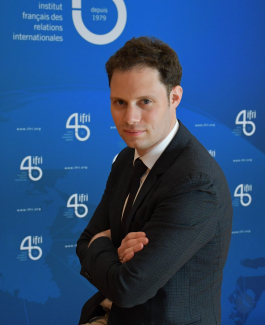
quoted by Leila Abboud in the Financial Times

I see some degree of — I don’t want to say panic — but really alarmed Europeans who realize they need to stick together as much as possible.
If the Europeans want to step up and make up for the loss of American aid to Ukraine, it needs to happen now, they need to put the money on the table; they need to pass on the orders to the defense industry.
Europe is lacking ammunition, we’re lacking replacement parts, we’re lacking readiness.
quoted by Lisa Bryant for Voice of America.

Merz's statement now needs to be followed up in the long term at political level, on both the French and German sides. It's been on the table for five years, and if we don't talk about it now, when Europe is in danger, we'll never talk about it.
cited by Politico.
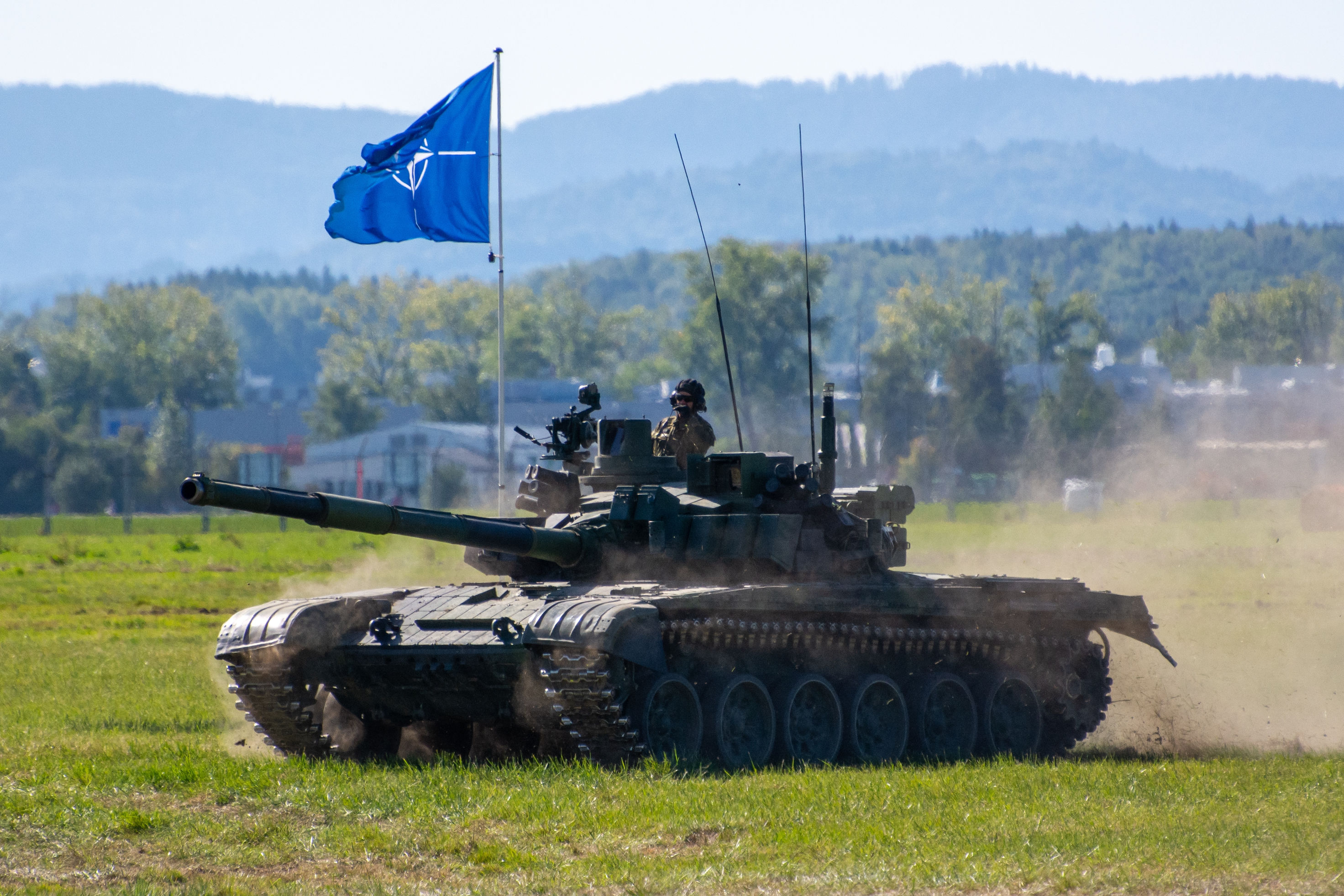
The European & Transatlantic Security Program aims to contribute to the strategic debate by developing analyses around three main axes: European defense and the security architecture of the European continent, institutional and strategic links between the Treaty Organization of North Atlantic (NATO) and the European Union (EU), as well as the evolution of the transatlantic relationship.
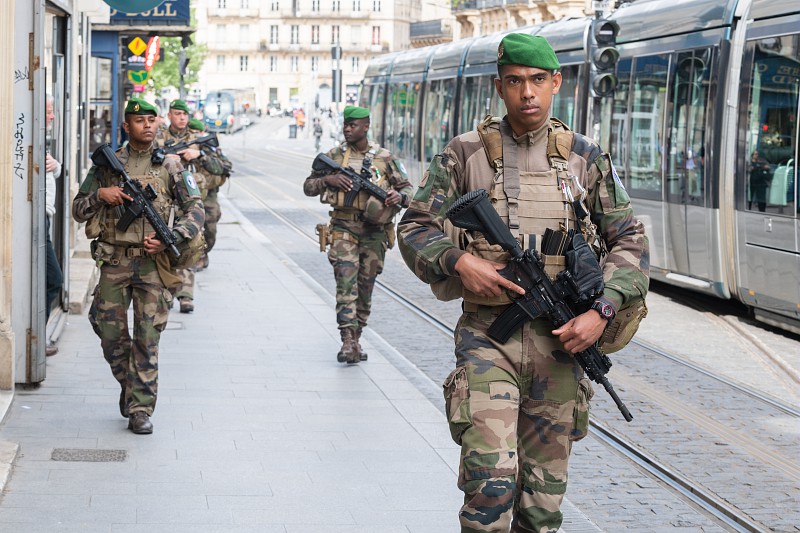
The distinction between internal and external threats is often exaggerated, as the borders are so porous. Conflicts taking place thousands of kilometers from France can have tragic resonances on national territory. Radicalization, terrorism and even organized crime have an international dimension that cannot be ignored.
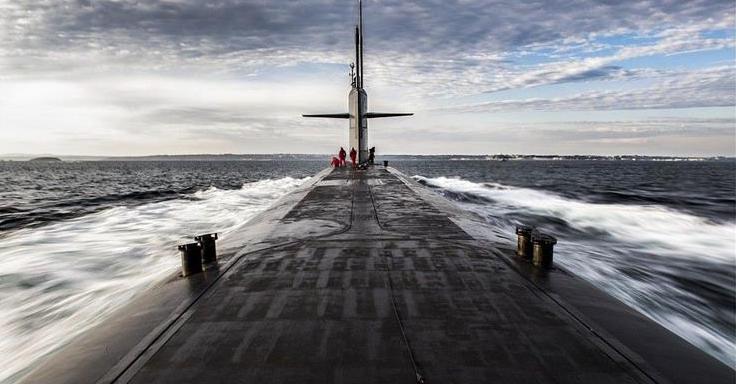
The conflicts in Europe, Asia and the Middle East demonstrate a return of nuclear power to the balance of power. Arsenals are being modernized and expanded, while arms control is collapsing. This research program aims to analyze these phenomena.
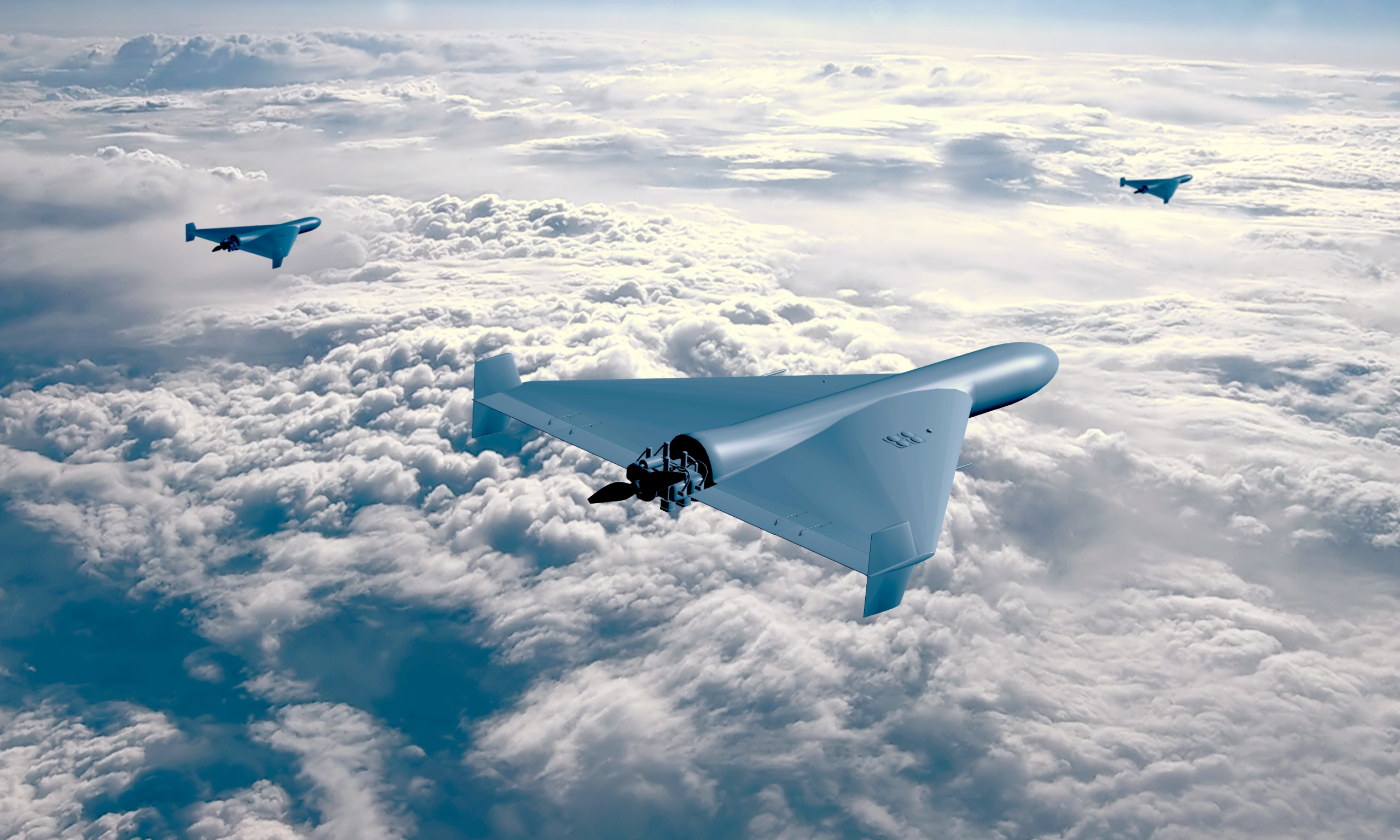
The Observatory of Future Conflicts is a research program carried out by the French Institute of International Relations and the Foundation for Strategic Research on behalf of the three army headquarters aimed at studying developments in tensions and armaments at the horizon 2040 in a transversal perspective, taking into account the issues of each army.
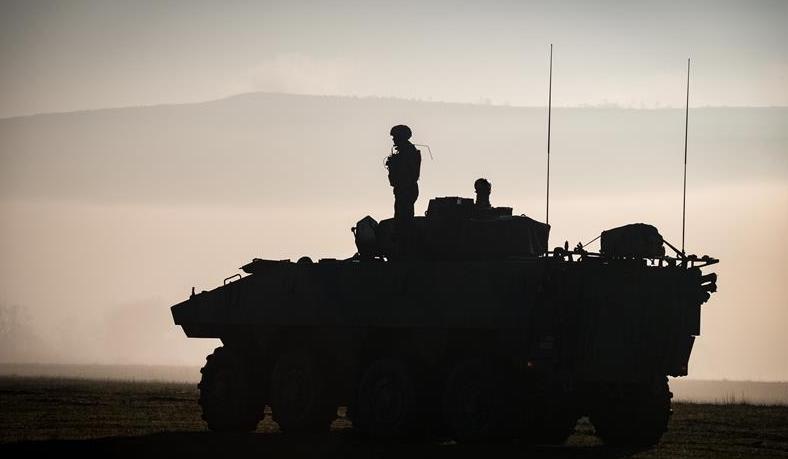
Heir to a tradition dating back to the founding of Ifri, the Security Studies Center provides public and private decision-makers as well as the general public with the keys to understanding power relations and contemporary modes of conflict as well as those to come. Through its positioning at the juncture of politics and operations, the credibility of its civil-military team and the wide distribution of its publications in French and English, the Center for Security Studies constitutes in the French landscape of think tanks a unique center of research and influence on the national and international defense debate.
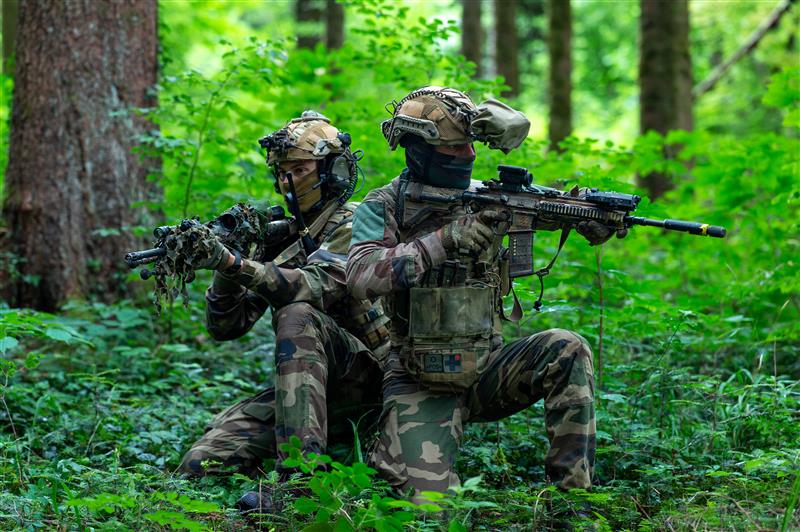
The Defense Research Unit is a program that aims at stimulating the strategic debate by dealing with subjects at the junction of the “technico-operational” and the “political-strategic”. A unique structure in France, it brings together civilian researchers and “military fellows” from each of the three armies to produce work on defense policies, the capability and strategic adaptation of armies, and foresight on tomorrow's conflicts.