




Energy-Climate
In the face of the climate emergency and geopolitical confrontations, how can we reconcile security of supply, competitiveness, accessibility, decarbonization and acceptability? What policies are needed?
Related Subjects
The US’s Critical Mineral Offensive Strategy: How Can Europe Step Up?
As Organization for Economic Co-operation and Development (OECD) economies are confronted with mounting threats to critical raw materials (CRM) supplies, resolute interventionist policies are needed to build resilient value chains.
The Europeanisation of the Energy Transition in Central and Eastern EU Countries: An Uphill Battle that Can Be Won
Russia’s war in Ukraine, and the brutal decoupling from Russian fossil fuels, is a game changer for the Central and Eastern Europe region which was still heavily dependent on Russia for its energy supply.
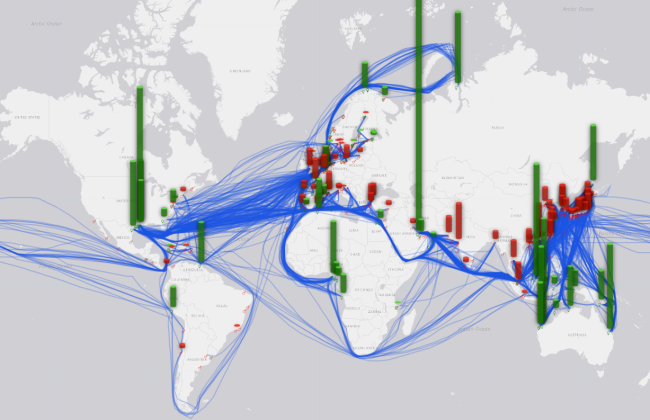
The Strategic Repositioning of LNG: Implications for Key Trade Routes and Choke Points
2022 saw the climax so far of the weaponization of energy. Following its geopolitical demise, Russia has undertaken its own gas amputation, moving from a super energy power status to a diminished role with uncertain prospects and only hard options left.


Iranian lithium deposits: EU can ‘easily’ do without, experts say
The Iranian government claimed last week it had found a new deposit of lithium in the Hamedan province, worth 10% of all global lithium resources, but experts say this marks no shift in EU-Iran diplomatic ties.

G20 Energy Transitions and Climate Finance Task Force Report
India is at the helm of the G20 presidency since the 1st of December 2022 for the duration of a year, with energy transition and climate finance being key topics on its agenda. In this context, the Gateway House put in place a G20 Energy Task Force to which Ifri’s Research Fellow, Diana-Paula Gherasim, participated.
Higher Renewable Energy Targets in Germany: How Will the Industry Benefit?
“Deutschland – Einstieg in die Deindustrialisierung?” – “Germany, the beginning of deindustrialisation?” asked the German economic newspaper Handelsblatt in the context of the spike in energy prices that has put at risk thousands of companies across Germany in 2022. Whereas some sectors such as steel, glass and chemicals have been seriously hit, the manufacturing industries operating in the areas linked to the energy transition (such as renewable energies and hydrogen production) should benefit from decisions taken to reach climate neutrality.
The German Government's Support Plan for Households and Businesses: How to Compensate for the Double Energy and Economic Shock?
In response to Russia's illegal attack on Ukraine, EU member states have issued a series of economic sanctions against Russia. This also includes moratoria on certain products, e.g., in the energy sector.
Strengthening the Dynamics of Renewable Electricity in Europe
We have made considerable progress in twelve years and the new European Union targets change the scale of renewables, facilitating the electrification of uses. Renewable energies must be pushed to the maximum regardless the future of nuclear power generation.
The European Green Deal Three Years On: Acceleration, Erosion, Fragmentation?
The European Green Deal (EGD) is the single most defining policy initiative of the von der Leyen Commission. Since its publication in December 2019, it has become the European Union’s (EU) new raison d’être: protecting the planet and Europeans from environmental degradation, through a holistic approach to the energy transition, while promoting sustainable growth and a just transition with no social group or territory left behind.
European Green Deal, Three Years Later
The European Green Deal (EGD) is the single most defining policy initiative of the Von der Leyen Commission. Since its publication in December 2019, it has become the European Union’s (EU) new raison d’être.

COP27: Will Egypt Bring New Life to Climate Conferences?
The COP26, held at the end of 2021 in Glasgow, was emphatically heralded as “the last best hope for the world to get its act together”.

More than Reforming the Markets, Electricity Tariff Reform Can Be Helpfull in Adressing High Prices
In an article published in "Le Monde ", energy economist Cédric Philibert recommends a progressive and real-time pricing system, which would preserve the incentive effects that would be eliminated by the abolition of the single European market.

Winter is coming: How to shield the most vulnerable and preserve the consensus on the war
Some of Europe’s poorest countries and communities would be hardest hit by disruptions of Russian energy supplies. With a difficult winter ahead, Europe’s ability to redistribute costs equitably and to shield the most vulnerable will determine whether it can preserve social cohesion and the consensus on the war in Ukraine.
The EU’s Power System by 2030: Navigating the Crisis and Keeping the Decarbonization Cap (video)
Replay from Ifri's conference at the European Parliament in Brussels (October 11, 2022). The combination of the climate crisis and Russia’s war in Ukraine makes the case for a much faster transition to a fully decarbonized power system.

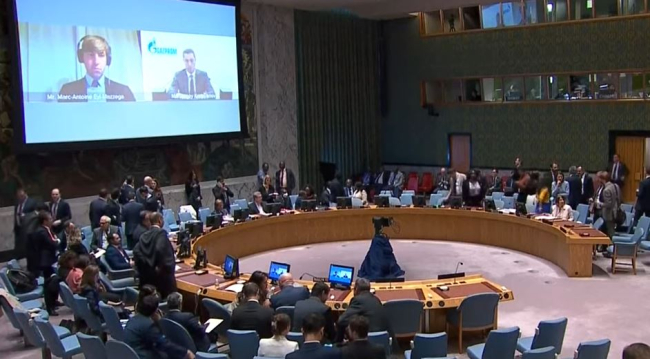
U.N. Security Council meets on Nord Stream at Russia's request
Remarks by Marc-Antoine Eyl-Mazzega, director of Ifri's Center for Energy & Climate, on the occasion of the meeting of the U.N. Security Council on Nord Stream at Russia's request, on September 30, 2022.
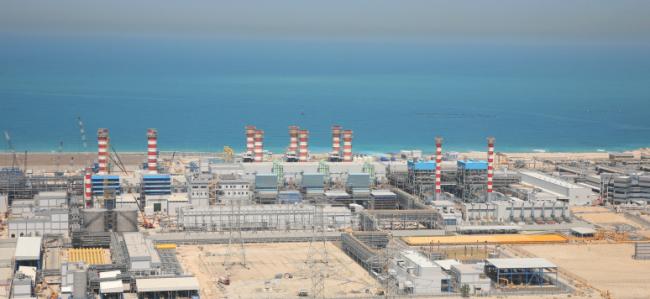
The Geopolitics of Seawater Desalination
Water desalination is gradually emerging as the leading solution to cope with increasing water stress: i.e., the imbalance between water demand and quantities available. The United Nations estimates that by 2025, two-thirds of the world’s population will be affected by such challenges. The causes of water scarcity are multiple, including climate change, intensive agriculture, and population growth. This requires states to rethink their water policies, which are central to preserving their stability, resilience and sovereignty.
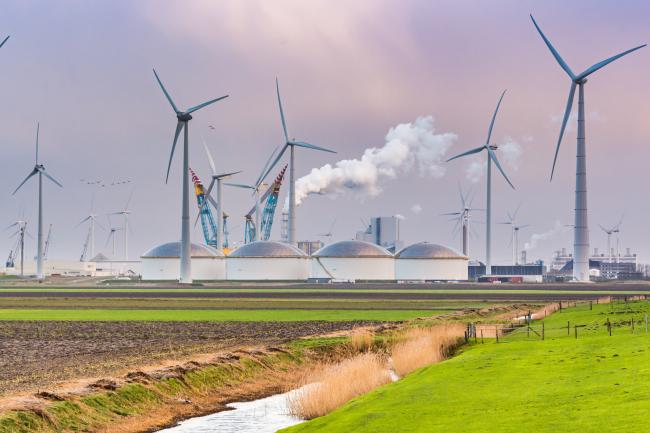
Redefining the Netherlands' Energy Future : Societal Implications of the Nearing End of Dutch Natural Gas
For decades, the large Groningen gas field has been a central pillar of the Dutch welfare state. The availability of gas was so self-evident that many generations still identify with the slogan “Nederland gasland” (“The Netherlands, a gas country”). The nearing end of Dutch gas now requires a mentality shift.
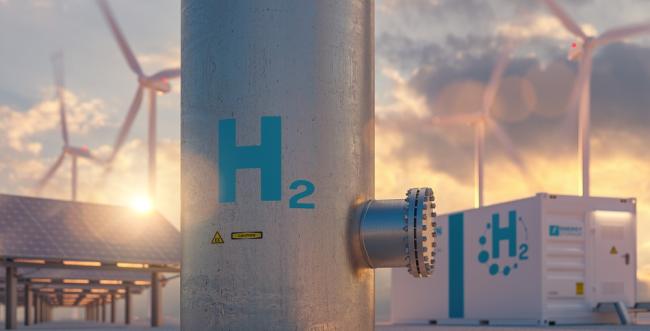
A Guide to Solve EU’s Hydrogen Dilemmas
Facing multiple crises, the European Commission (EC), backed by European Union (EU) Member States, has embarked on a pathway to accelerate the decarbonization of the EU energy system, while fostering its resilience and accelerating the roll out of hydrogen and derivative by-products.
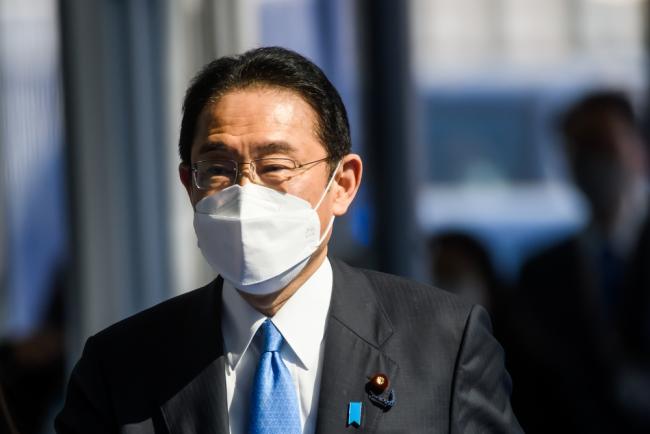
Japan’s Africa policy: Back to basics in times of crisis
Addressing remotely the 8th Japan-Africa TICAD Summit held in Tunis between August 27th and 28th, Japanese Prime Minister Fumio Kishida pledged $30 billion in public and private contributions to the African continent over the course of the next three years. This is a quite a remarkable move, as no specific amount was mentioned by the late Prime Minister, Shinzō Abe, at the previous TICAD 7 in 2019. By doing so, Japan aims at demonstrating that its commitment to Africa is solid and sustainable: its traditional approach towards a human-centered development is more relevant than ever in these times of crisis (between the pandemic, the war in Ukraine, and the adverse effects of climate change), and clearly marks a difference from China’s practices.
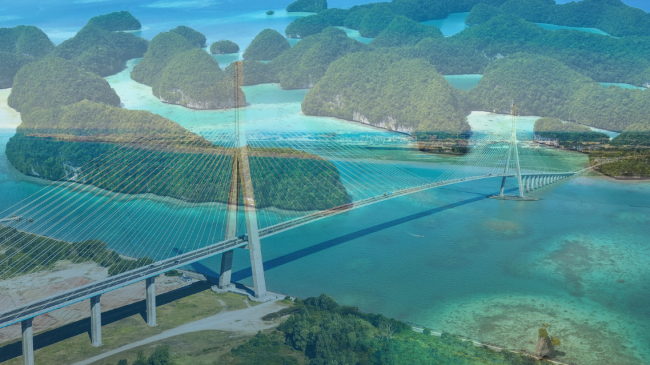
Building Bridges over the Blue Pacific. Beyond Marine Protected Areas – A Europe-Oceania Cooperation
The “new scramble for the Pacific” is characterized by a race for the control of maritime space and resources, oscillating between ocean grabbing and ocean commoning.

EDF’s problems pile up as full nationalisation looms
French supplier of nuclear energy is struggling with plant shutdowns, build problems and skills shortages.

Can carbon markets make a breakthrough at COP29?
Voluntary carbon markets (VCMs) have a strong potential, notably to help bridge the climate finance gap, especially for Africa.
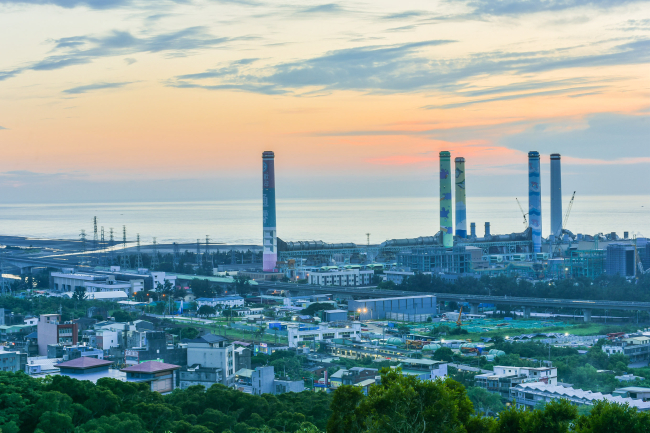
Taiwan's Energy Supply: The Achilles Heel of National Security
Making Taiwan a “dead island” through “a blockade” and “disruption of energy supplies” leading to an “economic collapse.” This is how Colonel Zhang Chi of the People’s Liberation Army and professor at the National Defense University in Beijing described the objective of the Chinese military exercises in May 2024, following the inauguration of Taiwan’s new president, Lai Ching-te. Similar to the exercises that took place after Nancy Pelosi’s visit to Taipei in August 2022, China designated exercise zones facing Taiwan’s main ports, effectively simulating a military embargo on Taiwan. These maneuvers illustrate Beijing’s growing pressure on the island, which it aims to conquer, and push Taiwan to question its resilience capacity.
India’s Broken Power Economics : Addressing DISCOM Challenges
India’s electricity demand is rising at an impressive annual rate of 9%. From 2014 to 2023, the country’s gross domestic product (GDP) surged from 1.95 trillion dollars ($) to $3.2 trillion (constant 2015 US$), and the nation is poised to maintain this upward trajectory, with projected growth rates exceeding 7% in 2024 and 2025. Correspondingly, peak power demand has soared from 136 gigawatts (GW) in 2014 to 243 GW in 2024, positioning India as the world’s third-largest energy consumer. In the past decade, the country has increased its power generation capacity by a remarkable 190 GW, pushing its total installed capacity beyond 400 GW.
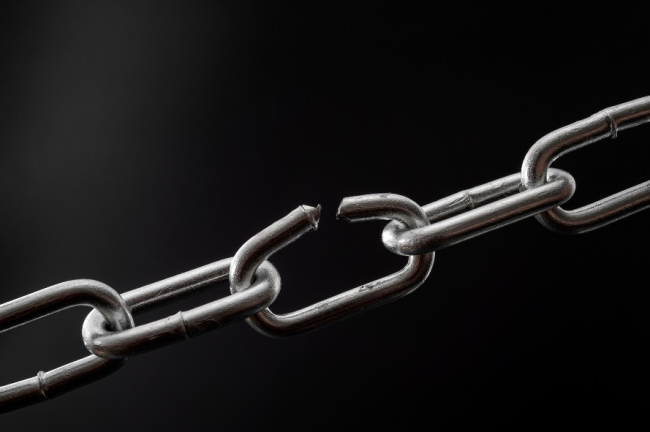
The Troubled Reorganization of Critical Raw Materials Value Chains: An Assessment of European De-risking Policies
With the demand for critical raw materials set to, at a minimum, double by 2030 in the context of the current energy transition policies, the concentration of critical raw materials (CRM) supplies and, even more, of refining capacities in a handful of countries has become one of the paramount issues in international, bilateral and national discussions. China’s dominant position and successive export controls on critical raw materials (lately, germanium, gallium, rare earths processing technology, graphite, antimony) point to a trend of weaponizing critical dependencies.
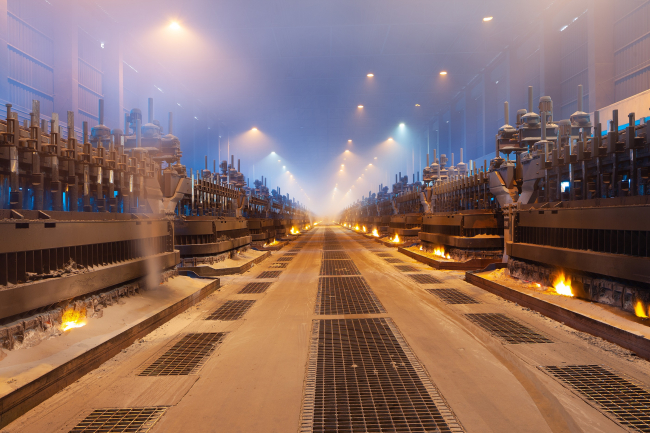
The Aluminum Value Chain: A Key Component of Europe’s Strategic Autonomy and Carbon Neutrality
The United States of America (US), Canada and the European Union (EU) all now consider aluminum as strategic. This metal is indeed increasingly used, especially for the energy transition, be it for electric vehicles (EVs), electricity grids, wind turbines or solar panels.
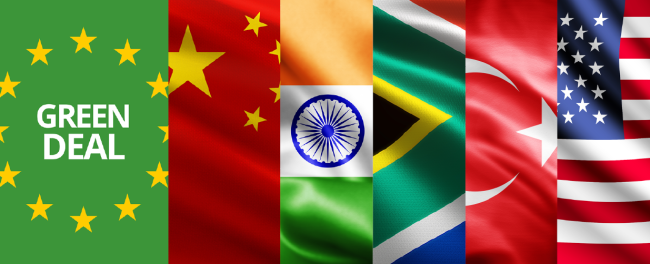
The EU Green Deal External Impacts: Views from China, India, South Africa, Türkiye and the United States
Ahead of June 2024 European elections and against the backdrop of growing geopolitical and geoeconomic frictions, if not tensions, between the EU and some of its largest trade partners, not least based on the external impacts of the European Green Deal (EGD), Ifri chose to collect views and analyses from leading experts from China, India, South Africa, Türkiye and the United States of America (US) on how they assess bilateral relations in the field of energy and climate, and what issues and opportunities they envisage going forward.

Critical Raw Materials: What Chinese Dependencies, What European Strengths?
In adapting to growing geopolitical competition over digital technology, the EU and the UK are striving for economic security and technological sovereignty. European policies focus on reducing critical over-dependencies on China. This de-risking is a necessary process of adaptation to the new geopolitical realities.
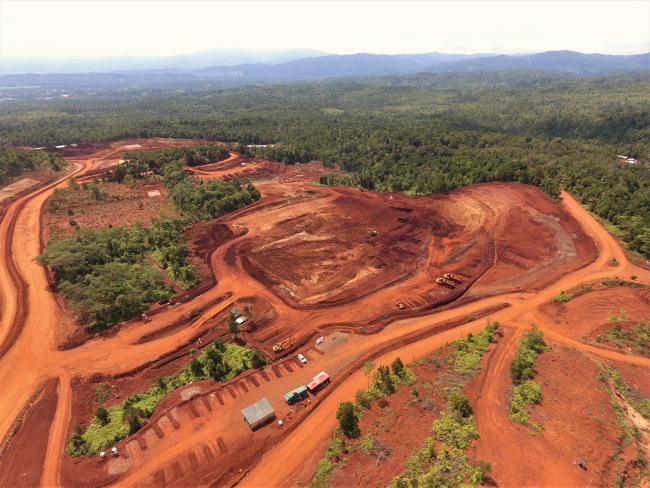
The Prospects of Indonesia’s Nickel Boom Amidst a Systemic Challenge from Coal
Indonesia is a country that is booming economically and demographically. This not only matters for regional, political, and energy security, but also increasingly, for the world’s energy transitions, due to Indonesia’s large metal reserves, as well as its equally important coal consumption in industry and for power generation.
Over the last 20 years, Indonesia’s economy has been characterized by very dynamic growth, massive increases in its electricity demand, and coal consumption and exports. Hence, its greenhouse gas (GHG) emissions are on a steady growth trajectory, although the country has committed to lowering them by 32% (unconditional) or 41% (conditional) by 2030.
With its Organization for Economic Cooperation and Development (OECD) membership application, occurring in the context of global energy transition requirements and geopolitical confrontations, Indonesia is today at a crossroads.
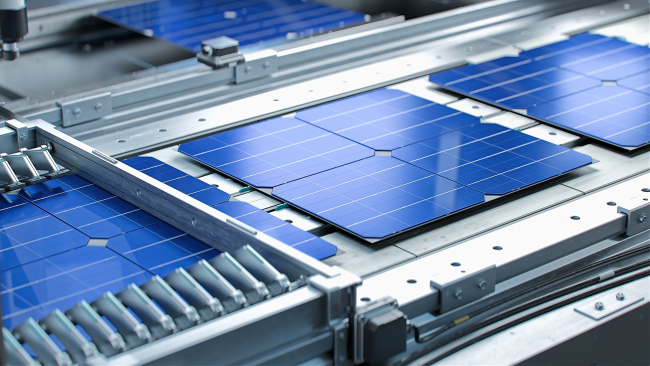
European Solar PV Manufacturing: Terminal Decline or Hope for a Rebirth?
While solar photovoltaic (PV) installations are booming in Europe (and in other parts of the world), the local industry is closing down. Over the past two years, the European installed solar PV capacity has been multiplied by two. On the other hand, the remaining European manufacturers of solar PV panels are dying.
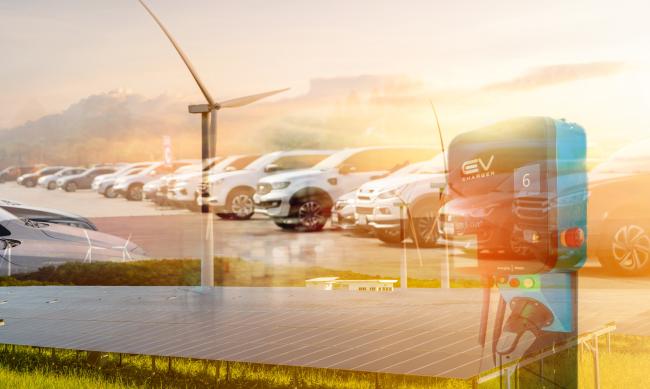
Electric Vehicles: A Strong and Still Understated Performance
Electric vehicles (EVs) are better for the climate – even in worst-case scenarios. Across its life cycle, a typical European electric car produces less greenhouse gas (GHG) and air pollutants or noise than its petrol or diesel equivalent. Emissions are usually higher in the production phase, but these are more than offset over time by lower emissions in the use phase. According to the European Environment Agency’s report on electric vehicles, life cycle GHG emissions of EVs are about 17-30% lower than those of petrol and diesel cars.

US LNG Exports will be Game-Changer: Ifri Report
“US LNG exports will revolutionise international trade in LNG” according to a recently published report from French think-tank, Institut Francais des Relations Internationales (Ifri).
Thanks to their price indexation to the US Henry Hub price, absence of destination clauses, and the projected volumes that will become available, US LNG exports will facilitate greater flexibility on world markets and more price convergence, the report says.
Ifri, a foundation recognized as being of public utility, relies largely on private donors – companies and individuals – to guarantee its sustainability and intellectual independence. Through their funding, donors help maintain the Institute's position among the world's leading think tanks. By benefiting from an internationally recognized network and expertise, donors refine their understanding of geopolitical risk and its consequences on global politics and the economy. In 2026, Ifri partners with over 90 French and international companies and organizations.

Ifri's Energy and Climate Center carries out activities and research on the geopolitical and geoeconomic issues of energy transitions such as energy security, competitiveness, control of value chains, and acceptability. Specialized in the study of European energy/climate policies as well as energy markets in Europe and around the world, its work also focuses on the energy and climate strategies of major powers such as the United States, China or India. It offers recognized expertise, enriched by international collaborations and events, particularly in Paris and Brussels.