


Energy-Climate
In the face of the climate emergency and geopolitical confrontations, how can we reconcile security of supply, competitiveness, accessibility, decarbonization and acceptability? What policies are needed?
Related Subjects
The US’s Critical Mineral Offensive Strategy: How Can Europe Step Up?
As Organization for Economic Co-operation and Development (OECD) economies are confronted with mounting threats to critical raw materials (CRM) supplies, resolute interventionist policies are needed to build resilient value chains.
The EU’s Power System by 2030: Navigating the Crisis and Keeping the Decarbonization Cap (video)
Replay from Ifri's conference at the European Parliament in Brussels (October 11, 2022). The combination of the climate crisis and Russia’s war in Ukraine makes the case for a much faster transition to a fully decarbonized power system.

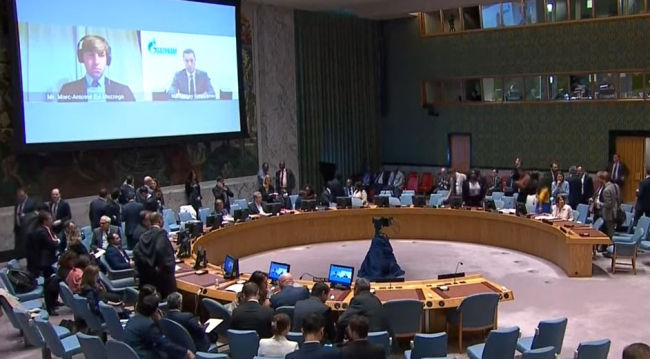
U.N. Security Council meets on Nord Stream at Russia's request
Remarks by Marc-Antoine Eyl-Mazzega, director of Ifri's Center for Energy & Climate, on the occasion of the meeting of the U.N. Security Council on Nord Stream at Russia's request, on September 30, 2022.
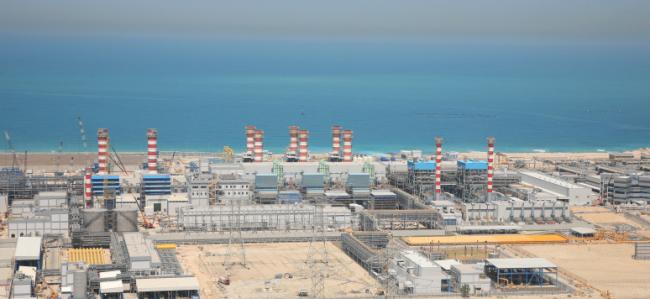
The Geopolitics of Seawater Desalination
Water desalination is gradually emerging as the leading solution to cope with increasing water stress: i.e., the imbalance between water demand and quantities available. The United Nations estimates that by 2025, two-thirds of the world’s population will be affected by such challenges. The causes of water scarcity are multiple, including climate change, intensive agriculture, and population growth. This requires states to rethink their water policies, which are central to preserving their stability, resilience and sovereignty.
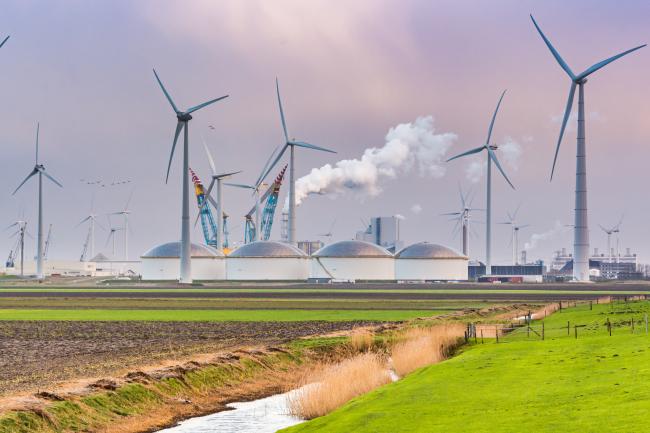
Redefining the Netherlands' Energy Future : Societal Implications of the Nearing End of Dutch Natural Gas
For decades, the large Groningen gas field has been a central pillar of the Dutch welfare state. The availability of gas was so self-evident that many generations still identify with the slogan “Nederland gasland” (“The Netherlands, a gas country”). The nearing end of Dutch gas now requires a mentality shift.
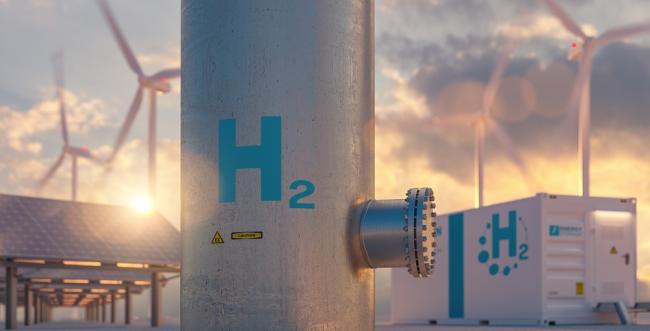
A Guide to Solve EU’s Hydrogen Dilemmas
Facing multiple crises, the European Commission (EC), backed by European Union (EU) Member States, has embarked on a pathway to accelerate the decarbonization of the EU energy system, while fostering its resilience and accelerating the roll out of hydrogen and derivative by-products.
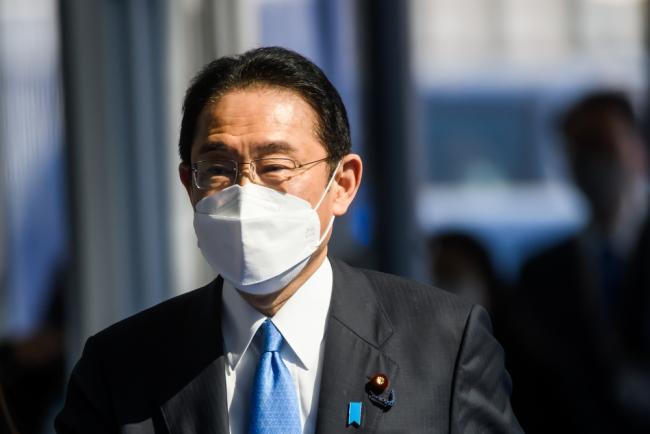
Japan’s Africa policy: Back to basics in times of crisis
Addressing remotely the 8th Japan-Africa TICAD Summit held in Tunis between August 27th and 28th, Japanese Prime Minister Fumio Kishida pledged $30 billion in public and private contributions to the African continent over the course of the next three years. This is a quite a remarkable move, as no specific amount was mentioned by the late Prime Minister, Shinzō Abe, at the previous TICAD 7 in 2019. By doing so, Japan aims at demonstrating that its commitment to Africa is solid and sustainable: its traditional approach towards a human-centered development is more relevant than ever in these times of crisis (between the pandemic, the war in Ukraine, and the adverse effects of climate change), and clearly marks a difference from China’s practices.
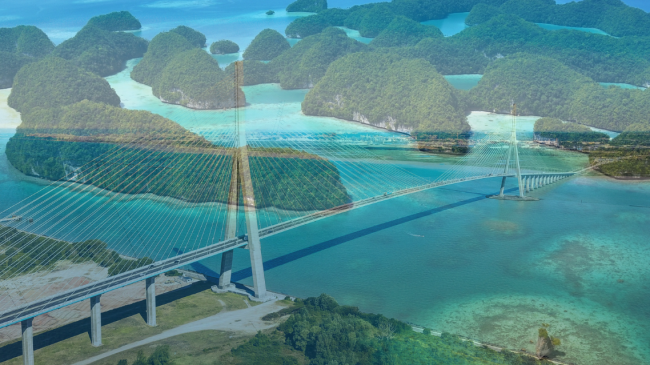
Building Bridges over the Blue Pacific. Beyond Marine Protected Areas – A Europe-Oceania Cooperation
The “new scramble for the Pacific” is characterized by a race for the control of maritime space and resources, oscillating between ocean grabbing and ocean commoning.

EDF’s problems pile up as full nationalisation looms
French supplier of nuclear energy is struggling with plant shutdowns, build problems and skills shortages.
The German Industrial Power in Danger: The Double Shock of Energy Transition and Geopolitical Risk
The German manufacturing industry at the heart of the German economic activity has been confronted in the past years with conjunctural shocks, which question its existence on the German territory: the energy transition which hinders it in the short term to resort to fossile energy from Germany and nuclear energy; a questioning of fossile energy imports from Russia which keeps production sites of fossile energy and nuclear energy in Germany; the currently small capacity of renewable energy to satisfy the important energy needs of the manufacturing industry and the putting into place of alternatives to the importation of energy resources.
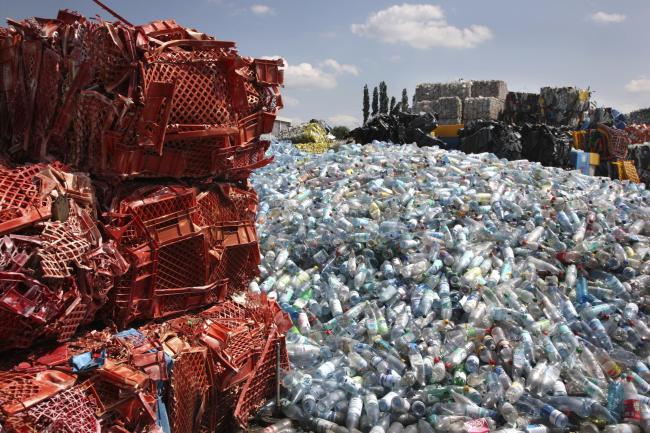
Five Years after China’s Plastic Import Ban: Have Europeans Taken Responsibility?
After the 2017 Chinese waste import ban, the international and European Union (EU) legislative framework on waste exports has been revised.
The Impact of the War in Ukraine on the Energy Sector
The outbreak of war in Ukraine dealt a shock to energy markets.

Moving towards a metallic age: building industry resilience through a strategic storage mechanism for Rare Earth Metals
The decarbonisation of our economies, along with the challenges of strengthening the resilience of industrial value chains, reindustrialisation, notably through low-carbon and digital technologies, and the end of a period of cheap oil and gas, are accelerating the advent of an era of increased dependence on metals in a context of new and growing competition for access to resources.
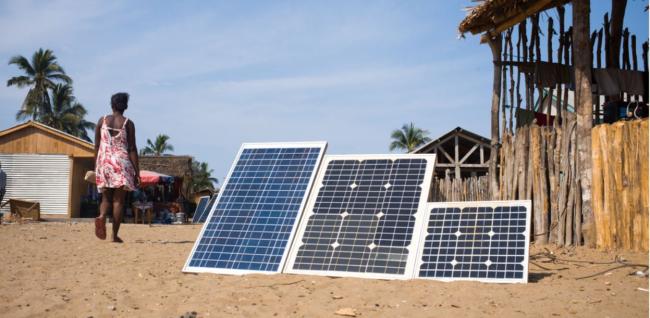
Solar power shines through after a slow start in Africa
The case for the renewable energy source is becoming clearer on the ‘sun continent’
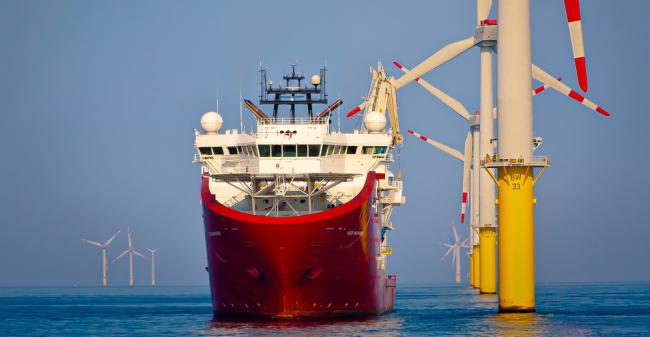
The EU’s Renewables Expansion Challenge Towards 2030: Mobilizing for a Mission Almost Impossible
Only eight years are left to expand by almost three times the current total installed wind and solar energy capacity in the European Union (EU) in adding around 600 gigawatts (GW), and so reach the highly-ambitious 2030 targets. This requires a mobilization whose scale is immense – amidst times of unprecedented crises and uncertainties.


Delhi to Paris: A strategic partnership
Prime Minister Narendra Modi’s visit to France on May 4 is his fifth since 2015, and the 10th such high-level bilateral visit.

Le Pen Puts Fuel-Tax Cut, Wind Crackdown at Heart of Energy Plan
As Europe suffers its worst energy crisis in a generation, French presidential candidate Marine Le Pen is proposing to subsidize consumption while further curtailing supply.

The EU’s Plan to Scale up Renewables by 2030: Implications for the Power System
The climate and geopolitical crises call for speeding up the implementation of the European Green Deal around two main pillars: reducing energy consumption and investing in low-carbon alternatives. The swift and massive deployment of renewable energies (REN) is a major industrial challenge for the European electricity system.
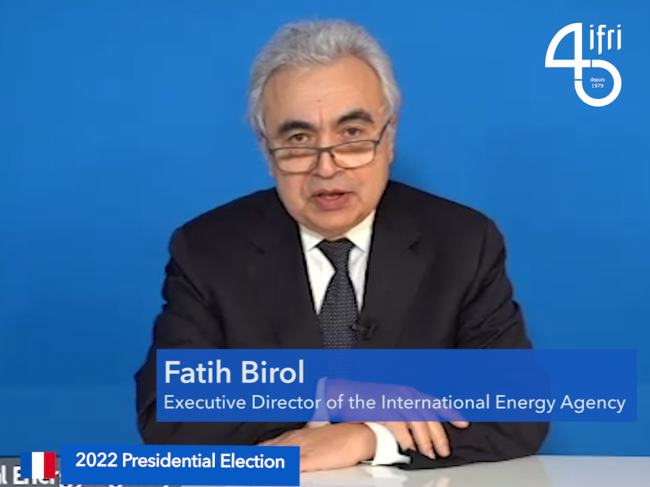
Energy & Climate Policies of France Going Forward
Fatih Birol, Executive Director of the International Energy Agency (IEA), makes 5 key recommendations for the future of French energy & climate policies to foster energy security and achieve climate objectives:
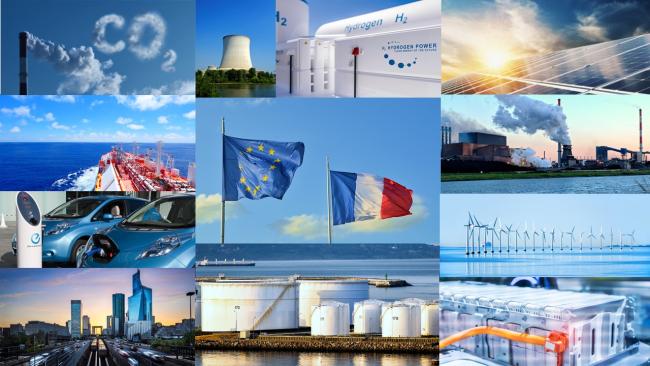
Accelerating the energy transition in France: drawing inspiration from best practice in our European neighbours
The success of energy transition is first and foremost a question of good governance, which must be based on expertise and collective deliberation.
Sino-American Climate Diplomacy
During COP26, Beijing and the Biden administration committed to reviving Sino-American cooperation on climate issues, in the name of their common interest in climate stability.
India’s Broken Power Economics : Addressing DISCOM Challenges
India’s electricity demand is rising at an impressive annual rate of 9%. From 2014 to 2023, the country’s gross domestic product (GDP) surged from 1.95 trillion dollars ($) to $3.2 trillion (constant 2015 US$), and the nation is poised to maintain this upward trajectory, with projected growth rates exceeding 7% in 2024 and 2025. Correspondingly, peak power demand has soared from 136 gigawatts (GW) in 2014 to 243 GW in 2024, positioning India as the world’s third-largest energy consumer. In the past decade, the country has increased its power generation capacity by a remarkable 190 GW, pushing its total installed capacity beyond 400 GW.
The Troubled Reorganization of Critical Raw Materials Value Chains: An Assessment of European De-risking Policies
With the demand for critical raw materials set to, at a minimum, double by 2030 in the context of the current energy transition policies, the concentration of critical raw materials (CRM) supplies and, even more, of refining capacities in a handful of countries has become one of the paramount issues in international, bilateral and national discussions. China’s dominant position and successive export controls on critical raw materials (lately, germanium, gallium, rare earths processing technology, graphite, antimony) point to a trend of weaponizing critical dependencies.
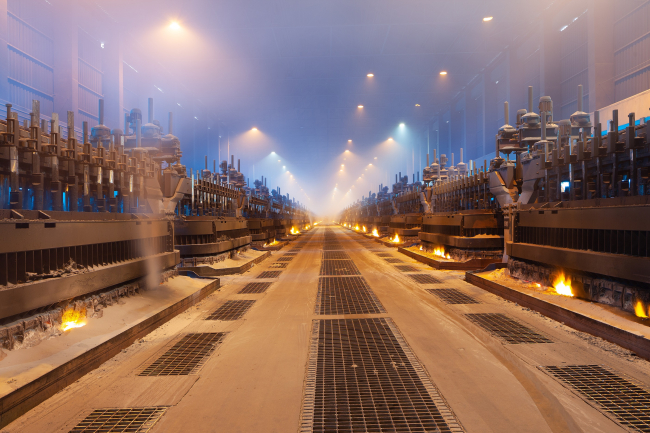
The Aluminum Value Chain: A Key Component of Europe’s Strategic Autonomy and Carbon Neutrality
The United States of America (US), Canada and the European Union (EU) all now consider aluminum as strategic. This metal is indeed increasingly used, especially for the energy transition, be it for electric vehicles (EVs), electricity grids, wind turbines or solar panels.
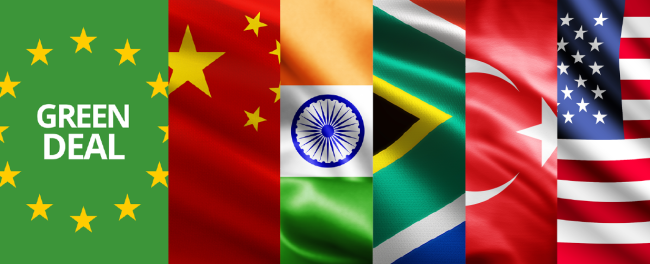
The EU Green Deal External Impacts: Views from China, India, South Africa, Türkiye and the United States
Ahead of June 2024 European elections and against the backdrop of growing geopolitical and geoeconomic frictions, if not tensions, between the EU and some of its largest trade partners, not least based on the external impacts of the European Green Deal (EGD), Ifri chose to collect views and analyses from leading experts from China, India, South Africa, Türkiye and the United States of America (US) on how they assess bilateral relations in the field of energy and climate, and what issues and opportunities they envisage going forward.

Critical Raw Materials: What Chinese Dependencies, What European Strengths?
In adapting to growing geopolitical competition over digital technology, the EU and the UK are striving for economic security and technological sovereignty. European policies focus on reducing critical over-dependencies on China. This de-risking is a necessary process of adaptation to the new geopolitical realities.
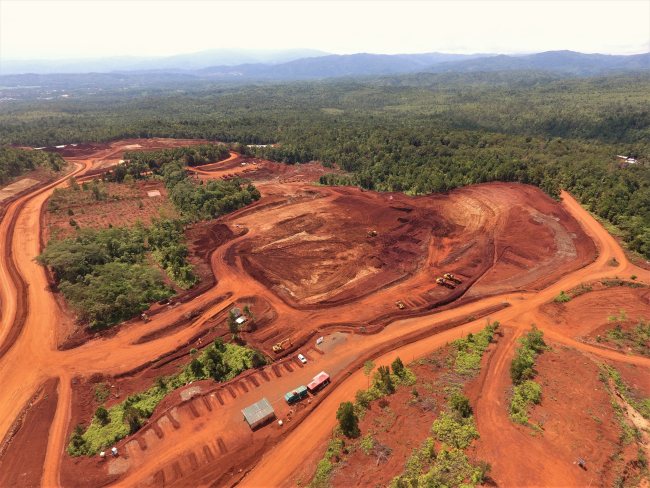
The Prospects of Indonesia’s Nickel Boom Amidst a Systemic Challenge from Coal
Indonesia is a country that is booming economically and demographically. This not only matters for regional, political, and energy security, but also increasingly, for the world’s energy transitions, due to Indonesia’s large metal reserves, as well as its equally important coal consumption in industry and for power generation.
Over the last 20 years, Indonesia’s economy has been characterized by very dynamic growth, massive increases in its electricity demand, and coal consumption and exports. Hence, its greenhouse gas (GHG) emissions are on a steady growth trajectory, although the country has committed to lowering them by 32% (unconditional) or 41% (conditional) by 2030.
With its Organization for Economic Cooperation and Development (OECD) membership application, occurring in the context of global energy transition requirements and geopolitical confrontations, Indonesia is today at a crossroads.
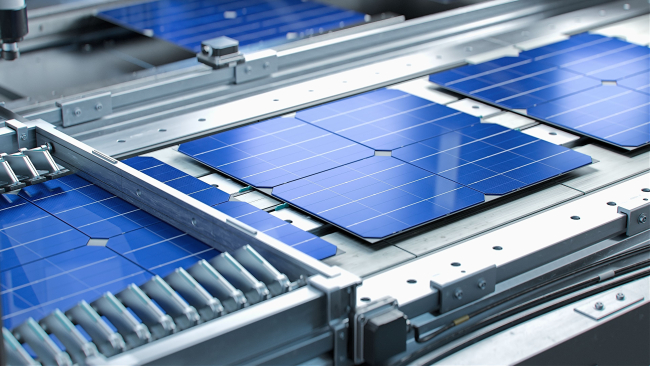
European Solar PV Manufacturing: Terminal Decline or Hope for a Rebirth?
While solar photovoltaic (PV) installations are booming in Europe (and in other parts of the world), the local industry is closing down. Over the past two years, the European installed solar PV capacity has been multiplied by two. On the other hand, the remaining European manufacturers of solar PV panels are dying.
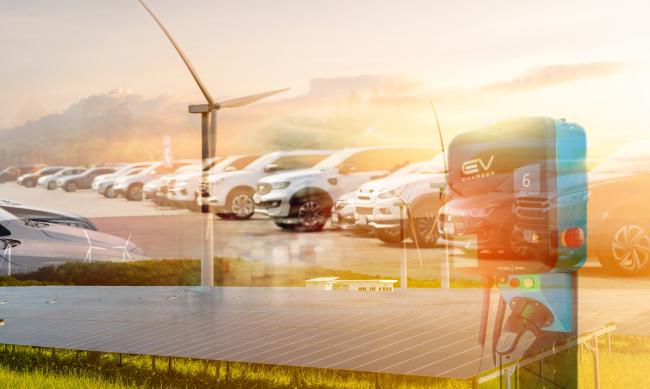
Electric Vehicles: A Strong and Still Understated Performance
Electric vehicles (EVs) are better for the climate – even in worst-case scenarios. Across its life cycle, a typical European electric car produces less greenhouse gas (GHG) and air pollutants or noise than its petrol or diesel equivalent. Emissions are usually higher in the production phase, but these are more than offset over time by lower emissions in the use phase. According to the European Environment Agency’s report on electric vehicles, life cycle GHG emissions of EVs are about 17-30% lower than those of petrol and diesel cars.
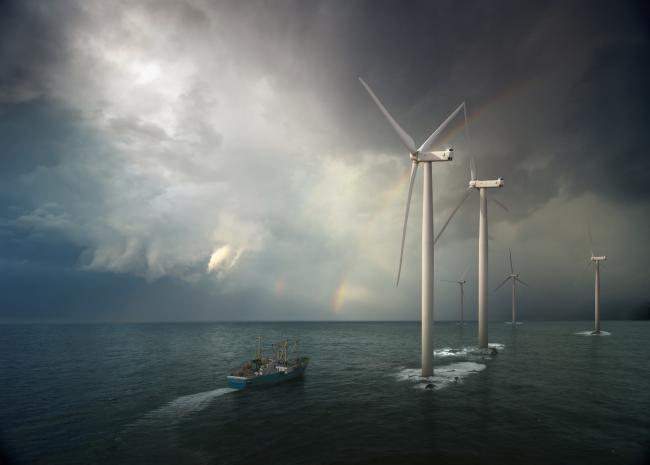
How Can the Green Deal Adapt to a Brutal World?
The European Green Deal has not been planned for the current extraordinarily deteriorated internal and external environment. Russia’s war in Ukraine, higher interest rates, inflation, strained public finances, weakened value chains, and lack of crucial skills pose unprecedented challenges.
COP28: A Tale of Money, Fossil Fuels, and Divisions
“Humanity has opened the gates of hell”, said the UN Secretary General Antonio Guterres during the Climate Ambition Summit, in New York, in September 2023, three months before COP28. The sense of urgency that he conveyed seems shared across the international community.
Ifri, a foundation recognized as being of public utility, relies largely on private donors – companies and individuals – to guarantee its sustainability and intellectual independence. Through their funding, donors help maintain the Institute's position among the world's leading think tanks. By benefiting from an internationally recognized network and expertise, donors refine their understanding of geopolitical risk and its consequences on global politics and the economy. In 2026, Ifri partners with over 90 French and international companies and organizations.

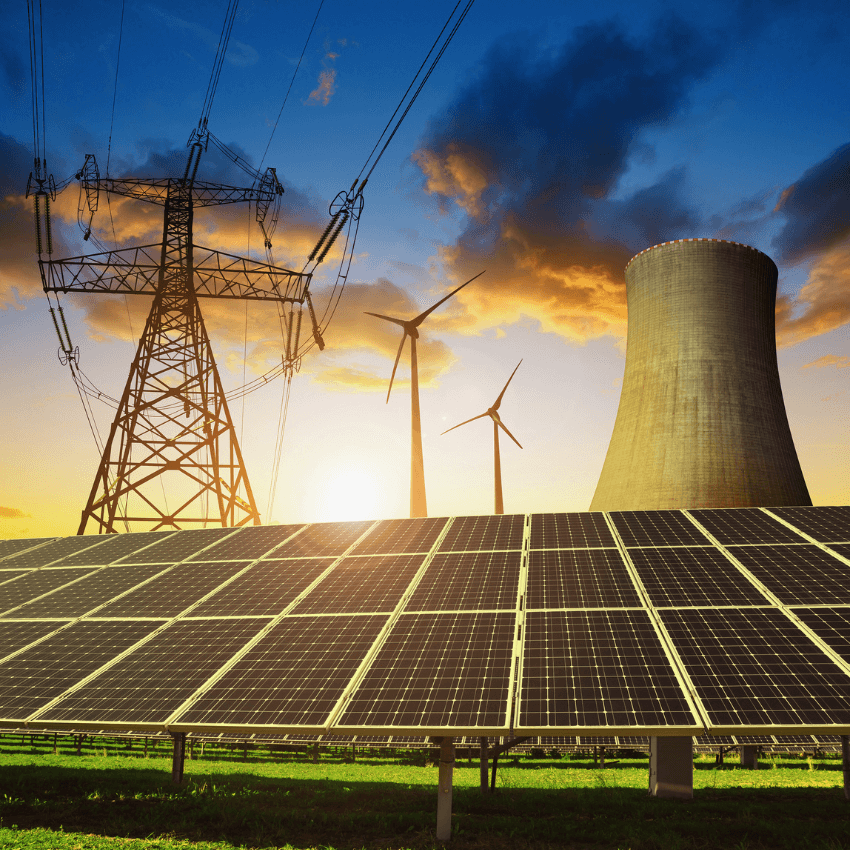
Ifri's Energy and Climate Center carries out activities and research on the geopolitical and geoeconomic issues of energy transitions such as energy security, competitiveness, control of value chains, and acceptability. Specialized in the study of European energy/climate policies as well as energy markets in Europe and around the world, its work also focuses on the energy and climate strategies of major powers such as the United States, China or India. It offers recognized expertise, enriched by international collaborations and events, particularly in Paris and Brussels.