





Security - Defense
As a result of global strategic competition, security and defense issues are marked by the return of major wars and nuclear deterrence, the transformation of terrorism and the race for military technologies.
Related Subjects

Making Sense of Europe’s Southern Neighbourhood: Main Geopolitical and Security Parameters
Europe’s southern neighbourhood is a diverse but interlinked geopolitical ensemble, whose specificities need to be carefully assessed before Europeans devise dedicated security strategies, divide responsibilities and make policy decisions.

Les mutations du renseignement militaire : dissiper le brouillard de la guerre ?
Military intelligence has evolved significantly as a result of advanced technology and the changing character of war.


What Does China's 'New Asian Security Concept' Mean for the US?
A closer look at China’s vision for remaking Asian security, and what the United States can do about it. In October, China hosted the seventh Xiangshan Forum in Beijing, during which Vice Foreign Minister Liu Zhenmin outlined a framework for a regional security architecture to meet the emerging challenges and opportunities of the 21st century.
Beyond national styles. Towards a connected history of Cold War counterinsurgency
This book is a major new study of the extent to which national mentalities, or 'ways of war', are responsible for 'national styles' of insurgency and counterinsurgency
European Security – Challenges at the Societal Level
Relations between Russia and the West have deteriorated dramatically in recent years. The institutional foundations of cooperative security in Europe and the rules and principles they represent are rapidly disappearing.
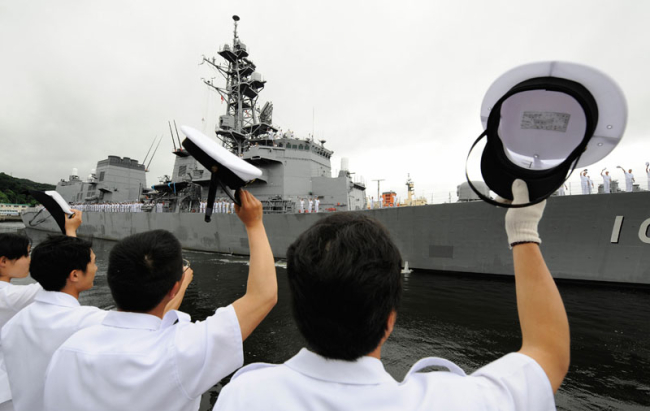
Japan’s Coast Guard and Maritime Self-Defense Force: Cooperation among Siblings
Coping with “gray zone” situations has in recent years become the core security challenge for Japan. Since September 2012, Beijing has been challenging Japan’s sovereign control of the Senkaku Islands by regularly sending law-enforcement vessels into Japanese territorial waters and contiguous zones.
Entry Operations and the Future of Strategic Autonomy
The ability to penetrate remote and contested theaters of operation is a crucial asset for any expeditionary military power.
India’s Act East policy: strategic implications for the Indian Ocean
Since the Modi government came to power in June 2014, it has invested diplomatic capital in announcing the transformation of India’s ‘Look East’ policy into a new ‘Act East’ policy.
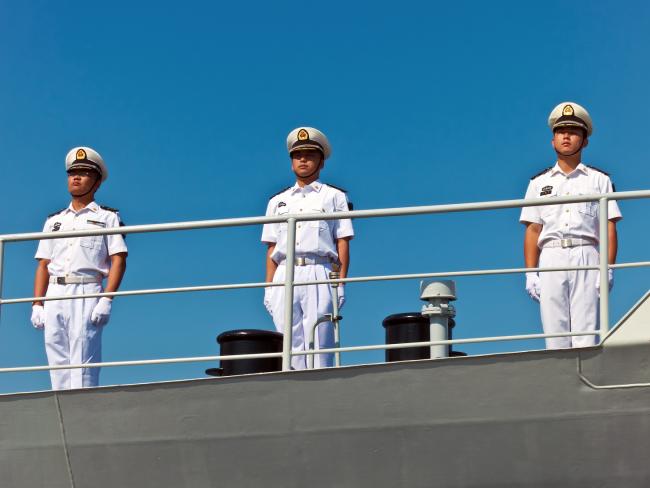
China’s Military Deployments in the Gulf of Aden: Anti-Piracy and Beyond
The reason for the deployment of a People’s Liberation Army Navy (PLAN) “anti-piracy task force” in the Gulf of Aden (GoA), a key area for the Chinese economy, was obvious in 2008. However, as the pirate activity has faded away since 2012, the objectives of the PLAN in GoA became unclear.
Japan's New Dual-Use Space Policy: The Long Road to the 21st Century
Japan’s latest space policy is designed to support a more proactive US-Japan alliance role in containing China, and robustly defend Japan against North Korean ballistic missile threats.
Operation Sangaris: A Case Study in Limited Military Intervention
The French Army's Sangaris Operation in Central African Republic proved successful despite it being first undermined.
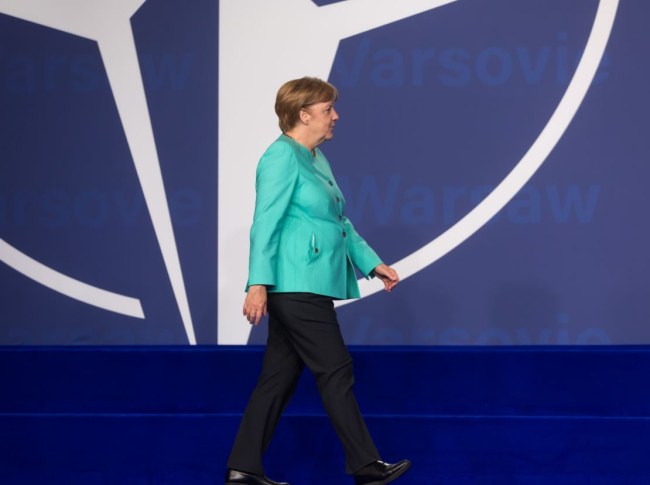
The 2016 German White Paper. The consolidation of the “Munich consensus” and persisting questions
The 2016 White Paper on security policy and the future of the Bundeswehr is testament to Berlin’s declared will to play a more active role internationally, to assume more responsibility and to provide leadership in close concertation with its partners in Europe and the world.

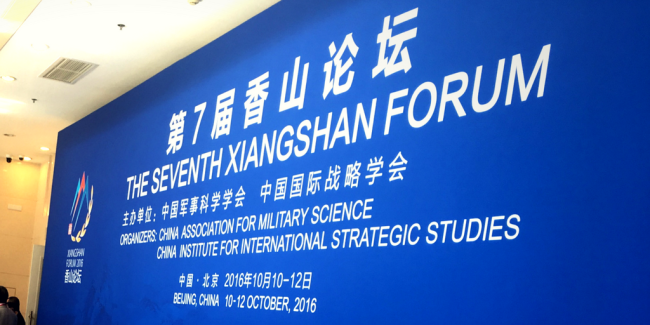
At the 2016 Xiangshan Forum, China Outlines a Vision for Regional Security Governance
Beijing has a plan for a new regional security architecture, and it’s not based around alliances.
The Future Middle East Strategic Balance. Conventional and Unconventional Sources of Instability
This paper seeks to analyze the future Middle Eastern military balance of power, in a time horizon of five to ten years.
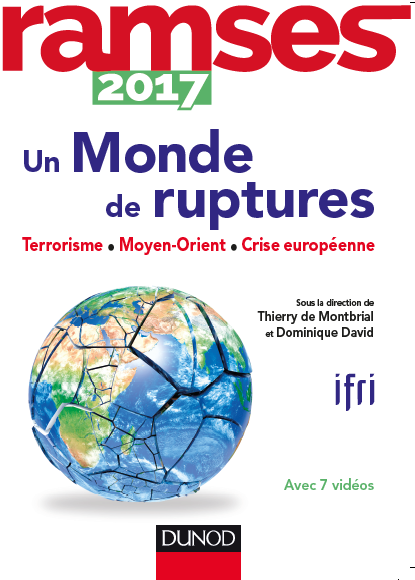
RAMSES 2017. A Fragmented World
RAMSES 2017. A Fragmented World, prepared by IFRI’s research team and selected external experts, offers an in-depth and up to date analysis of global geopolitics.
This 35th edition focuses on three key issues: the spread of jihadist terrorism, the Middle East’s disintegration, and doubts about the European project. With the world’s balance of power and economic foundations shifting, the next few months are likely to be decisive for our future. The growing diversity and complexity of our world is startling, which is why it is important to rethink our analyses and means of action.
France wants to feel safe – whatever it takes. But what if it takes too much?
Opinion column published in "The Globe and Mail"
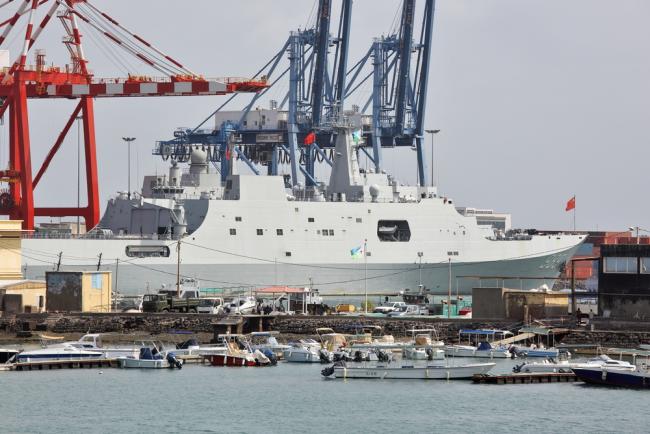
China in Djibouti: A military base with Chinese characteristics?
Last February, the Chinese Defense Ministry confirmed the launch of the construction of a Chinese military base in Djibouti. For a long time, Chinese officials had insisted that China would never build military bases or to station troops abroad.
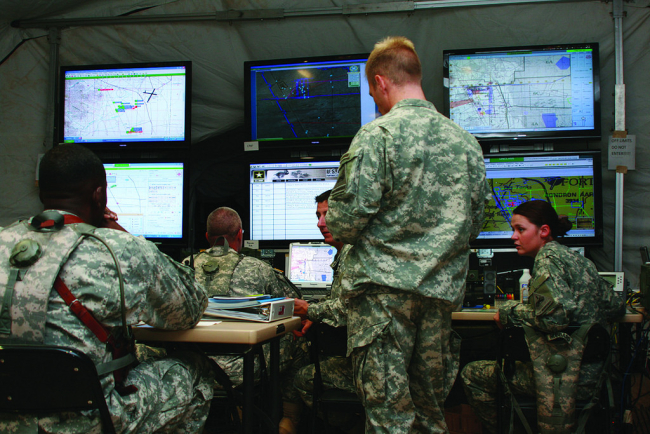
L'avenir de la surprise tactique à l'heure de la numérisation
Surprise is a crucial dimension of military tactics, which stems from incertitude inherent to war.
War and Democratic Decision Making: How do Democracies Argue and Decide Whether or Not to Intervene in Distant Wars?
What is the proper place and forum for decisions about war and peace in a democracy? There is surprisingly little consensus on this matter, not in theory and not in practice. While in Iraq, Libya and Syria, all Western actions have ended in failure, it seems necessary to analyze the place and importance of this aspect of the democratic decision making.
La Sentinelle égarée ? L’armée de Terre face au terrorisme
The 2015 terror attacks in France and the ensuing activation by the Ministry of Defense of its homeland protection plan opened a new phase in the long history of the French Army’s involvement in internal security.
In Defense of Deterrence: the Relevance, Morality and Cost-Effectiveness of Nuclear Weapons
Since 1945, nuclear deterrence has frequently been the target of continuous criticism on strategic, legal and moral grounds. In the past five years, however, the renewed debate on nuclear disarmament has been accompanied by an increase in such criticism.
Toward the End of Force Projection? II. Operational Responses and Political Perspectives
For more than a decade, US defense circles have been concerned about the emergence of capabilities and strategies, which, as they spread, risk imperiling the United States" position in the world by their ability to disrupt or prevent force projection operations. Though most of the literature on such “anti-access” strategies focuses on the military aspects of the threat, this Focus stratégique - the second and last part of a two-part study - adopts a different perspective.
Intelligence and Nuclear Proliferation: Lessons Learned
Intelligence agencies play a fundamental role in the prevention of nuclear proliferation, as they help to understand other countries' intentions and assess their technical capabilities and the nature of their nuclear activities.
Toward the End of Force Projection? I. The Anti-Access Threat
Force projection has become a general posture and a fundamental dimension of the influence Western powers intend to exert over the world by means of their armed forces.
Russia's Nuclear Forces: Between Disarmament and Modernization
Nuclear weapons have traditionally occupied an important place in Russia’s national security strategy. As Russia and the United States have been reducing their nuclear arsenals since the end of the Cold War, their relationship has undergone a complex transformation. Russia, however, still considers strategic balance with the United States to be an important element of national security.
Protecting Nuclear Installations: The difference between industrial safety and national security
There is a gritty public debate going on in Europe about what threats should be considered in conducting stress tests on existing nuclear power plants or in establishing safety criteria for new build nuclear power.
Economic Constraint and Ukraine's Security Policy
Since winning the 2010 presidential elections in Ukraine, Viktor Yanukovych has worked hard to repair Kyiv's relationship with Moscow.
Strategic Stability in the Cold War: Lessons for Continuing Challenges
During the Cold War, the phrase “strategic stability” gained currency both as a foreign policy objective and as an apt way of describing the fact that the United States and the Soviet Union never actually went to war.
Caveats to Civilian Aid Programs in Counterinsurgency: The French Experience in Afghanistan
Amaury de Féligonde has just spent one year in Kapisa and Surobi as a project manager within the Afghan-Pakistan Interministerial Unit. Back in France, he expresses his personal views and draws conclusions from his experience.
France's Return into NATO: French Military Culture and Strategic Identity in Question
More than 40 years after the unilateral decision by General de Gaulle to withdraw French forces from NATO's integrated military command, President Sarkozy decided that France would reintegrate the Atlantic Alliance’s military structure, based on "full and complete participation". The decision was endorsed by Parliament and has generated little debate in France, while a majority of French people appear to approve of it.
Ifri, a foundation recognized as being of public utility, relies largely on private donors – companies and individuals – to guarantee its sustainability and intellectual independence. Through their funding, donors help maintain the Institute's position among the world's leading think tanks. By benefiting from an internationally recognized network and expertise, donors refine their understanding of geopolitical risk and its consequences on global politics and the economy. In 2026, Ifri partners with over 90 French and international companies and organizations.

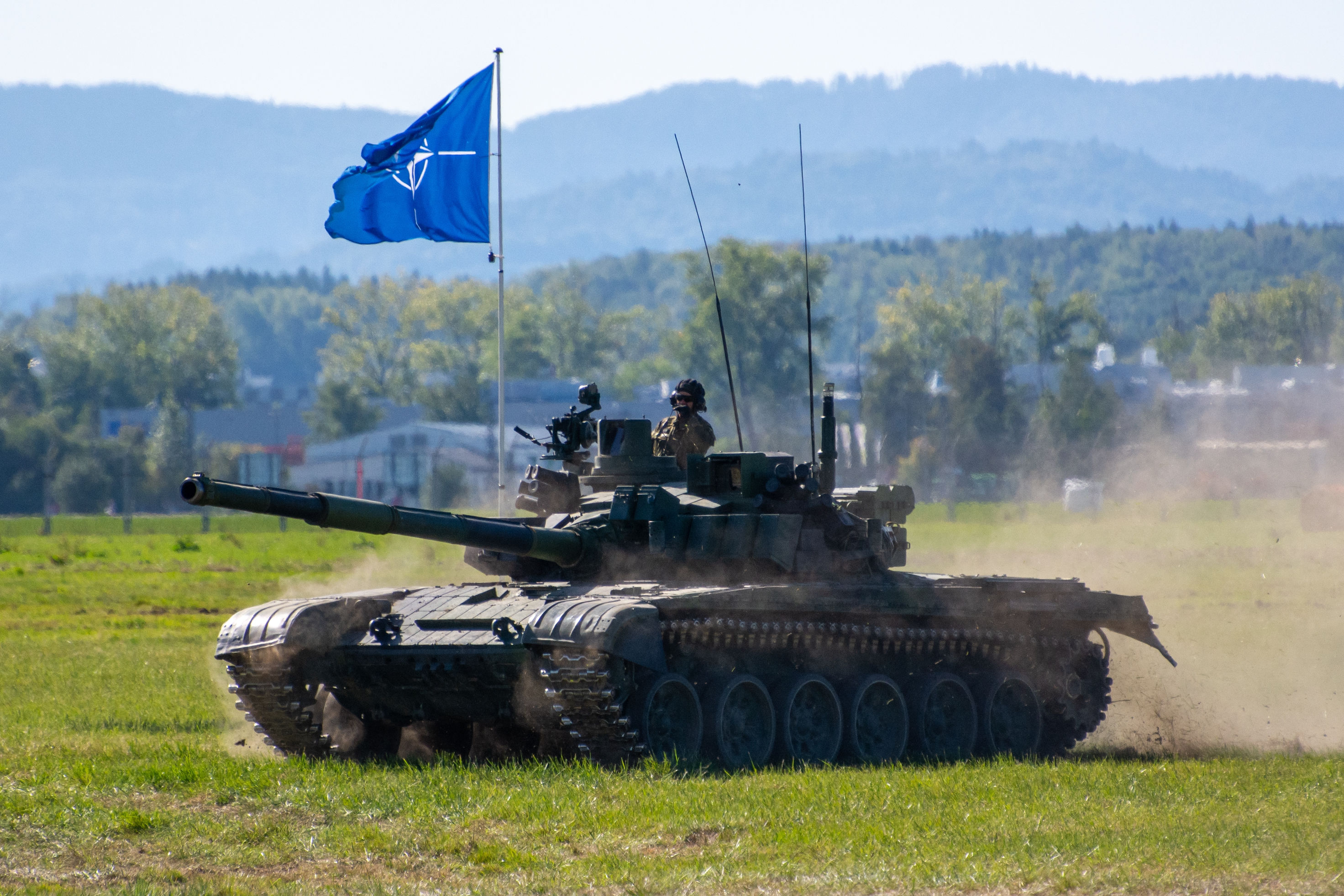
The European & Transatlantic Security Program aims to contribute to the strategic debate by developing analyses around three main axes: European defense and the security architecture of the European continent, institutional and strategic links between the Treaty Organization of North Atlantic (NATO) and the European Union (EU), as well as the evolution of the transatlantic relationship.
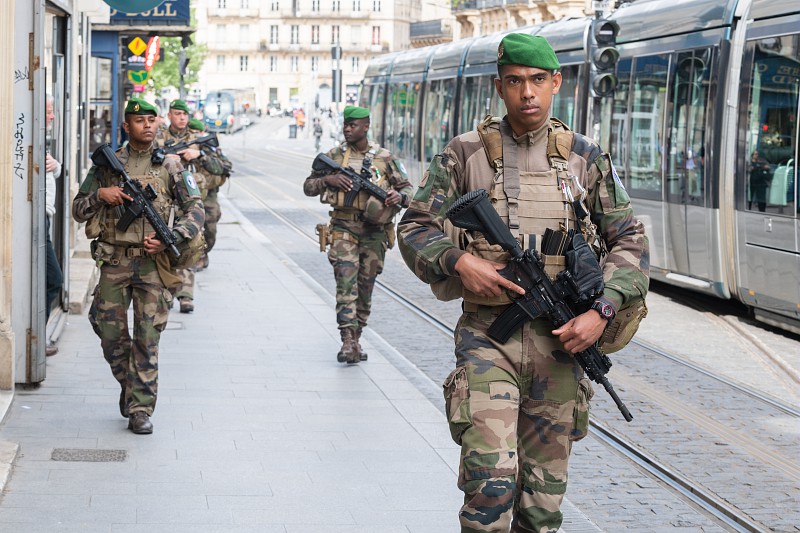
The distinction between internal and external threats is often exaggerated, as the borders are so porous. Conflicts taking place thousands of kilometers from France can have tragic resonances on national territory. Radicalization, terrorism and even organized crime have an international dimension that cannot be ignored.
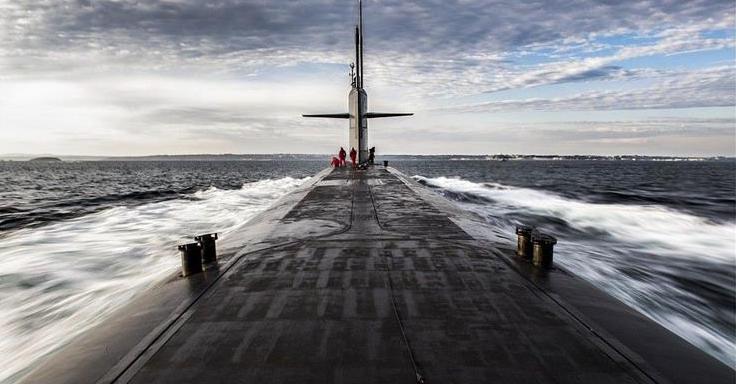
The conflicts in Europe, Asia and the Middle East demonstrate a return of nuclear power to the balance of power. Arsenals are being modernized and expanded, while arms control is collapsing. This research program aims to analyze these phenomena.
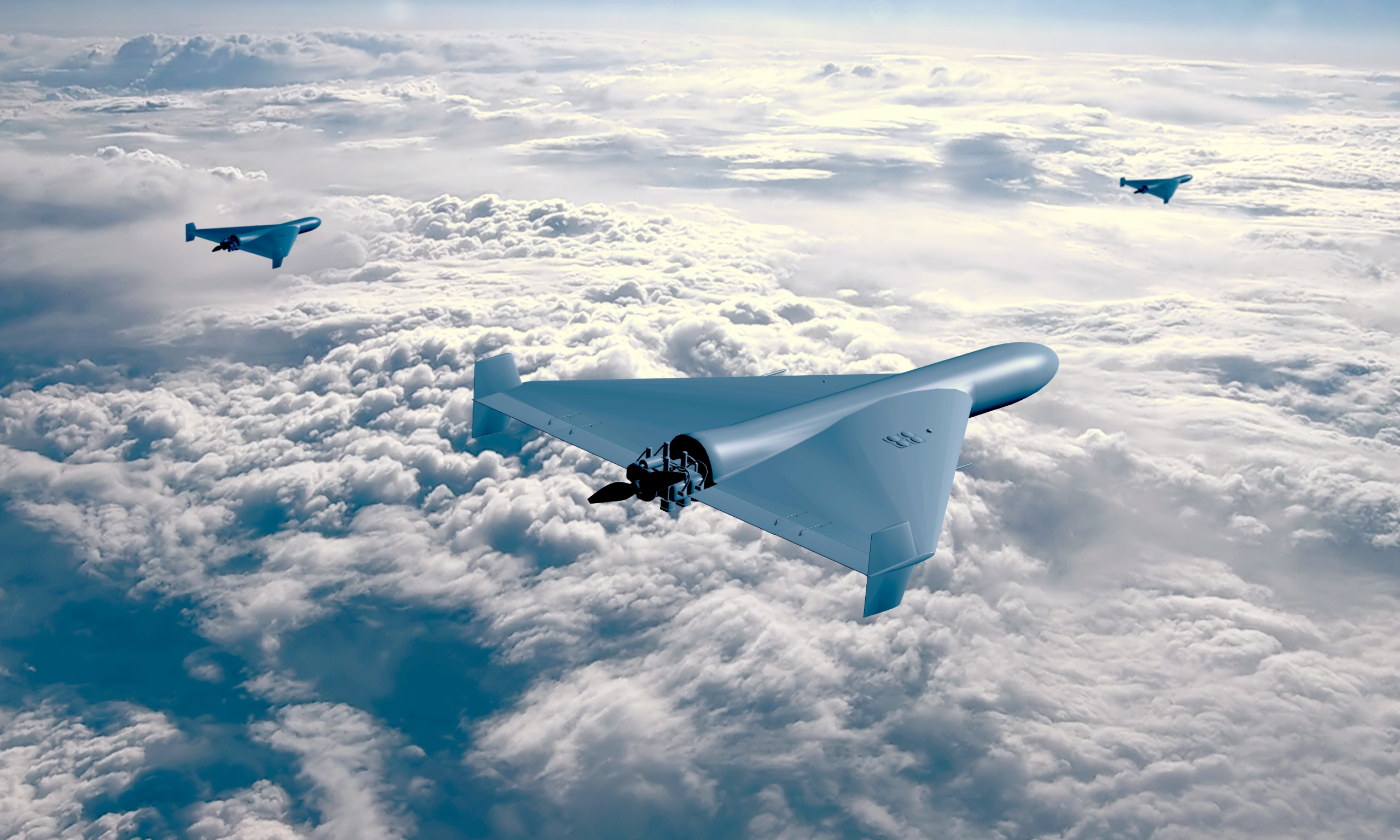
The Observatory of Future Conflicts is a research program carried out by the French Institute of International Relations and the Foundation for Strategic Research on behalf of the three army headquarters aimed at studying developments in tensions and armaments at the horizon 2040 in a transversal perspective, taking into account the issues of each army.
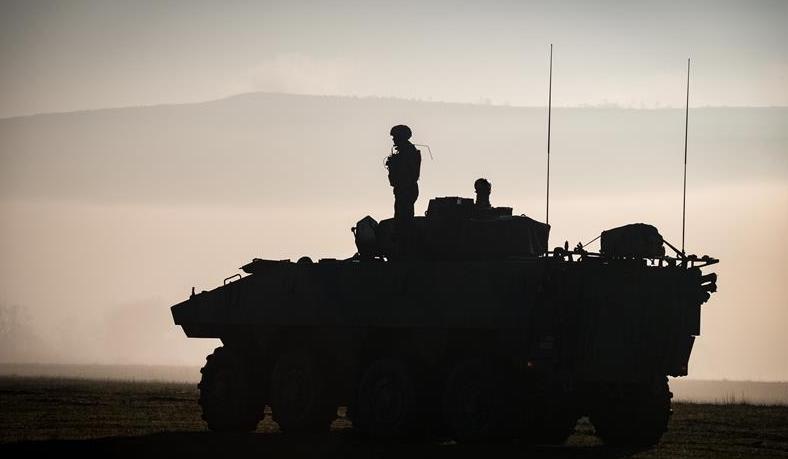
Heir to a tradition dating back to the founding of Ifri, the Security Studies Center provides public and private decision-makers as well as the general public with the keys to understanding power relations and contemporary modes of conflict as well as those to come. Through its positioning at the juncture of politics and operations, the credibility of its civil-military team and the wide distribution of its publications in French and English, the Center for Security Studies constitutes in the French landscape of think tanks a unique center of research and influence on the national and international defense debate.
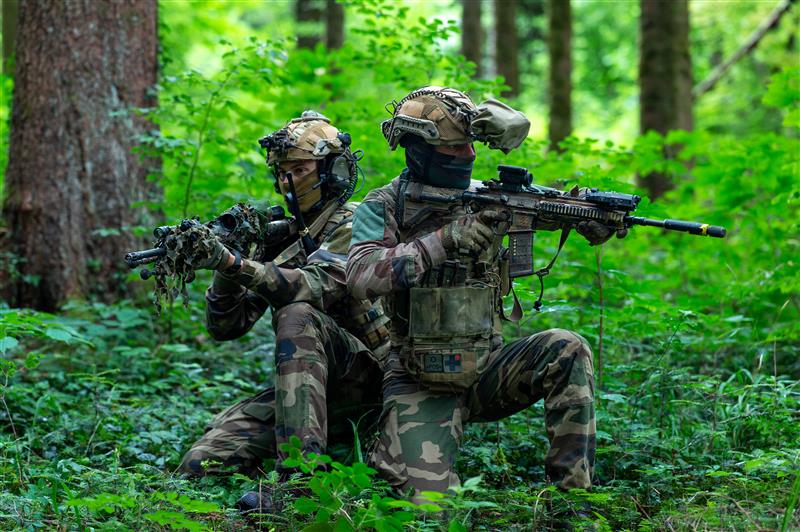
The Defense Research Unit is a program that aims at stimulating the strategic debate by dealing with subjects at the junction of the “technico-operational” and the “political-strategic”. A unique structure in France, it brings together civilian researchers and “military fellows” from each of the three armies to produce work on defense policies, the capability and strategic adaptation of armies, and foresight on tomorrow's conflicts.