





EU Electricity Infrastructure Coordination and the Energy Transition

Informations pratiques
Thématiques et régions
Centres et programmes liés
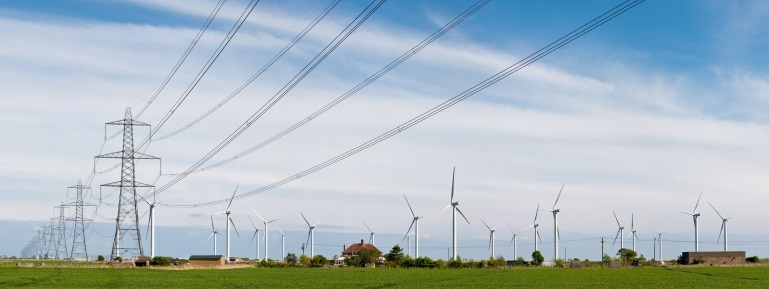
With a higher deployment of renewable energy sources, EU Member States need to rethink the operations of their electricity networks. The challenges are not uniform across Europe as RES penetration varies between countries and regions and its deployment leads to an increased decentralisation of network operations. The EU energy policy is focusing on how to improve electricity infrastructure coordination, setting the stage for a more efficient and coordinated energy transition and improved energy security.
The debate will be an opportunity to discuss the electricity infrastructure outlook across Europe, to assess the risks for the main players (TSOs, DSOs, regulators, consumers) and to guide towards an improved coordination between Member States and a harmonized set of regulations based on an appropriate level of security of supply.
Ifri Center for Energy organizes a roundtable conference with:
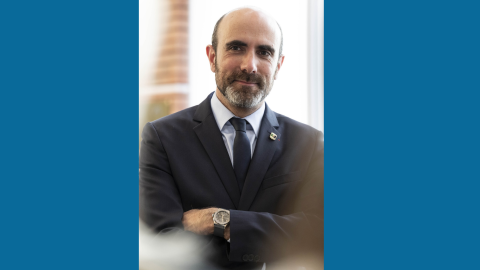
Michel CRUCIANI
Associate Research Fellow, Ifri
Author of the Ifri study "EU Electricity Networks and Energy Transition"
Florian CHAPALAIN
Policy Officer, EDSO
Sébastien LEPY
Chair of ENTSO-E System Development Committee
Brendan DEVLIN
Advisor, Internal Energy Market, DG Energy, European Commission
Chaired by : Marie-Claire AOUN, Director of Ifri Center for Energy
Sujets liés
Autres événements
Le renseignement peut-il encore anticiper les ruptures ?
Retour de la guerre de haute intensité en Europe, durcissement des rivalités entre puissances, multiplication des menaces hybrides, persistance du risque terroriste : le monde est entré dans une ère de confrontation où l'information, son contrôle et son exploitation sont devenus des armes à part entière.

Comment l'IA transforme-t-elle la guerre ?
À l'occasion de la parution du numéro d'automne de Politique étrangère (n° 3/2026) et de son dossier sur les modalités de la "nouvelle" guerre, l'Ifri et l'Association (ADEA) du Magistère relations internationales et action à l'étranger (MRIAE) de la Sorbonne sont heureux de s'associer pour vous proposer une conférence autour de deux chercheurs de l’Ifri ayant contribué à ce dossier.
La COP31 à Antalaya : état de la gouvernance climatique mondiale, enjeux et perspectives
Les Conférences des Parties (COP) sont devenues un marathon de fin d’année visant à redynamiser un monde désormais entré dans l’ère du dépassement climatique. Alors que la Turquie affiche la plus grande production d’électricité carbonée parmi les pays de l’OCDE en Europe, elle a adopté le programme d’électrification et entend s'associer à l'Australie pour encourager la mise en œuvre de mesures concrètes. Il s'agit là d'un dispositif de coprésidence de facto inhabituel, mais qui pourrait donner des résultats prometteurs.