


Pan-european Integration Processes:Towards a Mutual Vision through Cross-Border Synergies, Minsk

Informations pratiques
Thématiques et régions
Centres et programmes liés
Ceci est un événement réservé.
En savoir plus sur nos programmes de soutienThe conference is organised by the Minsk Dialogue Track-II Initiative (Belarus) in cooperation with the Konrad Adenauer Foundation (Germany) and the Austro-French Centre for Rapprochement in Europe (Austria-France), and supported by the French Institute of International Relations (IFRI), and the French and Austrian Embassies in Belarus.
The conference will work on the assumption that a way to greater pan-European integration goes through cross-border cooperation and synergies that result gradually from such mutually beneficial cooperation. To that end, the Minsk Dialogue expert group will prepare a report with an overview of current academic and policy discussions about pan-European integration processes and ideas on how to move these discussions onto a more pragmatic level. The report will be presented at the conference and guide discussions during the conference sessions.
The event will run in parallel with the high-level official conference on pan-European integration processes co-organised by the Government of Belarus and the United Nations Economic Commission for Europe. The Minister of Foreign Affairs of Belarus, a Eurasian Economic Union Commissioner and other officials will also participate in our Track-II conference.
CONFERENCE OBJECTIVES
• To examine ways to advance pan-European integration processes by facilitating crossborder cooperation in various areas of mutual interest (economic growth and business
opportunities, security challenges, and energy infrastructure).
• To discuss conceptual frameworks for advancing pan-European integration.
• To promote informed discussions about pan-European integration processes and challenges in the media.
Please find the agenda attached
Contact: Sarah Veit - [email protected]
Sujets liés
Autres événements
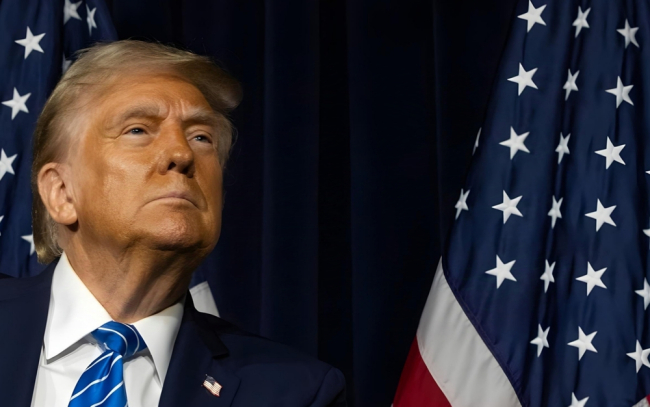
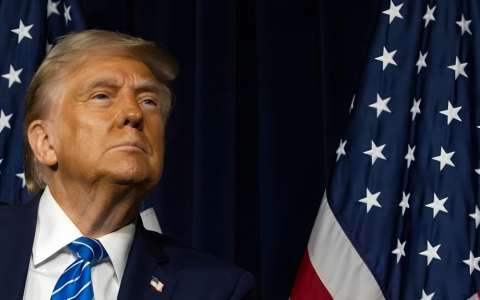
À un mois des midterms, où va l’Amérique de Donald Trump ?
La 24e édition de la Conférence annuelle du programme Amériques de l'Ifri analysera les dynamiques à l’œuvre aux États-Unis et leurs conséquences pour l'Europe et la relation transatlantique.
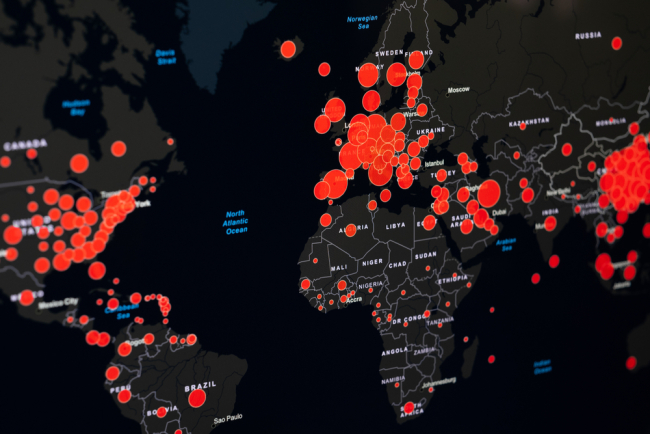
Pandémies et maladies infectieuses : que peut la communauté internationale ?
Tandis que les tensions internationales s’aiguisent et que le monde risque de se fracturer en blocs géopolitiques, pandémies et maladies infectieuses continuent de se développer. Des facteurs comme la multiplication des guerres ou le dérèglement climatique ne font qu’aggraver la situation.
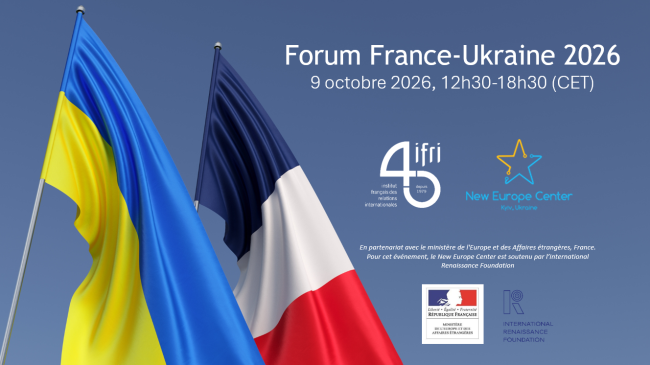
Forum France-Ukraine 2026
Plus de quatre ans et demi après le début de la guerre à grande échelle déclenchée par la Russie contre l’Ukraine, le Forum France-Ukraine 2026 accueillera des responsables politiques, des experts, des universitaires et des représentants de la société civile des deux pays pour échanger autour de trois sujets principaux : les formats et conditions d'un règlement diplomatique durable ; l'intégration euro-atlantique de l'Ukraine, entre processus d'adhésion à l'UE et rapprochement avec l'OTAN ; et les transformations sociétales de l'Ukraine d'après-guerre ainsi que ses perspectives de reco