






4877 publications
La Russie, la Chine et les BRICS : une illusion de convergence ?
Le débat sur les BRICS (Brésil, Russie, Inde, Chine et Afrique du Sud) oppose deux visions. L'une considère leur rôle croissant dans les relations internationales au détriment de la place de l'Occident ; l'autre considère cette notion comme une chimère. Mais tous s'accordent à dire que Russie et Chine y jouent une interaction primodiale.

Tokyo face aux désastres naturels : leçons, enjeux et défis
Alors que Tokyo s’apprête à accueillir en 2020 les Jeux olympiques d’été, la probabilité qu’un puissant séisme secoue la métropole est estimée à 70 % dans les trois prochaines décennies. Cet état de fait témoigne des enjeux liés à la gestion des risques naturels.
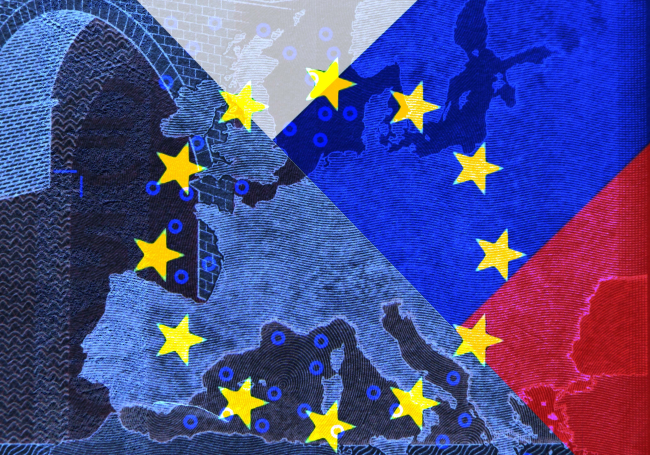
Inquiétudes à l'Est
L’adhésion à l’Union européenne n’a pas eu l’effet unificateur, voire niveleur, prévu. À l’Est, le vent dominant semble s’opposer aux plus anciennes références de la construction européenne. Et ébaucher une nouvelle division de l’Europe, qui prend naissance à l’intérieur même de l’Union.
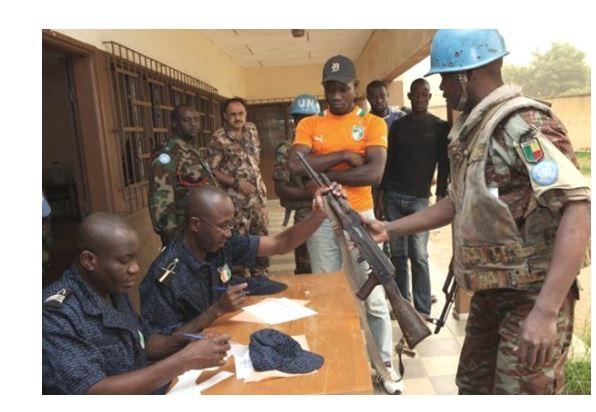
La réforme du secteur de sécurité à l'ivoirienne
Si la situation sécuritaire en Côte d’Ivoire s’est grandement améliorée depuis 2011, des incidents ont toujours lieu ponctuellement et conservent un potentiel de déstabilisation qui justifie un effort continu de réforme du secteur de sécurité (RSS).
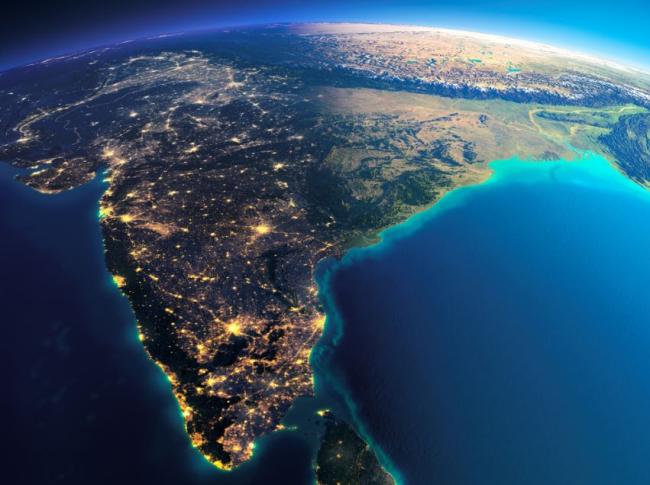
Electrifier durablement l'Afrique et l'Asie
Des solutions complémentaires à l’extension du réseau laissent aujourd’hui espérer des progrès d'électrification considérables en adéquation avec les enjeux économiques et environnementaux actuels. Changer notre conception de l’électrification permettra d’admettre que rester hors-réseau peut, pour certains, faire partie de la solution.
Brexit : les risques du référendum
Le Premier ministre britannique a annoncé la tenue d'un référendum sur le maintien du Royaume-Uni dans l'Union européenne. La décision de David Cameron fait peser des risques sur les équilibres dans les partis politiques britanniques, la cohésion du Royaume-Uni et l'avenir du projet européen. En Angleterre, la montée de l'euroscepticisme et du nationalisme est palpable. La perspective d'un Brexit ne peut être exclue.
Que vaut l'armée russe ?
Les performances de l'armée russe en Ukraine et en Syrie ont surpris beaucoup d'observateurs occidentaux. Elles traduisent une remontée en puissance significative depuis les conflits en Tchétchénie et en Géorgie. L'industrie d'armement russe se modernise et l'armée se professionnalise. Toutefois, la situation économique du pays oblige le pouvoir à faire des choix et à délaisser certaines capacités. La puissance militaire russe doit donc être relativisée.
Migrations : logiques africaines
Les causes des déplacements de populations africaines, dans leurs pays, sur le continent, ou vers l'Europe, sont anciennes et multiples. Le terme de « migrations » recouvre des situations, et des implications, internes et internationales, très diverses. Les facteurs de la mobilité doivent être analysés finement. On ne peut répondre à la complexité du problème par la simple gestion des frontières, ou l'externalisation de la question, comme semble tentée de le faire l'Union européenne.