




Informations pratiques
Thématiques et régions
Centres et programmes liés
Ceci est un événement réservé.
En savoir plus sur nos programmes de soutienDans le cadre de l'Ifri Energy Breakfast Roundtable, un séminaire avec Don Gautier, U.S. Geological Survey, Ewa Zalewska, directeur du Département Géologie et concesions géologiques, Ministère de l'Environnement de Pologne, Hans Van der Loo, Chef du bureau de liaison Union européenne. Présidé par William C. Ramsay, directeur du Programme Energie, Ifri et Jacques Lesourne, président du comité scientifique du Programme Energie, Ifri.
When gas prices in the US were running around $15 per million BTU ($570 1000 cubic meters), gas developers saw an opportunity to extract gas from shale, which had been too expensive up to then. The gas started to flow, the technology started to improve, the costs came down and enormous quantities of gas came into the market at costs of roughly $6 per million BTU. The deposits in the US are vast and subsoil ownership facilitates access. There are problems and environmental concerns, but projections are for shale gas to play an important role in US gas supply. Could the same thing happen in Europe? Could new sources of European indigenous gas reverse Europe's gas decline? Could Russian influence in European markets be mitigated by shale gas? There are many important differences between Europe and America, but still there is a European potential that needs to be explored. This session will outline the current state of the shale gas phenomenon in America, identify its challenges and limitations and seek parallels or differences with Europe.
Sujets liés
Autres événements
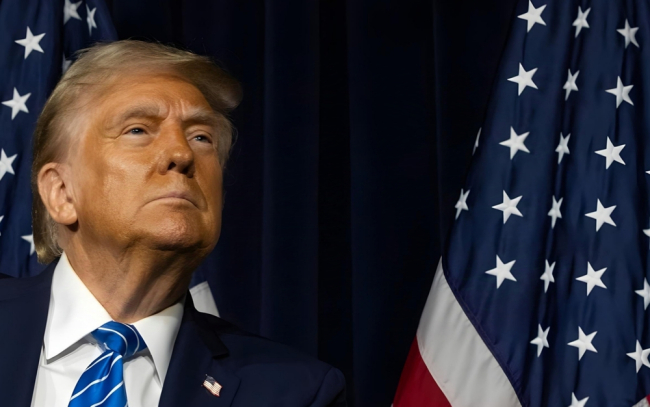
À un mois des midterms, où va l’Amérique de Donald Trump ?
La 24e édition de la Conférence annuelle du programme Amériques de l'Ifri analysera les dynamiques à l’œuvre aux États-Unis et leurs conséquences pour l'Europe et la relation transatlantique.
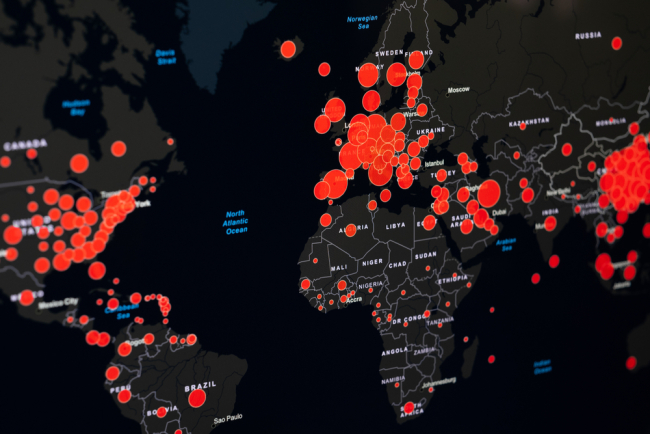
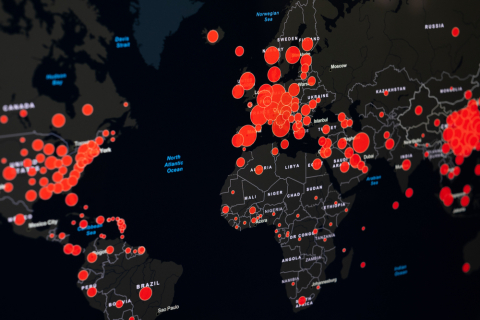
Pandémies et maladies infectieuses : que peut la communauté internationale ?
Tandis que les tensions internationales s’aiguisent et que le monde risque de se fracturer en blocs géopolitiques, pandémies et maladies infectieuses continuent de se développer. Des facteurs comme la multiplication des guerres ou le dérèglement climatique ne font qu’aggraver la situation.
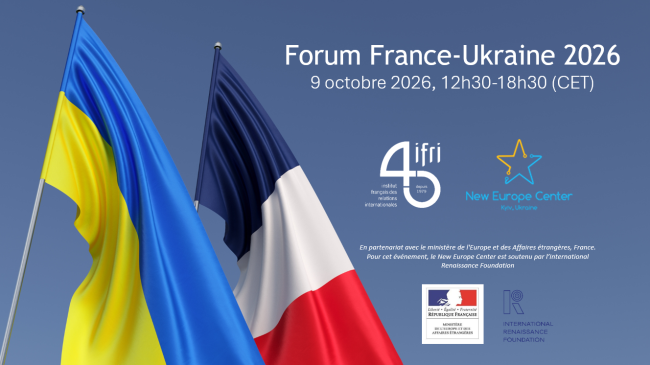
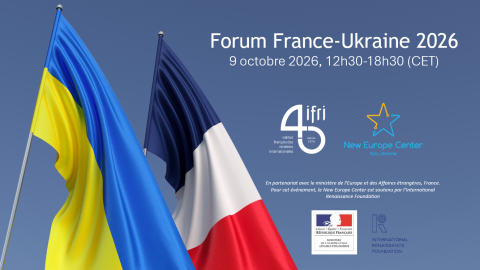
Forum France-Ukraine 2026
Plus de quatre ans et demi après le début de la guerre à grande échelle déclenchée par la Russie contre l’Ukraine, le Forum France-Ukraine 2026 accueillera des responsables politiques, des experts, des universitaires et des représentants de la société civile des deux pays pour échanger autour de trois sujets principaux : les formats et conditions d'un règlement diplomatique durable ; l'intégration euro-atlantique de l'Ukraine, entre processus d'adhésion à l'UE et rapprochement avec l'OTAN ; et les transformations sociétales de l'Ukraine d'après-guerre ainsi que ses perspectives de reco