Media Interventions
Our researchers intervene in the public debate and bring their light to the French and international media. Discover all their media interventions.


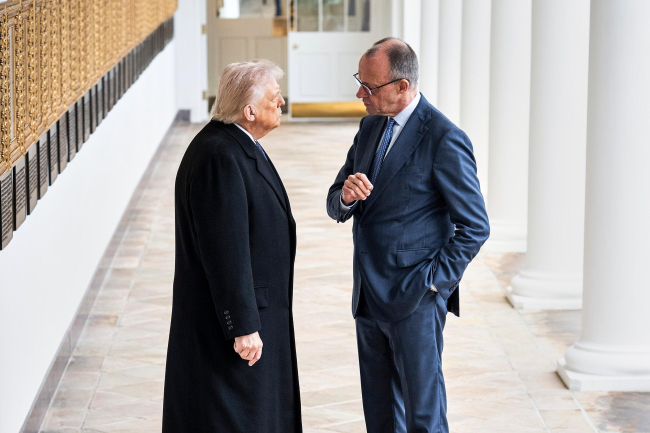
'With the withdrawal of US troops from Germany, Berlin is facing a historic dilemma'
Donald Trump's announcement of the withdrawal of US troops is forcing Berlin to confront the long-standing taboo on its own defense, explains Paul Maurice, a specialist in Franco-German relations at the Study Committee on Franco-German Relations (Cerfa) at French Institute of International Relations.
Poking the bear? Armenia welcomes European leaders in Russia's backyard
Just as Europe frets over fresh Trump tariffs, a US troop drawdown announced for Germany and the message it sends to a hostile Russia, how about not one but two summits in former Soviet state Armenia. Before a first-ever gathering of EU leaders in Yerevan on Tuesday comes the European Political Community: a talk shop with regional players which also include Ukraine and NATO heavyweights like the UK, Norway and an outside guest who shares superpower proximity problems.

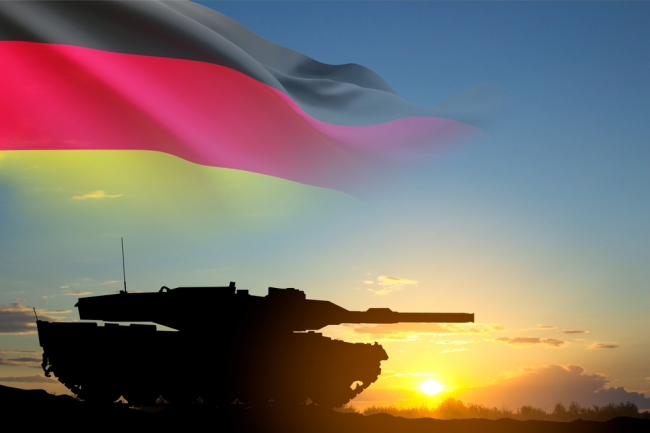
Germany re-arms: what does it mean for Europe?
Paris sees risks for its industry and the continent’s sovereignty in Berlin’s rapid defence build-up. Chancellor Friedrich Merz’s defence spending push has raised concerns about locking in procurement choices and giving German industry an advantage over its neighbours.
Replay - The United States and Europe Adrift: Transatlantic Security in the Trump Era
Against an international backdrop marked by the war in Ukraine, Russia’s emergence as a lasting threat to Europe, and an uncertain U.S. commitment to the Old Continent, questions about the future of the transatlantic relationship are mounting.
The United States: Internal and External Perspectives
Plenary session of the 2026 World Policy Conference dedicated to analyzing the continuities and discontinuities of American policy under the presidency of Donald Trump.
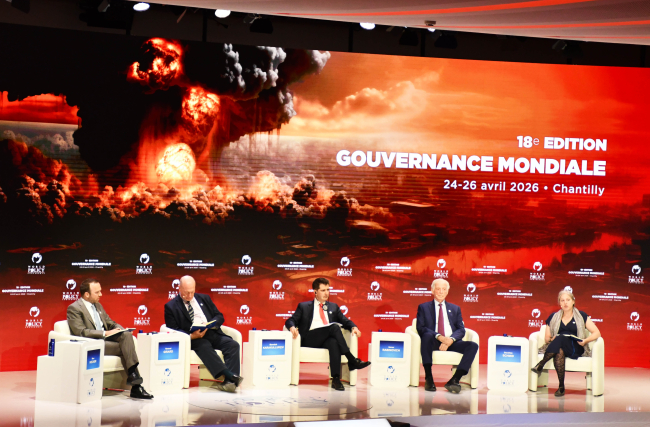
War in the Middle East: Regional Fractures, Global Shockwaves, and the End of the Old Order
Panel from the World Policy Conference 2026, organized by Thierry de Montbrial and Ifri, from April 24 to 26, 2026.
Conversation with Nabil Fahmy, designated Secretary General of the Arab League - WPC 2026
Conversation with Nabil Fahmy, designated Secretary General of the Arab League, chaired by Thierry de Montbrial, Founder and Executive Chairman of Ifri and the World Policy Conference.
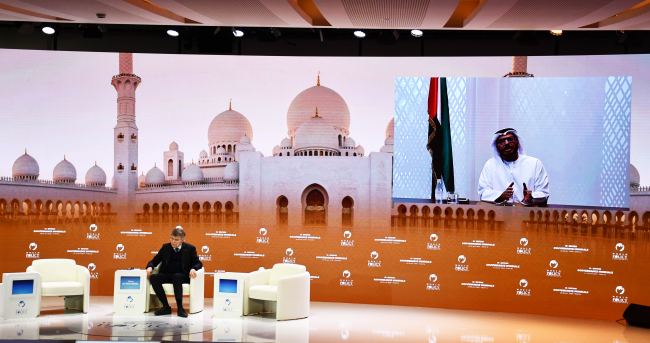
A conversation with Anwar Gargash, Diplomatic Advisor to the President of the United Arab Emirates
In an exceptional debate with Thierry de Montbrial, Anwar Gargash, Diplomatic Advisor to the President of the United Arab Emirates shares his perspective on the ongoing war with Iran in the Middle East.

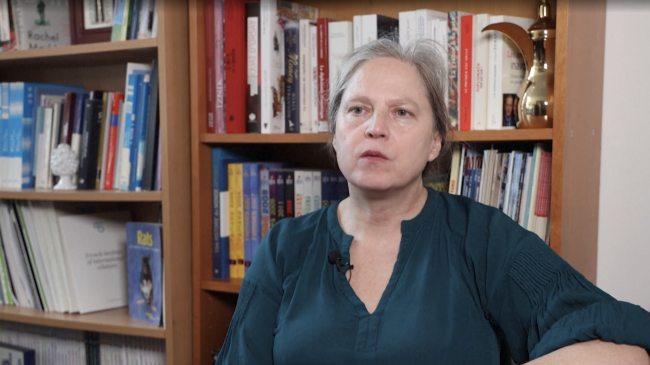
US hosts rare Israel-Lebanon talks, progress unclear
Israel and Lebanon agreed to direct negotiations following talks in Washington on Tuesday.
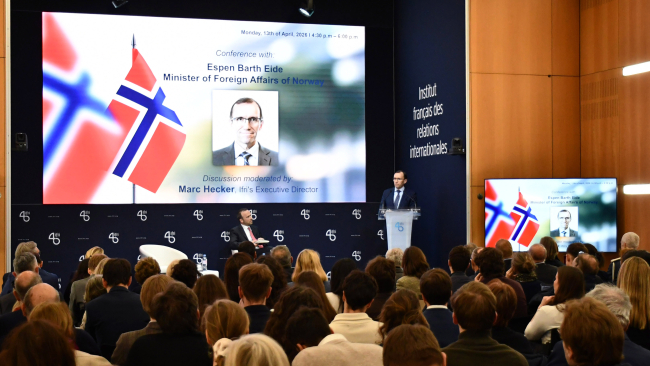
Replay - Conference with Espen Barth Eide, Minister of Foreign Affairs of Norway
Since the invasion of Ukraine by Russia in 2022, Norway has become the European Union’s leading supplier of gas. This position could be further strengthened given the ongoing war in the Middle East.
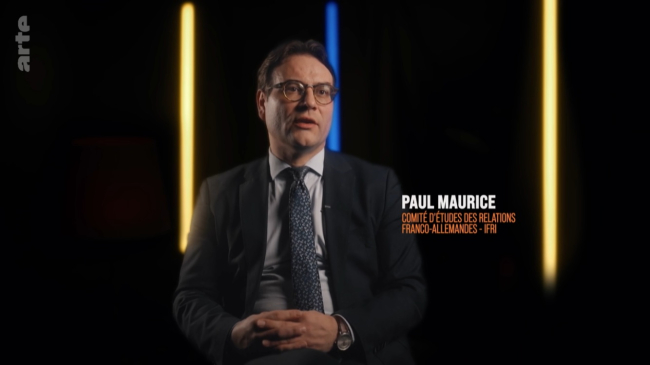
Macron-Merz: Power Behind the Scenes
French German relations have been very close for decades as key partners in driving forward European integration within the EU. Can the current leaders President Emmanuel Macron and Chancellor Friedrich Merz reforge the relationship and build a Europe fit for the challenges of our times and the future? This documentary follows the two men across Europe and the world and observes their common goals as well as their differences.
Both sides of the Atlantic | Warsaw European Conversation 2026
This episode discusses the future of transatlantic relations and the evolution of security policy on both sides of the Atlantic. It examines France’s strategic stance and the implications of potential leadership change. It also looks at the dynamics of U.S. domestic politics – the role of political parties and civil society in curbing Donald Trump’s power, and the significance of the midterm elections. It considers what these processes mean for Europe, especially in the context of Article 5. Joining Marta Prochwicz-Jazowska, Deputy Head of the ECFR Warsaw office, in the discussion will be Thomas Gomart, director of the French Institute of International Relations, and Amanda Sloat, professor at the School of Politics, Economics, and Global Affairs at IE University.

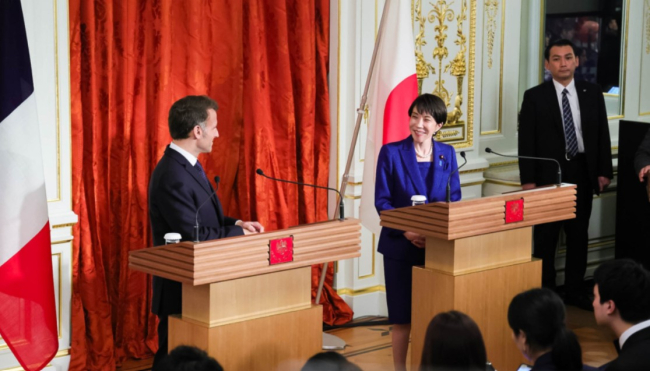
France and Japan hedge against rising threats with strategic autonomy push
As French President Emmanuel Macron arrived in Japan this week for his first visit to the country since 2023, international attention was largely centered on the ongoing Middle East conflict.

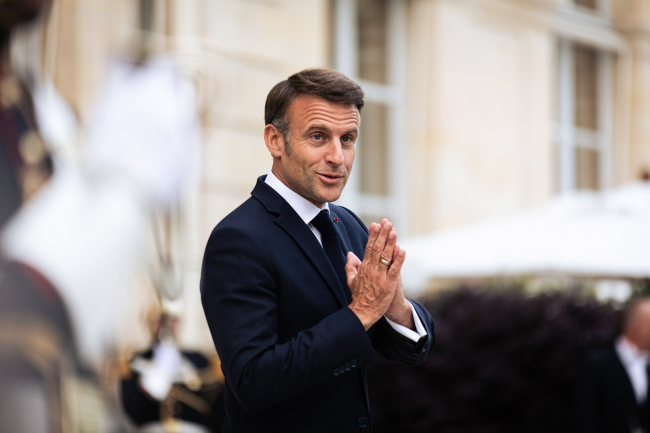
Japan seeks French backing as Macron begins Asia trip in Iran war’s shadow
Emmanuel Macron touched down in Tokyo on Tuesday with a packed agenda and a receptive audience in a Japanese government anxious about a choked oil route and looking for support amid its diplomatic falling-out with Beijing.
Replay - From Ambition to Action: Exploring Technological Partnerships with India
Replay of the conference at Ifri, March 18, 2026
Can EU-India technological cooperation reshape global strategic balances? This conference brought together European and Indian leaders to discuss opportunities and challenges in AI, semiconductors, and digital innovation. Watch the full debate.

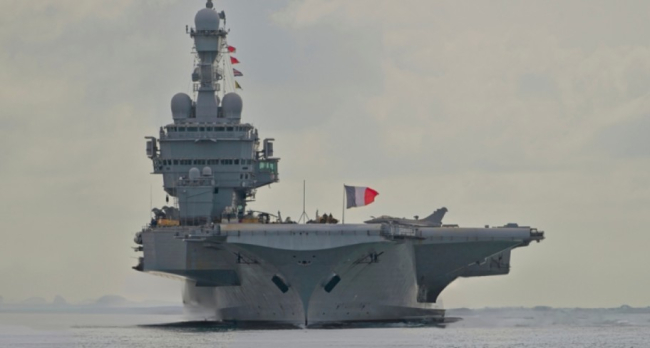
War in Mideast Tests Europe’s Military Might. The Verdict? Mixed.
To defend allies from Iran, the continent’s powers have mounted a rare show of force. But those efforts have diverted limited resources from other hot spots. Despite refusing to join the attacks on Iran, Europe’s leaders have responded to the widening war in the Middle East by sending warships, fighter jets and air-defense systems to protect bases and allies in the region.
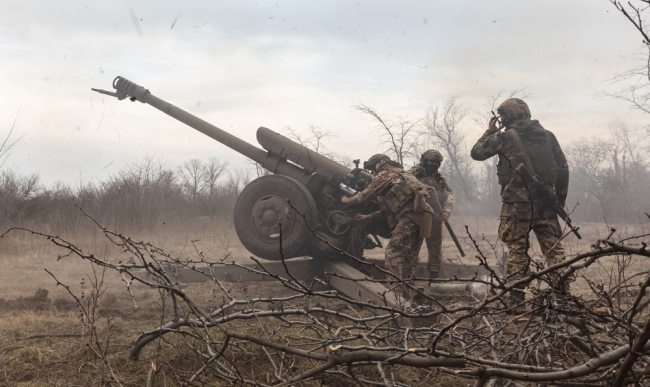
The war could still last for years and paradoxically, time is not on the Kremlin's side
Dimitri Minic, Scientific Director of the Observatory on Russia, Eastern Europe, the Caucasus, and Central Asia and a Research Fellow at Ifri’s Russia/Eurasia Center, argues in an interview with Le Monde that “Ukraine should not be buried too quickly,” even if the current balance of power favors Russia.
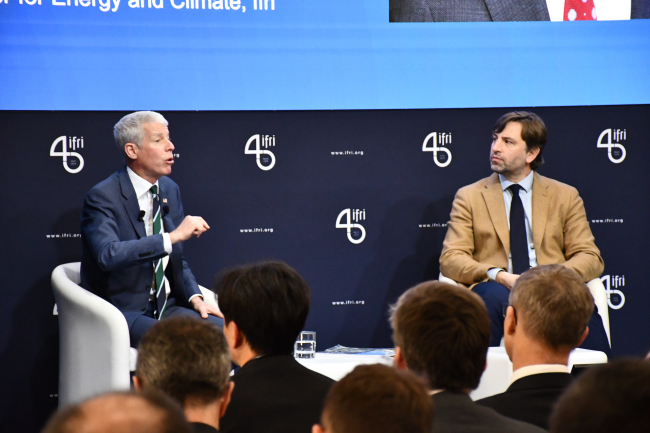
Replay - Conference with Chris Wright, Secretary, U.S. Department of Energy
Welcomed at the French Institute of International Relations (Ifri), Chris Wright outlined his vision of American energy policy built around two core axes: the human reality of energy access, and a data-driven approach. For the Secretary, energy is the foundation of prosperity, health, and longer life expectancy on a global scale. His doctrine rests on an ambition of American "energy dominance" — not merely independence, but the capacity to produce at scale in order to lower domestic costs, reindustrialize the country, and support U.S. allies.

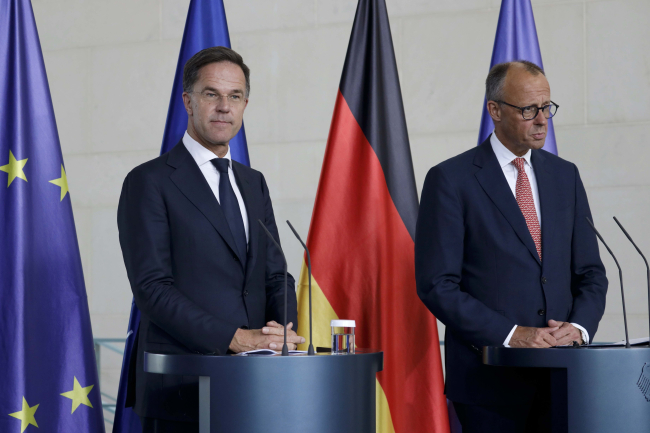
Nuke-talk is heating up among Europeans in Munich
Multiple European countries are publicly backing talks on a homegrown nuclear deterrent to complement American atomic weapons following an erosion of trust in a Donald Trump-led U.S.
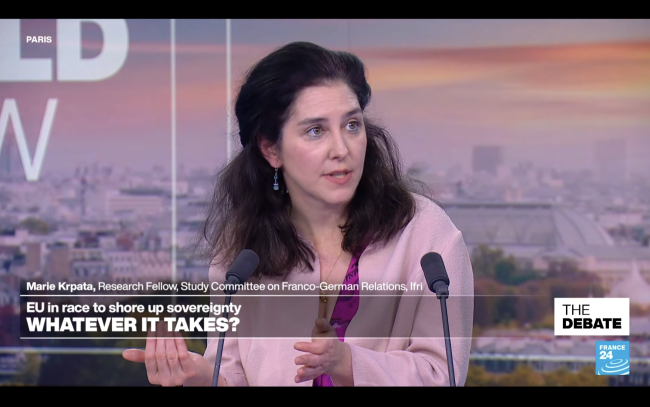
Whatever it takes? EU in race to shore up sovereignty
Can Europe man the ramparts on its own? As the US war secretary snubbed a NATO defence ministers' meeting in Brussels, EU leaders converged on the 16th-century Alden Biesen castle in Belgium's Limburg province to answer former Italian prime minister Mario Draghi's call for a "big bazooka" approach to reform and competitiveness.

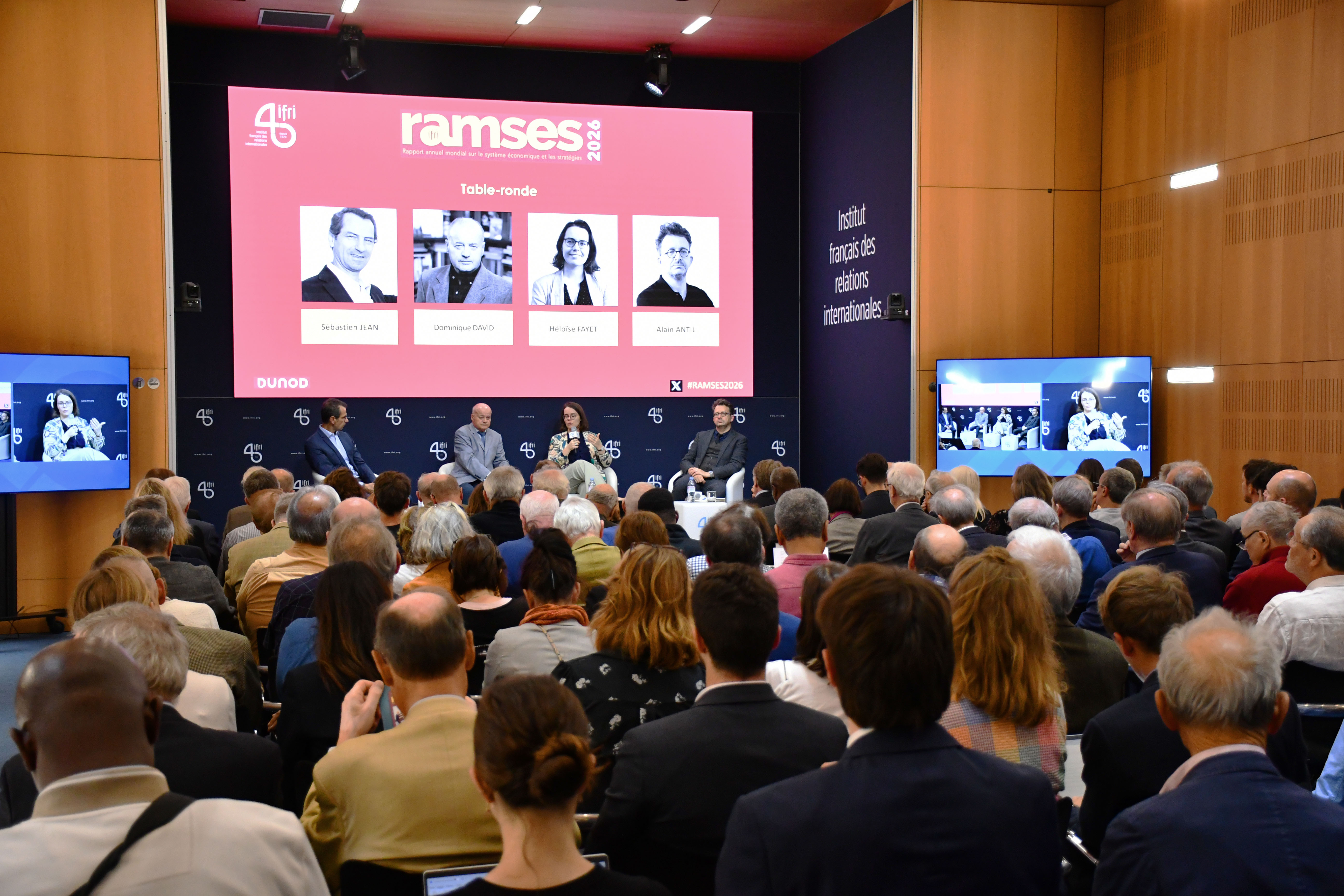
Ifri, a foundation recognized as being of public utility, relies largely on private donors – companies and individuals – to guarantee its sustainability and intellectual independence. Through their funding, donors help maintain the Institute's position among the world's leading think tanks. By benefiting from an internationally recognized network and expertise, donors refine their understanding of geopolitical risk and its consequences on global politics and the economy. In 2026, Ifri partners with over 90 French and international companies and organizations.
Titre container
In the News
Titre en savoir plus
View our latest interventions in the press
View our latest interventions in the press
Titre en savoir plus
You would like our research fellows to participate in interviews and debates with your media channels
You would like our research fellows to participate in interviews and debates with your media channels