




International Organizations and Multilateralism
Rhetoric on the crisis of multilateralism is frequent. International organizations (UN, WTO, etc.) remain no less important, while other forums (G20, BRICS, etc.) are asserting themselves.
Related Subjects
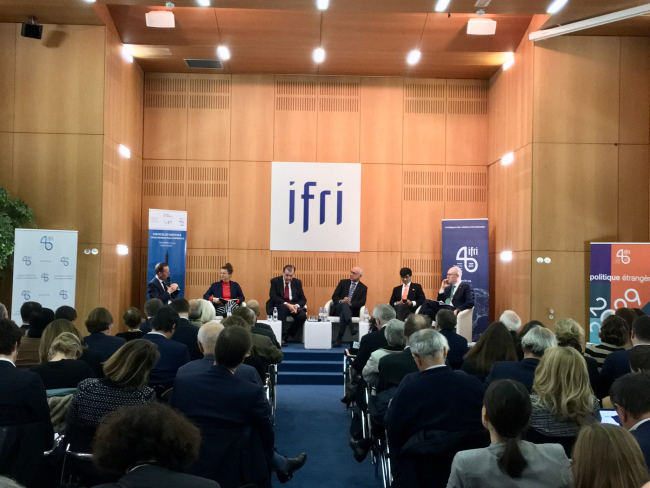
Ten Years Ahead: Insights Into the Agendas of International Think Tanks
A panel with Michael Fullilove, executive director, Lowy Institute (Australia), Rohinton P. Medhora, president, Centre for International Governance Innovation (Canada), Samir Saran, president, Observer Research Foundation (India), Patrycja Sasnal, head of research and senior fellow for the Middle East, Polish Institute of International Affairs (Poland), and Carlos Ivan Simonsen Leal, president, Getulio Vargas Foundation (Brazil), moderated by Thomas Gomart, director, French Institute of International Relations (France) as part of the 12th regional conference of Council of Councils (CoC), which unfolded from November 17 to 19, 2019 at Ifri.
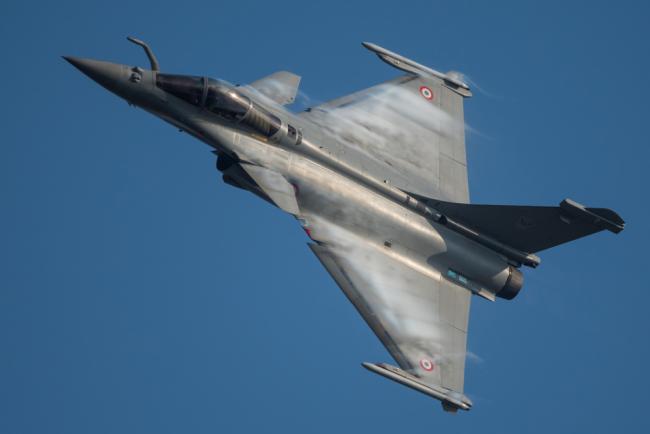
What Does It Mean to Be a European Defense Company Today?
In many ways, defense firms in Europe should be pleased with the recent uptick in defense spending.
The Changing Political Agenda and Role of Think Tanks in the Next Decade. Video
A debate in the framework of the 12th regional conference of Council of Councils (CoC) in Paris between Thierry de Montbrial, Executive Chairman of Ifri and Richard N. Haass, President of Council on Foreign Relations (CFR). Moderator: Sophie Pedder, Paris Bureau Chief, The Economist.
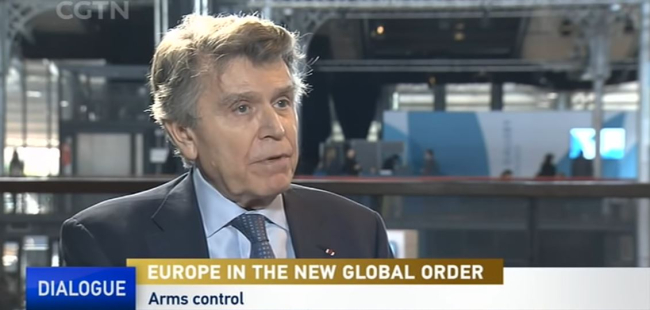
Europe's position in the new world order
Thierry de Montbrial, Executive Chairman of Ifri, is interviewed by Yang RUI for China Global Television Network (CGTN), on the sidelines of the Paris Peace Forum, November 2019. He analyzes the position of Europe in a world dominated by the Chinese-American competition.
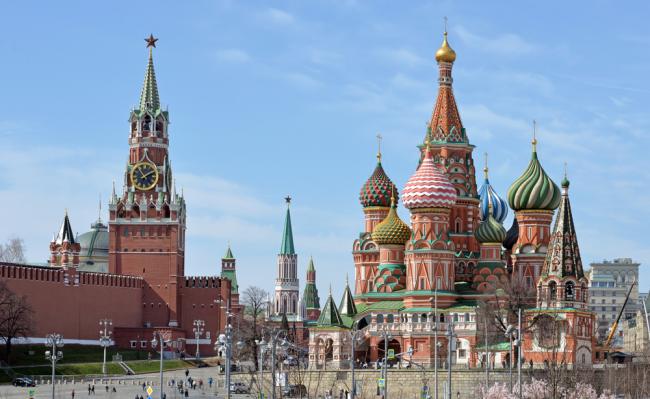
Between Attraction and Repulsion: Strengths and Weaknesses of Russia’s Image Abroad
In search of a better image, Russia has created a whole arsenal of soft power since the mid-2000s according to a Western model.
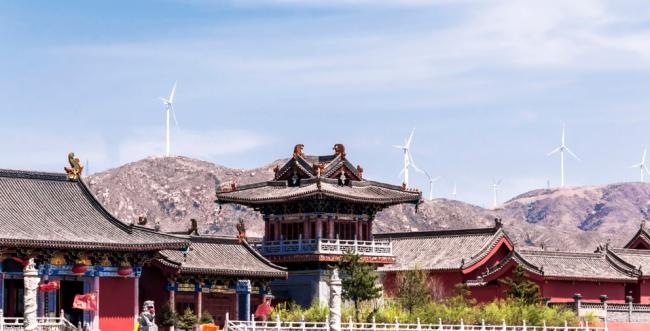
China’s Ambiguous Positions on Climate and Coal
China’s 2018 energy consumption data capture the ambiguity of Beijing’s attitude toward climate change. Energy demand rose by 3.5% to 3,155 million tonnes of oil equivalent (Mtoe), with an increase of coal consumption (though its share in the overall energy mix is decreasing) and an expected greenhouse gas (GHG) emission surge of 2.3%, to 9.5 gigatonnes (Gt) for the same year.
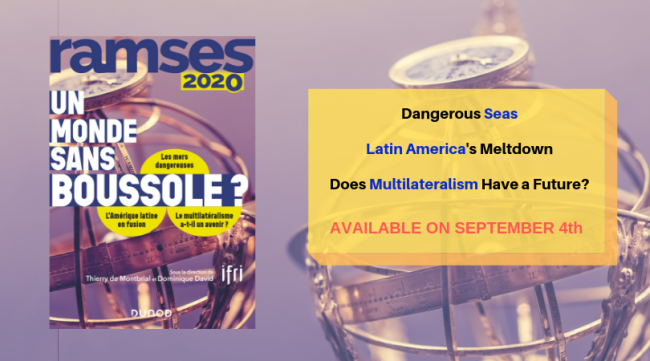
RAMSES 2020. A World without a Compass?
RAMSES 2020. A World without a Compass?, written by Ifri's research team and external experts, offers an in-depth and up-to-date analysis of geopolitics in today’s world.
Think Tank 7 - Recommendation paper for the G7 Presidency
The Think Tank 7 (T7) is an engagement group that brings together the leading Think Tanks from the G7 countries in order to analyze and make recommendations on key issues of the G7 presidency.
Tackling inequalities and vulnerabilities: Why and how G7 development policies could do better
The G7 has made the fight against inequality a crosscutting issue for the Biarritz Summit. The Development Ministerial will address issues of vulnerability, especially the Sahel Alliance. This focus on inequalities and vulnerabilities is nonetheless inseparable from a general discussion on financing sustainable development.
A Global Governance That Protects? Global governance and the defence of democracy
Global governance emerged to deal with the gap between the plurality and diversity of states and the collective and transnational nature of increasingly complex global affairs.
International trade - Rekindling interest in a multilateral rules-based approach
International trade is one of the themes that used to constitute the very raison d’être of the G7, alongside international security and energy policy.


Why Are Japan and South Korea in a Trade Fight?
Officially, Japan has “national security” concerns about technology exports to South Korea. Unofficially, World War II still casts an ugly shadow.
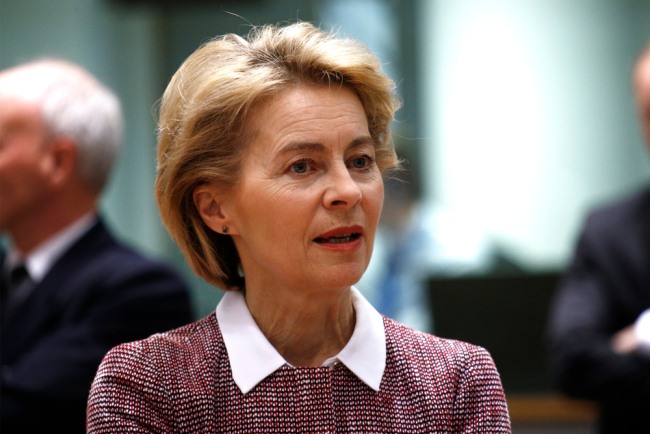
Ursula von der Leyen: betting on Franco-German unity in the European Commission
Germany's Ursula von der Leyen nominated to lead EU Commission.
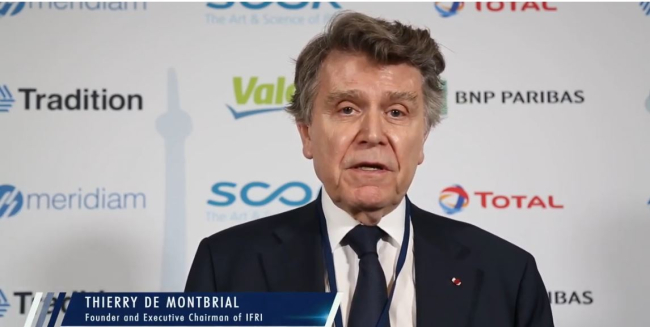
Does a European diplomacy exist?
An interview with Thierry de Montbrial, Founder and Executive Chairman of the Ifri, on the occasion of his participation in the Trilateral Commission.
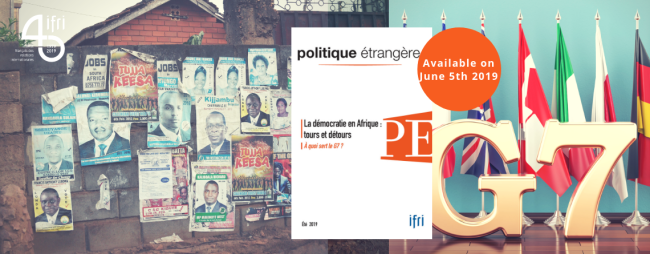
Democracy in Africa: A Long and Winding Road
The architecture of democracy is complex, coupling a legal framework to a social foundation that allows it to take root.
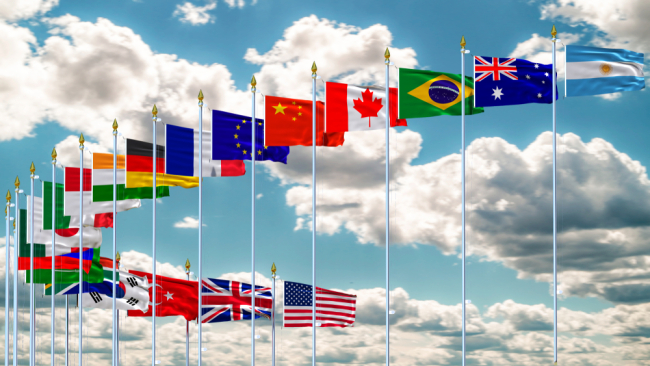
Sustaining Multilateralism in a Multipolar World. What France and Germany Can Do to Preserve the Multilateral Order
While international multilateralism is under strain, it is vital for France and Germany to defend it, since it is the most appropriate system for preserving their interests – particularly in terms of welfare, security, prosperity and environmental protection. Against this backdrop, three political fields offer opportunities for joint initiatives: trade, conventional arms control and climate change.
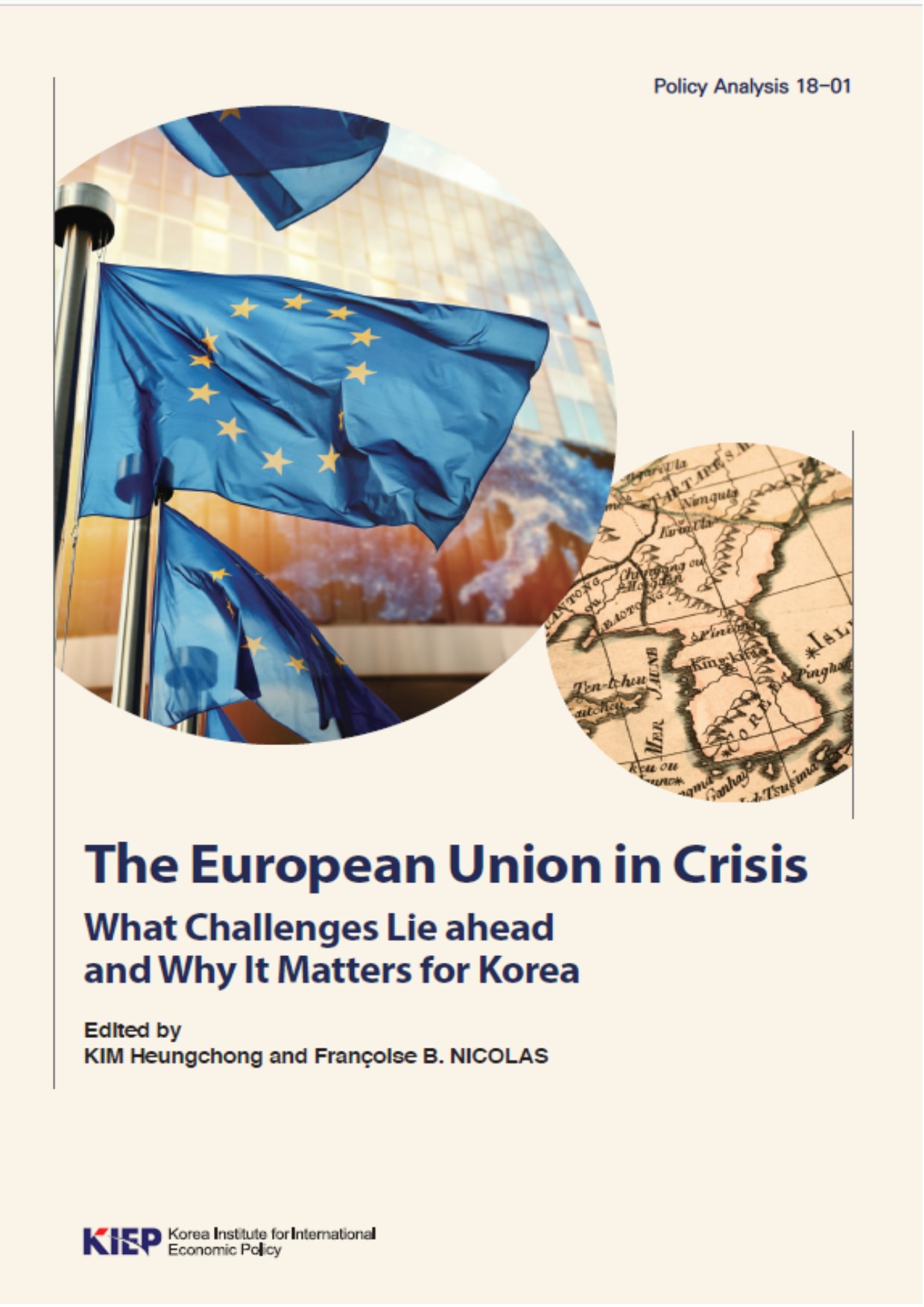
The European Union in Crisis: What Challenges Lie ahead and Why It Matters for Korea
The EU is currently undergoing serious challenges from inside such as Brexit and strengthening Euroscepticism, rising populism and changing political geography, anti-immigration moods as well as retarded economic recovery.
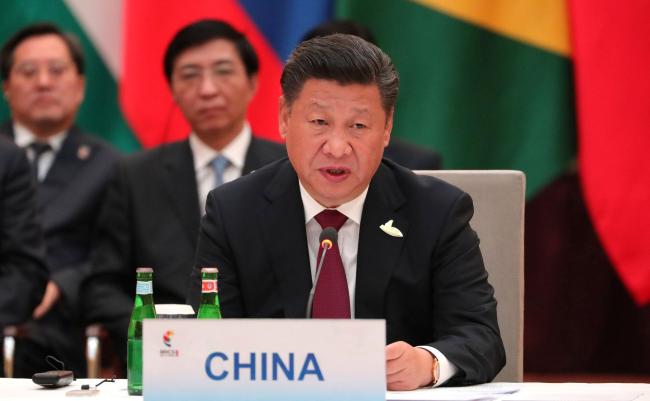
China’s Belt & Road and the World: Competing Forms of Globalization
China increasingly sees its flagship foreign policy project as a tool for restructuring global governance and a vector for promoting a new form of globalization.
2019-2029: The World in 10 Years
The last four decades have witnessed the profound transformation of the very foundations of the international system: the globalization of trade, technical revolutions, the upheaval of the hierarchy of powers, the emergence of China, the explosion of the Middle-East, the mutation of conflicts and threats, climate concerns, etc.
Trump's trade policy: pushing back against China
Although not akin to the protectionist policies practiced by the United States through the 1930s, the trade war launched by the Trump administration since early 2018 challenges the principles and institutions of free trade.
Coming in from the Cold? An Update on North Korea's External Economic Relations
This brief analysis of the current external economic relations of the Democratic People’s Republic of Korea (DPRK) leads to a number of conclusions.
EU 2020: Can we afford another failed Lisbon Strategy? Shortcomings and future perspectives
On 3rd of March, the European Commission will publish its final proposal for the new EU 2020 strategy, which will replace the Lisbon Agenda. A few days ahead, we may ask: were lessons drawn from past mistakes? Does the current commission draft look different?
The Institutions of Energy Governance in China
International collaboration, in any form, requires trust, and such trust is built on understanding. In the case of collaboration in the field of energy, potential partners need to have an appreciation of frameworks for energy governance in each others’ countries. Only then can they accurately interpret the data, the statements and the declared commitments provided by other parties. Nowhere is this ignorance of greater relevance to today’s challenges than the case of China.
Ukraine - A Transit Country in Deadlock? Four Scenarios
Should we consider Ukraine a transit country in deadlock, and reduce its energy role just to that of a transit country? Definitely not, because Ukraine is at once a large gas consumer and producer, and possesses massive storage capacity. But the economic and political situation of the country is alarming, even without considering the possibility of another gas crisis Without such a crisis, however, the event of Ukrainian bankruptcy would attract less broad international attention simply because it would not have direct impact on European gas consumers.
Ifri, a foundation recognized as being of public utility, relies largely on private donors – companies and individuals – to guarantee its sustainability and intellectual independence. Through their funding, donors help maintain the Institute's position among the world's leading think tanks. By benefiting from an internationally recognized network and expertise, donors refine their understanding of geopolitical risk and its consequences on global politics and the economy. In 2026, Ifri partners with over 90 French and international companies and organizations.
