




Security - Defense
As a result of global strategic competition, security and defense issues are marked by the return of major wars and nuclear deterrence, the transformation of terrorism and the race for military technologies.
Related Subjects

Europe-Russia: Balance of Power Review
European countries can no longer avoid the "Russian question," as Russia has chosen war. They have the necessary potential—that is, the economic means, military capabilities, and technological expertise—to face Russia by 2030, provided they demonstrate the political will to do so.
Expanding SPDMM as a pivotal institution in the Pacific – A French perspective
The South Pacific Defence Ministers’ Meeting (SPDMM) is the only forum that brings together defense ministers from the wider South Pacific — including Chile, which is hosting it for the first time. This heterogeneous group of countries with varying resources, capacities, and interests — Australia, Chile, Fiji, France, New Zealand, Papua New Guinea (PNG), and Tonga — are united by their shared determination to strengthen cooperation on maritime security and humanitarian assistance and disaster relief (HADR) activities.
Replay - Conference with Badr Abdelatty, Minister of Foreign Affairs of Egypt
Invited to Ifri on October 2, 2025, Egypt’s Minister of Foreign Affairs, Badr Abdelatty, highlighted Egypt’s doctrine of “strategic balance,” which is based on non-alignment and non-interference, while maintaining strong relations with major global powers such as the United States, Russia, and China.
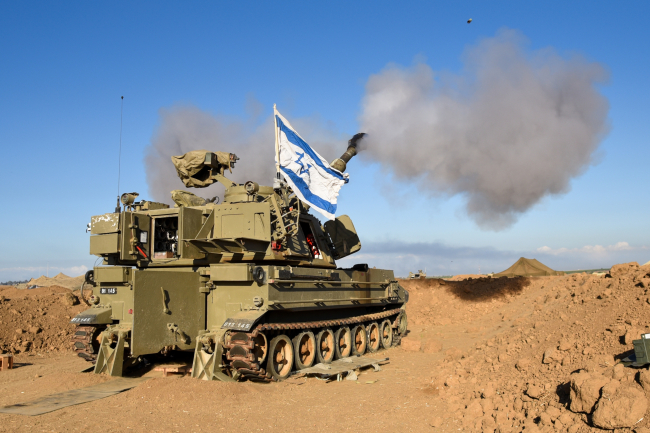
"Iron Swords" A Military Analysis of Israel's War in Gaza
On October 7, 2023, Hamas' attack, dubbed “Al-Aqsa Flood,” caused a major shock and led Israel to launch the longest war in its history. Operation “Iron Swords” was notable for its unprecedented intensity, both in terms of the massive ground forces deployed and the firepower used.
Replay - France-Ukraine Forum 2025
Replay of the France-Ukraine Forum 2025. - Three years after the start of Russia's full-scale war against Ukraine, the France-Ukraine 2025 Forum will welcome politicians, experts, academics, and civil society representatives from both countries to discuss three main topics: Ukraine's current military strategy and strategic perspectives; the country's resilience and recovery; Ukraine's European and transatlantic perspectives, including the EU accession process and its aspirations to join NATO.
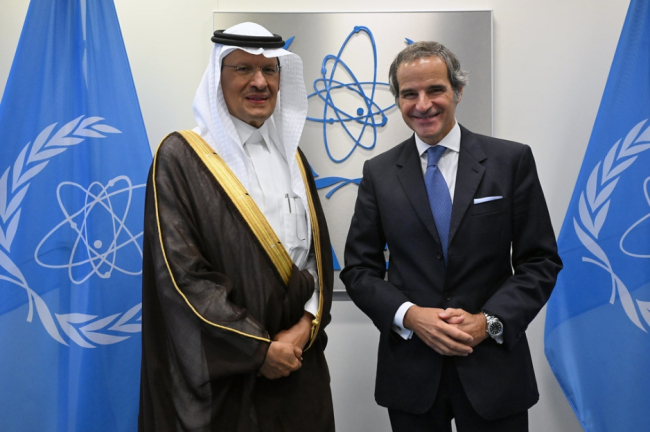
Saudi Arabia’s Nuclear Temptations. Lessons Learned from Regional Instability
Saudi Arabia’s integration in the international arena and regional stability, notably through reducing its dependence on fossil energies, are crucial elements for the success of the Kingdom’s Vision 2030, the Crown Prince’s top priority. However, Mohammed bin Salman’s declarations in 2018 and 2021, indicating that “if Iran develops a nuclear bomb, we will follow suit as soon as possible”, combined with the recent strikes on key Iranian nuclear facilities, do not bode well for the future of the Kingdom, the region and the non-proliferation regime at large.
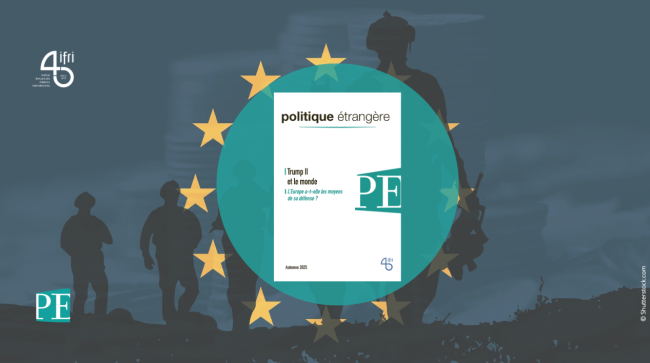
Europe Uncovered?
As Russia continues to threaten Europe, the Trump administration is making no secret of its desire to withdraw—at least partially—from the defense of the Old
Continent in order to focus on strategic competition with China. It is thus putting pressure on its European allies to increase their investment in the military sector. The NATO Summit in The Hague in June 2025 resulted in ambitious commitments by member states to increase their defense spending.
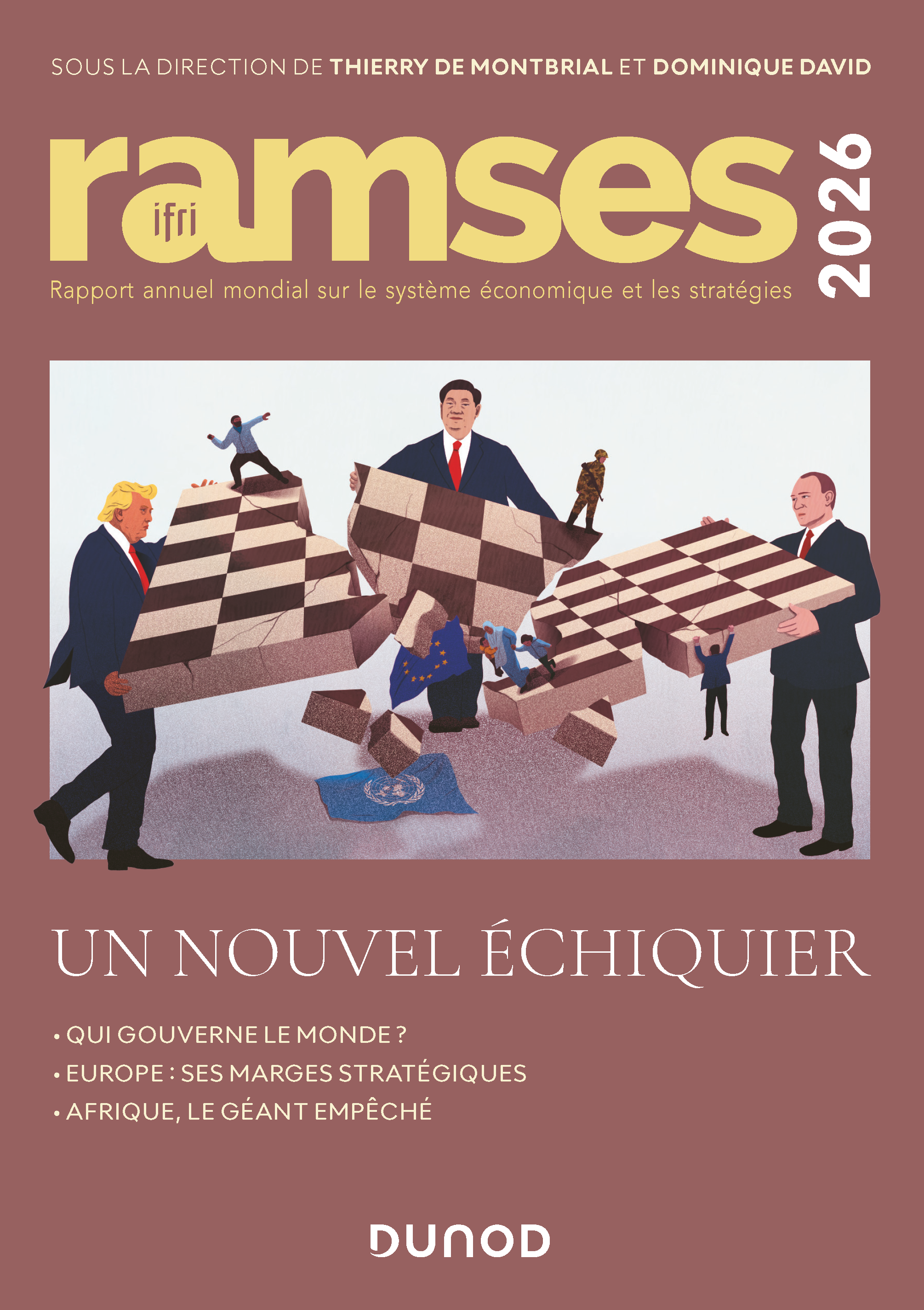
Ramses 2026. A New Chessboard
A world chessboard chopped up by the vertigo of power...

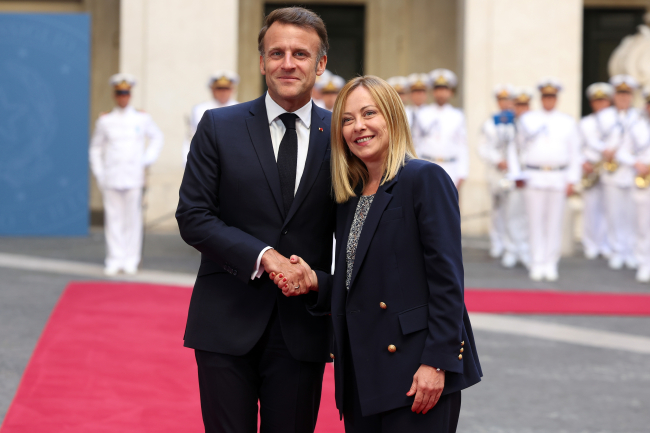
European safety guarantees for Ukraine: The torch burns between Paris and Rome
Last week, France summoned the Italian ambassador in a dispute that reveals the differences between Europeans over the security guarantees they would be prepared to provide to Ukraine in the event of a peace agreement.
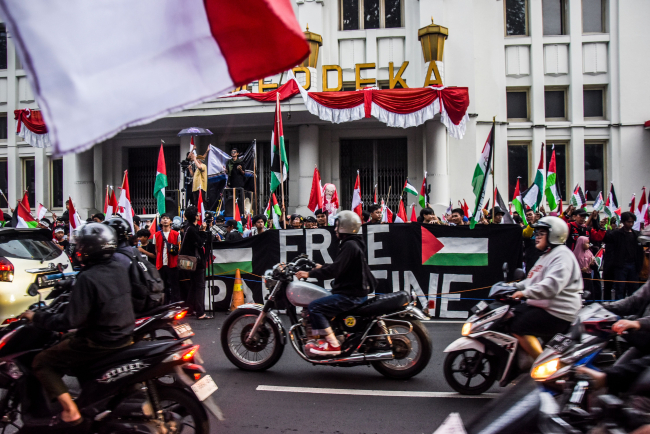
Indonesia and the Palestinian Cause
During his inaugural presidential speech on October 20, 2024, Indonesia’s incumbent president, Prabowo Subianto, iterated certain principles central to the philosophical foundation of the Indonesian nation. He noted Indonesia’s longstanding foreign policy of non-alignment or “bebas dan aktif” (free and active) and its aversion to military pacts.

"There's a difference between what our allies expect and what France is prepared to offer," said Héloïse Fayet, head of the deterrence and proliferation program at the French Institute for International Relations.

quoted by Noémie Bisserbe for The Wall Street Journal
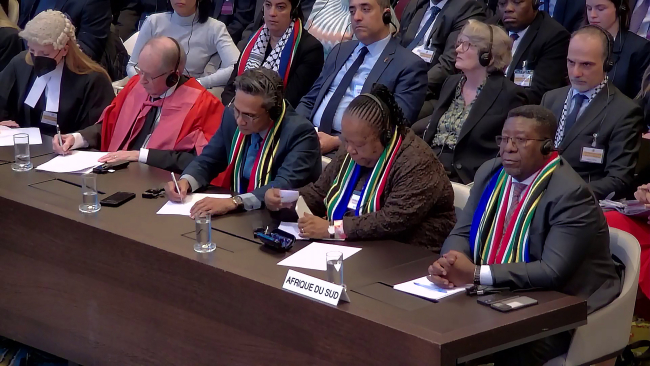
Middle Power Lawfare : South Africa, International Justice, and the Gaza Crisis
The intensification of violence in Gaza following Hamas’s 7 October 2023 Al Aqsa Flood attack and Israel’s military response prompted a broader reassessment of global diplomacy. Longstanding geopolitical alignments were disrupted, and questions about humanitarian obligations, institutional accountability, and the limits of state conduct returned to the centre of international debate.
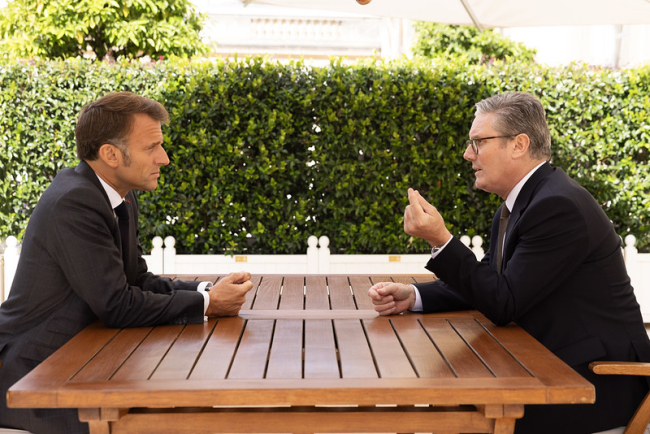
How should Britain and France cooperate to realise the Northwood Declaration?
During his state visit to the United Kingdom (UK) last week, Emmanuel Macron, President of France, signed a joint declaration with Sir Keir Starmer, Prime Minister, on nuclear cooperation between Britain and France. The Northwood Declaration highlights that while both countries’ nuclear arsenals remain sovereign, cooperation on nuclear deterrence can ‘contribute significantly’ to the security of the North Atlantic Treaty Organisation (NATO) and the Euro-Atlantic region.

The Evolving Role of Nuclear Rhetoric in Iran’s Strategic Calculus
How has the Iranian strategic discourse about nuclear weapons and deterrence evolved?
Addressing the Threat of Terrorism | NATO Public Forum 2025
NATO Public Forum 2025 LIVE | Day 1, 24 June 2025. Terrorism, instability and regional fragility continue to pose urgent challenges across the Middle East, North Africa, and the Sahel with direct implications for Allied security. How can NATO partnerships in its southern neighbourhood address the intertwined security, demographic and economic drivers behind this challenge? How to respond to the growing relevance of cyber terrorism and hybrid conflict?
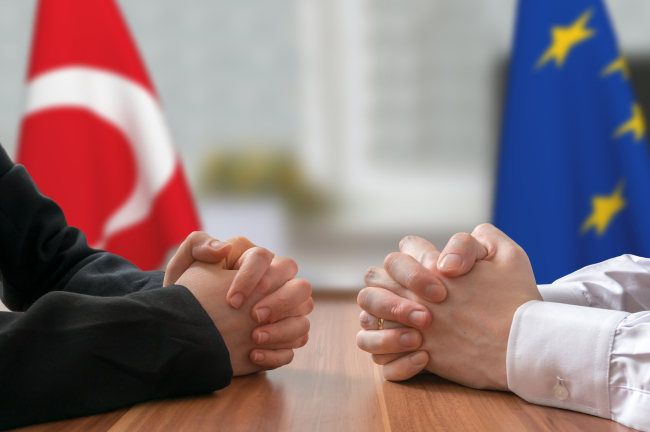
Turkey and France - Allies or Rivals: Opportunities to be Seized
As international relations have become increasingly unpredictable, the quest is to find a semblance of normality. Alliances are shifting as interests are changing. The so-called order established after the Second World War is being shattered by those who have given so much to create it. Global relations are being transformed by countries that wish to follow the rules and others that want to circumvent or ignore them. In this uncertain environment, it is therefore all the more crucial to find stable allies.

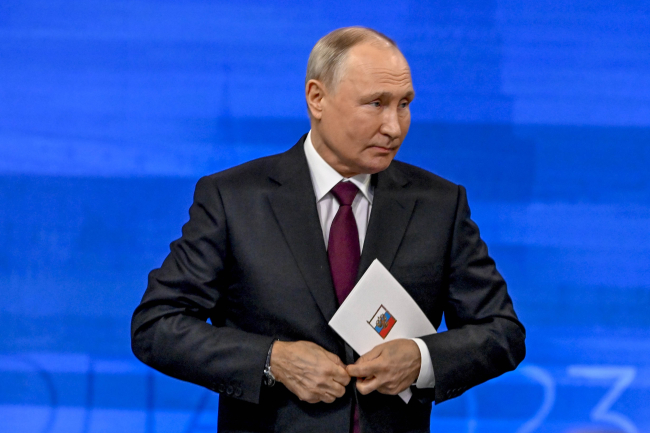
Putin Eyes Peacemaking Role In Israel-Iran Air War
Vladimir Putin is eyeing the conflict between Israel and Iran as an opportunity to thrust himself to the forefront of the international stage, more than three years into his invasion of Ukraine.


Macron’s Southeast Asia trip: What is behind the French president’s ‘third way’ proposal?
In a recent Southeast Asia tour, Macron pitched ‘strategic autonomy’ as a means for nations to avoid choosing sides in the US-China rivalry, offering France and Europe as alternative partners

Europe is trying to woo Southeast Asia — but it won’t win it over the U.S. or China
European leaders are looking to Southeast Asia with renewed interest amid Washington’s aggressive tariff agenda, but experts warn that the state of regional trade ties makes it challenging to disrupt the U.S. or China’s hold.
It’s difficult to assess the consequences of the strikes on the nuclear program itself and the facilities, as we are still waiting for independent analyses of the satellite imagery.
quoted in the Bulletin of the Atomic Scientists
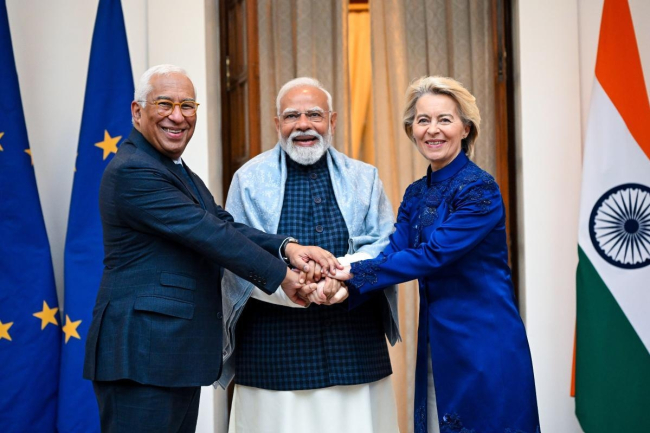
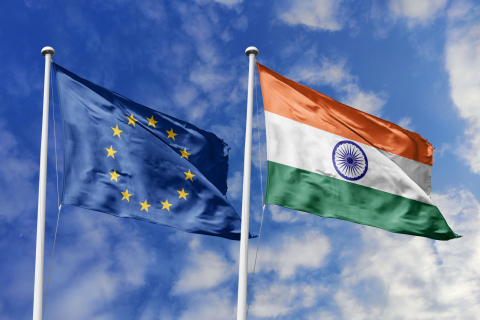
European Union-India: Lasting Rapprochement or Partnership of Convenience?
The partnership between the European Union (EU) and India has long been limited to economic exchanges. Its political dimension has gradually developed, culminating in its elevation to the status of a “strategic partnership” in 2004. However, the failure of negotiations for a free-trade agreement in 2013 slowed this momentum. Since the early 2020s, in an uncertain geopolitical context, bilateral rapprochement has gained new momentum.
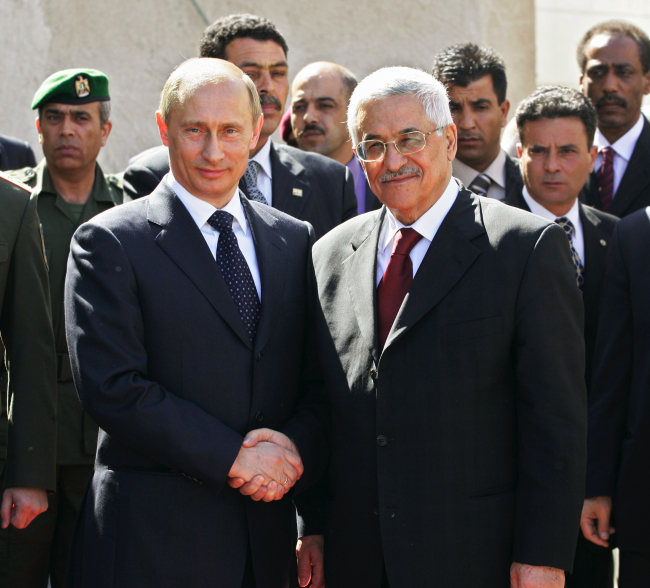
Russia, the Palestinians and Gaza: Adjustments after October 7th
The Soviet Union (USSR), and subsequently the Russian Federation as its internationally recognized legal successor, has consistently sought to play a visible role in efforts to resolve the Israeli-Palestinian conflict.
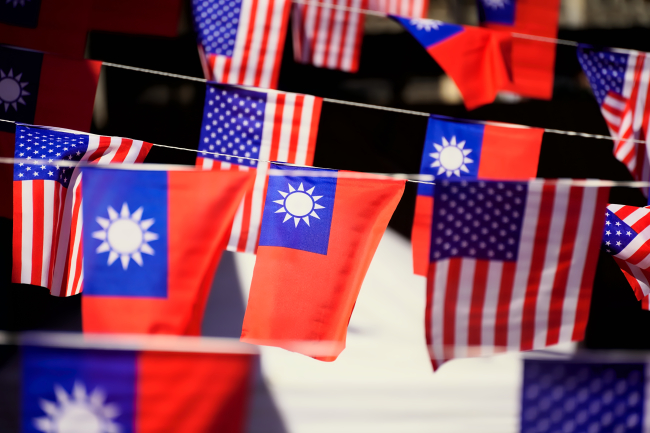
The U.S. Policy Toward Taiwan Beyond Donald Trump: Mapping the American Stakeholders of U.S.-Taiwan Relations
Donald Trump’s return to the White House reintroduced acute uncertainty into the security commitment of the United States (U.S.) to Taiwan. Unlike President Joe Biden, who repeatedly stated the determination to defend Taiwan, President Trump refrains from commenting on the hypothetical U.S. response in the context of a cross-Strait crisis.
Europe at the Crossroads of DefTech: Rethinking the European Defense Innovation Ecosystem
“The way I look at Iron Dome is as the ultimate manifestation of the future of the United States’ role in future conflicts, which is not to be the world police, but to be the world gun store,” said Palmer Luckey in November 2023. Luckey is the founder of Anduril, one of the most prominent DefTech companies. The ambition is clear: to participate in global rearmament by capitalizing on the quality of American innovations and to dominate the arms market—at least in the West—through technological mastery.
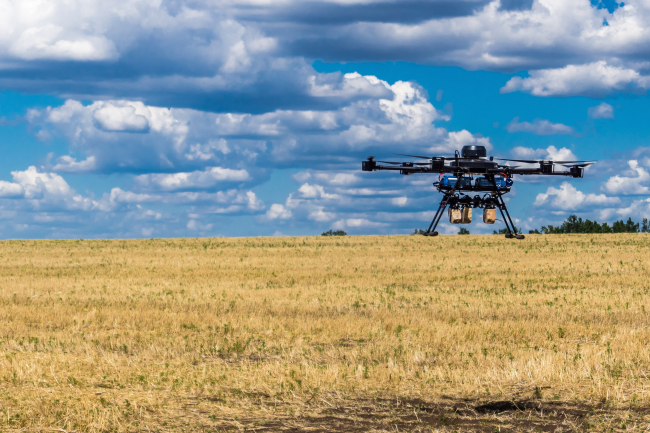
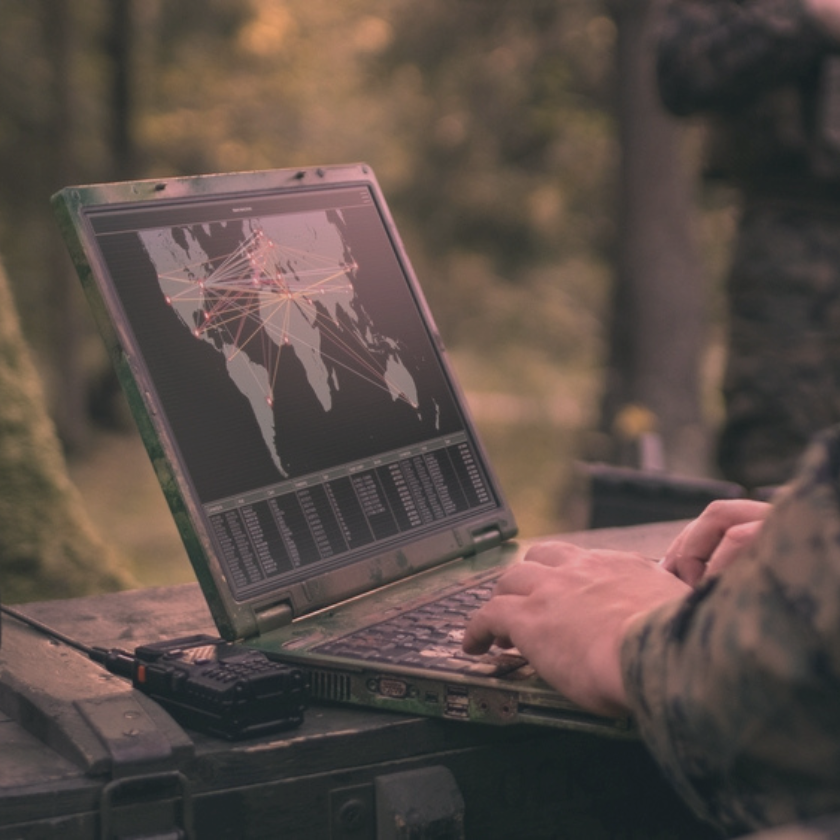
Mapping the MilTech War: Eight Lessons from Ukraine’s Battlefield
This report maps out the evolution of key technologies that have emerged or developed in the last 4 years of the war in Ukraine. Its goal is to derive the lessons the North Atlantic Treaty Organization (NATO) could learn to strengthen its defensive capabilities and prepare for modern war, which is large-scale and conventional in nature.
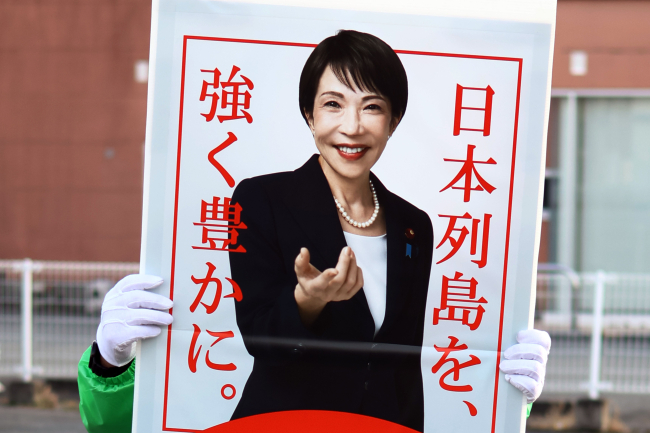
Japan’s Takaichi Landslide: A New Face of Power
Prime Minister Sanae Takaichi has turned her exceptional popularity into a historic political victory. The snap elections of February 8 delivered an overwhelming majority for the Liberal Democratic Party (LDP), driven by strong support from young voters, drawn to her iconoclastic and dynamic image, and from conservative voters reassured by her vision of national assertiveness. This popularity lays the foundation for an ambitious strategy on both the domestic and international fronts.
Mind the Deterrence Gap: Assessing Europe’s Nuclear Options
Europe must urgently confront a new nuclear reality. In recent years, Russia’s nuclear-backed revisionism has reintroduced nuclear coercion and the threat of nuclear escalation to the continent, underscoring the importance of credible nuclear deterrence. At the same time, Europe’s traditional reliance on US extended nuclear deterrence appears politically more fragile than at any point since the Cold War. Together, these developments require Europeans to think about their nuclear options.
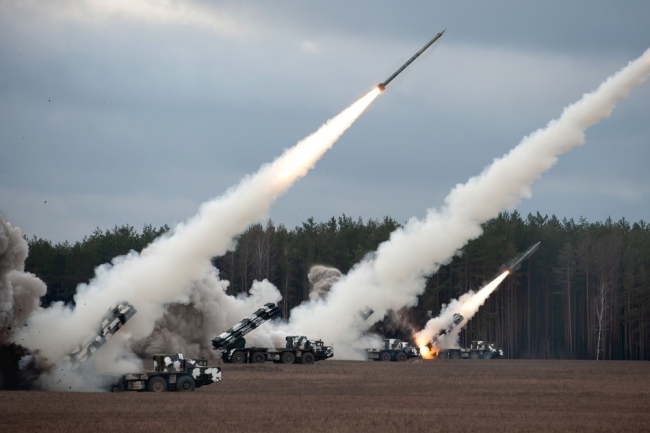
Multiple Launch Rocket Systems Europe’s Long-standing and Enduring Dependence?
The war in Ukraine has underlined the importance of multiple launch rocket systems (MLRS) in modern conflict, especially a war without clear air superiority and hence a reduced potential for air-launched deep strike. In 2022, the European MLRS fleet was split between a variety of Western platforms developed at the end of the Cold War and specialized in precision strikes.

Canada’s Recognition of a Palestinian State: What Consequences on its Foreign Policy Toward Palestine?
On September 21, 2025, Canada became the 148th of 157 countries to recognize Palestine as a state. It did this with the United Kingdom (UK) and Australia, defying the United States (US) and Israeli opposition.
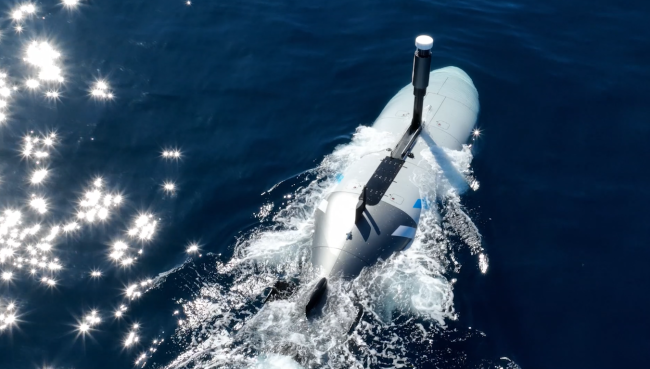
Autonomous Systems in the Underwater Domain: A Limitless Revolution?
One of the decisive strategic factors in the ongoing Russo-Ukrainian war is the mass use of aerial, maritime, and terrestrial autonomous capabilities, which are transforming the face of the battlefield. Nevertheless, many of these drones are still remotely piloted, operated, or supervised, testifying to the fact that the autonomization of military capabilities is still at an embryonic stage.

High hopes UK-France summit will reset soured post-Brexit relations
As Emmanuel Macron prepares to welcome Rishi Sunak to Paris, hopes are high that the first UK-France summit since 2018 will turn the page on years of strained post-Brexit relations.
France's Macron Set For Four-nation Tour Of Africa
President Emmanuel Macron kicks off a tour of Central Africa on Wednesday in a diplomatic drive to test out a new "responsible relationship" with the continent as anti-French sentiment runs high in some former colonies
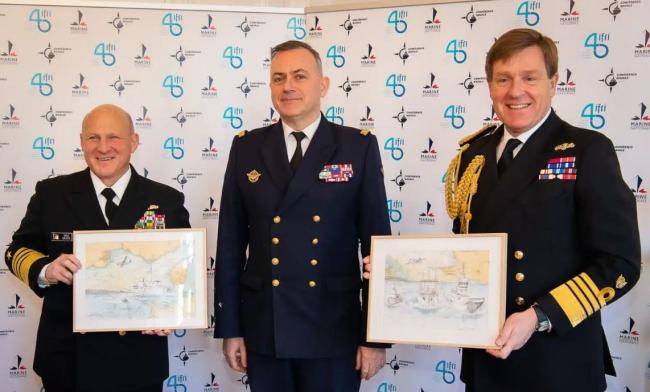
US Navy, French Navy And Royal Navy See Eye To Eye On Interoperability
The heads of the three leading NATO navies, the Chief of Naval Operations (CNO), Admiral Mike Gilday, First Sea Lord, Admiral Ben Key, and the Chief of Staff of the French Navy, Admiral Pierre Vandier, met last week in France for the first ever "Paris Naval Conference".

CNO Delivers Remarks at Paris Naval Conference
CNO Delivers Remarks at Paris Naval Conference
Below is a transcript of the remarks as delivered:
THOMAS GOMART: Just a quick announcement before starting. If you don't want to practice your French you can use receptors which are with this gentleman over there or at the table, because I will speak French and switch to English for the session.


France's strategic thinking in the Middle East is at a standstill
French President Emmanuel Macron was poised to arrive in Jordan for a two-day visit starting on Tuesday, December 20. French troops are deployed in the country as part of the Chammal military operation. Héloïse Fayet, a researcher with the Institut Français des Relations Internationales (French Institute of International Relations) who specializes in the armed forces present in the Middle East, told Le Monde that the terrorist threat in the region was almost eliminated. This, she said, should lead Paris to rethink its strategy. Ms. Fayet published a study in mid-November examining France's strategic posture in the Middle East.

How Rwanda Became Africa’s Policeman
From Benin to Mozambique, President Paul Kagame is flexing his small country’s military muscle—and transforming the continent’s security landscape.

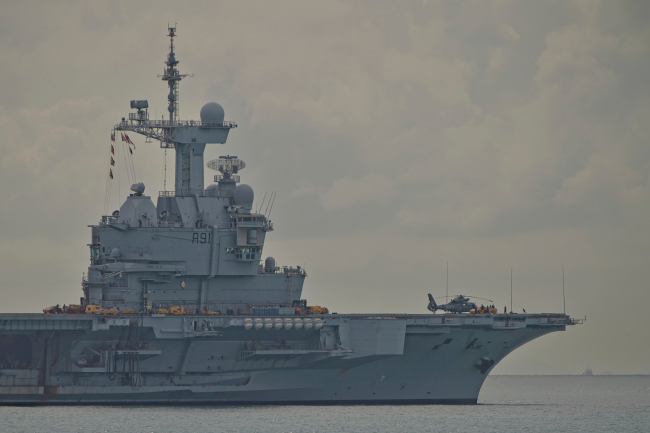
French Navy bets on electronic warfare to counter anti-ship threats
With 2,000 miles of direct coastline and more than a dozen overseas territories, France’s naval vessels maintain a continuous presence in multiple maritime zones — from the North Sea to the Caribbean, and from the Indian Ocean to the Pacific.

France and AUKUS: A Necessary Reconciliation
One year on, the announcement of the Australia-U.K.-U.S alliance has not been accompanied by any major changes to France’s Indo-Pacific defense strategy.

After support for Ukraine, Kishida aims for NATO unity on China
When Prime Minister Fumio Kishida becomes the first Japanese leader to attend a NATO leaders summit on Wednesday, he’ll be looking to stress the need for unity in preventing China from taking the “wrong lessons” from the Ukraine war as the bloc looks to expand its footprint in the Indo-Pacific.

An Engine Replacement Could Kill Europe’s Huge F-35 Plans
If the decision to replace the engine for the F-35A is implemented, countries flying F-35s will find themselves forced into unforeseen and overly complicated supply chains.
Ifri, a foundation recognized as being of public utility, relies largely on private donors – companies and individuals – to guarantee its sustainability and intellectual independence. Through their funding, donors help maintain the Institute's position among the world's leading think tanks. By benefiting from an internationally recognized network and expertise, donors refine their understanding of geopolitical risk and its consequences on global politics and the economy. In 2026, Ifri partners with over 90 French and international companies and organizations.

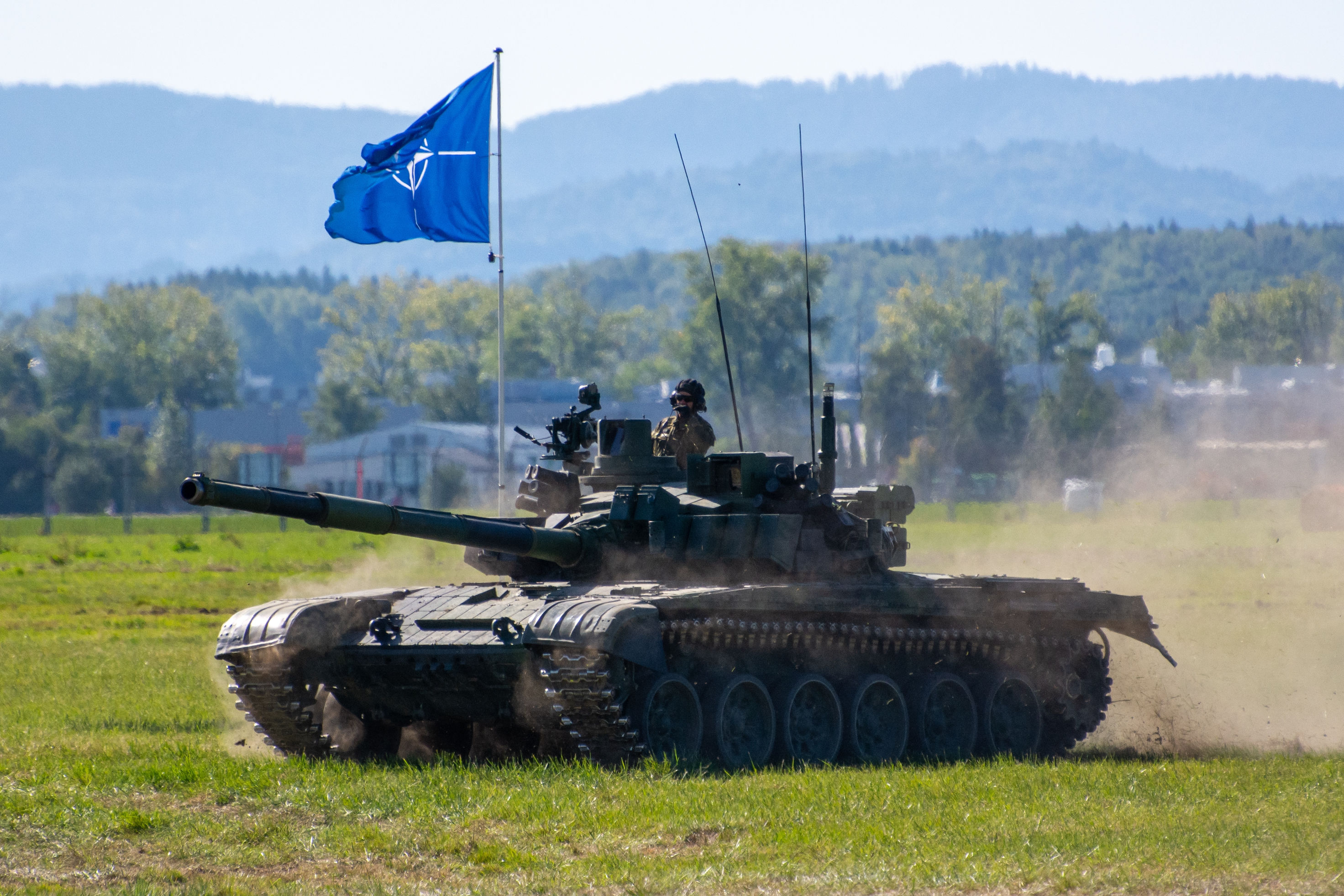
The European & Transatlantic Security Program aims to contribute to the strategic debate by developing analyses around three main axes: European defense and the security architecture of the European continent, institutional and strategic links between the Treaty Organization of North Atlantic (NATO) and the European Union (EU), as well as the evolution of the transatlantic relationship.
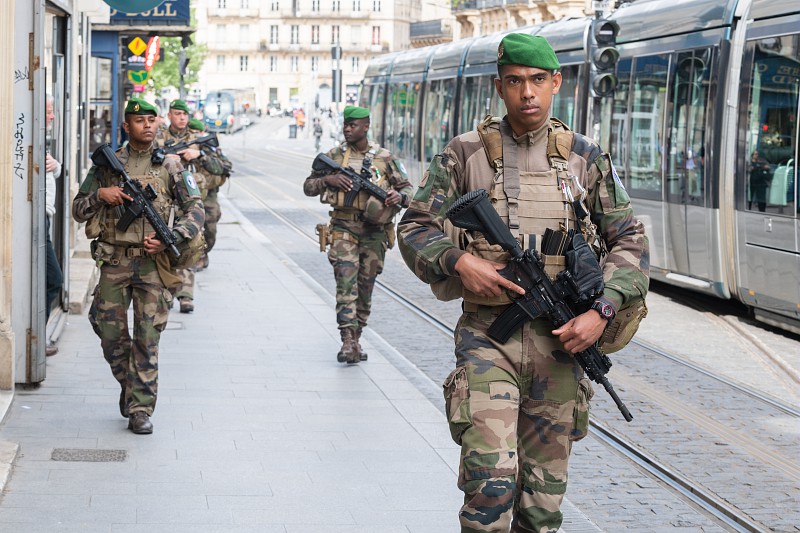
The distinction between internal and external threats is often exaggerated, as the borders are so porous. Conflicts taking place thousands of kilometers from France can have tragic resonances on national territory. Radicalization, terrorism and even organized crime have an international dimension that cannot be ignored.
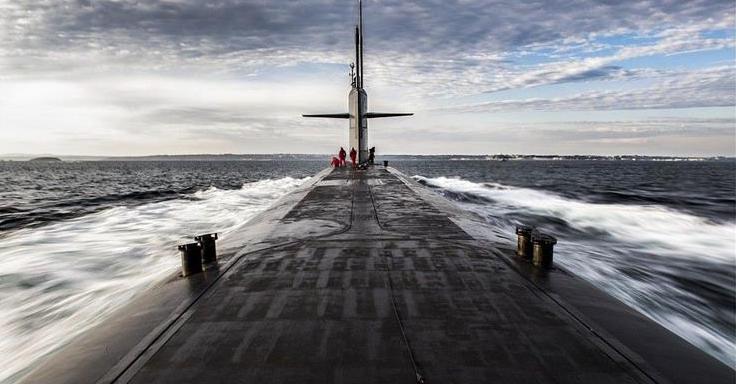
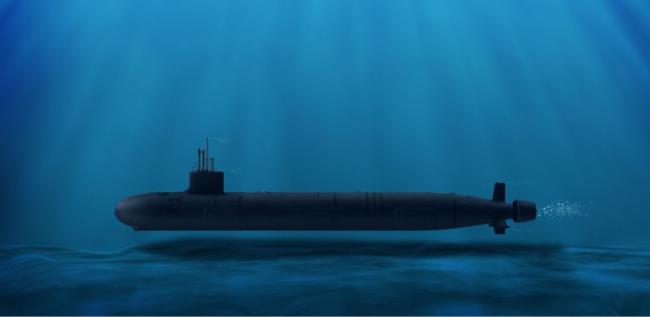
The conflicts in Europe, Asia and the Middle East demonstrate a return of nuclear power to the balance of power. Arsenals are being modernized and expanded, while arms control is collapsing. This research program aims to analyze these phenomena.
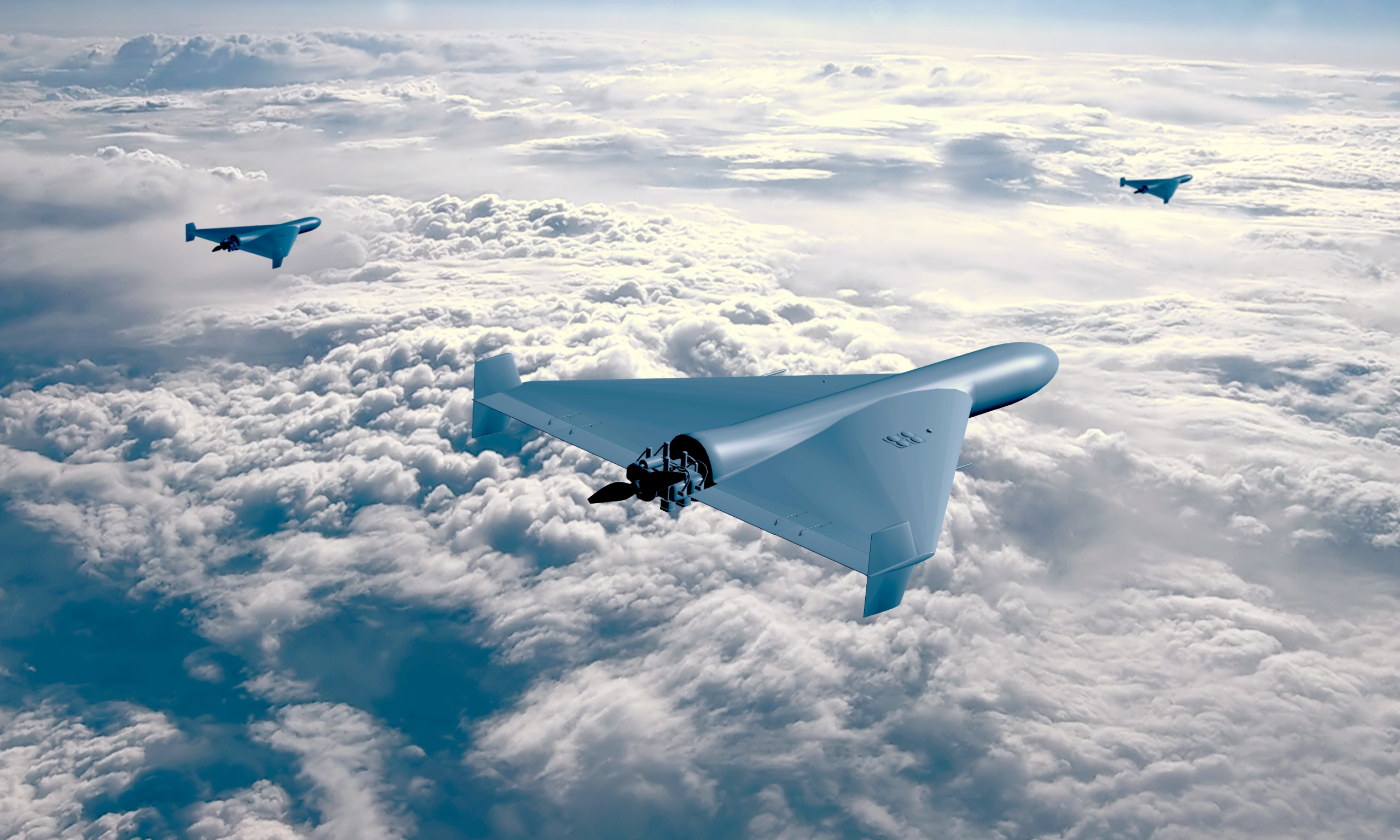
The Observatory of Future Conflicts is a research program carried out by the French Institute of International Relations and the Foundation for Strategic Research on behalf of the three army headquarters aimed at studying developments in tensions and armaments at the horizon 2040 in a transversal perspective, taking into account the issues of each army.
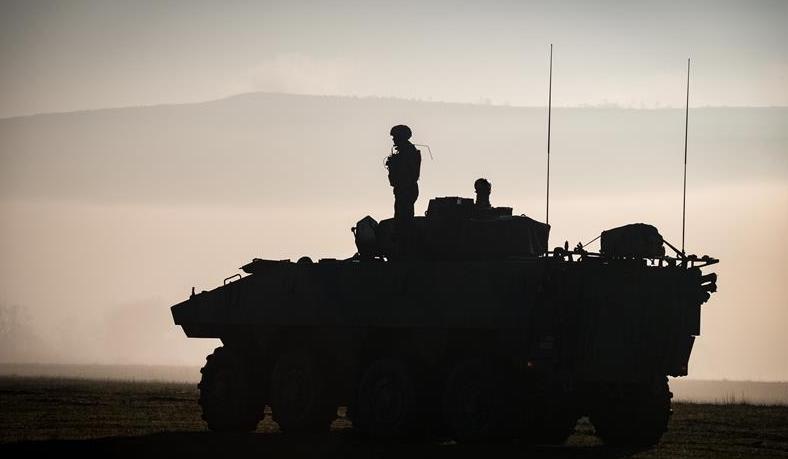
Heir to a tradition dating back to the founding of Ifri, the Security Studies Center provides public and private decision-makers as well as the general public with the keys to understanding power relations and contemporary modes of conflict as well as those to come. Through its positioning at the juncture of politics and operations, the credibility of its civil-military team and the wide distribution of its publications in French and English, the Center for Security Studies constitutes in the French landscape of think tanks a unique center of research and influence on the national and international defense debate.
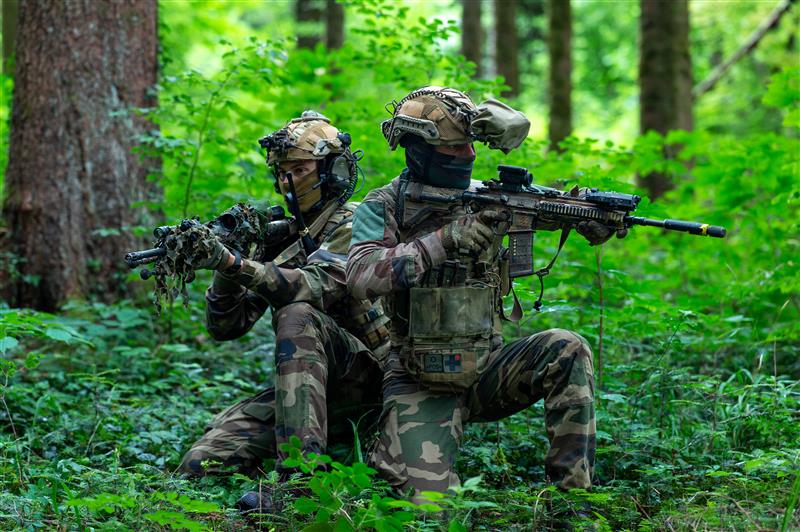
The Defense Research Unit is a program that aims at stimulating the strategic debate by dealing with subjects at the junction of the “technico-operational” and the “political-strategic”. A unique structure in France, it brings together civilian researchers and “military fellows” from each of the three armies to produce work on defense policies, the capability and strategic adaptation of armies, and foresight on tomorrow's conflicts.