







North Korea: Assessing a clear and present danger to regional stability in Northeast Asia

Informations pratiques
Centres et programmes liés
SEMINAR CANCELLED
North Korea is perhaps the most volatile hotspot in East Asia today. As a new administration takes to the White House in Washington and political scandals rock Seoul, Pyongyang appears intent on taking advantage of fortuitous timing to confirm advances in its nuclear deterrence capability in the form of a much-anticipated test launch of an intercontinental ballistic missile. The risk of instability and violence on the Korean Peninsula seems only to increase with time. Two renowned experts on North Korea and the diplomacy of dealing with the regime in Pyongyang will provide their views on this crucial element of regional security.
- Victor Cha, Senior Adviser and Korea Chair at the Center for Strategic and International Studies (CSIS) in Washington D.C. and a former Director for Asian Affairs at the National Security Council under George W. Bush (2004-2007)
- John Everard, former Coordinator of the United National Panel of Experts on sanctions against North Korea (2011-2012) and former British Ambassador to North Korea (2006-2008)
Chair: Françoise Nicolas, Director, Center for Asian Studies, Ifri
Autres événements
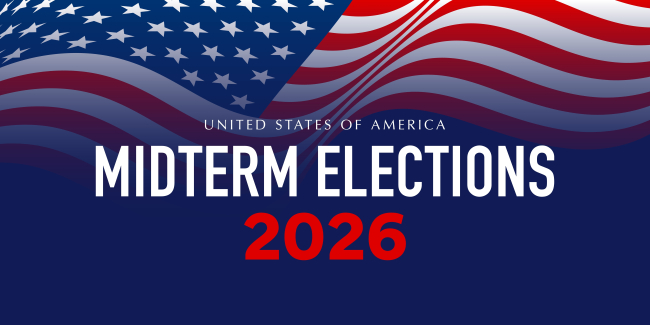
Midterms 2026 : un nouveau test pour la démocratie américaine
Un brief de 30 minutes autour de Laurence Nardon, Responsable du Programme Amériques de l'Ifri.

France-Allemagne : le moteur européen face aux ruptures stratégiques
La guerre en Ukraine, les incertitudes transatlantiques et l’offensive industrielle chinoise bouleversent les équilibres géopolitiques et économiques européens. À ces pressions extérieures s’ajoutent des tensions internes, marquées par la polarisation politique, la montée des populismes et une défiance croissante envers les institutions européennes.
Quelle coordination internationale à l'ère de la fragmentation géoéconomique ? 3e Dialogue Géoéconomique de Paris
L’économie mondiale est en train d’être réorganisée. Les certitudes de l’ère post-Guerre froide — libre-échange, centralité du dollar, coordination multilatérale prévisible — cèdent la place à un paysage façonné par la rivalité entre les États-Unis et la Chine, l’instrumentalisation de l’interdépendance, ainsi qu’une course effrénée pour sécuriser les chaînes d’approvisionnement, les technologies et les ressources critiques.