


Security - Defense
As a result of global strategic competition, security and defense issues are marked by the return of major wars and nuclear deterrence, the transformation of terrorism and the race for military technologies.
Related Subjects
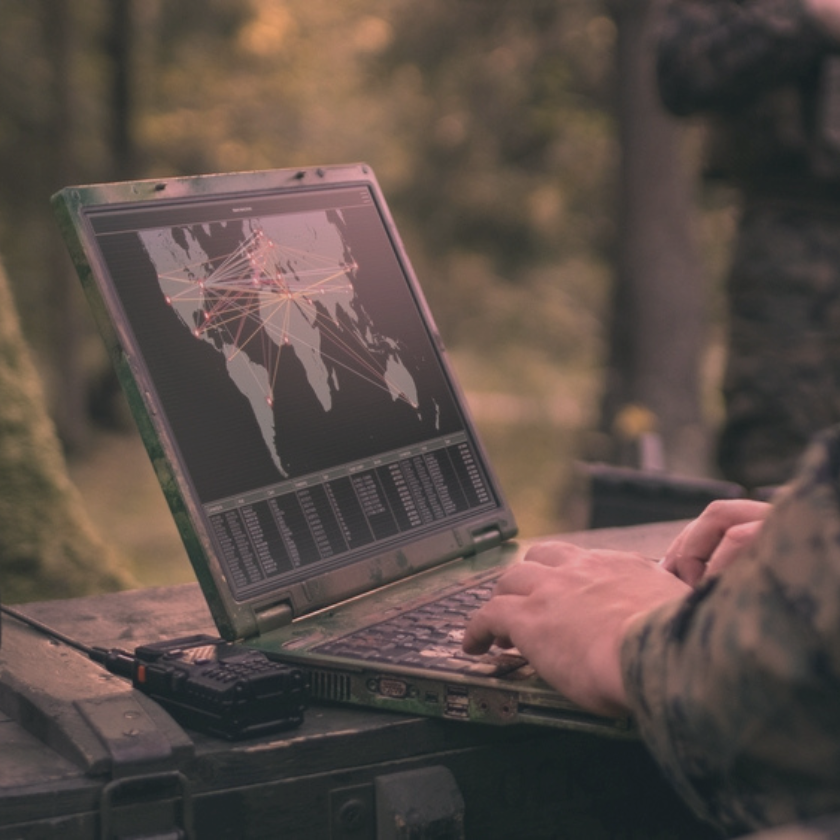
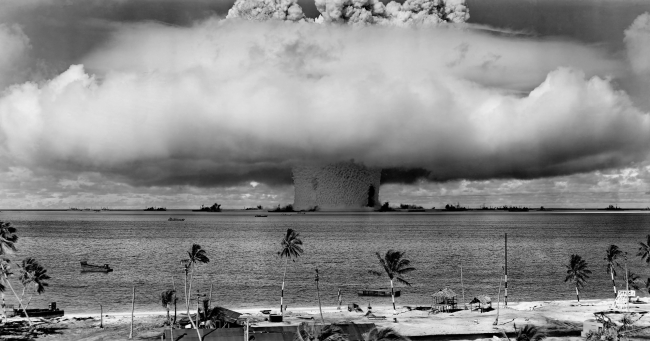
A Fragile Consensus? The Pressure on the Norm Against Nuclear Testing
Apart from North Korea, no state has conducted explosive nuclear tests in the 21st century, reflecting the emergence of a strong international norm against such testing.
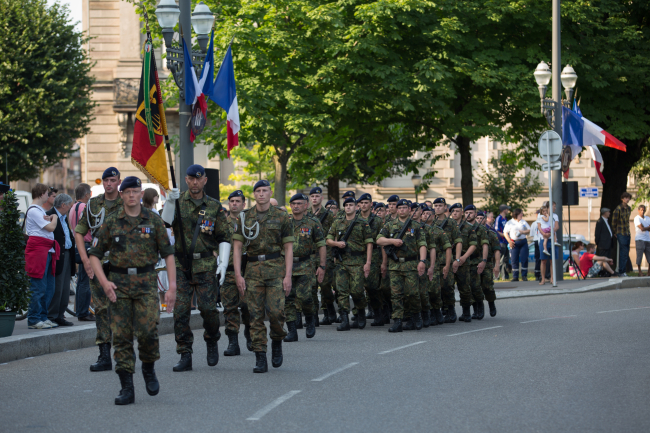
The Franco-German Brigade and the Revival of European Defense
One thing has been clear since Donald Trump's return to the White House: the very existence of the European unification project is threatened. Unless it develops a sovereign defense policy to counter the war in Ukraine and the weakening of American security guarantees, the European Union will continue to see its internal cohesion and external attractiveness wane.
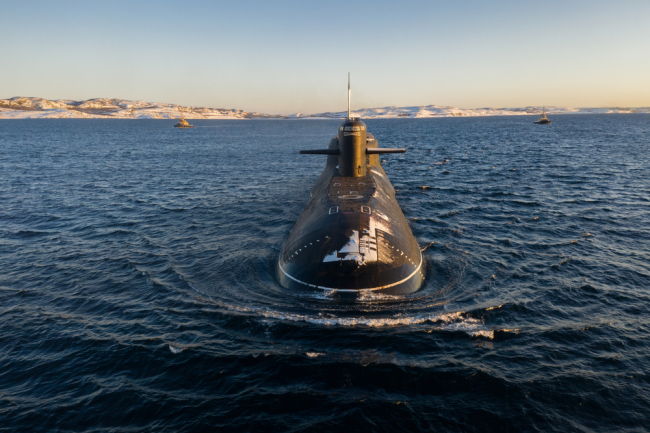
Taking the Pulse: Can Europeans Build Their Independent Extended Nuclear Deterrent?
Confronted with a U.S. disengagement and the Russian threat, Europeans are reconsidering their stance on nuclear deterrence. Given the capabilities of the French and British arsenals, can Europe develop an independent nuclear deterrent?
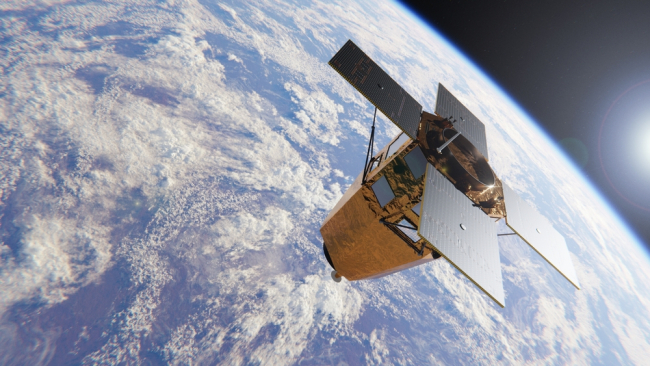
The European Space Model: Renewing Ambition in a Changing Strategic Landscape
The European space model, based on science, cooperation and trade, is now being undermined by changes in international relations and the economic upheavals brought about by New Space. In light of the war in Ukraine and American disengagement, Europe needs to rethink its strategy by adding a fourth pillar dedicated to defense, in order to strengthen its sovereignty and deter possible aggression against the continent.
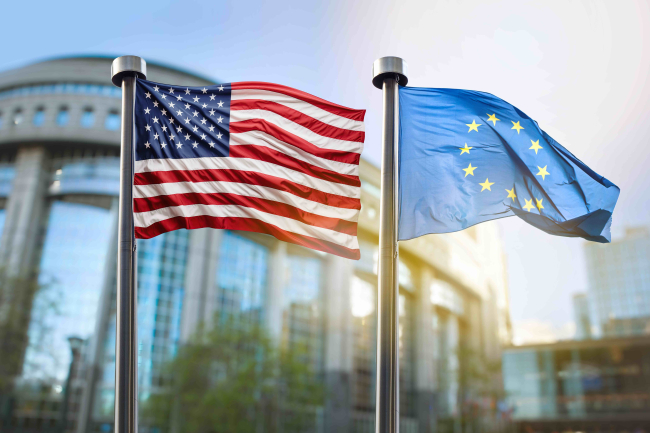
A Transatlantic Defense Industrial Base? Two Contrasting Views
The evolving landscape of global defense cooperation has brought the transatlantic relationship between the United States (US) and Europe into sharp focus. As geopolitical tensions rise and the threat environment becomes more complex, the question of how Europe can best ensure its security while navigating its relationship with the United States has become paramount. This double feature report offers two contrasting views on the dynamics of US-Europe defense industrial relations, highlighting the challenges and opportunities that lie ahead for both parties.
Trump 2: Challenges for the US Military Posture - Politique étrangère, Vol. 90, No. 1, Spring 2025
The distribution of operational leverage points in US strategy has changed significantly over the past two decades, with a sharp reduction. Donald Trump's distancing and repeated criticism of traditional US alliances threaten to undermine the entire architecture of the US presence in the world, beyond the concrete, real and, in particular, industrial impasses of America's military posture.
Ukraine: A Year of Uncertain Peace - Politique étrangère, Vol. 90, No. 1, Spring 2025
During his election campaign, Donald Trump promised to settle the war in Ukraine in 24 hours. As the American president settles into the White House, different options are emerging for the future of this conflict. Some are more likely than others, but none can be ruled out. European countries appear increasingly divided over Russia, and the European Union risks paying a high price if it fails to come up with a solid common strategy.
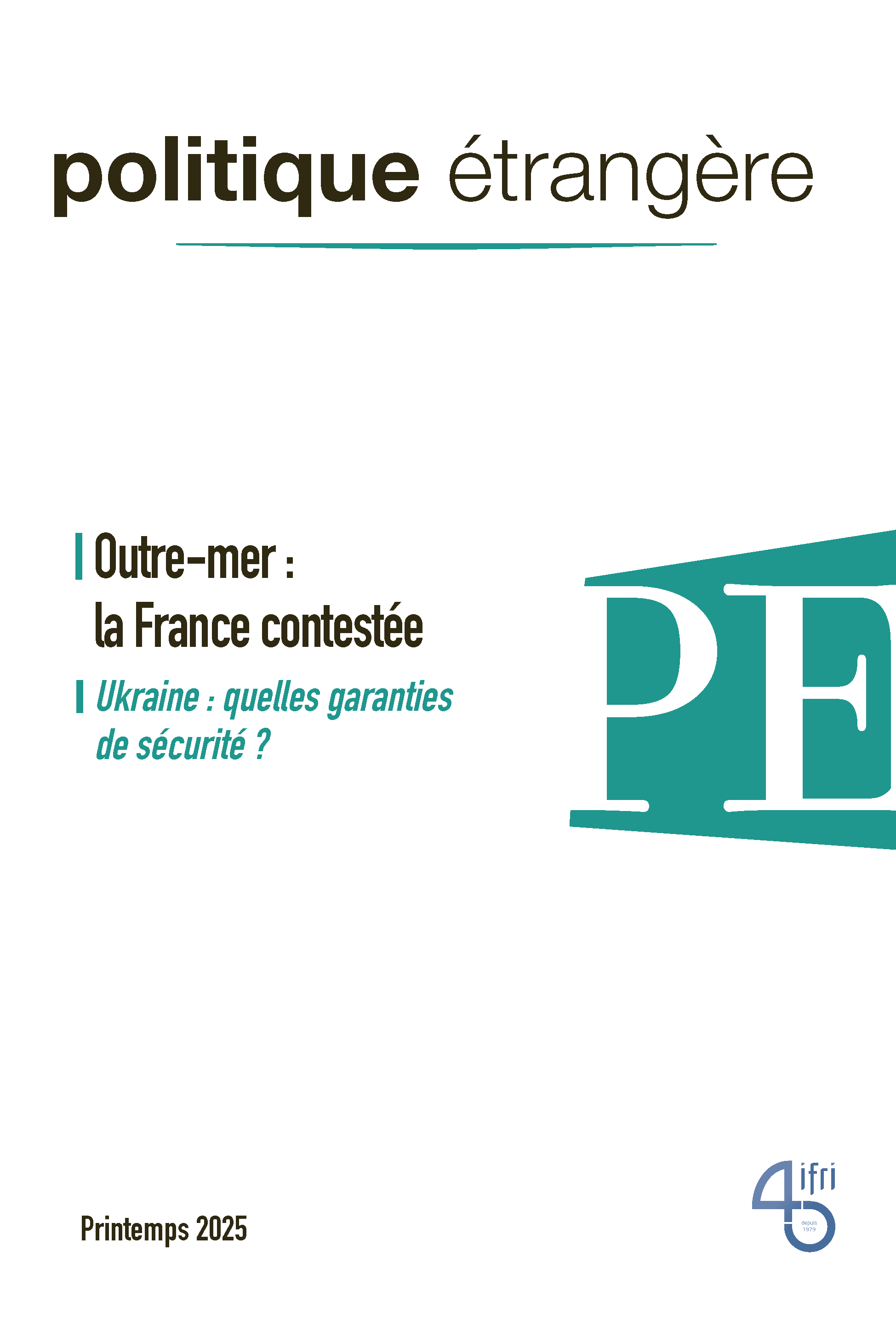
France Contested in Overseas Territories - Politique étrangère, Vol. 90, No. 1, Spring 2025
New Caledonia, Mayotte: France's overseas territories were severely shaken in 2024. Beyond explanations of the economic situation, the place of these overseas territories in French policies and strategies is once again being called into question.
Are France's overseas territories the remnants of an outdated colonialism? Or, on the contrary, are they supports for an extended French presence that the opening-up of the world makes indispensable, and barriers raised here and there against the appetites of new powers? In any case, what policies should the Hexagone pursue in these regions, to promote better development and more effective integration into their environment? And is the legal status of these overseas territories untouchable?
How the US under Trump Became a Strategic and Ideological Adversary of Europe
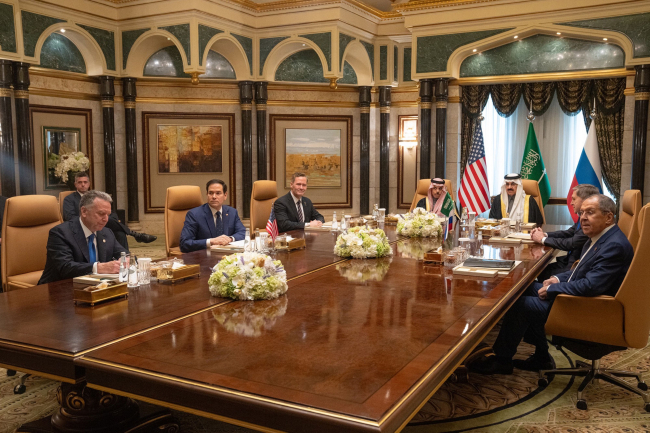
The Europeans' worst security nightmare seems to be coming true: on Tuesday, February 18, 2025, U.S. Secretary of State Marco Rubio and Russian Foreign Minister Sergey Lavrov met in Saudi Arabia to initiate the normalization of relations between their two countries. The meeting also aimed to set up peace negotiations for Ukraine. However, despite having the potential to affect the entire continent, the discussions took place without the Europeans or the Ukrainians being present.
France’s Contributions to Pacific Maritime Governance
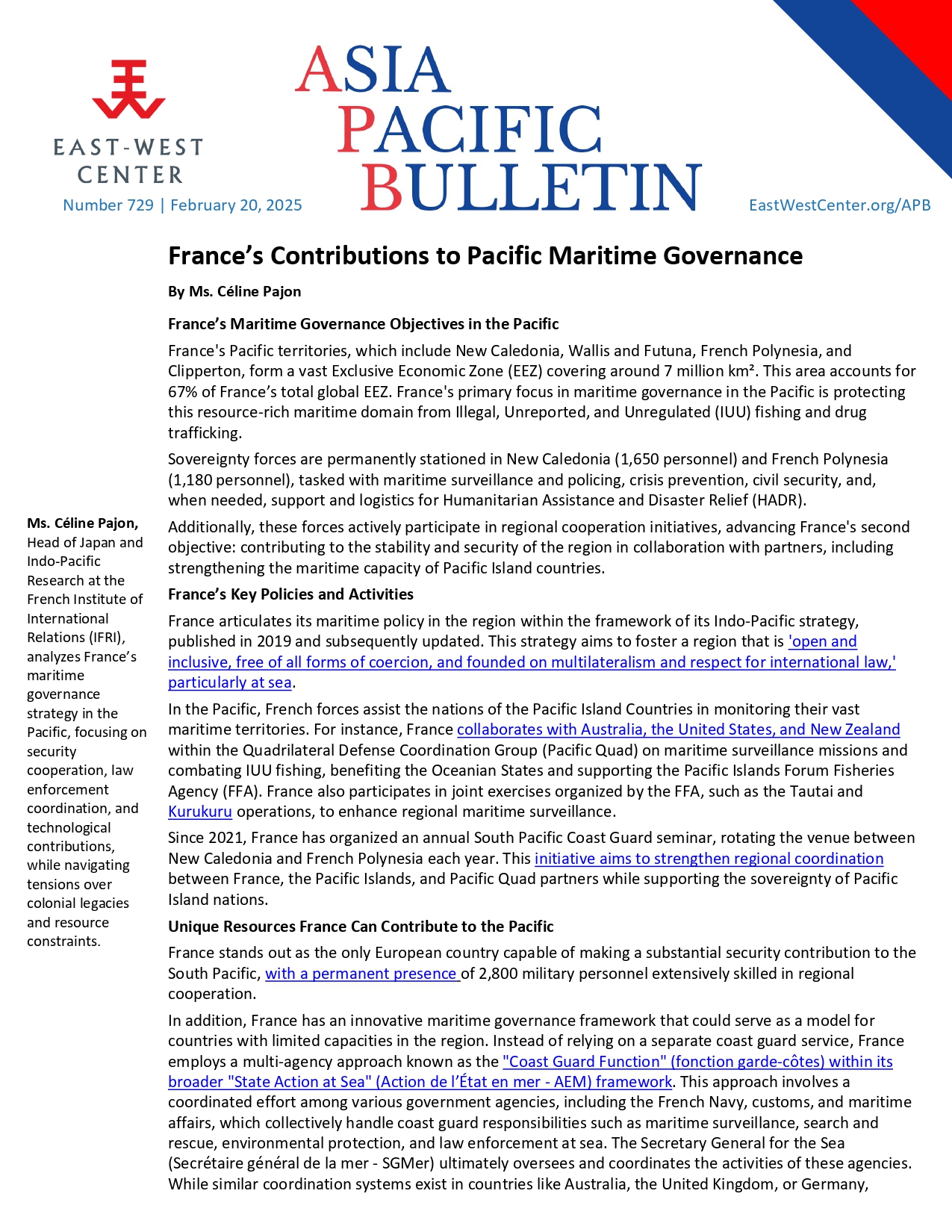
France stands out as the only European country capable of making a substantial security contribution to the South Pacific, with a permanent presence of 2,800 military personnel extensively skilled in regional cooperation.
A Fragile Consensus? The Pressure on the Norm Against Nuclear Testing
Apart from North Korea, no state has conducted explosive nuclear tests in the 21st century, reflecting the emergence of a strong international norm against such testing.
The Franco-German Brigade and the Revival of European Defense
One thing has been clear since Donald Trump's return to the White House: the very existence of the European unification project is threatened. Unless it develops a sovereign defense policy to counter the war in Ukraine and the weakening of American security guarantees, the European Union will continue to see its internal cohesion and external attractiveness wane.
Taking the Pulse: Can Europeans Build Their Independent Extended Nuclear Deterrent?
Confronted with a U.S. disengagement and the Russian threat, Europeans are reconsidering their stance on nuclear deterrence. Given the capabilities of the French and British arsenals, can Europe develop an independent nuclear deterrent?
The European Space Model: Renewing Ambition in a Changing Strategic Landscape
The European space model, based on science, cooperation and trade, is now being undermined by changes in international relations and the economic upheavals brought about by New Space. In light of the war in Ukraine and American disengagement, Europe needs to rethink its strategy by adding a fourth pillar dedicated to defense, in order to strengthen its sovereignty and deter possible aggression against the continent.
A Transatlantic Defense Industrial Base? Two Contrasting Views
The evolving landscape of global defense cooperation has brought the transatlantic relationship between the United States (US) and Europe into sharp focus. As geopolitical tensions rise and the threat environment becomes more complex, the question of how Europe can best ensure its security while navigating its relationship with the United States has become paramount. This double feature report offers two contrasting views on the dynamics of US-Europe defense industrial relations, highlighting the challenges and opportunities that lie ahead for both parties.
How the US under Trump Became a Strategic and Ideological Adversary of Europe
The Europeans' worst security nightmare seems to be coming true: on Tuesday, February 18, 2025, U.S. Secretary of State Marco Rubio and Russian Foreign Minister Sergey Lavrov met in Saudi Arabia to initiate the normalization of relations between their two countries. The meeting also aimed to set up peace negotiations for Ukraine. However, despite having the potential to affect the entire continent, the discussions took place without the Europeans or the Ukrainians being present.

The China-Russia Partnership and the Ukraine War: Aligned but not allied
China and Russia maintain a strategic partnership rooted in shared opposition to the U.S. and liberal democracies, but their relationship is shaped more by pragmatism than trust.
France’s Contributions to Pacific Maritime Governance
France stands out as the only European country capable of making a substantial security contribution to the South Pacific, with a permanent presence of 2,800 military personnel extensively skilled in regional cooperation.
The United Nations Mission in Congo or the exemplary uselessness of the United Nations peacekeepers
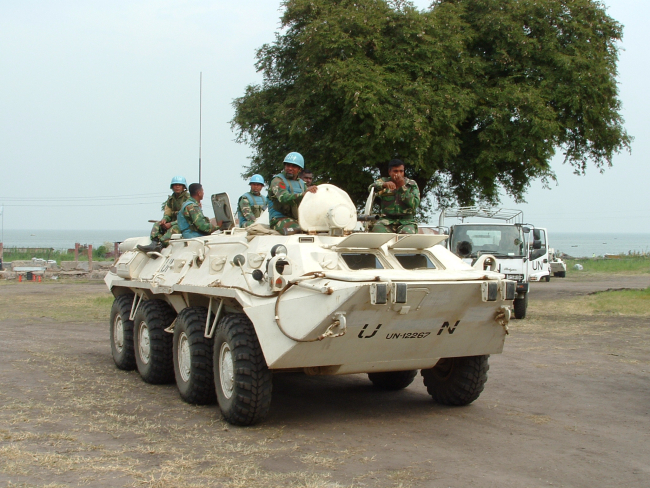
During the M23 conflict in 2012-2013 in the Democratic Republic of Congo (DRC), the United Nations (UN) took the diplomatic initiative (by initiating the Addis Ababa agreement) and the military initiative (by launching a coordinated counter-offensive with the Congolese army). Since the resurgence of this conflict in 2022, the United Nations, which still has more than 10,000 peacekeepers deployed in eastern DRC, no longer plays any role.
The Future of Air Superiority. Command of the Air in High Intensity Warfare
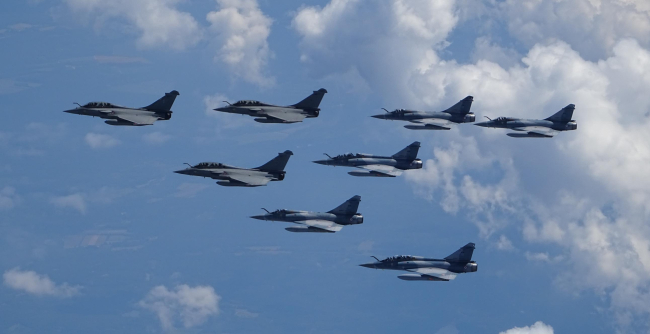
Air superiority, understood as control of the air, is a cornerstone of the Western art of warfare. It is a decisive condition, albeit not sufficient by itself, to achieve military victory, as it enables the concentration of air power toward the achievement of wider strategic objectives and protects other components from unbearable attrition levels. It is best achieved through the offensive use of air power in a joint effort to neutralize the enemy’s air power.

French "State Action at Sea" as a Model for SE Asian Coast Guards
South-East Asian countries like Philippines and Indonesia have to cope with an increasing number of maritime issues in order to exert their sovereign rights over their territorial waters, archipelagic waters and exclusive economic zones (EEZ). In the midst of a tense geostrategic environment, the security of maritime areas and, more broadly, security in the high seas, are subject to major threats and illegal activities as recently summarized in the last Information Fusion Centre (IFC) annual report: piracy and sea robbery, maritime terrorism, cyber-attacks and AIS spoofing, trafficking of all kinds, illegal fishing activities and maritime pollution.
AUKUS, a Hot Topic at Beijing Xiangshan Forum Webinar 2021
BEIJING, Oct. 28 -- The 5th session of Beijing Xiangshan Forum Webinar 2021 was held on the evening of October 26 around the topic of “Strategic Stability: Impasse and Way Out”, in which the establishment of the so-called trilateral security partnership, AUKUS, by the US, Britain and Australia and their nuclear submarine cooperation were heatedly discussed.

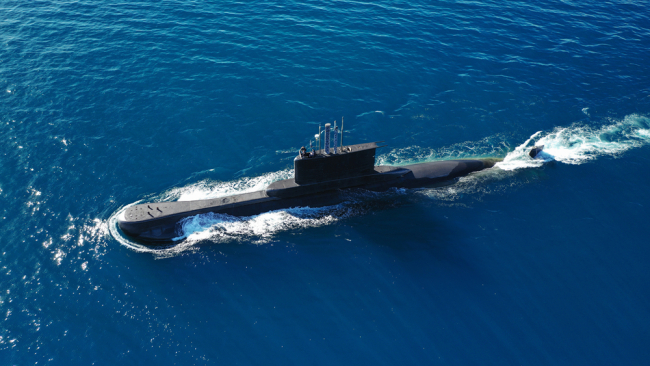
France’s submarine trouble highlights its precarious status as a great power
French admiral says US has broken a pact among nuclear powers on the UN Security Council by agreeing to sell nuclear submarines.

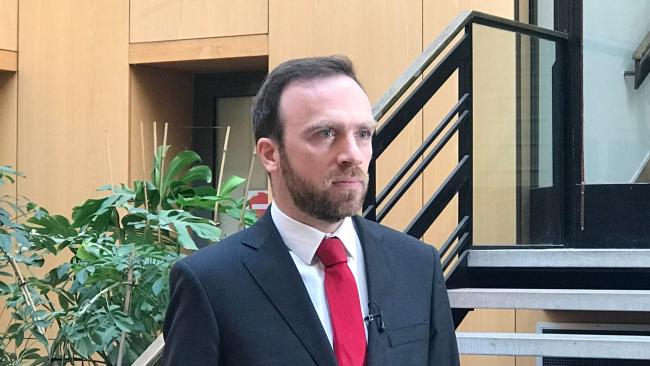
Paris attacks: Survivors hope for justice as France's biggest criminal trial in history begins
"Still now I have the images of the corpses next to my feet": Olivier Laplaud and his wife were in the Bataclan enjoying themselves amongst a crowd of 1,500 people when everything changed in an instant.

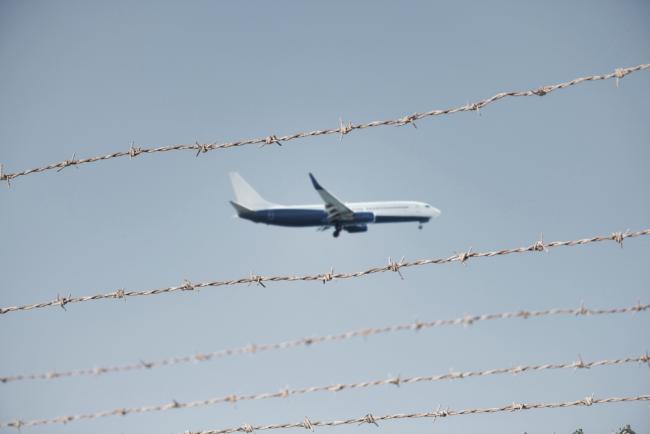
France hopes deporting more alleged radicals will bring security
France has repatriated more than half the people it defined as radical Islamists living in the country without a residence permit since 2018. Now it wants to extend the penalty and deport even more.

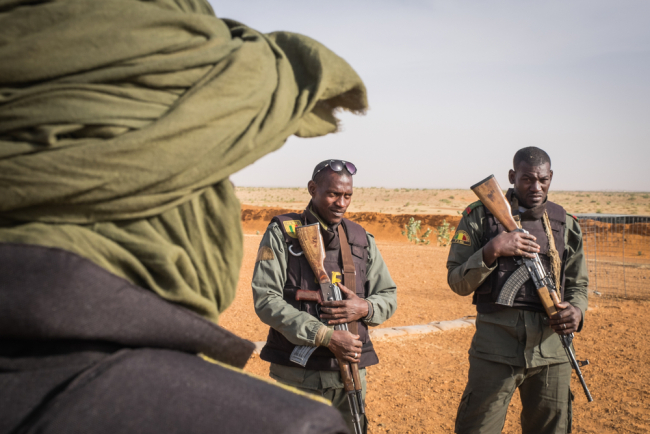
Army colonel sworn in as Mali president as tensions with Paris grow
Assimi Goïta vows to uphold republican regime and democracy in Mali.

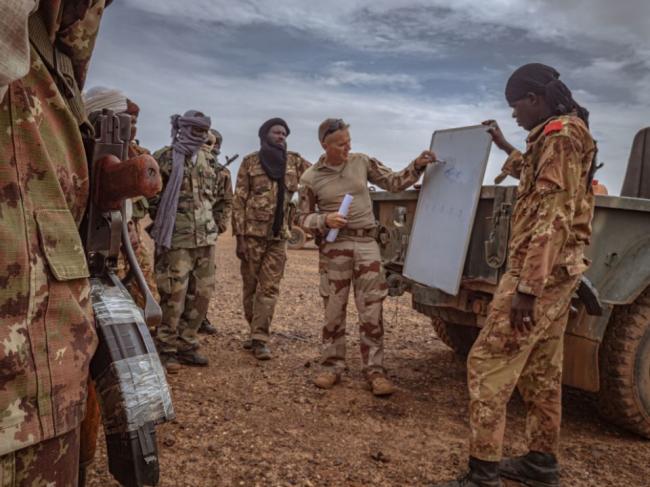
France Halts Joint Military Operations with Mali Over Coup
PARIS - France said Thursday it would suspend joint military operations with Malian forces after the West African country's second coup in nine months, adding to international pressure for the military junta to return civilians to positions of power.

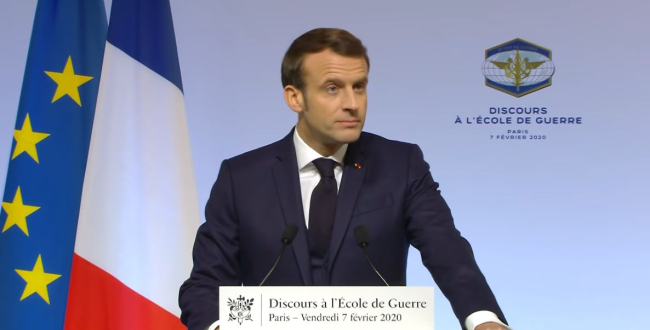
France to spell out post-Brexit nuclear weapons strategy
France, the European Union's sole nuclear power since Britain's exit from the bloc, will unveil Friday how it intends to use its atomic arsenal as a deterrent in an increasingly unstable world.

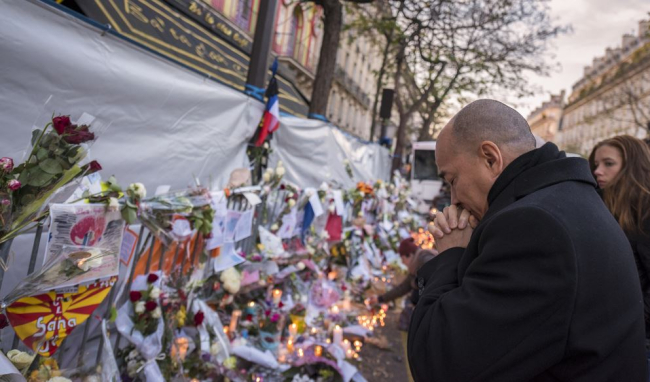
Jihadist Prisoners: The Fear of Recidivism
On July 16, Djamel Beghal is expected to be released from the Rennes-Vezin prison in the west of France. Beghal is a well-known figure in the European jihadist sphere. Born in Algeria in 1965, he settled in France in 1987. Ten years later, he moved to the United Kingdom with his French wife and their children. In November 2000, the family left for Afghanistan, a country then governed by the Taliban.

Missiles of March: A political means of last resort for Putin
President Vladimir Putin’s extra-heavy emphasis on new strategic missile systems in his March 1 address to parliament was quite unexpected and rather out of character.
Support independent French research
Ifri, a foundation recognized as being of public utility, relies largely on private donors – companies and individuals – to guarantee its sustainability and intellectual independence. Through their funding, donors help maintain the Institute's position among the world's leading think tanks. By benefiting from an internationally recognized network and expertise, donors refine their understanding of geopolitical risk and its consequences on global politics and the economy. In 2025, Ifri supports more than 80 French and foreign companies and organizations.
Related centers and programs
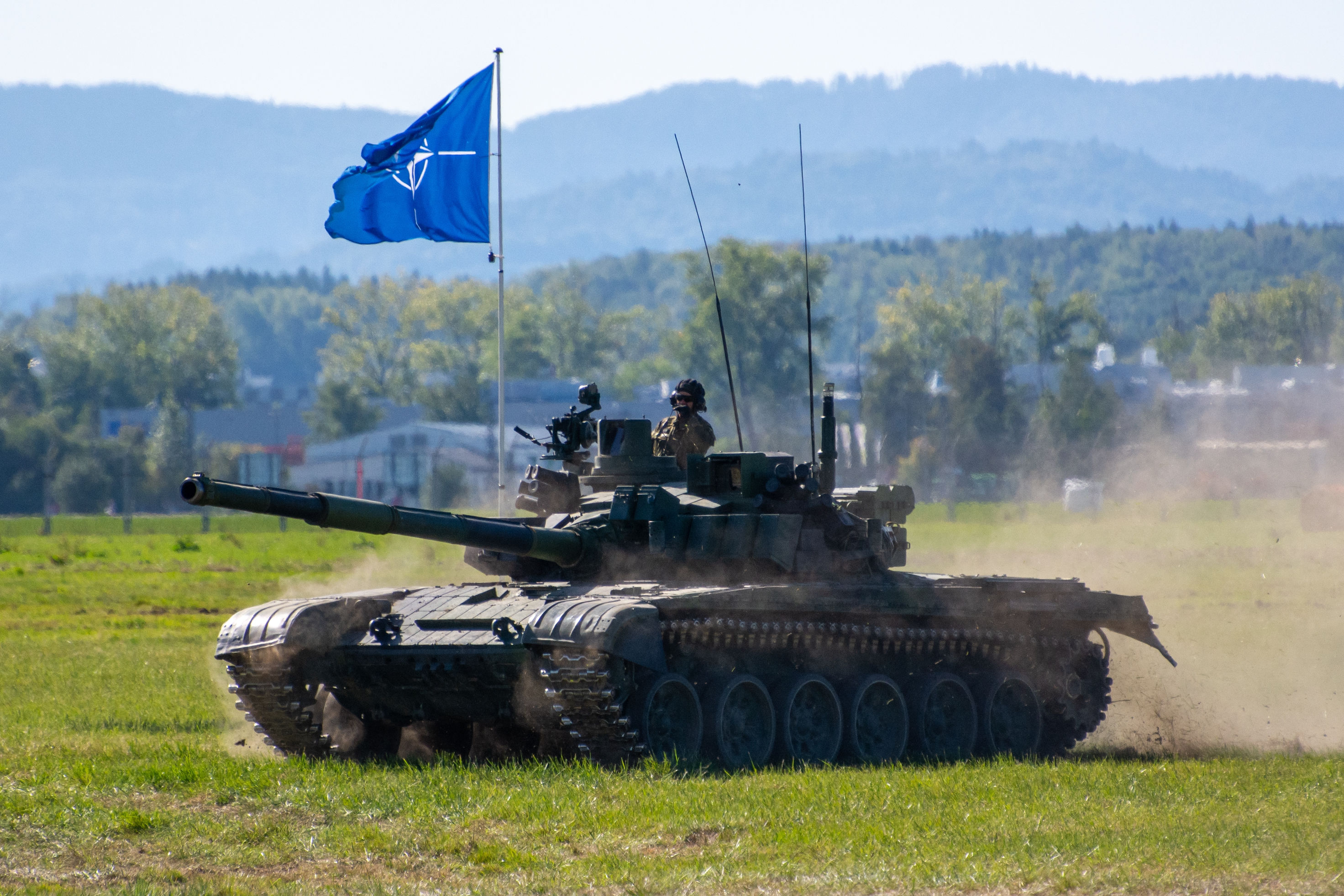
European & Transatlantic Security
The European & Transatlantic Security Program aims to contribute to the strategic debate by developing analyses around three main axes: European defense and the security architecture of the European continent, institutional and strategic links between the Treaty Organization of North Atlantic (NATO) and the European Union (EU), as well as the evolution of the transatlantic relationship.
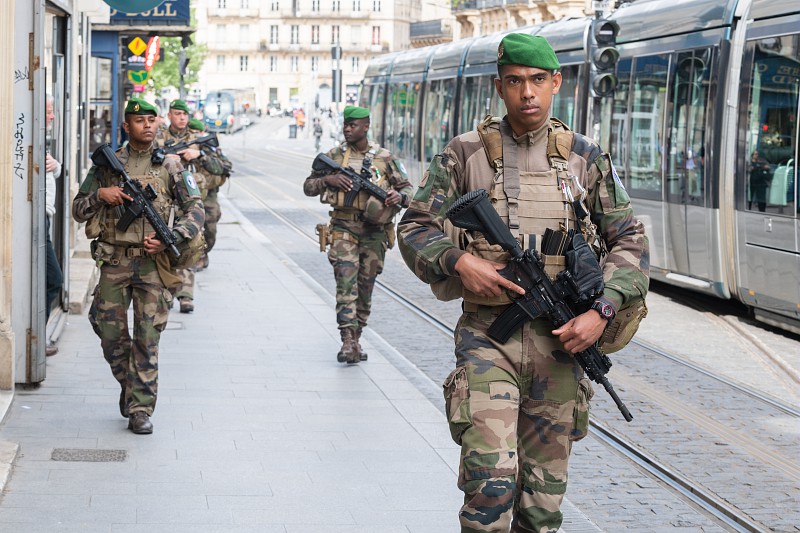
Internal Security
The distinction between internal and external threats is often exaggerated, as the borders are so porous. Conflicts taking place thousands of kilometers from France can have tragic resonances on national territory. Radicalization, terrorism and even organized crime have an international dimension that cannot be ignored.
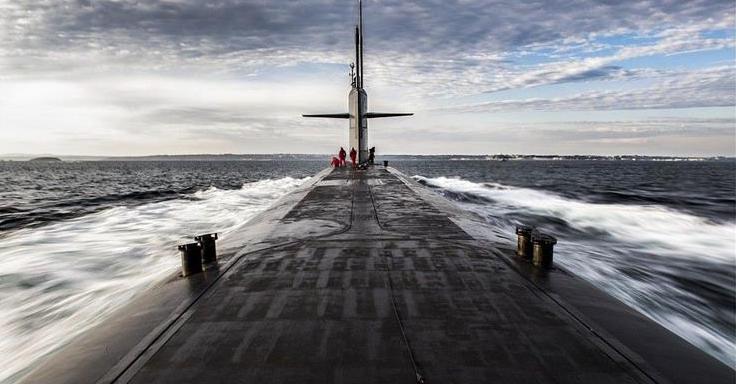
Deterrence and Proliferation
The conflicts in Europe, Asia and the Middle East demonstrate a return of nuclear power to the balance of power. Arsenals are being modernized and expanded, while arms control is collapsing. This research program aims to analyze these phenomena.
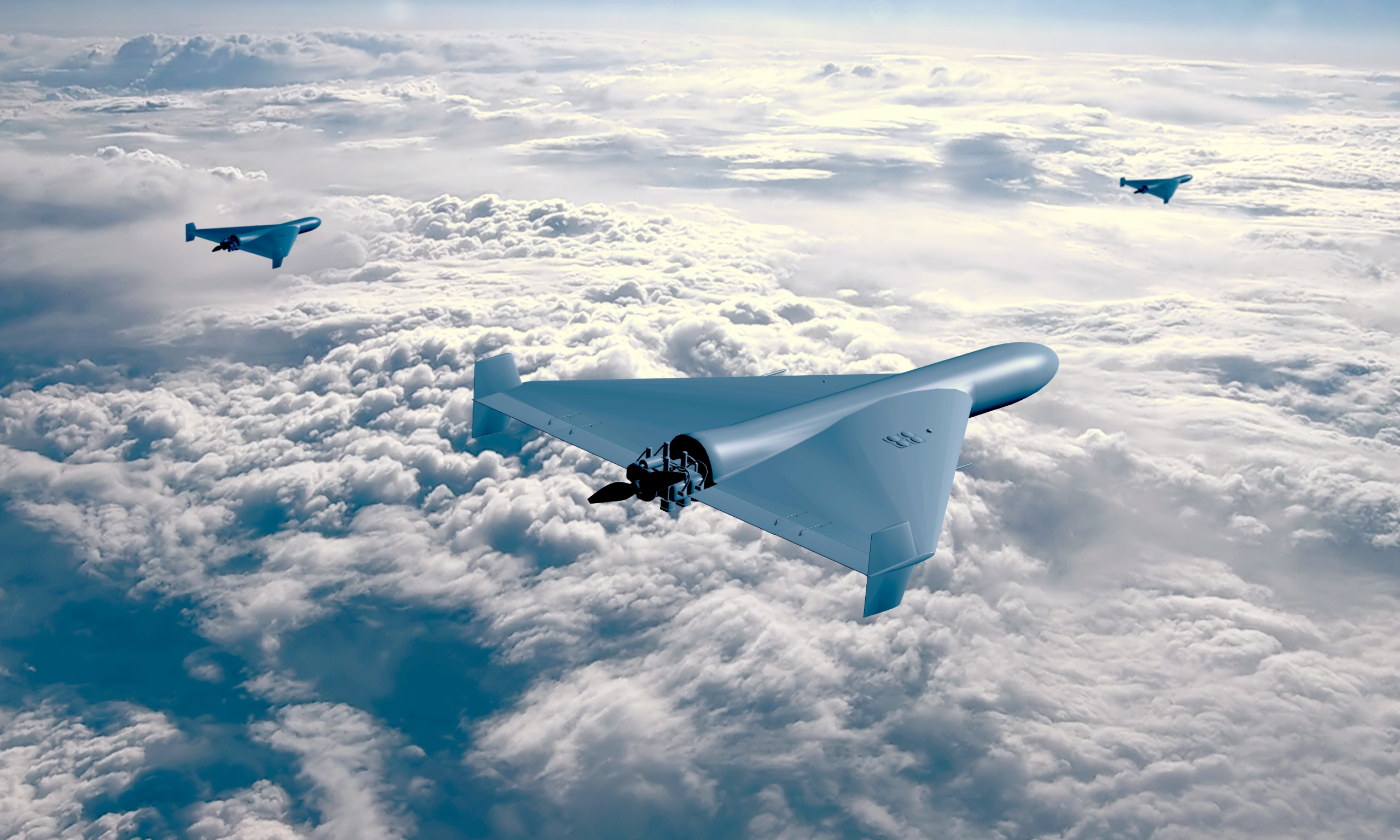
Observatory on Future Conflicts
The Observatory of Future Conflicts is a research program carried out by the French Institute of International Relations and the Foundation for Strategic Research on behalf of the three army headquarters aimed at studying developments in tensions and armaments at the horizon 2040 in a transversal perspective, taking into account the issues of each army.
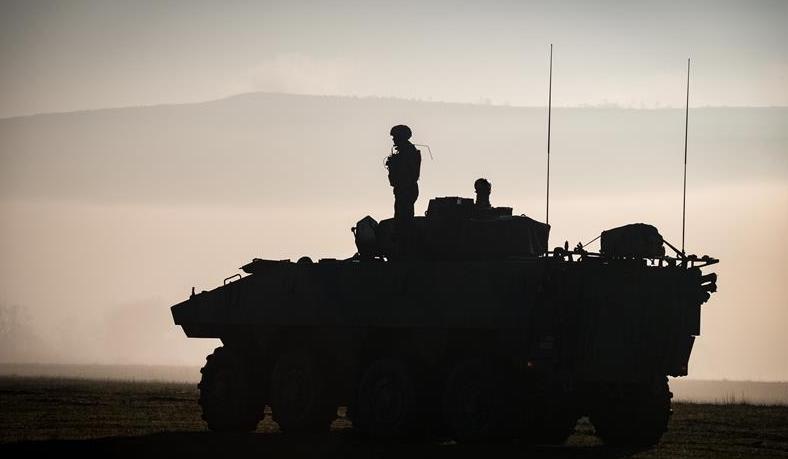
Security Studies Center
Heir to a tradition dating back to the founding of Ifri, the Security Studies Center provides public and private decision-makers as well as the general public with the keys to understanding power relations and contemporary modes of conflict as well as those to come. Through its positioning at the juncture of politics and operations, the credibility of its civil-military team and the wide distribution of its publications in French and English, the Center for Security Studies constitutes in the French landscape of think tanks a unique center of research and influence on the national and international defense debate.
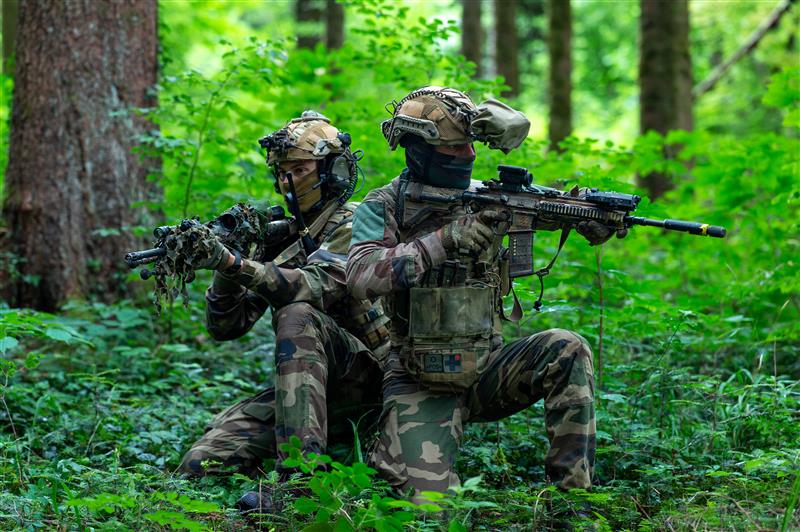
Defense Research Unit
The Defense Research Unit is a program that aims at stimulating the strategic debate by dealing with subjects at the junction of the “technico-operational” and the “political-strategic”. A unique structure in France, it brings together civilian researchers and “military fellows” from each of the three armies to produce work on defense policies, the capability and strategic adaptation of armies, and foresight on tomorrow's conflicts.