


South-East Europe: Energy Challenges and the Role of the Energy Community

Informations pratiques
Thématiques et régions
Centres et programmes liés
Ceci est un événement réservé.
En savoir plus sur nos programmes de soutienDans le cadre de l'Ifri Energy Breakfast Roundtable, un séminaire avec Slavtcho Neykov, directeur, Energy Community Secretariat, Vienne, et Stefan Bouzarovski, chercheur, Université de Birmingham.
Discutant : Adélaïde Boodts, chercheur junior, Programme Europe du Sud-Est à l'Ifri.
Présidé par William C. Ramsay, directeur du Programme Energie, Ifri et Jacques Lesourne, président du comité scientifique du Programme Energie, Ifri.
South-East Europe, termed in EU language “The Western Balkans”, is slowly recovering, since the beginning of the Millenium, from fragmentation and the consequences of War. EU policies focus on regional integration, and, in the mid-term, full EU membership.
This Ifri Energy Breakfast, set up jointly with the Ifri South-East Europe Program, addresses the question of energy policies in and towards the region:
- the state of the energy mix, energy efficiency in various countries, as well as security of supply
- energy cooperation among countries of the region, infrastructure, projects
- energy poverty and public policies of the states of the region in order to address inequality
- EU action and specifically the action of the Energy Community, based in Vienna
- foreign direct investment and the presence of foreign energy enterprises, stakeholders
- prospects for the region in terms of energy policies
Sujets liés
Autres événements
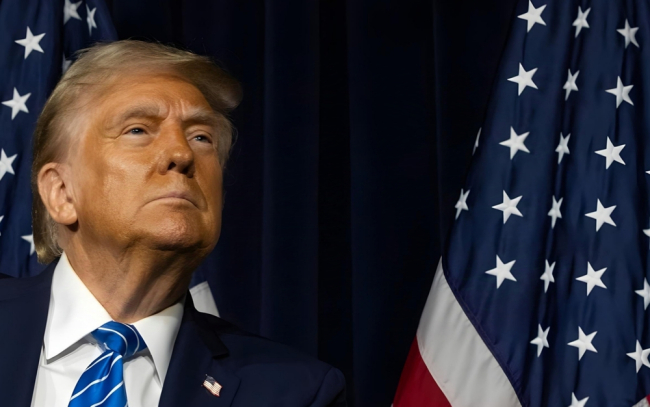
À un mois des midterms, où va l’Amérique de Donald Trump ?
La 24e édition de la Conférence annuelle du programme Amériques de l'Ifri analysera les dynamiques à l’œuvre aux États-Unis et leurs conséquences pour l'Europe et la relation transatlantique.
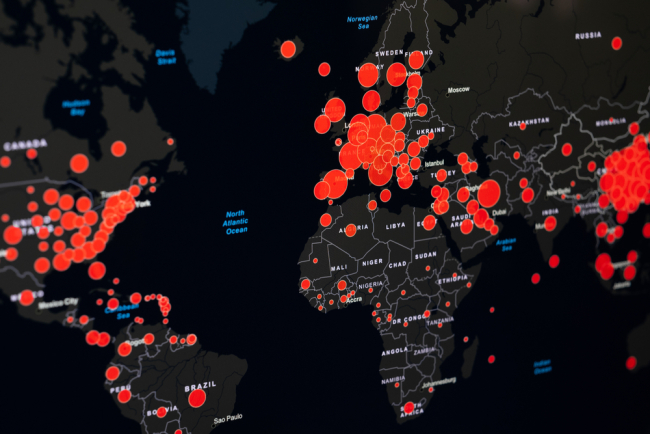
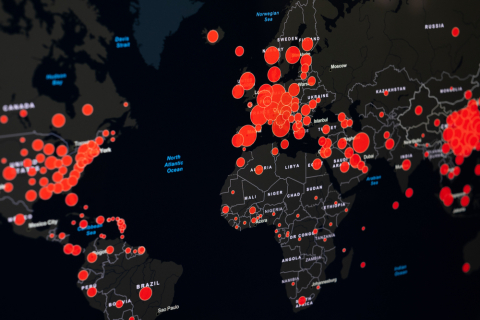
Pandémies et maladies infectieuses : que peut la communauté internationale ?
Tandis que les tensions internationales s’aiguisent et que le monde risque de se fracturer en blocs géopolitiques, pandémies et maladies infectieuses continuent de se développer. Des facteurs comme la multiplication des guerres ou le dérèglement climatique ne font qu’aggraver la situation.
Forum France-Ukraine 2026
Plus de quatre ans et demi après le début de la guerre à grande échelle déclenchée par la Russie contre l’Ukraine, le Forum France-Ukraine 2026 accueillera des responsables politiques, des experts, des universitaires et des représentants de la société civile des deux pays pour échanger autour de trois sujets principaux : les formats et conditions d'un règlement diplomatique durable ; l'intégration euro-atlantique de l'Ukraine, entre processus d'adhésion à l'UE et rapprochement avec l'OTAN ; et les transformations sociétales de l'Ukraine d'après-guerre ainsi que ses perspectives de reco