

Unconventional Fuels: an Energy Revolution that is also about Oil

Informations pratiques
Thématiques et régions
Centres et programmes liés
Ceci est un événement réservé.
En savoir plus sur nos programmes de soutienDans le cadre de l'Ifri Energy Breakfast Roundtable, un séminaire avec Michael Cohen, Senior Oil Market Analyst, IEA, Marcus Lippold, Coordinator - International Energy Relations & Oil Dialogue and International Cooperation, DG Energy, European Commission et Roland Vially, Project Leader Unconventional Hydrocarbon, IFPEN
Présidence : Wiliam C. Ramsay, Senior Adviser of the Center for Energy and Jacques Lesourne, Chairman of the Scientific of the Center for Energy at Ifri.
Not so long ago, increases in oil prices automatically stirred the peak oil debate. New discoveries in deep offshore, tar sands, shale oil & oil shale etc…but also the shale gas revolution seem to have bring a new light to the discussion. Time might be ripe at last to make the citizen understand that access to resources is about cost and technology and that scarcity on the market is not a reflection of resources depletion. Everything is about definition. This roundtable intends to provide the audience with an overview of the main issues associated to unconventional oil. What does the term “unconventional” recover? What are the current developments in North America? What could be the impact for global market? Would the geopolitical game be modified by the entrance of new actors on the energy scene? Three experts, Roland Vially, IFP, Michael Cohen, IEA, and Marcus Lippold, EC, will discuss the latest developments and attempt to present their insight views on these topics. The presentations will be followed by a Q&A session.
Sujets liés
Autres événements
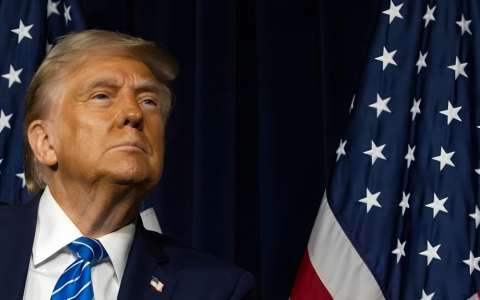
À un mois des midterms, où va l’Amérique de Donald Trump ?
La 24e édition de la Conférence annuelle du programme Amériques de l'Ifri analysera les dynamiques à l’œuvre aux États-Unis et leurs conséquences pour l'Europe et la relation transatlantique.
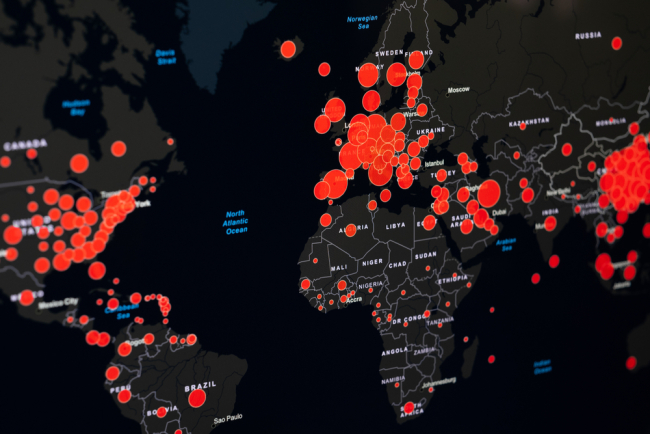
Pandémies et maladies infectieuses : que peut la communauté internationale ?
Tandis que les tensions internationales s’aiguisent et que le monde risque de se fracturer en blocs géopolitiques, pandémies et maladies infectieuses continuent de se développer. Des facteurs comme la multiplication des guerres ou le dérèglement climatique ne font qu’aggraver la situation.
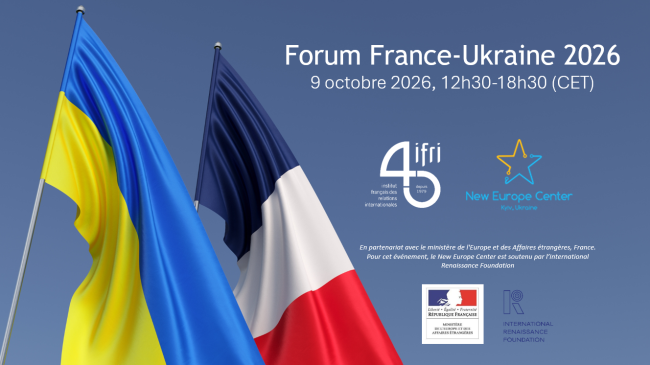
Forum France-Ukraine 2026
Plus de quatre ans et demi après le début de la guerre à grande échelle déclenchée par la Russie contre l’Ukraine, le Forum France-Ukraine 2026 accueillera des responsables politiques, des experts, des universitaires et des représentants de la société civile des deux pays pour échanger autour de trois sujets principaux : les formats et conditions d'un règlement diplomatique durable ; l'intégration euro-atlantique de l'Ukraine, entre processus d'adhésion à l'UE et rapprochement avec l'OTAN ; et les transformations sociétales de l'Ukraine d'après-guerre ainsi que ses perspectives de reco