




Climate, Finance, and Geopolitics: Human Self-delusions and the Challenges for Europe
The combination of geopolitical tensions, climate disruption, and the growing role of finance in the economy is taking us into uncharted territory. Until recently, each of these subjects was handled separately, but they are now inextricably linked by two shared characteristics: the gravity of the threat, and the fact that they all lay bare the scale of human self-delusions.
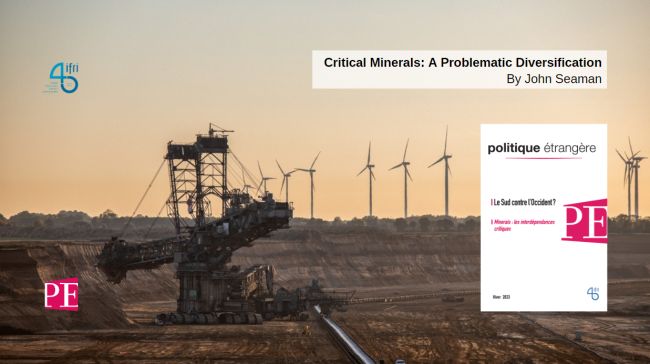
Critical Minerals: A Problematic Diversification
Faced with the boom in demand for metal resources generated by the latest technology, the United States and Europe have been forced to revise the geography of their supply networks, which is synonymous with strategic dependency.

The South versus the West?
In 2023, forums that amplify the voice of the “Global South” have proliferated and grown louder. As contradictory and divided as they may be, these forums (BRICS+, Shanghai Cooperation Organization (SCO), G20, the Group of 77, the European Silk Road Summit…) attest to the emergence of new power relations, and especially new directions in foreign policy, with states rejecting alignment with the dominant powers of the past in favor of putting their own interests first. A new world is taking shape, with changeable, still uncertain, contours.
COP28: Daunting Stakes and Pivotal Decisions on the Table
The UN climate conference in Dubai faces a moment of troubled geopolitical agenda lowering the focus on the climate emergency, but natural ecosystems will not wait for human decisions. A challenging test for the survival of diplomacy.

Decarbonizing European Cities: How to Speed Up and Build Synergies?
Cities are on the front line for enabling governments to meet their commitments under the Paris Agreement. Although cities occupy only 2% of the earth’s surface, they are home to between 50 and 60% of the world’s population (70% by 2050 according to the United Nations), account for two-thirds of the world’s energy consumption and emit 80% of CO2. As an example, the CO2 emissions of the city of Berlin are equal to those of Croatia, Jordan or the Dominican Republic. New York’s total annual CO2 emissions are roughly equivalent to those of Bangladesh. Yet their central role not only for adaptation, but also mitigation, has been recognized lately.
COP28: A Tale of Money, Fossil Fuels, and Divisions
“Humanity has opened the gates of hell”, said the UN Secretary General Antonio Guterres during the Climate Ambition Summit, in New York, in September 2023, three months before COP28. The sense of urgency that he conveyed seems shared across the international community.
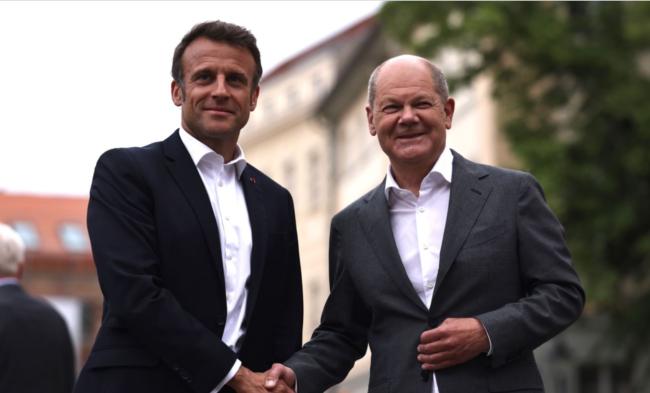
New Impulses for Stagnant Relationships - German-French Ministerial Council Meets in a New Format
As the doors of the illustrious Hôtel Beauharnais on Rue de Lille 78 swung open on the evening of 4 October, and the masses streamed into the German Embassy in Paris to celebrate German Unity Day, the reports of the currently strained state of Franco-German relations seemed almost surreal.

Balancing Security and Openness for Critical Technologies: Challenges for French and European Research
While matters related to research security and international partnerships in critical domains are certainly not new, they have become increasingly central to governments, research institutions and industry since the turn of the 2020s.
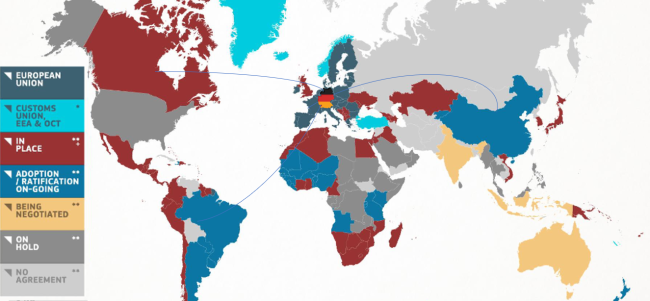
Towards a New European Trade Strategy in Times of Geopolitical Upheaval: The German Perspective
As one of the most successful trading blocs, the EU sees itself confronted with the erosion of the global rules-based trading system and trade becoming increasingly weaponized.
Global Coal Markets at a Climax. An Era of Coal Decline is Finally about to Begin
In a previous note published in 2018, we noted that global coal demand had flattened. Several governments had announced coal phase-out plans, global coal power investment had contracted, and investment in greenfield coal mines was also at a standstill. The freezing of financial resources for coal projects might have indicated the beginning of a structural decline in coal demand and supply.
EU-Mercosur: An Unsolvable Trilemma Between Competition Rules, Normative Ambitions and Supply Chain Diversification
The EU-Mercosur trade deal was believed to be heading toward the finish. The election of Luiz Inácio Lula da Silva as the president of Brazil, as successor to the right-wing populist Jair Bolsonaro, and the Spanish presidency of the European Union (EU), raised hopes for its conclusion. But the reservations expressed by several EU member states and some Latin American countries have dashed hopes.

Ethics and Responsibility in Space Exploration: The Rise of Soft Law to Regulate New Practices
Europe: Turning to the Union to Respond to Citizens
To deal with the internal and external challenges of a new era, the European Union must reform its institutions: review Member States' right of veto, strengthen the Commission, and take action on foreign policy and security matters, energy, the single market and the economy, social policy, health and immigration—while at the same time considering expansion. This is the only way for the Union to preserve the values of freedom and democracy that underlie European integration.
European Union: A Geopolitical Illusion?
The European Union (EU) is holding firm in the face of the war in Ukraine—perhaps better than expected. But what long-term effects will the war have on European institutions and policies? The institutions will need to be changed to cope with the forthcoming expansions. The EU has certainly made progress toward common industrial and technological policies. But will this dynamic do away with a conception of strategic autonomy, encompassing both diplomacy and strategy? The European Union, which will undoubtedly be a key mover of future changes for the continent, remains largely uncertain in terms of its future configurations.
Europe's Space Sector: Caught in a Strategic Stranglehold
Europe's space sector is currently faced with great difficulties, marked by the temporary loss of autonomous access to space, strong competition from the USA, and the transformation of the satellite market.
Fiscal Policy in France and Germany: Insurmountable Differences?
The state of public finances in France and Germany is often compared. Germany is considered a model of rigor, through its ability to contain its deficits and generate surpluses, particularly between 2012 and 2019, thanks to the introduction into its constitution of a debt brake mechanism.
How to Curb Investments in Chinese Technology: Initiatives and Debates in the United States
In a continuation of U.S. efforts to slow China's development and acquisition of strategic technologies, Washington has imposed new restrictions on American investment in Chinese technology sectors such as artificial intelligence (AI), quantum, and semiconductors.

Between Inertia and Openness. Germany Reforms Its Labor Immigration System
With its new Skilled Immigration Act (Fachkräfteeinwanderungsgesetz) of 23 June 2023, Germany aims to become the country with "the most modern immigration law in Europe". A new points system and new entry rules for experienced workers having a degree from their home country demonstrate the willingness of the German government to open up its labor market to third-country nationals. While immigration law was already the subject of a previous reform in 2020, the new law is a real paradigm shift in Germany’s migration policy.
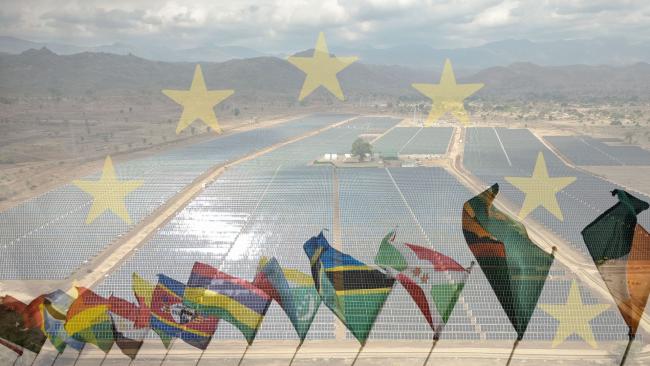
A framework for a Win-Win Europe-Africa Energy and Climate Partnership
North-South tensions are exacerbated at a time of unprecedented turmoil for both Europeans and Africans. European polycrises (geopolitical, energy-related and economic) echo the systematic vulnerability of Africans, which is reinforced by external shocks.

Energy sector: outlook and opportunities
The recent energy crisis has highlighted our economies' dependence on energy resources. With fossil fuels becoming less available, and a necessary transition to more decarbonised alternatives, could tomorrow's energy not become more expensive and less certain in availability?
COP28: A Tale of Money, Fossil Fuels, and Divisions
“Humanity has opened the gates of hell”, said the UN Secretary General Antonio Guterres during the Climate Ambition Summit, in New York, in September 2023, three months before COP28. The sense of urgency that he conveyed seems shared across the international community.
Towards a New European Trade Strategy in Times of Geopolitical Upheaval: The German Perspective
As one of the most successful trading blocs, the EU sees itself confronted with the erosion of the global rules-based trading system and trade becoming increasingly weaponized.
Global Coal Markets at a Climax. An Era of Coal Decline is Finally about to Begin
In a previous note published in 2018, we noted that global coal demand had flattened. Several governments had announced coal phase-out plans, global coal power investment had contracted, and investment in greenfield coal mines was also at a standstill. The freezing of financial resources for coal projects might have indicated the beginning of a structural decline in coal demand and supply.
Fiscal Policy in France and Germany: Insurmountable Differences?
The state of public finances in France and Germany is often compared. Germany is considered a model of rigor, through its ability to contain its deficits and generate surpluses, particularly between 2012 and 2019, thanks to the introduction into its constitution of a debt brake mechanism.
Between Inertia and Openness. Germany Reforms Its Labor Immigration System
With its new Skilled Immigration Act (Fachkräfteeinwanderungsgesetz) of 23 June 2023, Germany aims to become the country with "the most modern immigration law in Europe". A new points system and new entry rules for experienced workers having a degree from their home country demonstrate the willingness of the German government to open up its labor market to third-country nationals. While immigration law was already the subject of a previous reform in 2020, the new law is a real paradigm shift in Germany’s migration policy.
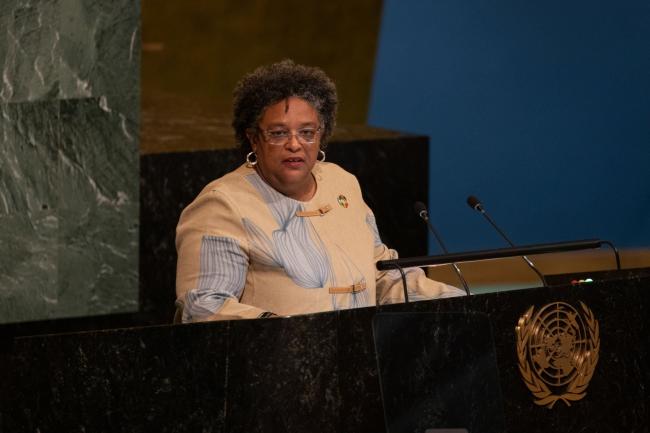
Is International Climate Finance Unfair and Inefficient?
Finance is arguably the most sensitive climate negotiation topic. Different studies have shown that rich countries emit the majority of greenhouse gas (GHG) emissions, while the climate footprint of the poorest countries is much more limited.
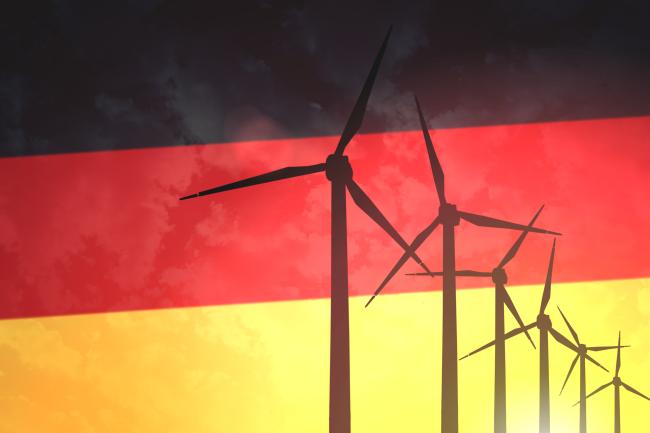
Higher Renewable Energy Targets in Germany: How Will the Industry Benefit?
“Deutschland – Einstieg in die Deindustrialisierung?” – “Germany, the beginning of deindustrialisation?” asked the German economic newspaper Handelsblatt in the context of the spike in energy prices that has put at risk thousands of companies across Germany in 2022. Whereas some sectors such as steel, glass and chemicals have been seriously hit, the manufacturing industries operating in the areas linked to the energy transition (such as renewable energies and hydrogen production) should benefit from decisions taken to reach climate neutrality.
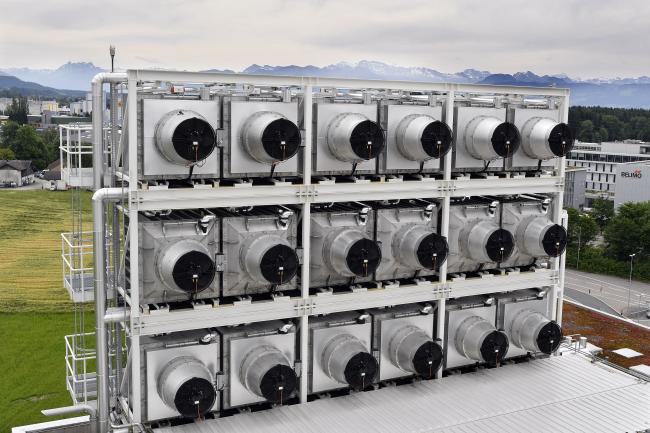
Geoengineering to the climate's rescue? Issues, actors and perspectives of an anthropocene symbol
Geoengineering is a catchword for a wide range of techniques, and it is becoming an international issue that will grow in importance as the costs of certain technologies fall or as greenhouse gas emissions continue to decline, making these techniques more attractive.
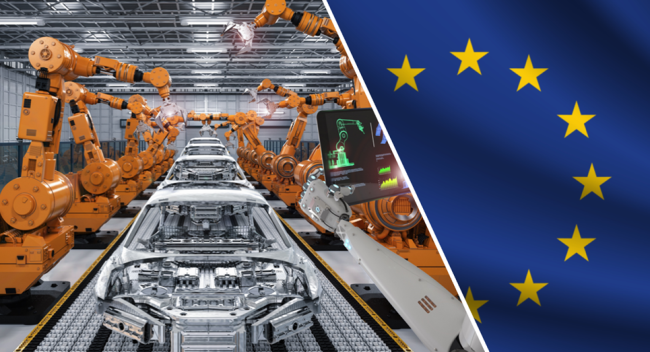
The European Union Industrial Strategy: Reconciling Competition and Geoeconomic Challenges
The EU’s basic assumptions, on which it grounds its economic and trade power, are being steadily cast into doubt. The EU’s main trade partners, the US and China, increasingly set their sights on securing their supply chains, which may further a potential decoupling.
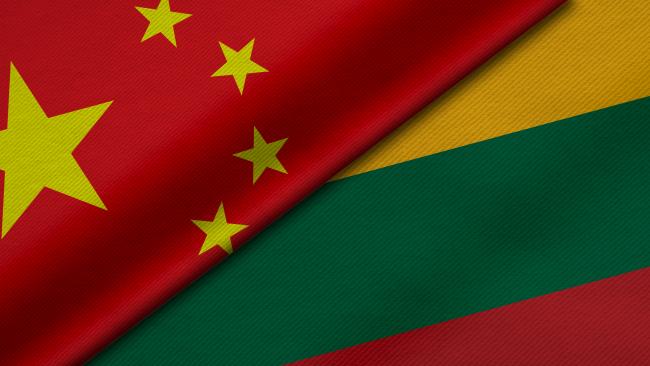
The Sino-Lithuanian Crisis: Going beyond the Taiwanese Representative Office Issue
The year 2021 marked the 30th anniversary of the establishment of diplomatic relations between China and Lithuania. Instead of commemorative events and customary lofty rhetoric, the bilateral relationship rapidly plunged to a level rarely seen in either country’s foreign policies since the end of the Cold War.

The Missing Guest: Energy Efficiency in the Multilateral Energy Arena
Since the 1970s, energy efficiency has gained visibility as a low hanging fruit – its potential impact on critical issues such as climate change, energy security, or competitiveness is now widely acknowledged, even more so in times of higher energy prices.
Towards Tougher Bilateral Relations Between EU and China
When politics catches up to the economy. In the wake of the EU-China summit, what can we expect from the bilateral relations? 2020 was supposed to be the year of EU-China relations. However, the Covid-19 pandemic has quickly disrupted the positive expectations.
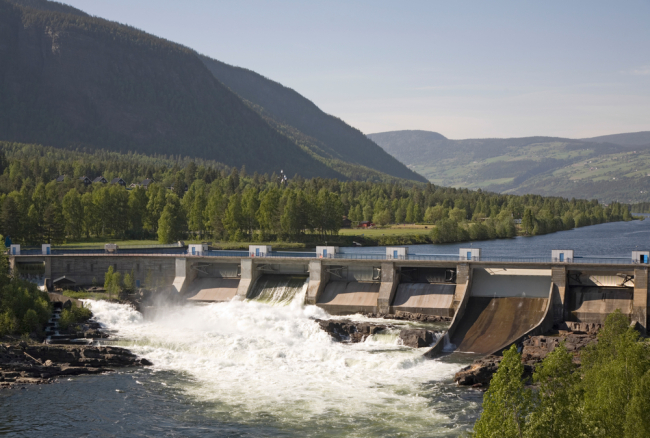
Norway as a Decarbonization Hub for the European Union
The European Union (EU) is committed to reach climate neutrality by 2050. Similarly, Norway aims to create a zero-emission society by that same year.
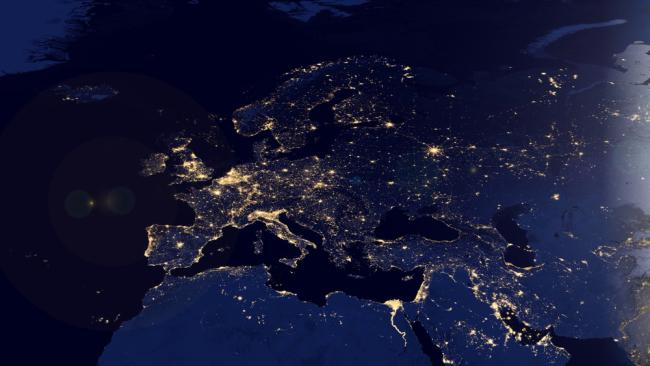
The Green Deal’s External Dimension. Re-Engaging with Neighbors to Avoid Carbon Walls
The European Union (EU)’s Green Deal is a game changer with attention so far focused on forthcoming actions plans, the Climate Law, financial resources, the revision of the 2030 targets and of the emissions trading system (ETS).

(De)globalization of International Plastic Waste Trade: Stakes at Play and Perspectives
The world plastic production has been multiplied by 23 since 1964 to reach 348 million tonnes (mt) in 2017. This production level is expected to double in the next 20 years, largely because of the significant growth in plastic consumption in developing countries. Today, China is the largest producer of plastics (representing nearly 30% of global production) and the European Union (EU) comes second (18.5%) with 64 mt.
Prospects for the New EU Strategy on India: Game Changer or Business as Usual?
The new European Union (EU) strategy on India marks a major moment of departure in EU-India relations.
The European Battery Alliance is Moving up a Gear
French battery cell manufacturer Saft and Opel, the German subsidiary of automaker PSA Group, are finalising the details of a major investment project in battery cell manufacturing. Is the European Union (EU) finally challenging Asia’s dominance on battery cells production? What chances of success for the European Battery Alliance (EBA) and what implications for the EU industrial policy?
Russia-Ukraine Gas Relations: The Mother of All Crises or a New Start to 2030?
Ten years after the January 2009 gas crisis, Russian-Ukrainian gas relations are at another turning point: the then concluded contracts are terminating on 31 December 2019. While trilateral talks brokered by the European Commission (EC) have started in July 2018, the real negotiations about the future of this relationship can be expected to start no earlier than in December, that is in the midst of the winter and a second to midnight. Crucial months lie ahead.
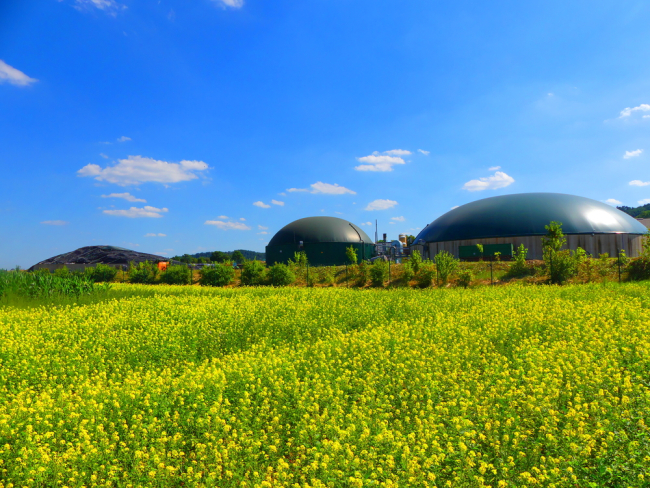
Biogas and Biomethane in Europe: Lessons from Denmark, Germany and Italy
At a time when the European Union (EU) is discussing its long-term climate strategy and drafting new legislation to foster the decarbonization of its gas sector, a close look at the experience of Denmark, Germany and Italy with renewable gas production can provide valuable lessons.
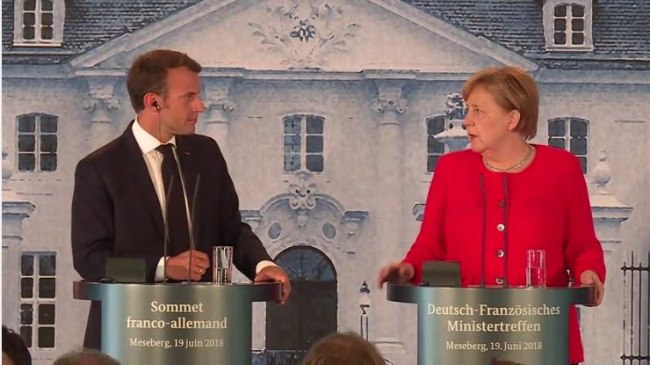
From Meseberg to Nowhere? A Franco-German Impetus for the Eurozone
This study analyses the joint efforts by France and Germany to bring about a comprehensive reform of the European currency union. These efforts culminated in the joint Meseberg Declaration adopted in June 2018. The article contextualises these efforts with respect to the reforms realised so far and the different reform options at hand. Besides questions of economic viability and institutional deficits, the article tackles issues of political feasibility.
Ifri, a foundation recognized as being of public utility, relies largely on private donors – companies and individuals – to guarantee its sustainability and intellectual independence. Through their funding, donors help maintain the Institute's position among the world's leading think tanks. By benefiting from an internationally recognized network and expertise, donors refine their understanding of geopolitical risk and its consequences on global politics and the economy. In 2026, Ifri partners with over 90 French and international companies and organizations.
