



Shaping Eurasia: What Convergence between China's New Silk Road and the Eurasian Union?

Informations pratiques
Thématiques et régions
Centres et programmes liés
Ceci est un événement réservé.
En savoir plus sur nos programmes de soutienAs geo-strategic and geo-economic balances evolve across the Eurasian continent, two initiatives – the Chinese-led “Silk Road Economic Belt” and the Eurasian Economic Union – promise to shape the region’s emerging geo-political landscape.

While agreements have been made at the political level to highlight the complementarities of these two strategies, areas of tension lie beneath the surface. In an effort to assess their ability to impact change at regional and global levels, this workshop will flesh out the details of both projects, analyze their underlying assumptions, and discuss where they converge and where they compete.
09:00 – 09:15 Welcoming remarks - Tatiana KASTOUEVA-JEAN, Head, Russia/NIS Center, Ifri
09:15 – 10:30 OBOR and the Eurasian Union: Interests and strategies of key actors
- Timofei BORDATCHEV, Director, Center for Comprehensive European and International Studies, National Research University–Higher School of Economics, Russia
- YANG Cheng, Associate Professor of International Relations, Deputy Director, Center for Russian Studies, School of Advanced International and Area Studies, East China Normal University
- Rakhim OSHAKBAYEV, Central Asia-Caucasus Institute Silk Road Studies Program, Kazakhstan
- Nicu POPESCU, Senior Analyst, European Union Institute for Strategic Studies (EUISS)
Chair: Françoise NICOLAS, Director, Center for Asian Studies, Ifri
10:30-10:45 Coffee break
10:45 – 12:30 What complementarities, what competition?
- Roundtable discussion with speakers from first session, commented and moderated by
Bobo LO, Associate Research Fellow with Ifri’s Russia/NIS Center
12:30 - 13:30 Lunch (by invitation only)
Sujets liés
Autres événements
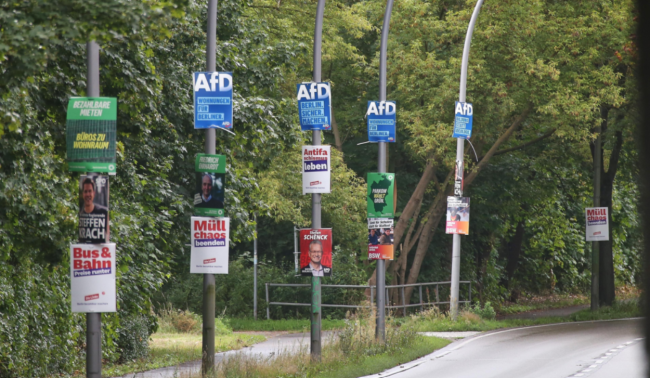
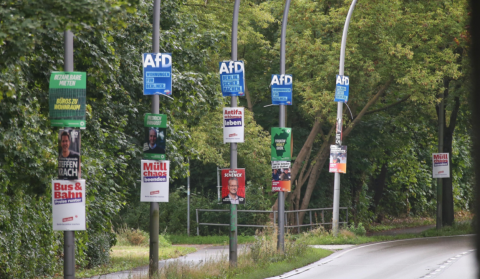
Les élections régionales en Allemagne de l’Est – l’AfD aux portes du pouvoir ?
Les enjeux des scrutins régionaux du 6 septembre en Saxe-Anhalt, puis du 20 septembre à Berlin et au Mecklembourg-Poméranie-Occidentale dépassent largement le cadre des trois Länder concernés en raison du poids du parti d’extrême-droite Alternative für Deutschland (AfD).
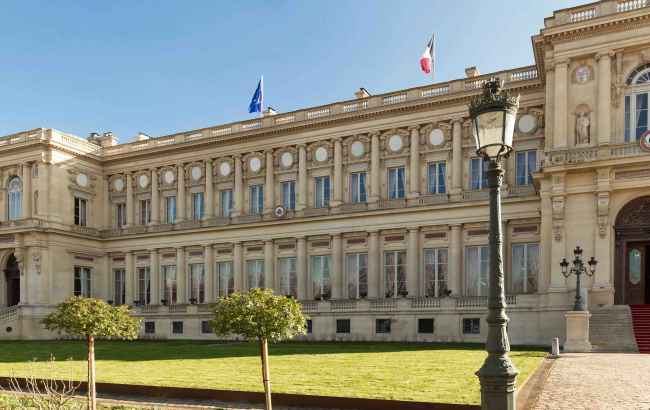
Quelle politique étrangère dans un système diplomatique en disruption ?
L'ordre international établi au lendemain de la Seconde Guerre mondiale traverse une phase de profonde recomposition. Dans ce contexte, l'Ifri a le plaisir d'accueillir le lundi 21 septembre,
Martin Briens, Secrétaire général du ministère de l'Europe et des Affaires étrangères, pour une conférence-débat autour des grands enjeux diplomatiques auxquels la France et l’Europe sont aujourd’hui confrontées.
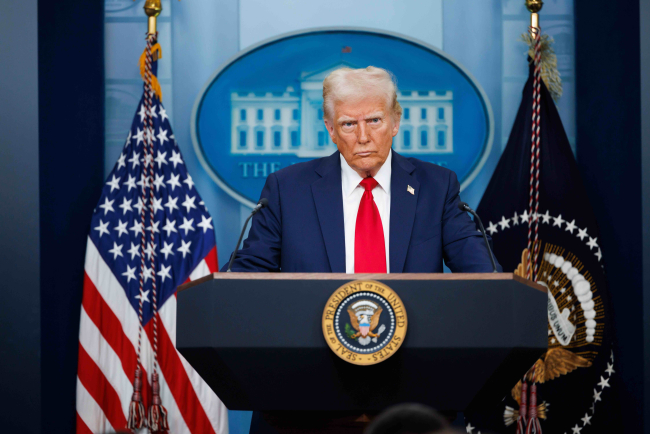
Midterms : une rupture dans la rupture ?
Un déjeuner débat autour de Laurence Nardon, Responsable du Programme Amériques, et Sébastien Jean, directeur associé de l'Initiative géoéconomie et géofinance.