




Replay - Europe in turbulence: navigating a new world order without the United States?
A webinar organized by the Austro-French Centre for Rapprochement in Europe (ÖFZ) and the French Institute of International Relations (Ifri), on June 25, 2025. The foundations of the post-1945 international order, long anchored by U.S. leadership, are shifting. Amid intensifying geopolitical rivalry, democratic backsliding, and strategic fatigue in Washington, the question arises: what if the United States no longer plays its pivotal role in international security? Simultaneously, the Global South is asserting new political and economic agency, complicating the old binaries of West vs. Rest. For Europe, this landscape is both a challenge and an inflection point.
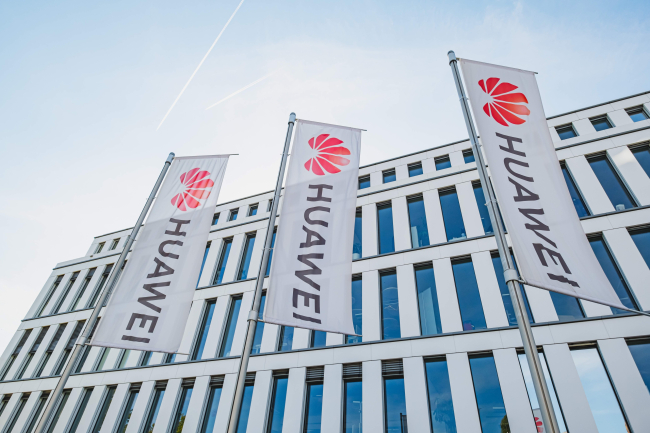
The “Huawei Saga” in Europe Revisited: German Lessons for the Rollout of 6G
While the European Union attempted to coordinate a collective response through its 5G Toolbox in Europe’s 5G infrastructure, member states diverged significantly in balancing political, economic, and technological considerations. Germany, despite its economic ties to China and status as Europe’s largest telecom market, only reached a tentative agreement in July 2024—one that appears largely symbolic.
AI showcase pays off for France, but US tech scepticism endures
France is staking its claim as an AI powerhouse. At the AI Action Summit in Paris this week, global leaders, tech innovators, and policymakers converged to chart the future of artificial intelligence - backed by major investments and bold ambitions for Europe’s leadership in the field. RFI breaks down the key takeaways.
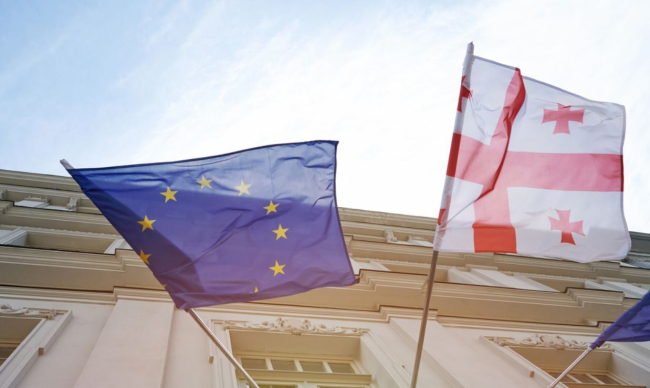
The European Union's Strategic Test in Georgia
The political crisis brewing in Georgia is of an existential nature for the country. What is at stake is Georgia's future as a democratic and sovereign European nation (EU).
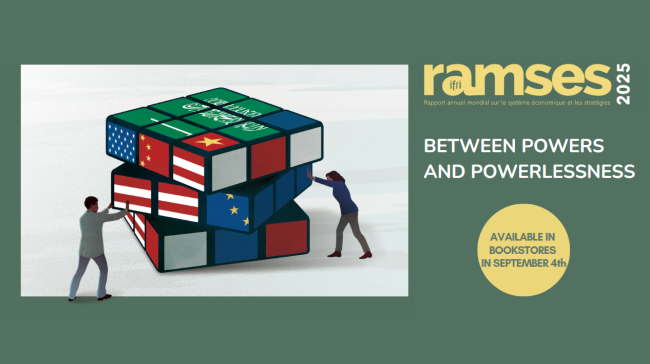
RAMSES 2025. Between Powers and Powerlessness
Never before have there been so many powers able to upset the international balance of power, and never before have the dominant powers seemed so powerless to counter the fragmentation of the world.
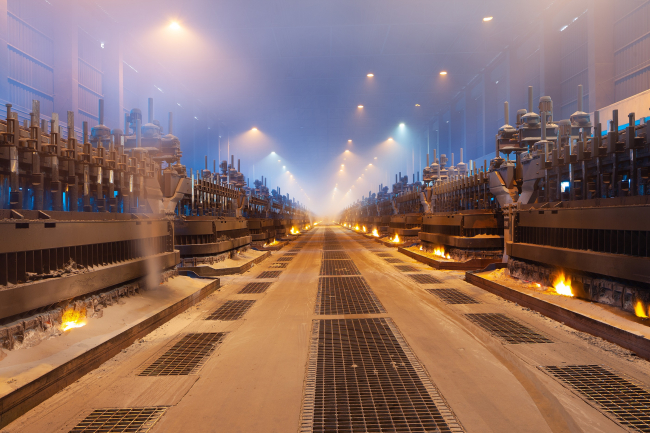
The Aluminum Value Chain: A Key Component of Europe’s Strategic Autonomy and Carbon Neutrality
The United States of America (US), Canada and the European Union (EU) all now consider aluminum as strategic. This metal is indeed increasingly used, especially for the energy transition, be it for electric vehicles (EVs), electricity grids, wind turbines or solar panels.

Populism and International Relations
Populism is flourishing, in Europe and elsewhere: a populist holds power today in Argentina and perhaps tomorrow in the United States. What does its spread say about our societies? And how is it shaping them, where populists rule? Do their economic policies stand any chance of success? Do their foreign policies have a greater impact on the world around them or at home? If “Trump 2.0” comes to be, will he have a free hand? If so, what can we expect?
Global Governance, Ukraine, and the European Union: Quo Vadis?
The technological revolution of the latter half of the twentieth century, 9/11, and the 2007–2008 financial crisis have delimited the West’s dream of harmonious globalization.

Franco-German relation faces familiar challenge ahead of Macron’s Germany trip
Franco-German symbolism, rather than bickering over policy, will briefly take centre stage when French President Emmanuel Macron meets German President Frank-Walter Steinmeier in Berlin on Sunday (26 May) during a three-day state visit, the first in 24 years.

Critical Raw Materials: What Chinese Dependencies, What European Strengths?
In adapting to growing geopolitical competition over digital technology, the EU and the UK are striving for economic security and technological sovereignty. European policies focus on reducing critical over-dependencies on China. This de-risking is a necessary process of adaptation to the new geopolitical realities.
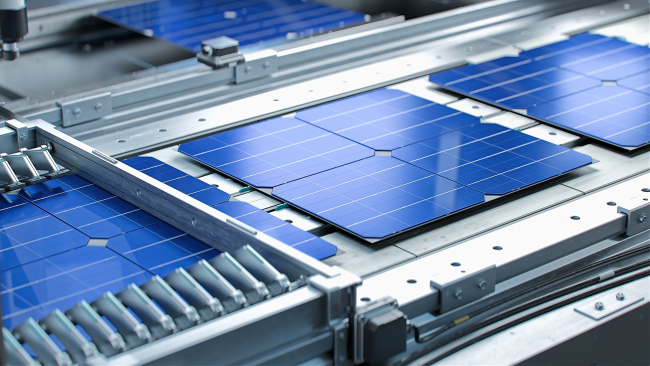
European Solar PV Manufacturing: Terminal Decline or Hope for a Rebirth?
While solar photovoltaic (PV) installations are booming in Europe (and in other parts of the world), the local industry is closing down. Over the past two years, the European installed solar PV capacity has been multiplied by two. On the other hand, the remaining European manufacturers of solar PV panels are dying.

Why does Macron want to renegotiate the proposed EU-Mercosur trade deal?
Last month, on a highly anticipated visit to Brazil, French President Emmanuel Macron expressed harsh criticism of the EU-MERCOSUR trade deal. He told a group of businesspeople in São Paulo: “it is a very bad deal, for you and for us.” He also said that the agreement needed to be renegotiated from scratch. But why?
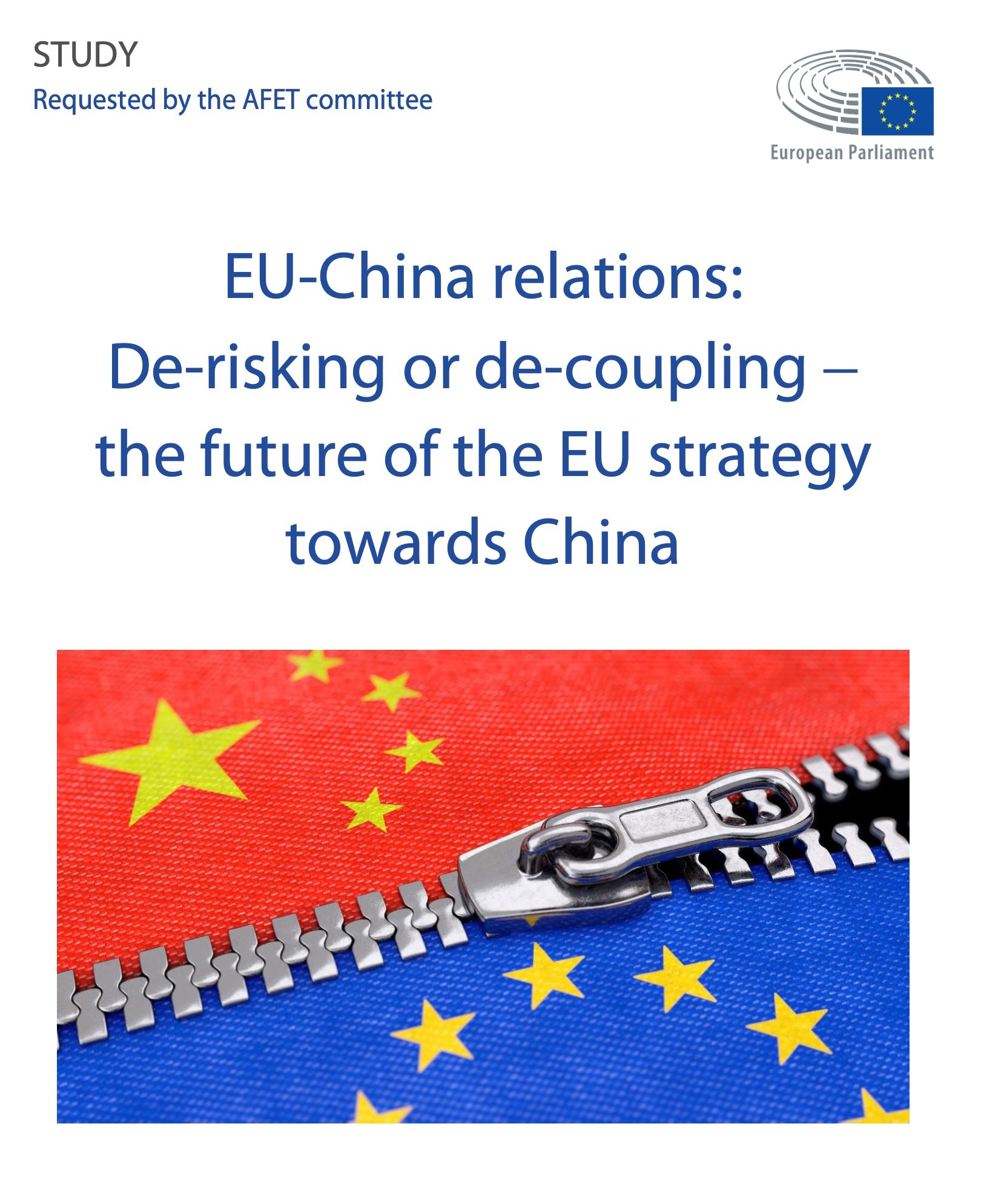
EU-China relations: De-risking or de-coupling − the future of the EU strategy towards China
As the European Union (EU) prepares for a new round of parliamentary elections, how should the bloc consider its strategy towards China?
The World Through the Lens of Ukraine
This issue of Politique étrangère looks at three conflicts currently unfolding around the world.
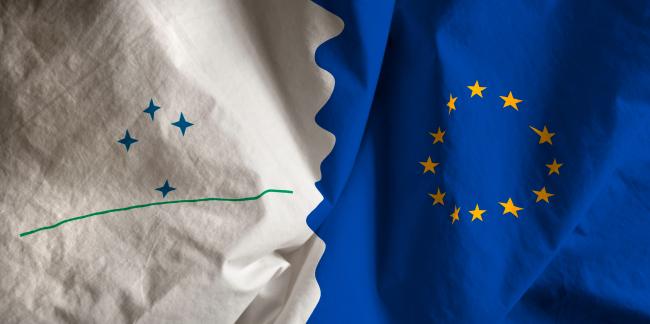
Without a Pact with Mercosur, the EU risks leaving China free in South America
The agreement EU-Mercosur It has been a banner of the recent protest by French farmers, who denounced unfair competition on the part of South Americans. However, if Paris closes the door to this pact, the way will be left clear to China, warn politicians and analysts consulted by EFE.
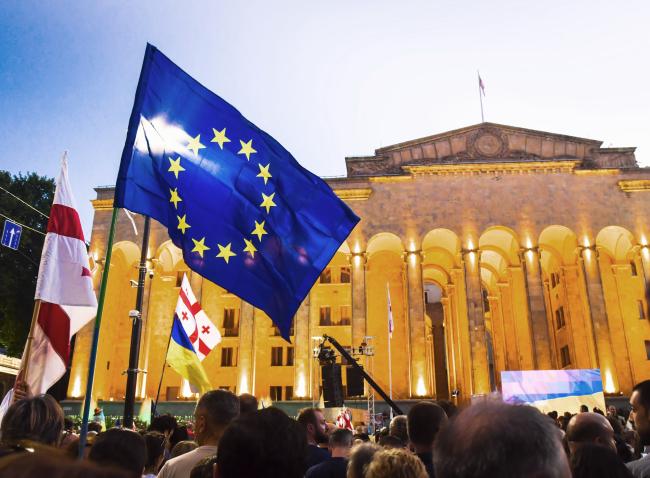
Georgia: Another Russian Front
The end of 2023 is due to mark a turning point in Georgian history. In December, the European Council will decide whether to award the country European Union (EU) candidate status.
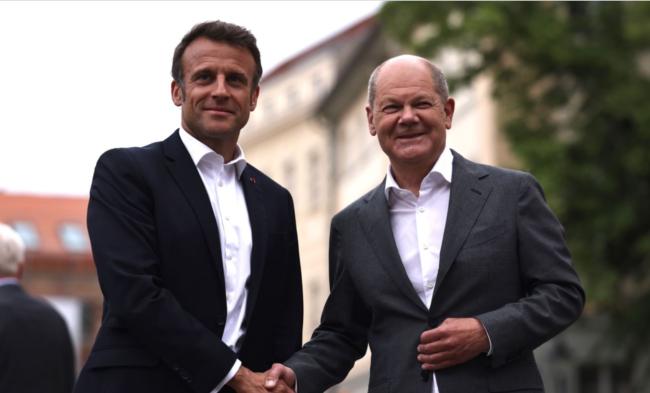
New Impulses for Stagnant Relationships - German-French Ministerial Council Meets in a New Format
As the doors of the illustrious Hôtel Beauharnais on Rue de Lille 78 swung open on the evening of 4 October, and the masses streamed into the German Embassy in Paris to celebrate German Unity Day, the reports of the currently strained state of Franco-German relations seemed almost surreal.
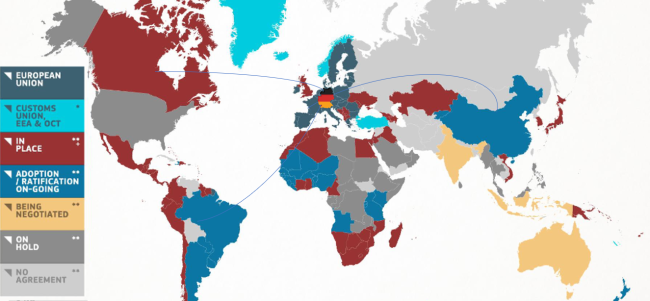
Towards a New European Trade Strategy in Times of Geopolitical Upheaval: The German Perspective
As one of the most successful trading blocs, the EU sees itself confronted with the erosion of the global rules-based trading system and trade becoming increasingly weaponized.
EU-Mercosur: An Unsolvable Trilemma Between Competition Rules, Normative Ambitions and Supply Chain Diversification
The EU-Mercosur trade deal was believed to be heading toward the finish. The election of Luiz Inácio Lula da Silva as the president of Brazil, as successor to the right-wing populist Jair Bolsonaro, and the Spanish presidency of the European Union (EU), raised hopes for its conclusion. But the reservations expressed by several EU member states and some Latin American countries have dashed hopes.
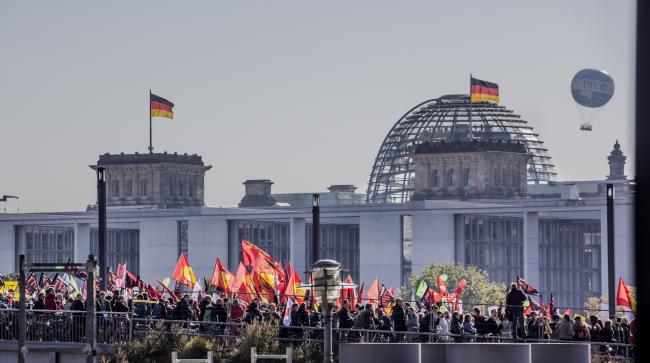
The End of a Happy Parenthesis. How the War in UkraineI Is Forcing Germany to Rethink Its Model
The period of peace, economic prosperity, and political stability that Germany has experienced since the end of the Cold War ends with the Ukrainian war. The shock wave of this conflict particularly hit its economy and thereby undermines the foundations on which Germany had based its power, its international influence and established its identity.
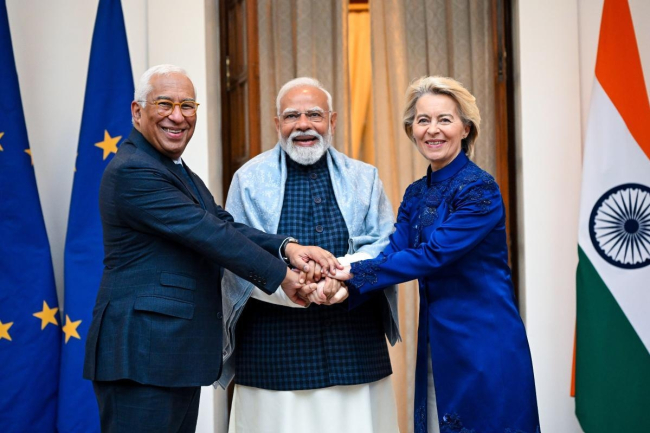
European Union-India: Lasting Rapprochement or Partnership of Convenience?
The partnership between the European Union (EU) and India has long been limited to economic exchanges. Its political dimension has gradually developed, culminating in its elevation to the status of a “strategic partnership” in 2004. However, the failure of negotiations for a free-trade agreement in 2013 slowed this momentum. Since the early 2020s, in an uncertain geopolitical context, bilateral rapprochement has gained new momentum.
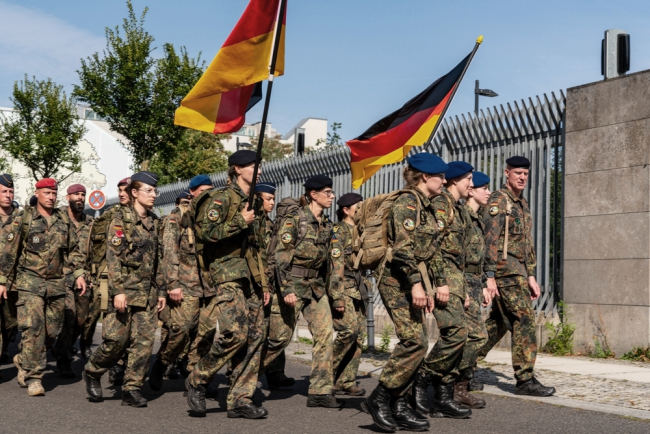
Bundeswehr: From Zeitenwende (historic turning point) to Epochenbruch (epochal shift)
The Zeitenwende (historic turning point) announced by Olaf Scholz on February 27, 2022, is shifting into high gear. Financially supported by the March 2025 reform of Germany’s “debt break” and backed by a broad political and societal consensus to strengthen and modernize the Bundeswehr, Germany's military capabilities are set to rapidly increase over the coming years. Expected to assume a central role in the defense of the European continent in the context of changing transatlantic relations, Berlin’s military-political position on the continent is being radically transformed.
Reconciling competitiveness and demographic change: a Franco-German imperative
France and Germany are facing parallel demographic shifts that could reshape the future of their economies and their social models. These shifts reflect broader European patterns but are magnified by the central role both nations play in EU governance and competitiveness.
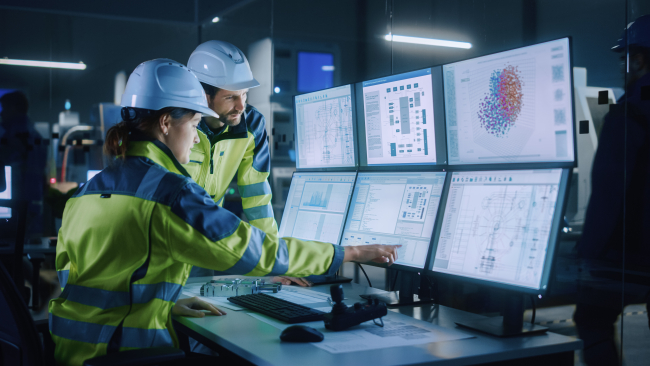
The Strategic Dimension of Skills in the Clean Industrial Deal
In the competitiveness and energy transition battles, the European Union (EU) must master a determinant factor: skills.
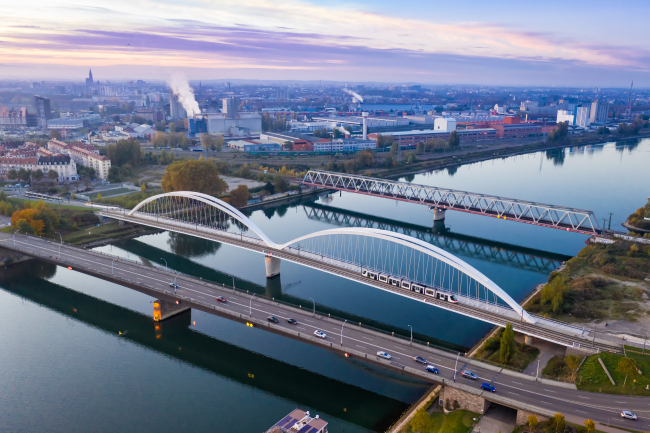
Imaginary and Reality of the Franco-German border: a Laboratory for Europe of tomorrow
In Europe, the question of borders is a central issue. According to the European Parliament, border regions cover around 40% of the European Union (EU) territory, concentrate 30% of its population and produce nearly a third of its gross domestic product.
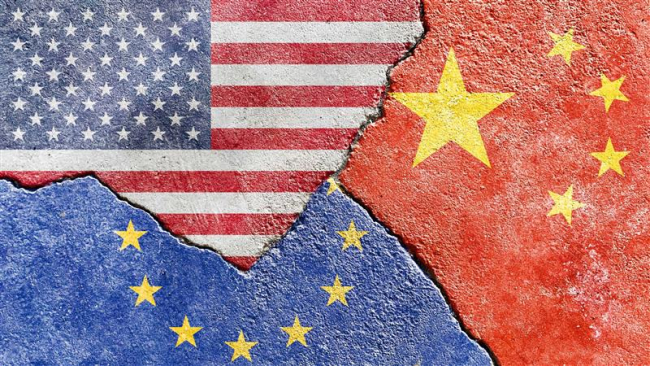
Quest for Strategic Autonomy? Europe Grapples with the US - China Rivalry
Building on the 2020 European Think Tank Network on China (ETNC) report, which assessed Europe’s positioning amid the strategic rivalry between the United States and China, this edition re-examines the geopolitical landscape in light of the Covid-19 pandemic, Russia’s war in Ukraine and Donald Trump’s return to the White House. This report features 22 national chapters and one dedicated to the EU, analysing the evolution of Europe’s relations with Washington and Beijing, the range of approaches to dealing the US-China rivalry and how these are expected to evolve.
The “Huawei Saga” in Europe Revisited: German Lessons for the Rollout of 6G
While the European Union attempted to coordinate a collective response through its 5G Toolbox in Europe’s 5G infrastructure, member states diverged significantly in balancing political, economic, and technological considerations. Germany, despite its economic ties to China and status as Europe’s largest telecom market, only reached a tentative agreement in July 2024—one that appears largely symbolic.
The European Union's Strategic Test in Georgia
The political crisis brewing in Georgia is of an existential nature for the country. What is at stake is Georgia's future as a democratic and sovereign European nation (EU).
RAMSES 2025. Between Powers and Powerlessness
Never before have there been so many powers able to upset the international balance of power, and never before have the dominant powers seemed so powerless to counter the fragmentation of the world.
Global Governance, Ukraine, and the European Union: Quo Vadis?
The technological revolution of the latter half of the twentieth century, 9/11, and the 2007–2008 financial crisis have delimited the West’s dream of harmonious globalization.
Europe is ‘counting on China’ to end Russia’s war in Ukraine, leaders tell Xi Jinping in Beijing
European Commission chief Ursula von der Leyen and French President Emmanuel Macron deliver united message to Chinese president during visit ; but as French leader signed over 20 business deals on China trip, EU chief took sterner line with Xi on economic grievances, human rights and Taiwan

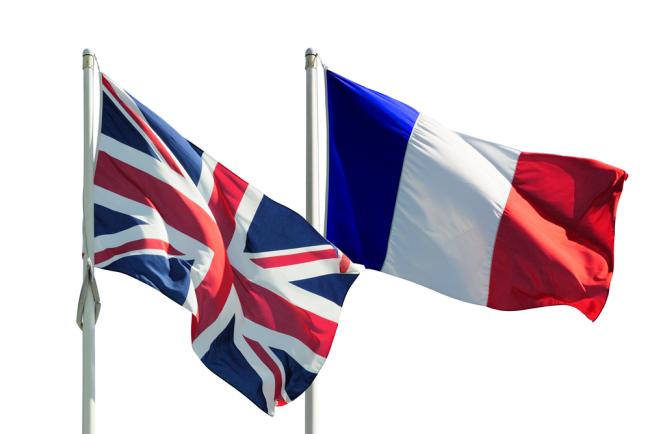
High hopes UK-France summit will reset soured post-Brexit relations
As Emmanuel Macron prepares to welcome Rishi Sunak to Paris, hopes are high that the first UK-France summit since 2018 will turn the page on years of strained post-Brexit relations.

The E.U. Offered to Embrace Ukraine, but Now What?
The European Union and NATO have promised a path to membership for the embattled country. But real partnership will hold risks and benefits for both sides.

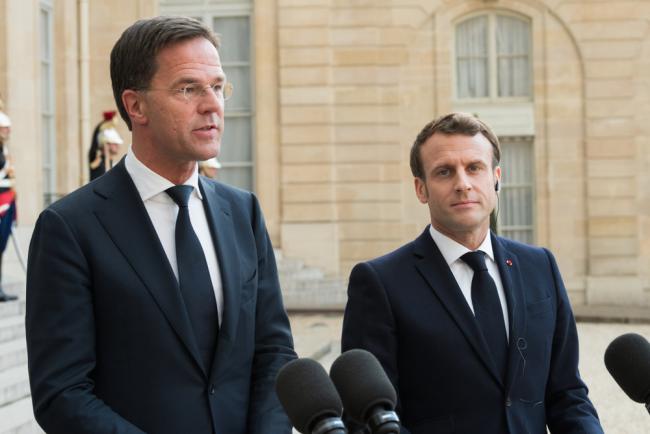
Macron and Rutte grow closer to each other through geopolitical shifts and a personal click
French President Emmanuel Macron will visit Prime Minister Mark Rutte in The Hague on Monday evening. He mainly hopes for Rutte's support for a European rebuttal to Biden's protectionist green industrial policy.
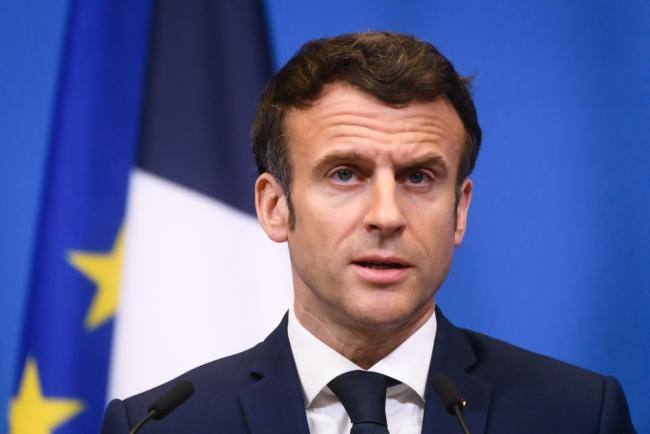
Is Macron’s ‘European Political Community’ a realistic prospect?
France’s presidency of the EU ends on June 30 with Emmanuel Macron’s new big idea, a “European Political Community”, hanging in the balance. This community would encompass EU membership candidates like Ukraine and possibly ex-member Britain. For some observers, the French president’s idea offers a way to bring countries into the European project while the long accession process takes its course. Others argue that Macron’s plan offers few clear objectives.

An Engine Replacement Could Kill Europe’s Huge F-35 Plans
If the decision to replace the engine for the F-35A is implemented, countries flying F-35s will find themselves forced into unforeseen and overly complicated supply chains.
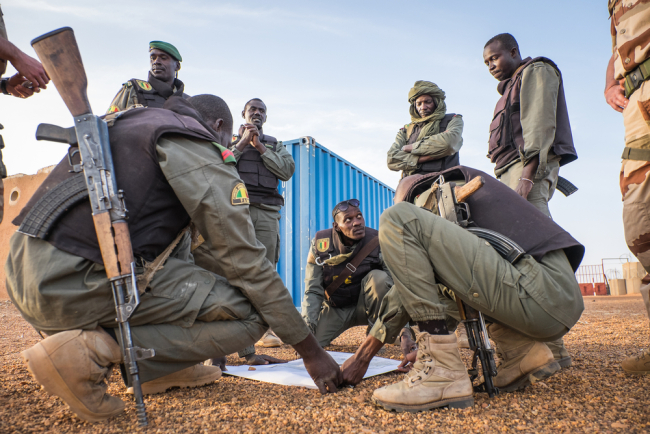
EU Winds Down Military Training Operations in Mali
The European bloc is involved in two training missions in Mali – the EUTM and the EUCAP – to coach soldiers and police.

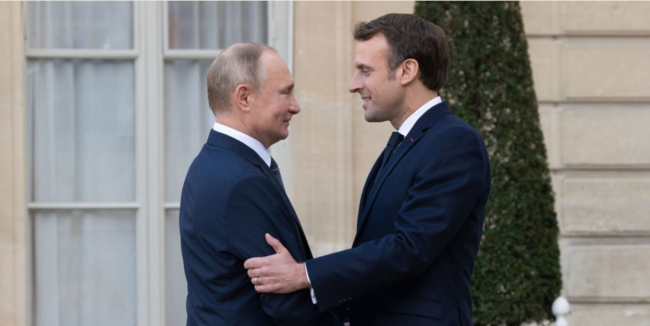
Kremlin Is Top Destination For Spooked European Leaders
Rarely in recent years has the Kremlin been so popular with European visitors. French President Emmanuel Macron arrives Monday. The Hungarian prime minister visited last week. And in days to come, the German chancellor will be there, too. All are hoping to get through to President Vladimir Putin, the man who singlehandedly shapes Russia’s course amid its military buildup near Ukraine and whose designs are a mystery even for his own narrow inner circle.
Will the European presidency help Macron secure a second term?
The French president, whose leadership will be challenged in April, may seek reforms as he guides the EU. With months to go until its presidential election, France took on the rotating presidency of the European Council on January 1.

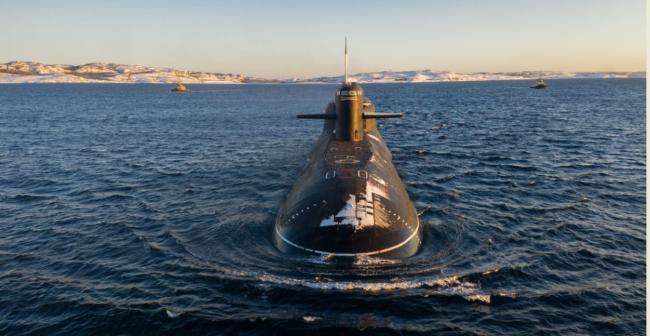
China Bristles as EU Turns Its Attention Toward Indo-Pacific
Recent months have seen the United States and its allies step up their assertiveness toward China, with support voiced for Taiwan, a new deal to provide Australia with nuclear submarines and a new European strategy for increased presence in the Indo-Pacific, according to the Associated Press.
Ifri, a foundation recognized as being of public utility, relies largely on private donors – companies and individuals – to guarantee its sustainability and intellectual independence. Through their funding, donors help maintain the Institute's position among the world's leading think tanks. By benefiting from an internationally recognized network and expertise, donors refine their understanding of geopolitical risk and its consequences on global politics and the economy. In 2026, Ifri partners with over 90 French and international companies and organizations.
