



Asia and Indo-Pacific
Asia and the Indo-Pacific are often presented as the heart of international relations in the 21st century.
Related Subjects


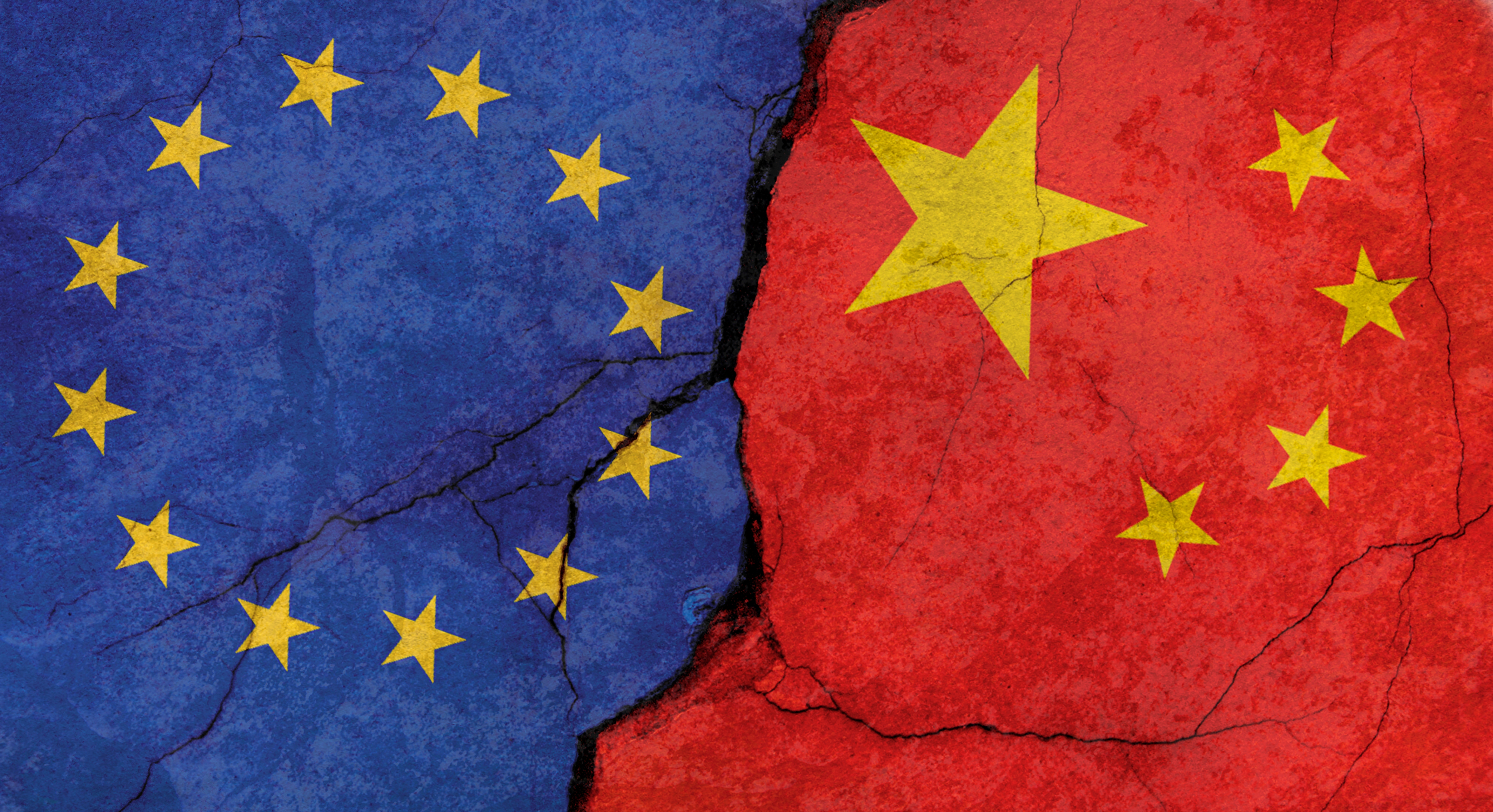
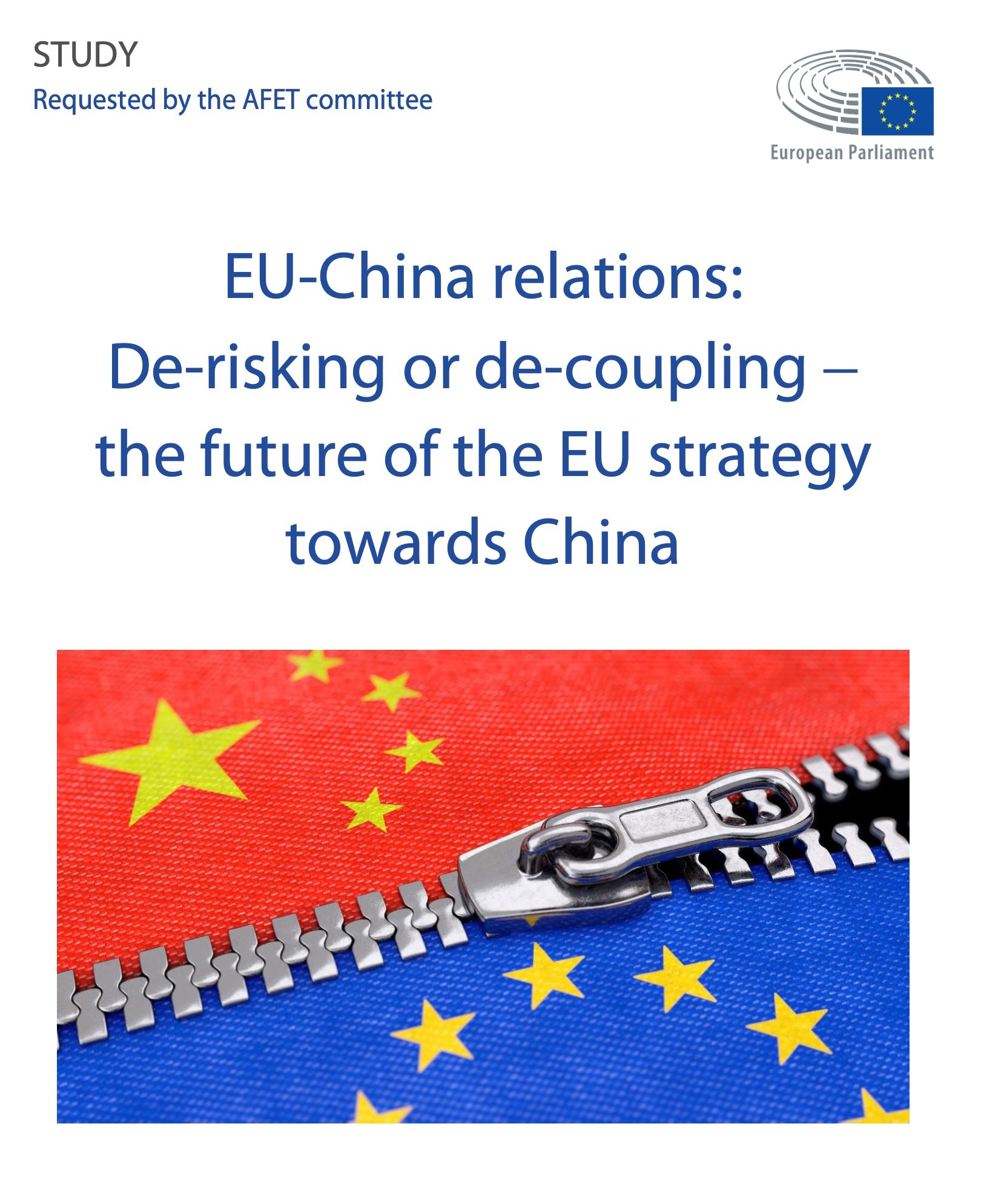
EU-China relations: De-risking or de-coupling − the future of the EU strategy towards China


China’s Strategy Toward Pacific Island countries: Countering Taiwan and Western Influence
Over the past decade, China has deployed a diplomatic strategy toward the Pacific Island Countries (PICs). This strategy pursues two main objectives: countering Taiwan's diplomatic influence in the region and countering the influence of liberal democracies in what Beijing refers to as the "Global South."
New Cold War? What New Cold War? Confronting the Geoeconomic Fragmentation Narrative with the Data
It has become widely accepted that the world economy should be seen as increasingly shaped by forces of fragmentation, resulting from geopolitical tensions. This article takes another look at this narrative, using international trade data. While an aggregate analysis is consistent with a new Cold War narrative, whereby international trade is increasingly seen as split into two blocs, this is only a mix of very different outcomes. Far from being a widespread trend, geoeconomic fragmentation of trade flows is only significant in “hotspots”: Russia's foreign trade and China-US bilateral exchanges, and the impact is massive in these cases. Outside these “hotspots”, there is no tangible sign that geopolitical tensions have been shaping international trade patterns in terms of blocs, nor is there any hint of a trend toward nearshoring – to the contrary, in fact.
Caught between China and the US: Southeast Asia’s Strategic Fence-Sitting
The secret of success for many Southeast Asian countries has been their choice of economic and diplomatic multilateralism. Fence-sitting between rival powers is becoming fraught. China inspires a degree of fear in the region, due to its clout and geographical proximity. And under Trump, the United States is on the offensive against the multilateral trade system, with major diplomatic consequences. Can Southeast Asian countries maintain their balance by embracing new partnerships?
Has ASEAN become Marginalized within Regional Security Architecture?
South Asian leaders continue to reiterate how “central” ASEAN is to the region’s security architecture. However, in practice, the tendency is to prioritize bilateral agreements, gradually marginalizing the organization. This fragmentation is weakening regional cooperation, accentuating divisions, and compromising stability in the context of growing tensions in the Indo-Pacific. These trends are worrying at a time when Sino-American rivalries are becoming more acute.

The Gulf Search for Power(s) / Politique étrangère, Vol. 90, No. 4, 2025
Persian Gulf countries have become heavyweights in the international arena, wielding influence both regionally and far beyond. Acting as diplomatic mediators, investors, and hosts of global events, they are attempting to move beyond their long-standing role as suppliers of energy resources and reshape their economic, social, and political foundations through ambitious national “Visions”. Their international alliances are proving increasingly flexible, broadening their diplomatic reach (even if Washington’s influence remains decisive)—with Saudi Arabia, Qatar, and the United Arab Emirates all part of a dynamic pushing many global actors toward multi-alignment.
Opening up the G7 to South Korea to Address Contemporary Global Challenges
The G7’s global influence has diminished as powers like China reshape international governance through initiatives such as BRICS and the Shanghai Cooperation Organisation (SCO). With the G7 now representing just 10 per cent of the world’s population and 28 per cent of global GDP, its relevance is increasingly questioned.
Replay - Navigating the Taiwan Strait Tensions: Perspectives from Japan, the Philippines, and France
Conference Replay - As tensions continue to rise in the Taiwan Strait and discussions grow about hybrid frictions potentially escalating into a kinetic conflict in the coming years, neighboring countries are bracing for impact. Japan and the Philippines would be on the front lines if a crisis were to erupt in the Taiwan Strait.

China Plays Up Image of Reliable Partner as Foreign Monarchs Visit "The visit gives China a chance not only to reaffirm its closeness with the (Thai) Kingdom, but also to signal its continued regional relevance at a time when U.S. influence is visibly receding. It comes just two weeks after Trump's brief stop at the ASEAN Summit, where his visit's only visible outcome was his role in overseeing the signing of the short-lived peace declaration between Thailand and Cambodia. By contrast, China announced the deepening of its free-trade agreement with ASEAN" - Juliette Loesch.

quoted by Liz Lee in Reuters
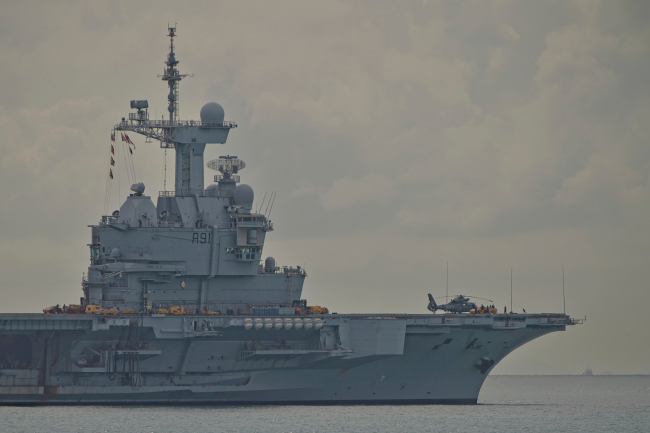
Expanding SPDMM as a pivotal institution in the Pacific – A French perspective
The South Pacific Defence Ministers’ Meeting (SPDMM) is the only forum that brings together defense ministers from the wider South Pacific — including Chile, which is hosting it for the first time. This heterogeneous group of countries with varying resources, capacities, and interests — Australia, Chile, Fiji, France, New Zealand, Papua New Guinea (PNG), and Tonga — are united by their shared determination to strengthen cooperation on maritime security and humanitarian assistance and disaster relief (HADR) activities.
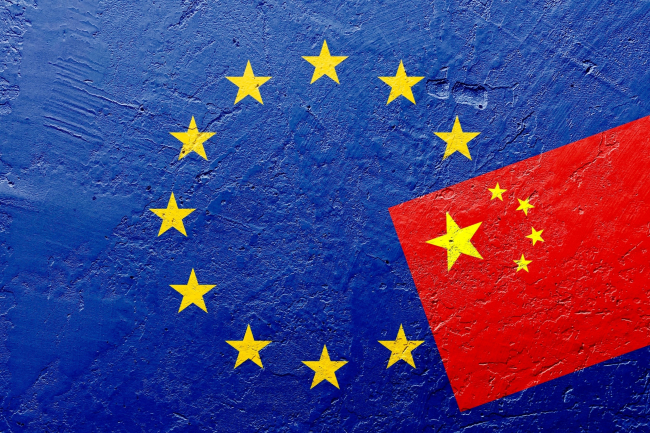
EU’s Derisking From China: A Daunting Task
With economic security as a major concern, the EU has recently turned to “derisking” from China. The EU strategy entails reducing critical dependencies and vulnerabilities, including in EU supply chains, and diversifying where necessary, while recognizing the importance and need to maintain open channels of communication.
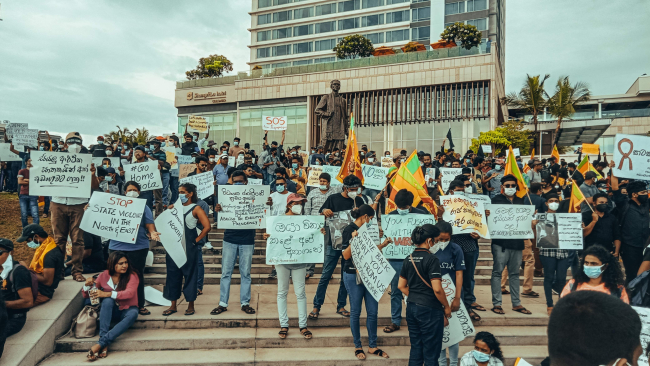
Sri Lanka’s NPP Government. From System Change to Structural Compliance
In September 2024, a relative outsider to Sri Lanka’s two-party-dominated political system, Anura Kumara Dissanayake, won the presidential elections. The anti-establishment, populist movement he represented, the National People’s Power (NPP), went on to receive an overwhelming mandate in the November 2024 general elections, winning 159 seats in a 225-member parliament.
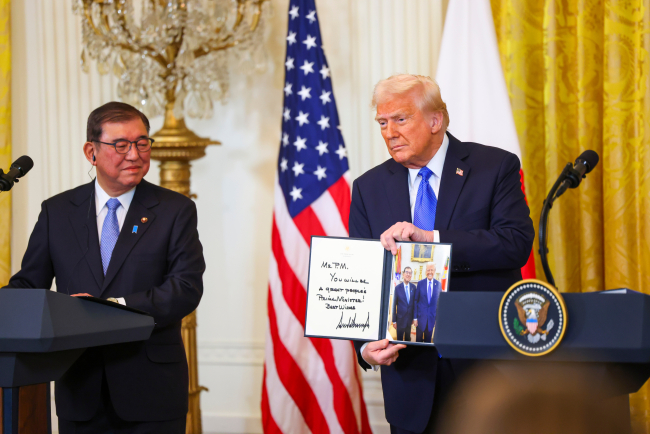
Japan Under Trump: Alliance Strains, the Push for Autonomy and Essential Partnerships
Japan is under pressure from the United States (US) on punitive tariffs and demands for increased defence spending. This has sparked deep concern over US credibility and triggered growing domestic calls for greater autonomy.
Trump II and Asia: The Wind is Picking Up…
The Indo-Pacific is a priority for the second Trump administration, which sees China as the United States' principal rival. However, Donald Trump began his second term in a rather disconcerting fashion by taking a harder line with Washington's traditional partners. He then provoked hostilities with Beijing, sparking a trade war even more intense than during his first term. The Chinese authorities have no intention of taking it lying down.

guest author for The Diplomat
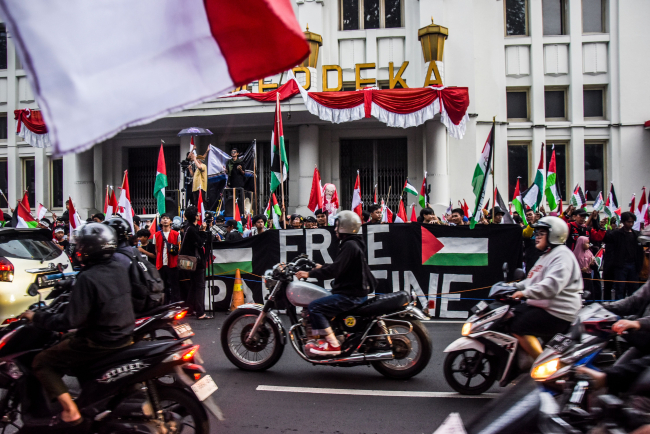
Indonesia and the Palestinian Cause
During his inaugural presidential speech on October 20, 2024, Indonesia’s incumbent president, Prabowo Subianto, iterated certain principles central to the philosophical foundation of the Indonesian nation. He noted Indonesia’s longstanding foreign policy of non-alignment or “bebas dan aktif” (free and active) and its aversion to military pacts.

U.S. tariffs take center stage but China and the EU are quietly clashing
The U.S. tariff saga has stolen global spotlight from trade tensions between China and the European Union, which are now heating up.
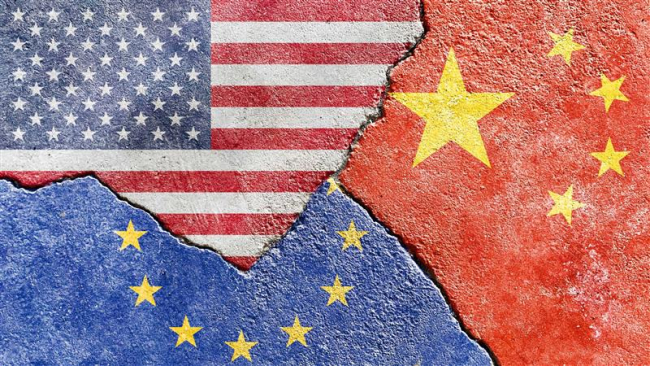
Quest for Strategic Autonomy? Europe Grapples with the US - China Rivalry
Building on the 2020 European Think Tank Network on China (ETNC) report, which assessed Europe’s positioning amid the strategic rivalry between the United States and China, this edition re-examines the geopolitical landscape in light of the Covid-19 pandemic, Russia’s war in Ukraine and Donald Trump’s return to the White House. This report features 22 national chapters and one dedicated to the EU, analysing the evolution of Europe’s relations with Washington and Beijing, the range of approaches to dealing the US-China rivalry and how these are expected to evolve.
Trump's Indo-Pacific Vision & Japan's Strategic Autonomy
Satoru Mori, Senior Fellow at the Nakasone Peace Institute, explores key insights into President Trump's likely priorities for the Indo-Pacific region. His primary concerns include addressing economic trade imbalances with countries like China, Japan, and South Korea. Additionally, he aims to deter regional conflicts, particularly over Taiwan, and wishes to advance the denuclearization of North Korea.
Europe is trying to woo Southeast Asia — but it won’t win it over the U.S. or China
European leaders are looking to Southeast Asia with renewed interest amid Washington’s aggressive tariff agenda, but experts warn that the state of regional trade ties makes it challenging to disrupt the U.S. or China’s hold.

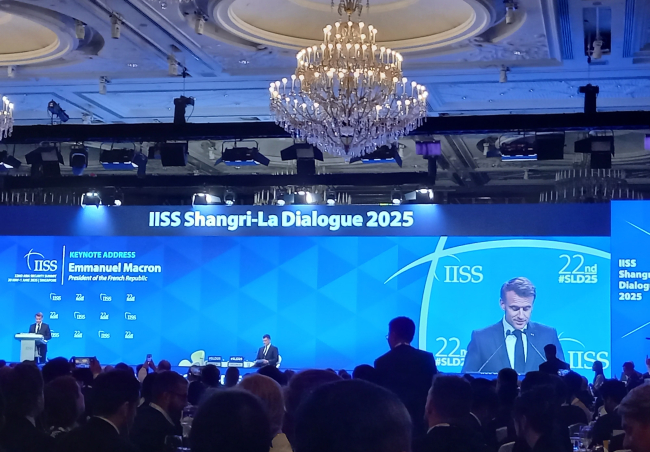
Macron’s Southeast Asia trip: What is behind the French president’s ‘third way’ proposal?
In a recent Southeast Asia tour, Macron pitched ‘strategic autonomy’ as a means for nations to avoid choosing sides in the US-China rivalry, offering France and Europe as alternative partners
Indonesia and the Palestinian Cause
During his inaugural presidential speech on October 20, 2024, Indonesia’s incumbent president, Prabowo Subianto, iterated certain principles central to the philosophical foundation of the Indonesian nation. He noted Indonesia’s longstanding foreign policy of non-alignment or “bebas dan aktif” (free and active) and its aversion to military pacts.
Quest for Strategic Autonomy? Europe Grapples with the US - China Rivalry
Building on the 2020 European Think Tank Network on China (ETNC) report, which assessed Europe’s positioning amid the strategic rivalry between the United States and China, this edition re-examines the geopolitical landscape in light of the Covid-19 pandemic, Russia’s war in Ukraine and Donald Trump’s return to the White House. This report features 22 national chapters and one dedicated to the EU, analysing the evolution of Europe’s relations with Washington and Beijing, the range of approaches to dealing the US-China rivalry and how these are expected to evolve.
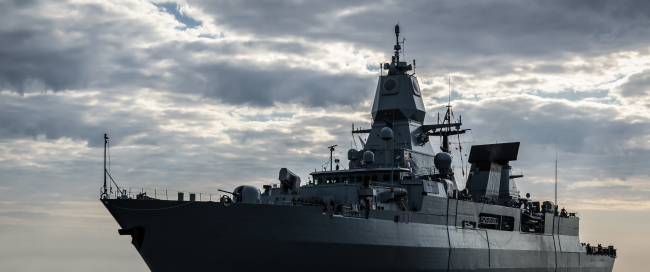
The Hunt for Economic Security: The Role of Navies in Deterring Threats to the Maritime Economy
The maritime domain is currently faced with a wide variety of threats, such as climate change, economic warfare, shadow fleet operations, protection of critical infrastructures, and illicit activities ranging from illegal fishing to piracy. Navies suffer from inherent limitations when deterring threats to the global maritime economy: their global presence and permanence limits their credibility in terms of deterrence, their focus usually set on immediate deterrence, implementing deterrence by punishment in and from the naval domain is difficult and costly.

France seeks third way between US and China in Southeast Asia
The French leader sent a message of partnership but gave few concrete details on sustained engagement plans.
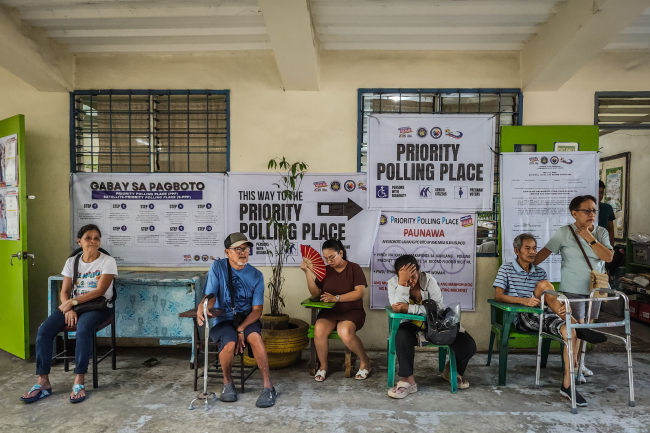
Mid-term Elections in the Philippines: The Clan War Reaches New Heights
Three years after the last general and presidential elections, Filipino voters once again went to the polls on May 12, 2025, to elect their municipal and parliamentary representatives.

France and the Philippines should anchor their maritime partnership
With shared interests in promoting international law and sustainable development, France and the Philippines should strengthen their maritime cooperation in the Indo-Pacific. Through bilateral agreements, expanded joint exercises and the exchange of best practices, both nations can enhance maritime domain awareness, counter security threats and develop blue economy initiatives. This deeper collaboration would reinforce stability and environmental stewardship across the region.
The China-led AIIB, a geopolitical tool?
The establishment of the Asian Infrastructure Investment Bank (AIIB) in 2016, on a Chinese initiative, constituted an attempt to bridge the gap in infrastructure financing in Asia. However, it was also perceived in the West as a potential vehicle for China’s geostrategic agendas, fueling the suspicion that the institution might compete rather than align with existing multilateral development banks (MDBs) and impose its own standards.
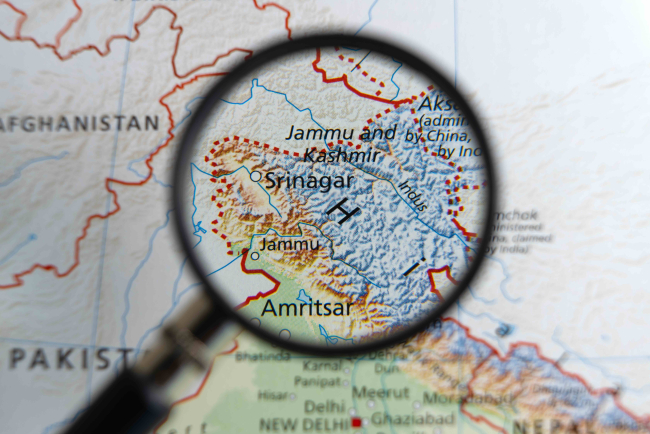
Jammu and Kashmir in the Aftermath of August 2019
The abrogation of Article 370, which granted special status to the state of Jammu and Kashmir (J&K), has been on the agenda of the Bharatiya Janata Party (BJP) for many decades.
The China-Russia Partnership and the Ukraine War: Aligned but not allied
China and Russia maintain a strategic partnership rooted in shared opposition to the U.S. and liberal democracies, but their relationship is shaped more by pragmatism than trust.
France’s Contributions to Pacific Maritime Governance
France stands out as the only European country capable of making a substantial security contribution to the South Pacific, with a permanent presence of 2,800 military personnel extensively skilled in regional cooperation.
Technical Standards, Soft Connectivity and China’s Belt and Road: Towards greater convergence or fragmentation?
As the intensification of geopolitical competition points toward increased global fragmentation, the definition of technical standards for future markets and industries will play an important role in determining just how deep the fissures will run.
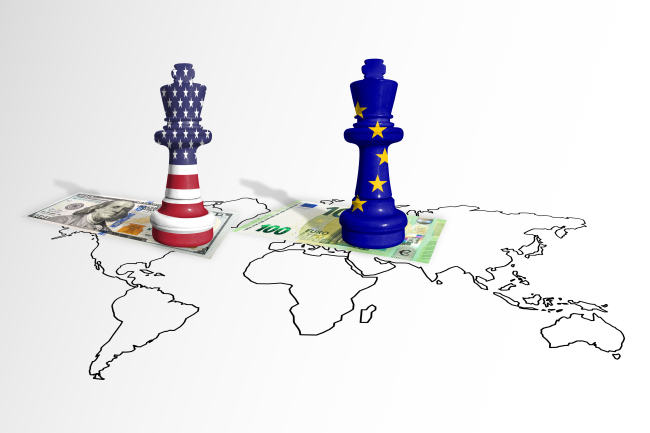
Trump’s Second Term: Laying the Groundwork for a New Trade War
In a statement released on February 1, 2025, President Trump announced the implementation of a 10% tariff on Chinese goods and a 25% tariff on imports from Canada and Mexico. While the former took effect via executive order on February 4, the latter were granted a 30-day reprieve. Sanctions targeting European Union (EU) products are said to be imminent.
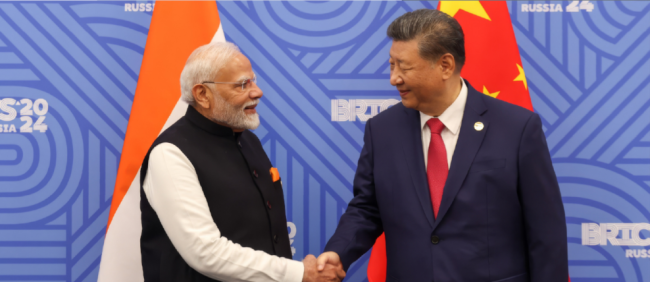
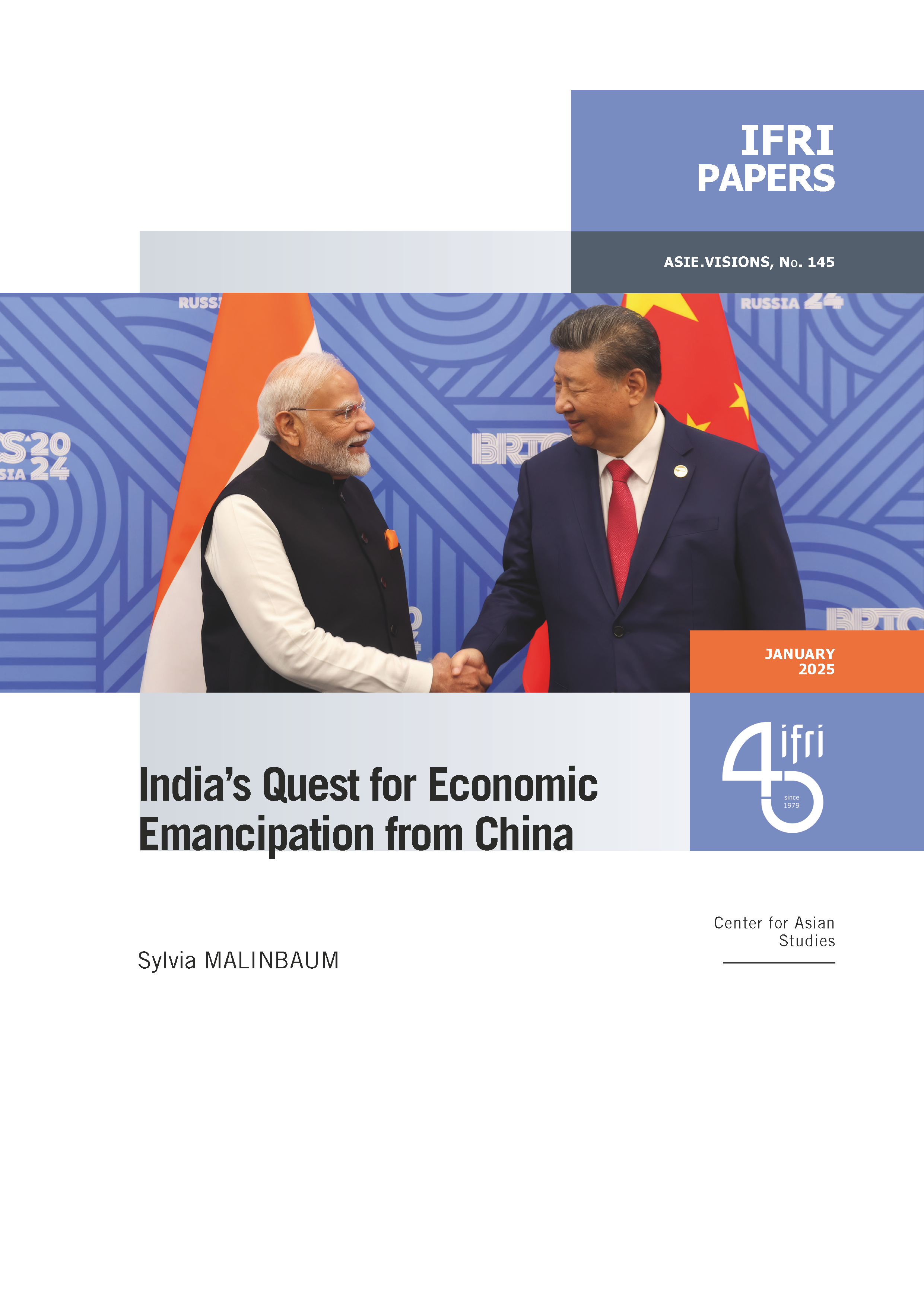
India’s Quest for Economic Emancipation from China
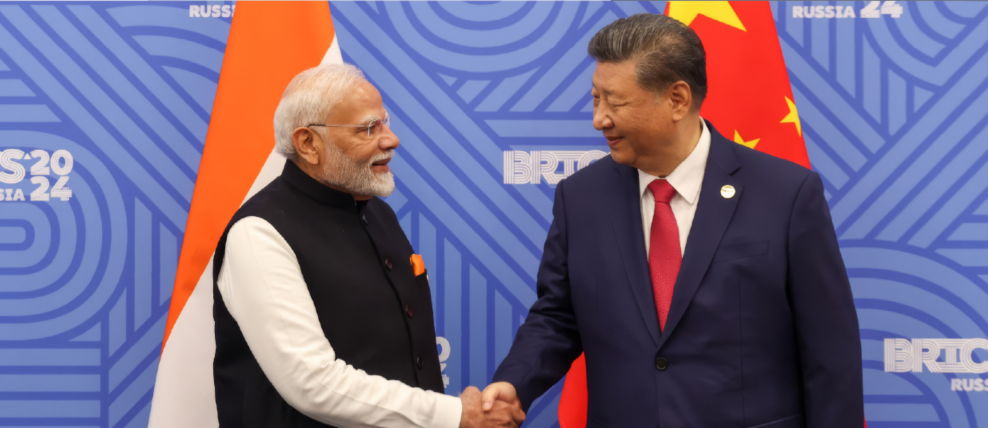
In October 2024, the meeting between Chinese President Xi Jinping and Indian Prime Minister Narendra Modi initiated a thaw in relations between the two Asian powers. Has India's high level of economic dependence on China played an important role in bringing about this diplomatic shift?
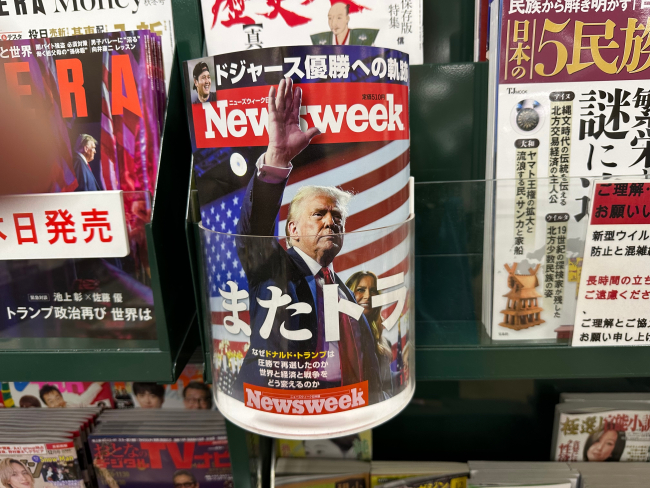
The Indo-Pacific and Trump II. In Uncle Sam’s brutal embrace
In this collective analysis, the research team of the Center for Asian Studies presents a synthetic and non-exhaustive assessment of the relations taking shape between the United States under the Trump II administration and some of the main players in the Indo-Pacific.

The Case for Enhanced France-Philippines Maritime Cooperation
France and the Philippines, two Indo-Pacific nations, can capitalize on their shared interests, needs, and expertise in maritime security and governance, ultimately fostering strategic rapprochement.
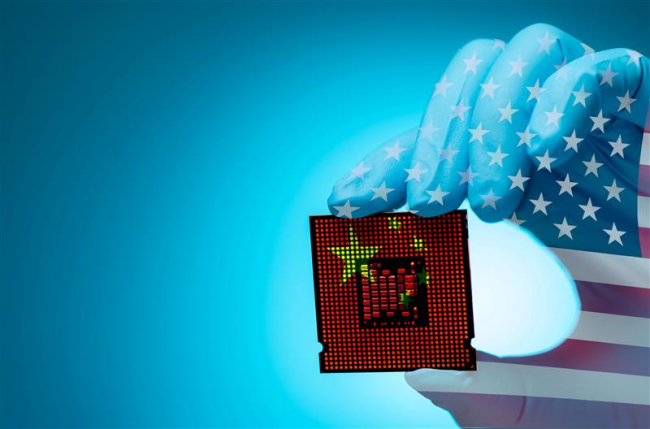
From nonproliferation to strategic competition: US export controls and China
Technological competition is at the heart of the renewed great-power competition that has characterized relations between the USA and China since the 2010s. The role of technological innovation in the evolution of power relations is already recognized in the literature of international relations. However, developments in US technology policy under the last two administrations raise the reverse question: how does the perception of changing power relations (in this case, Chinese technological catch-up perceived as a threat to US leadership) transform policies granting or denying access to technological innovation?
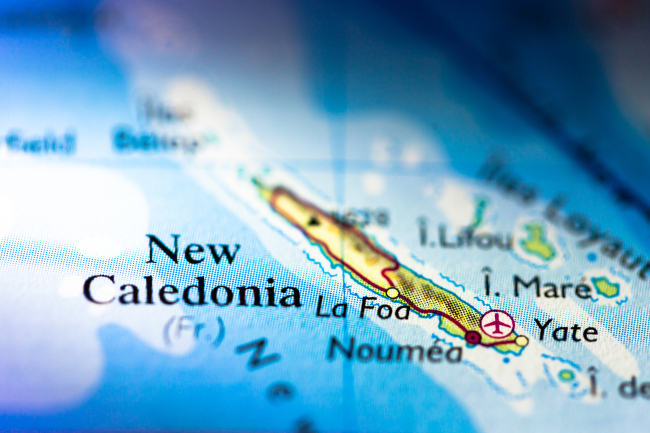
France’s maritime security cooperation in the Pacific
France plays a significant role in Pacific maritime security, particularly through the active participation of its overseas territories and the contribution of its stationed armed forces to regional cooperation initiatives.

Taiwan’s Rising Space Program: Building Up Industry, Supporting National Security
Taiwan, known for its leadership in semiconductors and information and communications technology (ICT), is now making significant strides in the space industry. While historically modest, Taiwan’s space program has seen a transformation since 2020, driven by President Tsai Ing-wen’s commitment to expanding the country’s space capabilities. Key milestones include the passage of the Space Development Act and the creation of the Taiwan Space Agency (TASA), which has bolstered the resources and visibility of Taiwan’s space ambitions.
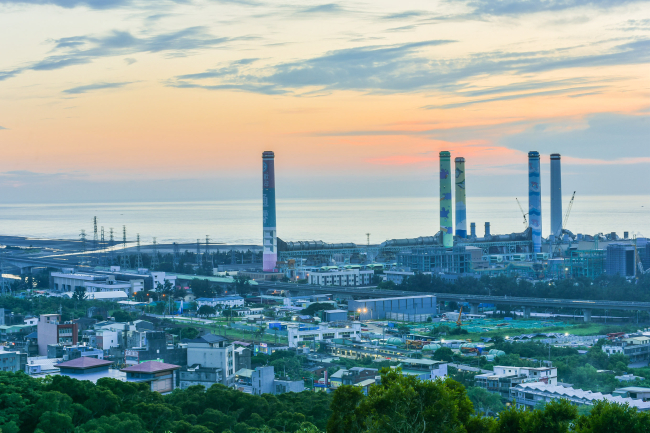
Taiwan's Energy Supply: The Achilles Heel of National Security
Making Taiwan a “dead island” through “a blockade” and “disruption of energy supplies” leading to an “economic collapse.” This is how Colonel Zhang Chi of the People’s Liberation Army and professor at the National Defense University in Beijing described the objective of the Chinese military exercises in May 2024, following the inauguration of Taiwan’s new president, Lai Ching-te. Similar to the exercises that took place after Nancy Pelosi’s visit to Taipei in August 2022, China designated exercise zones facing Taiwan’s main ports, effectively simulating a military embargo on Taiwan. These maneuvers illustrate Beijing’s growing pressure on the island, which it aims to conquer, and push Taiwan to question its resilience capacity.
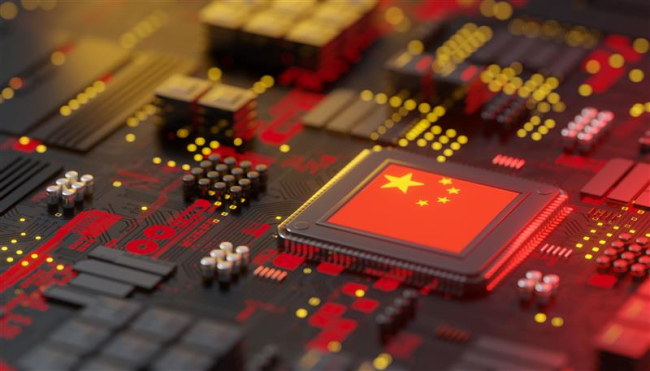
China’s Quest for a Quantum Leap
The global race to harness quantum science is intensifying. Recognizing the strategic potential of quantum technology for economic, military, and scientific advancement, China is focusing on quantum breakthroughs as a way to shift the balance of power, especially in its competition with the United States. President Xi Jinping has emphasized the importance of scientific innovation, particularly in quantum fields, to fuel national development and ensure security.


Does Macron's stance on Taiwan weaken G7 deterrence against China?
One of Prime Minister Fumio Kishida’s top goals for next month’s Group of Seven summit in Hiroshima is to create a united front on issues like China and Ukraine. But finding a unified approach to dealing with Beijing’s assertiveness might have just become harder.

France’s Macron Renews Call for a Sovereign Europe Less Reliant on Foreign Powers
French president’s remarks follow criticism over his warning that Europe should steer clear of U.S.-China tensions over Taiwan

Europe is ‘counting on China’ to end Russia’s war in Ukraine, leaders tell Xi Jinping in Beijing
European Commission chief Ursula von der Leyen and French President Emmanuel Macron deliver united message to Chinese president during visit ; but as French leader signed over 20 business deals on China trip, EU chief took sterner line with Xi on economic grievances, human rights and Taiwan
In China, Macron appeals to Xi to help end Ukraine conflict
French President Emmanuel Macron called on Chinese President Xi Jinping to help convince Russia to hold negotiations toward ending the war in Ukraine as the two leaders met in Beijing on Thursday.

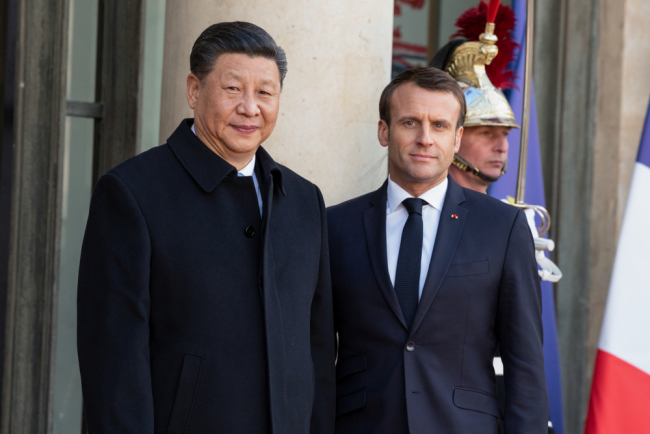
France’s Emmanuel Macron to Press Xi Jinping on China’s Support of Russia
French President Emmanuel Macron is expected to press Chinese leader Xi Jinping during a trip to China this week to limit support for Russia in its war against Ukraine, according to French officials, amid growing Western concerns over Beijing’s deepening economic and political ties with Moscow.
Xi's Moscow Visit Risks Further Emboldening Putin: Analysts
There is no sign the visit of Chinese President Xi Jinping to Moscow will rein in President Vladimir Putin in his war in Ukraine, even if it again highlights a lopsided relationship where Russia is clearly the junior partner, analysts say.

David Pratt on The World: Darkness is descending upon Myanmar
Six weeks after a coup the military repression is escalating with human rights activists saying ‘crimes against humanity’ are likely being committed. Foreign Editor David Pratt examines a brutal crackdown by an army with form in committing atrocities

Back to 'basket case'? Myanmar economy at risk after coup
Foreign investors flocked to Myanmar as it began its democratic transition a decade ago, but this week's military coup is likely to accelerate a trend of Western withdrawal -- and China's expansion.

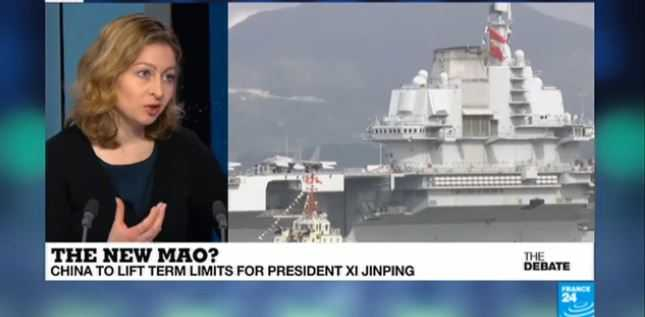
The new Mao? China to lift term limits for President Xi Jinping
Does China now have a president for life? China's leader Xi Jinping could stay in power indefinitely following the ruling Communist Party's proposal to scrap term limits.
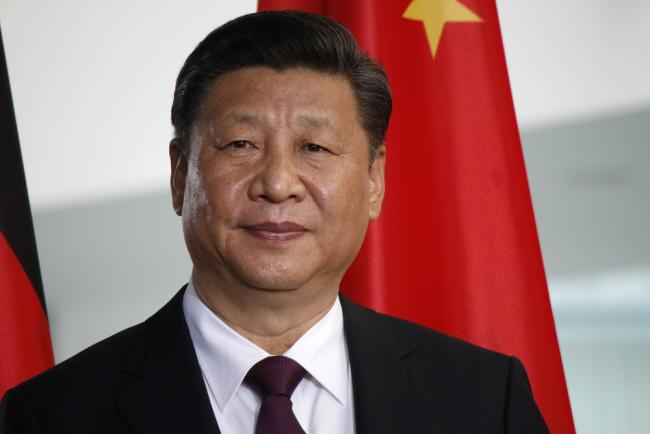
China and the “Definition Gap”: Shaping Global Governance in Words
Increasingly, China’s diplomacy is using key words commonly used by liberal democracies, but the meaning differs greatly. This evolution is changing the terms of the debate without changing a single term.
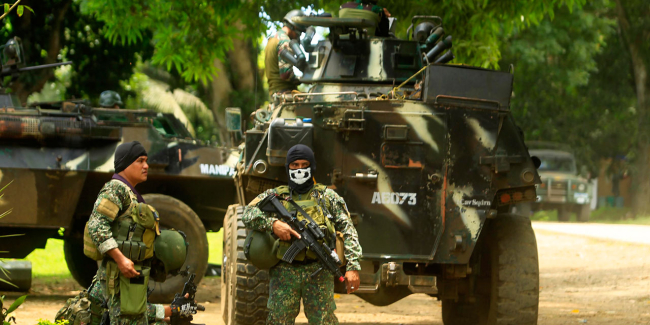
Menace islamiste, loi martiale, ... que se passe-t-il aux Philippines?
Philippines' President wants to limit islamist groups' capacity after several attacks in the South of the country.




Ifri, a foundation recognized as being of public utility, relies largely on private donors – companies and individuals – to guarantee its sustainability and intellectual independence. Through their funding, donors help maintain the Institute's position among the world's leading think tanks. By benefiting from an internationally recognized network and expertise, donors refine their understanding of geopolitical risk and its consequences on global politics and the economy. In 2026, Ifri partners with over 90 French and international companies and organizations.

The European Think-tank Network on China (ETNC) is a gathering of China experts from a selection of European research institutes. It is devoted to the policy-oriented study of Chinese foreign policy and relations between China and European countries as well as China and the EU. It facilitates regular exchanges among participating researchers with a view to deepening the understanding within the European policy and research community and the broader public of how Europe, as a complex set of actors, relates with China and how China’s development and evolving global role is likely to impact the future of Europe. The network’s discussions and analyses take a decidedly ‘bottom-up’ approach, accounting for the various aspects of bilateral relations between European countries and China, and the points of convergence and divergence among EU member states in order to examine EU-China relations in a realistic and comprehensive way. The views presented in ETNC reports are the sole responsibility of the signed authors and do not in any way represent the views of all members of the ETNC, its participating institutions, nor the institutions with which the authors are affiliated.
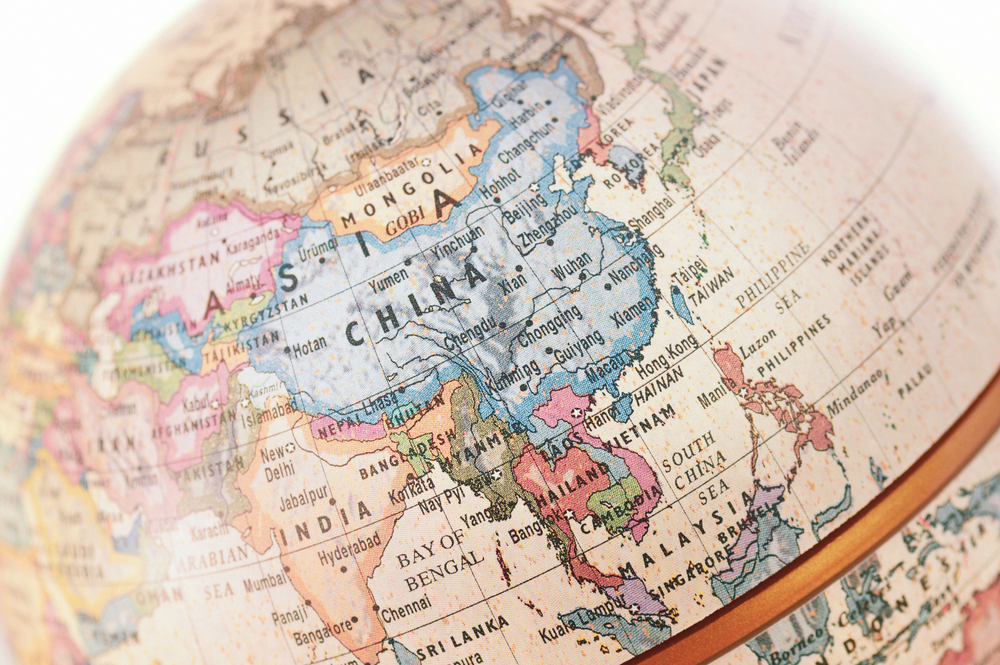
Asia is a nerve center for multiple global economic, political and security challenges. The Center for Asian Studies provides documented expertise and a platform for discussion on Asian issues to accompany decision makers and explain and contextualize developments in the region for the sake of a larger public dialogue.
The Center's research is organized along two major axes: relations between Asia's major powers and the rest of the world; and internal economic and social dynamics of Asian countries. The Center's research focuses primarily on China, Japan, India, Taiwan and the Indo-Pacific, but also covers Southeast Asia, the Korean peninsula and the Pacific Islands.
The Centre for Asian Studies maintains close institutional links with counterpart research institutes in Europe and Asia, and its researchers regularly carry out fieldwork in the region.
The Center organizes closed-door roundtables, expert-level seminars and a number of public events, including an Annual Conference, that welcome experts from Asia, Europe and the United States. The work of Center’s researchers, as well as that of their partners, is regularly published in the Center’s electronic journal Asie.Visions.