




Security - Defense
As a result of global strategic competition, security and defense issues are marked by the return of major wars and nuclear deterrence, the transformation of terrorism and the race for military technologies.
Related Subjects
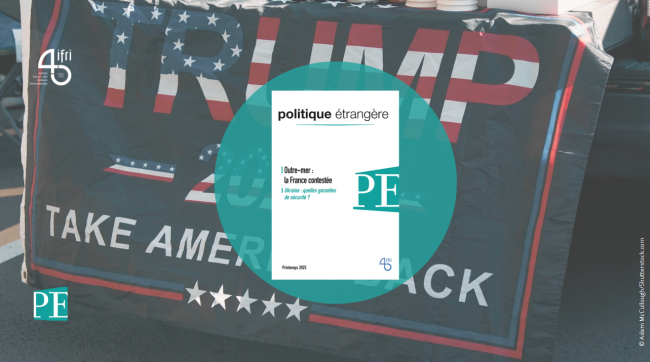
Trump 2: Challenges for the US Military Posture - Politique étrangère, Vol. 90, No. 1, Spring 2025
The distribution of operational leverage points in US strategy has changed significantly over the past two decades, with a sharp reduction. Donald Trump's distancing and repeated criticism of traditional US alliances threaten to undermine the entire architecture of the US presence in the world, beyond the concrete, real and, in particular, industrial impasses of America's military posture.

I see some degree of — I don’t want to say panic — but really alarmed Europeans who realize they need to stick together as much as possible.
If the Europeans want to step up and make up for the loss of American aid to Ukraine, it needs to happen now, they need to put the money on the table; they need to pass on the orders to the defense industry.
Europe is lacking ammunition, we’re lacking replacement parts, we’re lacking readiness.
quoted by Lisa Bryant for Voice of America.
France Contested in Overseas Territories - Politique étrangère, Vol. 90, No. 1, Spring 2025
New Caledonia, Mayotte: France's overseas territories were severely shaken in 2024. Beyond explanations of the economic situation, the place of these overseas territories in French policies and strategies is once again being called into question.
Are France's overseas territories the remnants of an outdated colonialism? Or, on the contrary, are they supports for an extended French presence that the opening-up of the world makes indispensable, and barriers raised here and there against the appetites of new powers? In any case, what policies should the Hexagone pursue in these regions, to promote better development and more effective integration into their environment? And is the legal status of these overseas territories untouchable?
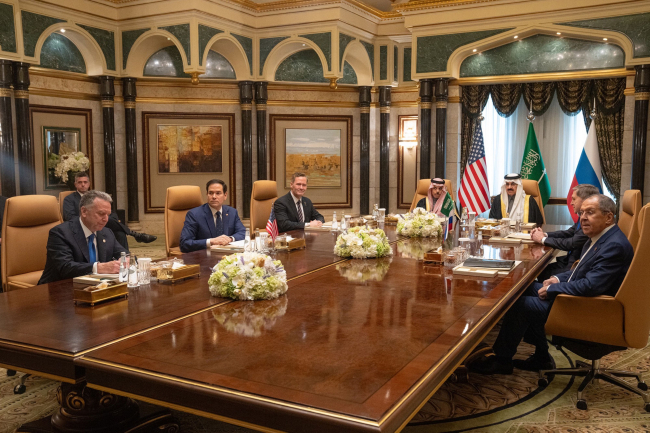
How the US under Trump Became a Strategic and Ideological Adversary of Europe
The Europeans' worst security nightmare seems to be coming true: on Tuesday, February 18, 2025, U.S. Secretary of State Marco Rubio and Russian Foreign Minister Sergey Lavrov met in Saudi Arabia to initiate the normalization of relations between their two countries. The meeting also aimed to set up peace negotiations for Ukraine. However, despite having the potential to affect the entire continent, the discussions took place without the Europeans or the Ukrainians being present.

Merz's statement now needs to be followed up in the long term at political level, on both the French and German sides. It's been on the table for five years, and if we don't talk about it now, when Europe is in danger, we'll never talk about it.

cited by Politico.

The China-Russia Partnership and the Ukraine War: Aligned but not allied
China and Russia maintain a strategic partnership rooted in shared opposition to the U.S. and liberal democracies, but their relationship is shaped more by pragmatism than trust.
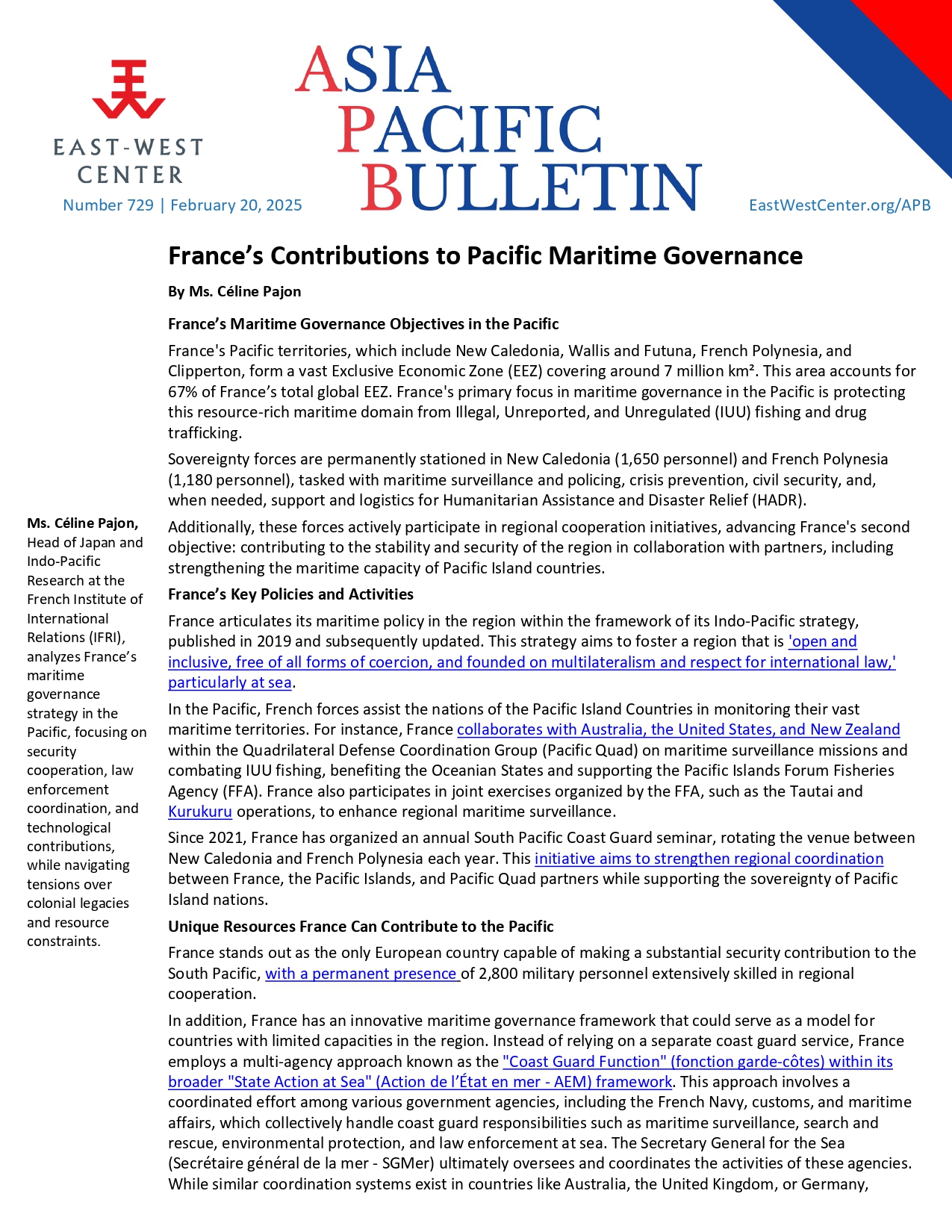
France’s Contributions to Pacific Maritime Governance
France stands out as the only European country capable of making a substantial security contribution to the South Pacific, with a permanent presence of 2,800 military personnel extensively skilled in regional cooperation.
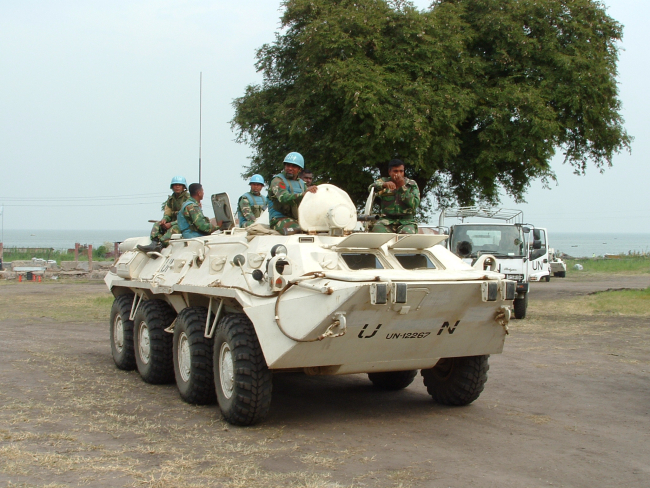
The United Nations Mission in Congo or the exemplary uselessness of the United Nations peacekeepers
During the M23 conflict in 2012-2013 in the Democratic Republic of Congo (DRC), the United Nations (UN) took the diplomatic initiative (by initiating the Addis Ababa agreement) and the military initiative (by launching a coordinated counter-offensive with the Congolese army). Since the resurgence of this conflict in 2022, the United Nations, which still has more than 10,000 peacekeepers deployed in eastern DRC, no longer plays any role.
Naval Power and Maritime Economy: an interview with Admiral Nicolas Vaujour (Chief of Staff of the French Navy)
On the sidelines of the Paris Naval Conference 2025, on February 4, 2025, organized by Ifri and the French Navy (Marine nationale), Admiral Nicolas Vaujour, Chief of Staff of the French Navy share insights on the crucial role that naval power plays in support of maritime economy.
How do maritime companies cooperate with the navies? An interview with Evan FUERY, EQUINOR
On the sidelines of the Paris Naval Conference 2025, on February 4, 2025, organized by Ifri and the French Navy (Marine nationale), Evan FUERY, Senior Vice-President for Corporate Security and Crisis Management, EQUINOR, shares insights on how maritime companies collaborate with the navies to secure maritime economy.
Naval Power and Maritime Economy: Rear Admiral Olivier Berdal, Chief of the Royal Norwegian Navy
On the sidelines of the Paris Naval Conference 2025, on February 4, 2025, organized by Ifri and the French Navy (Marine nationale), Rear Admiral Olivier Berdal, Chief of the Royal Norwegian Navy, shares insights on the crucial role that naval power plays in support of maritime economy.
Naval Power and Maritime Economy: an interview with Admiral Sir Ben Key, First Sea Lord, Royal Navy
On the sidelines of the Paris Naval Conference 2025, on February 4, 2025, organized by Ifri and the French Navy (Marine nationale), Admiral Sir Ben Key, First Sea Lord, Royal Navy, shares insights on the crucial role that naval power plays in support of maritime economy.
How do maritime companies cooperate with the navies? An interview with Christine Cabau (CMA-CGM)
On the sidelines of the Paris Naval Conference 2025, on February 4, 2025, organized by Ifri and the French Navy (Marine nationale), Christine Cabau, Executive Vice-President in Charge of Assets and Operations, CMA-CGM, shares insights on how maritime companies collaborate with the navies to secure maritime economy.
Naval Power in Support of Maritime Economy: An Interview with Vice-Admiral Jeffrey Anderson (U.S. Navy)
On the sidelines of the Paris Naval Conference 2025, on February 4, 2025, organized by Ifri and the French Navy, Vice-Admiral Jeffrey Anderson, Commander of the 6th Fleet, U.S. Navy, and Commander of the Striking and Support Forces NATO, share insights on the crucial role that naval power plays in support of maritime economy.
How do maritime companies cooperate with the navies? An interview with Simon Bergulf, MÆRSK
On the sidelines of the Paris Naval Conference 2025, on February 4, 2025, organized by Ifri and the French Navy (Marine nationale), Simon BERGULF, Group Representative Europe Public and Regulatory Affairs, Head of Energy transition and Operations, Maersk, shares insights on how maritime companies collaborate with the navies to secure maritime economy.
Replay - Paris Naval Conference 2025: Naval Power in support of Maritime Economy
Replay of the third edition of the Paris Naval Conference (CNP), bringing together high-level speakers from the military, industry and academia, for the aim of addressing the issues of securing the maritime economy for the world's navies.
Naval Power and Maritime Economy: Rear Admiral Søren Kjeldsen, Chief of the Royal Danish Navy
On the sidelines of the Paris Naval Conference 2025, on February 4, 2025, organized by Ifri and the French Navy (Marine nationale), Rear Admiral Søren Kjeldsen, Chief of the Royal Danish Navy, shares insights on the crucial role that naval power plays in support of maritime economy.
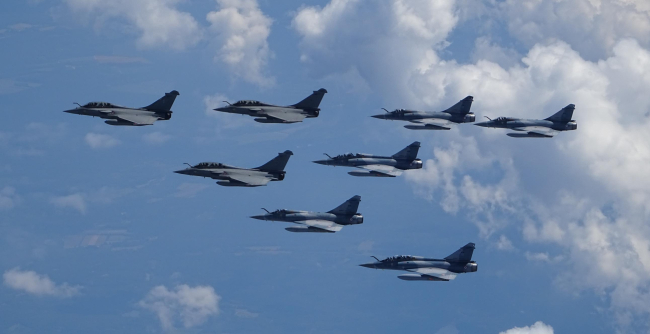
The Future of Air Superiority. Command of the Air in High Intensity Warfare
Air superiority, understood as control of the air, is a cornerstone of the Western art of warfare. It is a decisive condition, albeit not sufficient by itself, to achieve military victory, as it enables the concentration of air power toward the achievement of wider strategic objectives and protects other components from unbearable attrition levels. It is best achieved through the offensive use of air power in a joint effort to neutralize the enemy’s air power.
Replay - Affirming European security in times of uncertainty: Poland’s priorities for its Presidency
Poland will assume the presidency of the Council of the EU throughout the first semester of 2025, when geopolitical tensions are likely to peak. Watch the replay of the videoconference "Affirming European security in times of uncertainty. Poland’s priorities of its presidency of the Council".
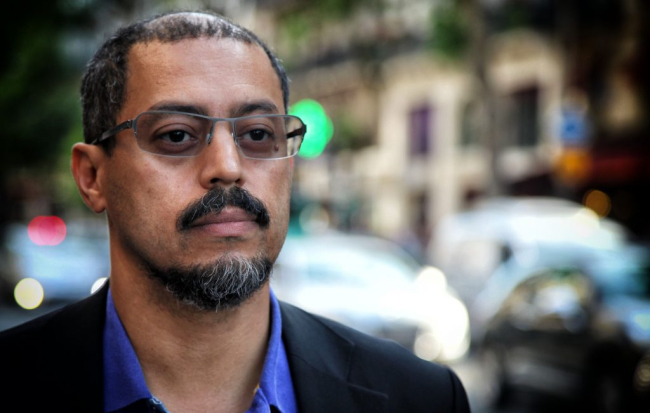
France starts 2025 with fresh controversy, questions over Africa
France starts 2025 with a further drawdown of its military presence in its former African colonies, and fresh tensions ignited this week with controversial remarks by French President Emmanuel Macron.

The Evolving Role of Nuclear Rhetoric in Iran’s Strategic Calculus
How has the Iranian strategic discourse about nuclear weapons and deterrence evolved?
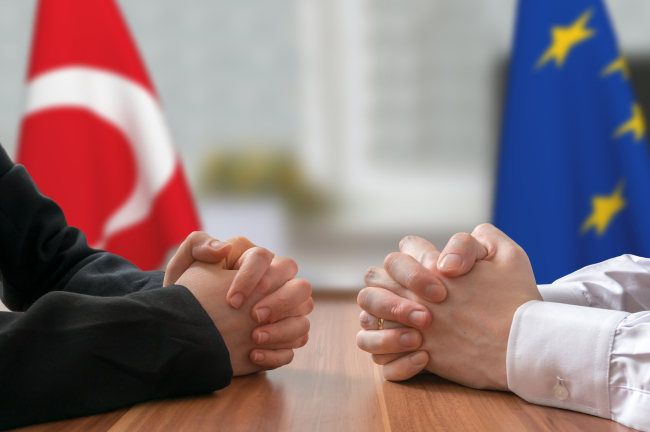
Turkey and France - Allies or Rivals: Opportunities to be Seized
As international relations have become increasingly unpredictable, the quest is to find a semblance of normality. Alliances are shifting as interests are changing. The so-called order established after the Second World War is being shattered by those who have given so much to create it. Global relations are being transformed by countries that wish to follow the rules and others that want to circumvent or ignore them. In this uncertain environment, it is therefore all the more crucial to find stable allies.
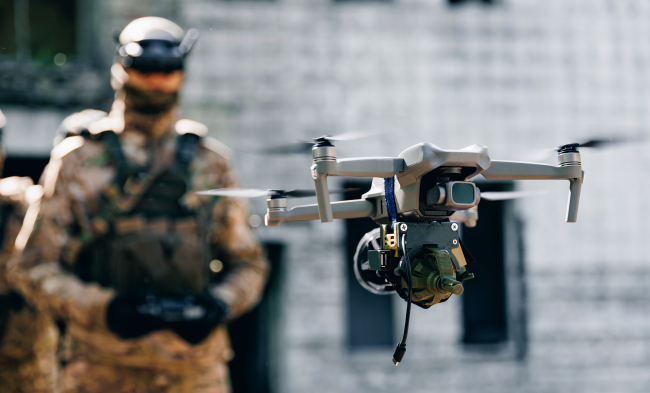
Design, Destroy, Dominate. The Mass Drone Warfare as a Potential Military Revolution
The widespread use of drones observed in Ukraine—both in terms of the scale of the fleets deployed and their omnipresence in the operations of both belligerents—appears to meet the conditions of a genuine military revolution.
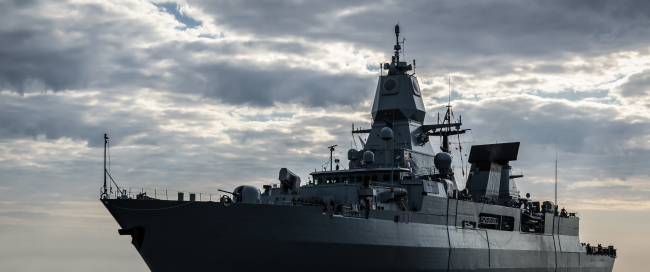
The Hunt for Economic Security: The Role of Navies in Deterring Threats to the Maritime Economy
The maritime domain is currently faced with a wide variety of threats, such as climate change, economic warfare, shadow fleet operations, protection of critical infrastructures, and illicit activities ranging from illegal fishing to piracy. Navies suffer from inherent limitations when deterring threats to the global maritime economy: their global presence and permanence limits their credibility in terms of deterrence, their focus usually set on immediate deterrence, implementing deterrence by punishment in and from the naval domain is difficult and costly.
The "Europe of Internal Security": An Unknown Quantity - Politique étrangère, Vol. 90, No. 2, Summer 2025
The new European Internal Security Strategy, unveiled by the European Commission in April 2025, provides an opportunity to shine a light on a little-known policy. To mitigate the problems created by freedom of movement, substantial additions have been made to European internal security policy over the last few years. The European Union is constantly striving to become stronger in order to combat crime, terrorism, illegal immigration, and hybrid threats more effectively.
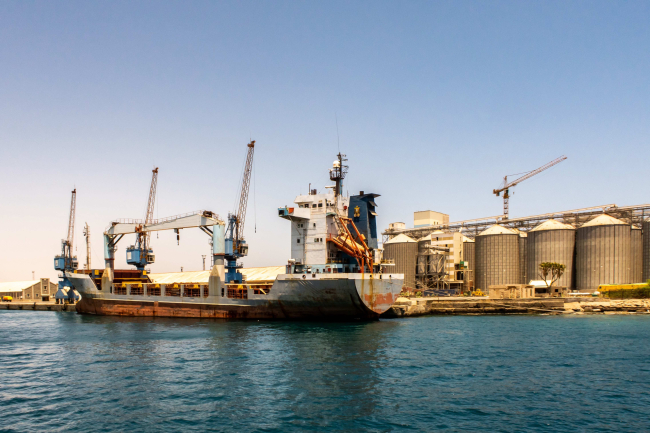
The Revenue Sources Sustaining Sudan’s Civil War. Lessons for the year 2023
Wars require money and resources, and often, most conflicts involve controlling sources of income and supply lines or denying them to enemies. This has been the case in Sudan’s past conflicts and is again as the civil war—between the Sudan Armed Forces (SAF), commanded by General Abdelfattah al-Burhan, and the paramilitary Rapid Support Forces (RSF), commanded by General Mohammed Hamdan Daglo “Hemedti” —has sunk into a protracted conflict.
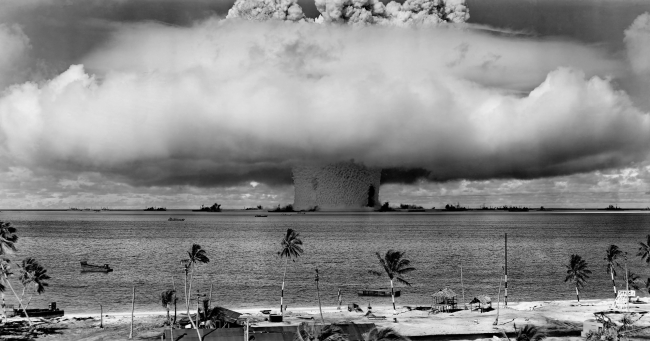
A Fragile Consensus? The Pressure on the Norm Against Nuclear Testing
Apart from North Korea, no state has conducted explosive nuclear tests in the 21st century, reflecting the emergence of a strong international norm against such testing.
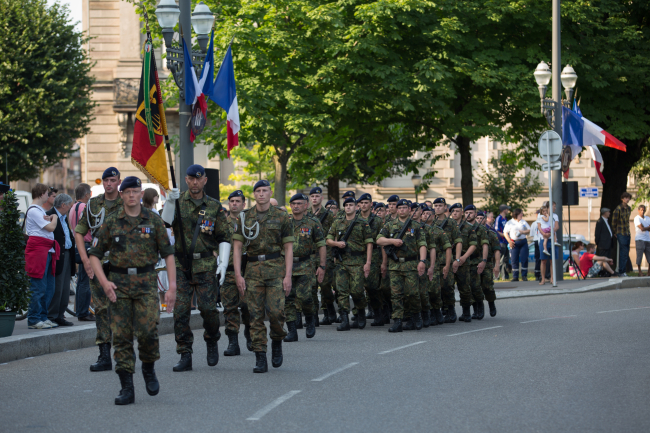
The Franco-German Brigade and the Revival of European Defense
One thing has been clear since Donald Trump's return to the White House: the very existence of the European unification project is threatened. Unless it develops a sovereign defense policy to counter the war in Ukraine and the weakening of American security guarantees, the European Union will continue to see its internal cohesion and external attractiveness wane.
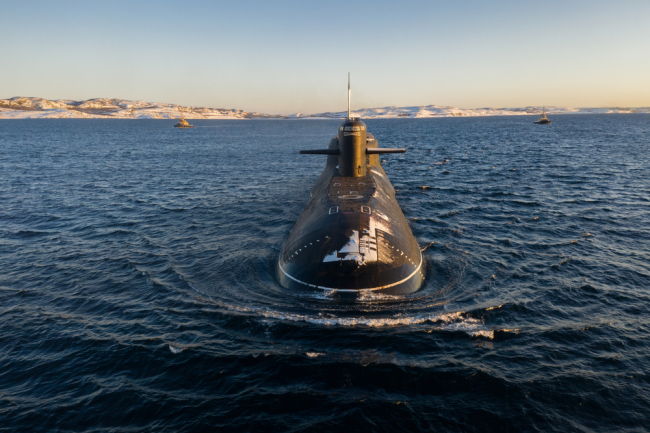
Taking the Pulse: Can Europeans Build Their Independent Extended Nuclear Deterrent?
Confronted with a U.S. disengagement and the Russian threat, Europeans are reconsidering their stance on nuclear deterrence. Given the capabilities of the French and British arsenals, can Europe develop an independent nuclear deterrent?
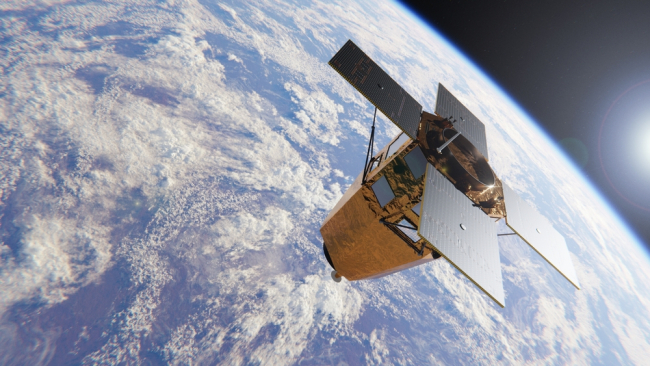
The European Space Model: Renewing Ambition in a Changing Strategic Landscape
The European space model, based on science, cooperation and trade, is now being undermined by changes in international relations and the economic upheavals brought about by New Space. In light of the war in Ukraine and American disengagement, Europe needs to rethink its strategy by adding a fourth pillar dedicated to defense, in order to strengthen its sovereignty and deter possible aggression against the continent.
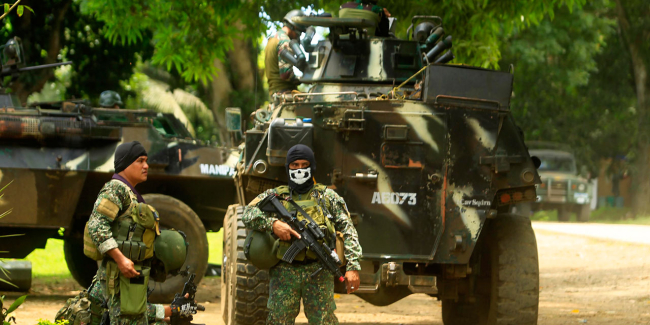
Menace islamiste, loi martiale, ... que se passe-t-il aux Philippines?
Philippines' President wants to limit islamist groups' capacity after several attacks in the South of the country.

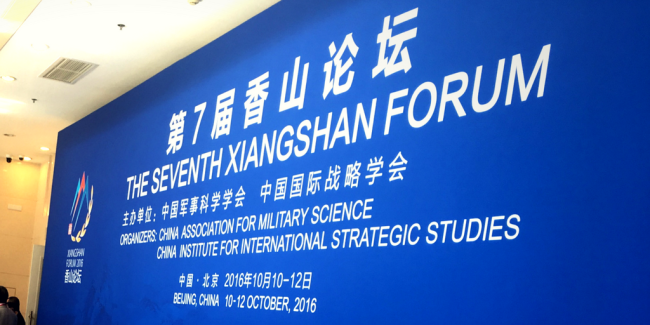
At the 2016 Xiangshan Forum, China Outlines a Vision for Regional Security Governance
Beijing has a plan for a new regional security architecture, and it’s not based around alliances.
France wants to feel safe – whatever it takes. But what if it takes too much?
Opinion column published in "The Globe and Mail"

In France, are soldiers outside the Eiffel Tower and the Louvre really worth it?
Sentinel represents a watershed development in French military operations. For the first time since the end of the Cold War, the number of French army soldiers actively deployed in metropolitan France roughly equals that of overseas operations. But the military establishment here is far from unified on the value of an operation often seen as a costly and superficial means of reassuring civilians and tourists at the expense of substantive improvement to national security.

NATO wrestles with internal divisions ahead of Warsaw summit
The alliance is struggling to assemble four battalions to safeguard its eastern flank from a possible Russian attack. In addition, many member states are falling short of their financial commitments to the alliance.
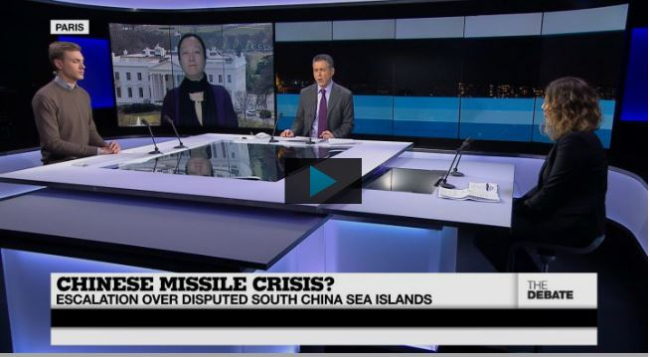
Chinese missile crisis? Escalation over disputed China Sea islands
Reports have emerged that China has set up a missile launch base on Woody Island, part of an archipelago disputed with Taiwan and Vietnam. This comes just as the US President was wrapping up an ASEAN summit to strengthen ties after the recent Trans-Pacific Partnership trade deal. How will this shape policy not only among Washington's traditional allies in the region but also in countries like Vietnam? Once again, a war-weary US is being called upon and has to look at the broader picture.

China quiere aumentar su protagonismo en Oriente Próximo
Después de haber rehuido durante años implicarse en una región que considera un avispero, China quiere finalmente mostrarse como un participante más activo en Oriente Medio. La visita que el presidente chino, Xi Jinping, comienza este martes a Arabia Saudí, Irán y Egipto señala la creciente importancia que Pekín concede a la zona, tanto desde el punto de vista económico como de seguridad, y representa un paso más en su estrategia para presentarse como una alternativa al modelo estadounidense de potencia mundial.
La prueba nuclear norcoreana refuerza el papel de EE UU en Asia
Corea del Norte ha tratado esta semana de aumentar la presión para ser reconocida como una potencia nuclear con la prueba del pasado miércoles en la que aseguraba que empleó una bomba de hidrógeno. Y ha introducido un nuevo elemento en el gran juego de alianzas estratégicas y comerciales que Estados Unidos y China disputan en el siglo XXI en Asia, un tablero de ajedrez que representa el 38,8% del PIB mundial. La prueba nuclear ha dejado en evidencia la falta de control de Pekín sobre Pyongyang y ha reforzado el papel de Washington como garante de la seguridad en la región.
Jihad in Syria and in Iraq: a Сhallenge for France
One week after the terrorist attacks in Paris, the police killed two jihadists in Belgium. Officials said that the two men were coming back from Syria and were on the brink of targeting Brussels. The capital of Belgium was already targeted a few months ago: in May 2014, Mehdi Nemmouche – a French citizen who had trained in Syria – killed 4 persons in Brussels’ Jewish museum.
Ifri, a foundation recognized as being of public utility, relies largely on private donors – companies and individuals – to guarantee its sustainability and intellectual independence. Through their funding, donors help maintain the Institute's position among the world's leading think tanks. By benefiting from an internationally recognized network and expertise, donors refine their understanding of geopolitical risk and its consequences on global politics and the economy. In 2026, Ifri partners with over 90 French and international companies and organizations.

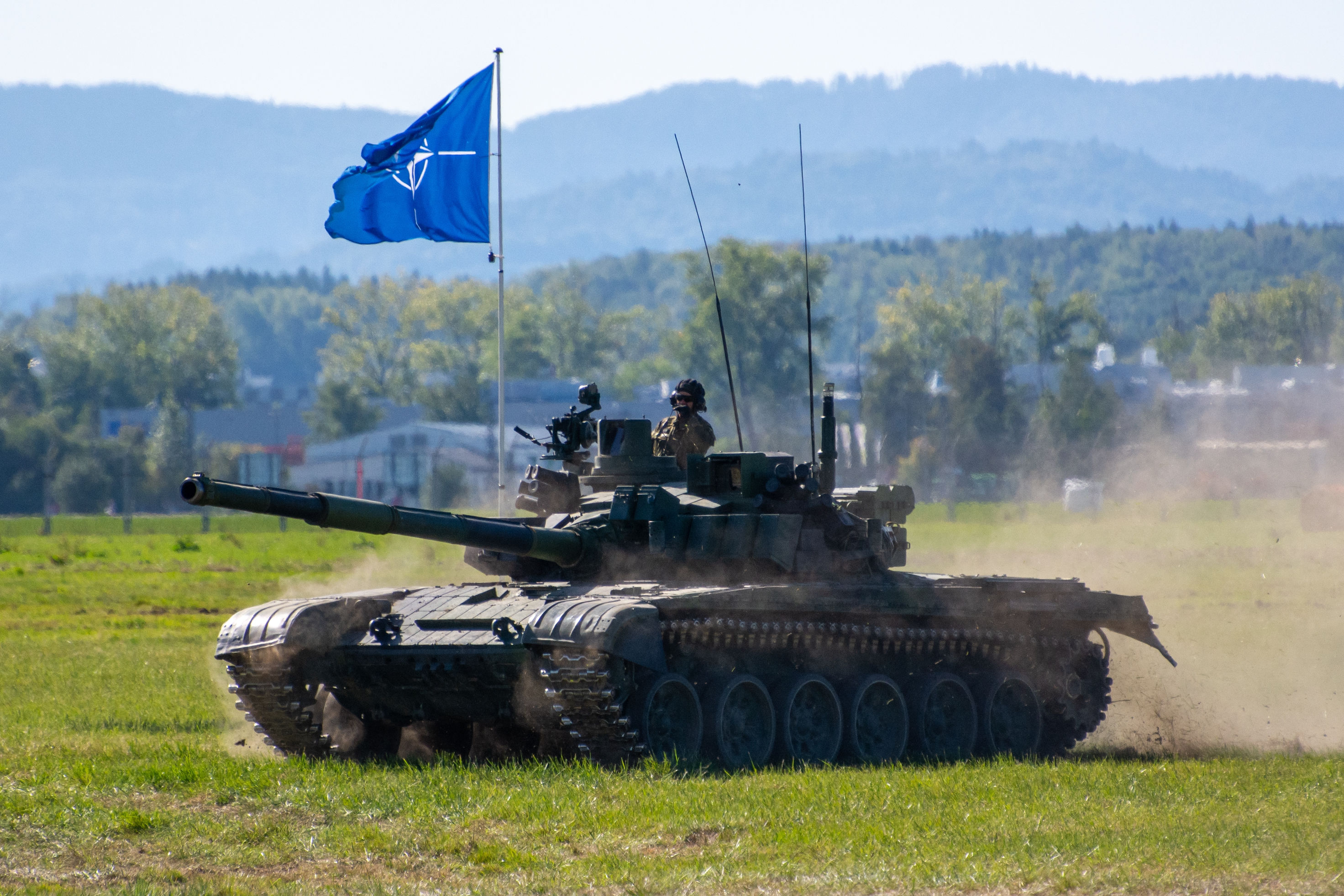
The European & Transatlantic Security Program aims to contribute to the strategic debate by developing analyses around three main axes: European defense and the security architecture of the European continent, institutional and strategic links between the Treaty Organization of North Atlantic (NATO) and the European Union (EU), as well as the evolution of the transatlantic relationship.
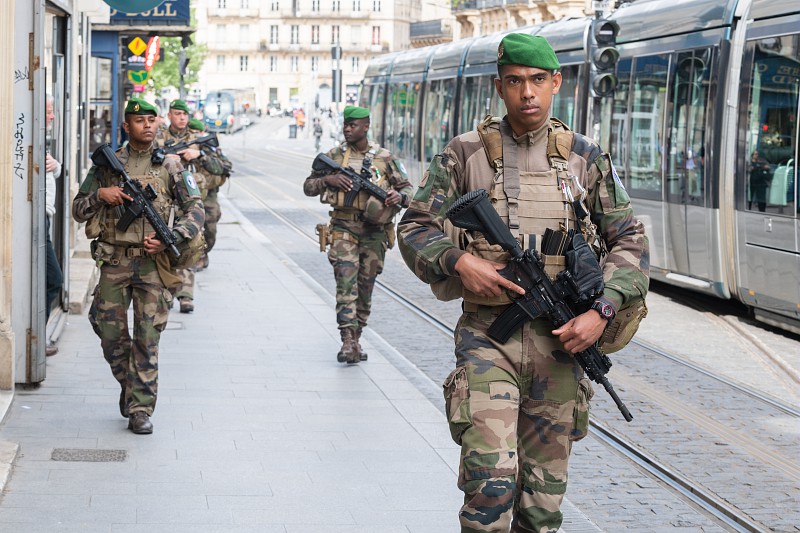
The distinction between internal and external threats is often exaggerated, as the borders are so porous. Conflicts taking place thousands of kilometers from France can have tragic resonances on national territory. Radicalization, terrorism and even organized crime have an international dimension that cannot be ignored.
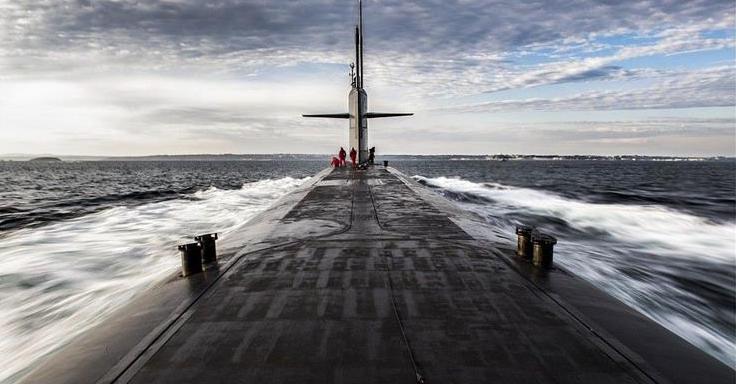
The conflicts in Europe, Asia and the Middle East demonstrate a return of nuclear power to the balance of power. Arsenals are being modernized and expanded, while arms control is collapsing. This research program aims to analyze these phenomena.
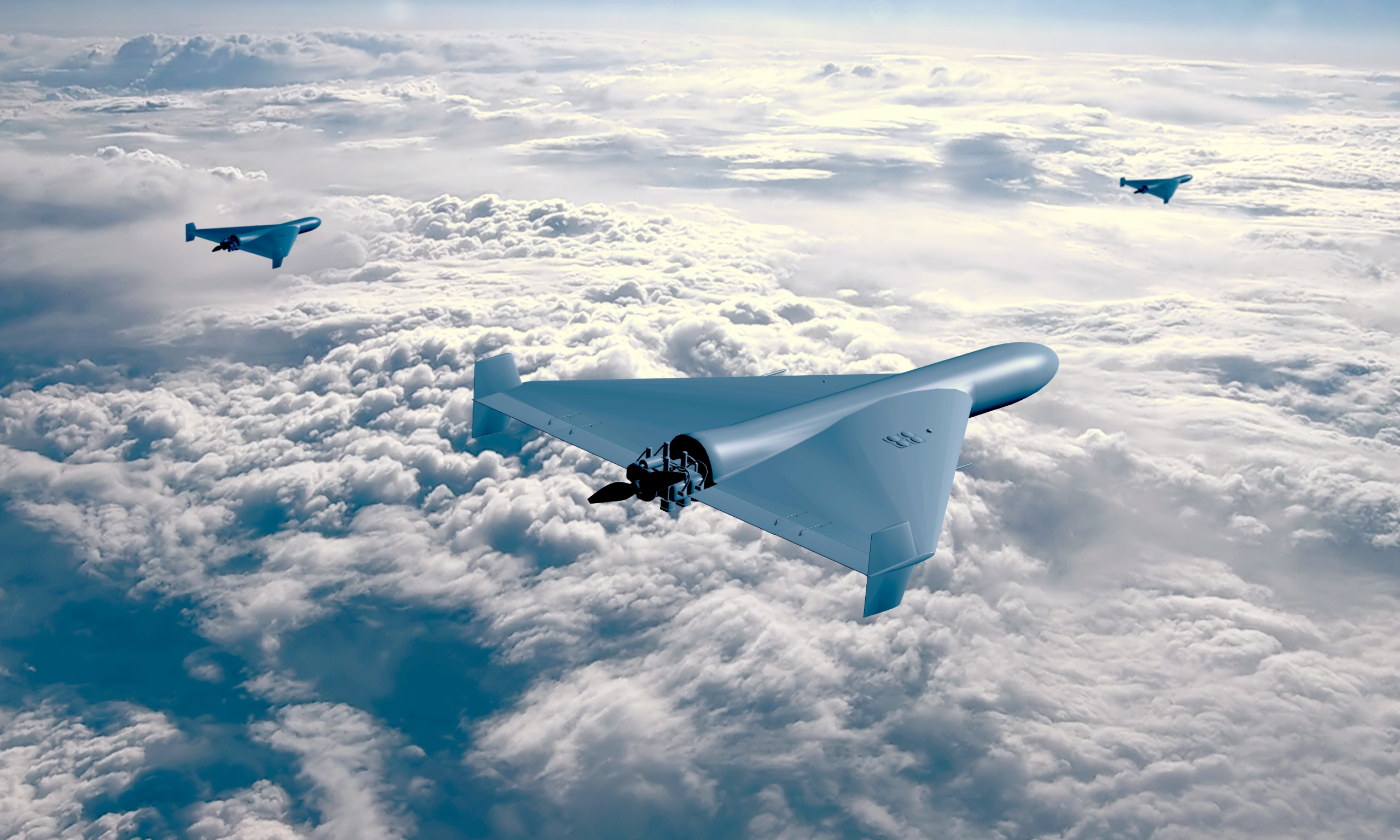
The Observatory of Future Conflicts is a research program carried out by the French Institute of International Relations and the Foundation for Strategic Research on behalf of the three army headquarters aimed at studying developments in tensions and armaments at the horizon 2040 in a transversal perspective, taking into account the issues of each army.
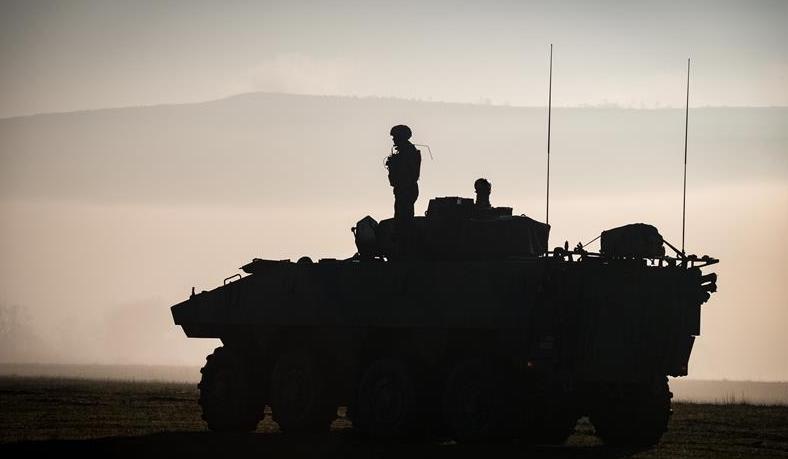
Heir to a tradition dating back to the founding of Ifri, the Security Studies Center provides public and private decision-makers as well as the general public with the keys to understanding power relations and contemporary modes of conflict as well as those to come. Through its positioning at the juncture of politics and operations, the credibility of its civil-military team and the wide distribution of its publications in French and English, the Center for Security Studies constitutes in the French landscape of think tanks a unique center of research and influence on the national and international defense debate.
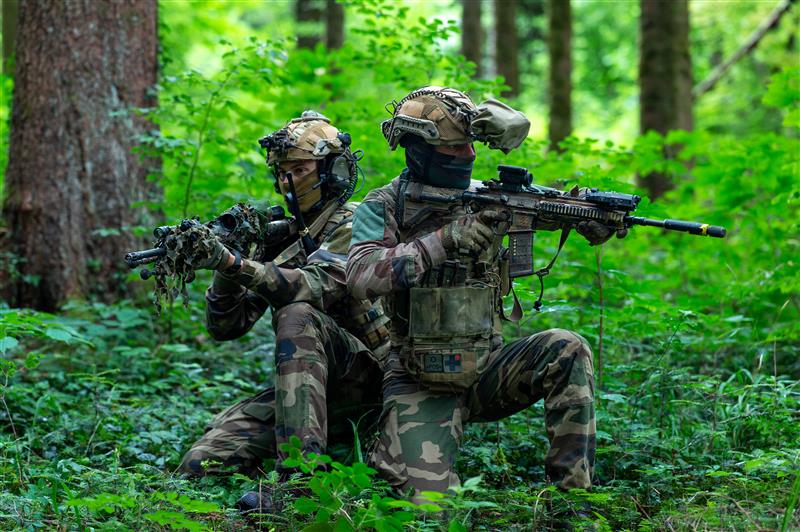
The Defense Research Unit is a program that aims at stimulating the strategic debate by dealing with subjects at the junction of the “technico-operational” and the “political-strategic”. A unique structure in France, it brings together civilian researchers and “military fellows” from each of the three armies to produce work on defense policies, the capability and strategic adaptation of armies, and foresight on tomorrow's conflicts.