Ditching U.S. Nuclear Protection in Europe: Will It Trigger a Nuclear Arms Race?
What if France takes over the U.S. role in providing nuclear deterrence for Europe? What happens to U.S. nuclear weapons stationed on the European continent? Could France’s increased nuclear security role lead to proliferation and a new arms race? Join us as we delve into European nuclear security, the Iranian nuclear program, and the roles of Russia and China in supporting Iran.
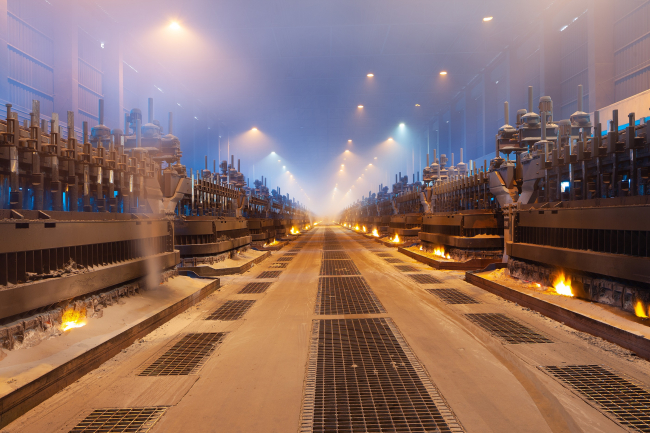
The Aluminum Value Chain: A Key Component of Europe’s Strategic Autonomy and Carbon Neutrality
The United States of America (US), Canada and the European Union (EU) all now consider aluminum as strategic. This metal is indeed increasingly used, especially for the energy transition, be it for electric vehicles (EVs), electricity grids, wind turbines or solar panels.


Ariane 6 launch returns in-house space access to Europe’s armed forces
Europe restored sovereign access to space with the first launch of the Ariane 6 heavy-lift rocket on Tuesday, after years of delays and retirement of the previous launcher had left the continent without guaranteed access to orbit, and kept a French spy satellite grounded.

The Artemis Accords: An American Strategy for Lunar Governance
The Artemis Accords provide a framework for international cooperation in space exploration as part of the U.S. lunar program. They are part of a coherent strategy.
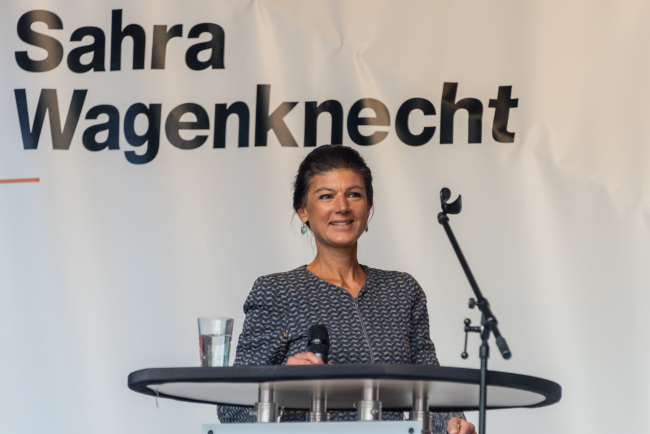
Neither Left nor Right, but Both? The Sahra Wagenknecht Alliance (BSW) in the Wake of European Elections
The 2024 European elections not only provided the occasion for a new German party, the “Bündnis Sahra Wagenknecht” (BSW), to emerge but also to obtain 6.2% of the vote.
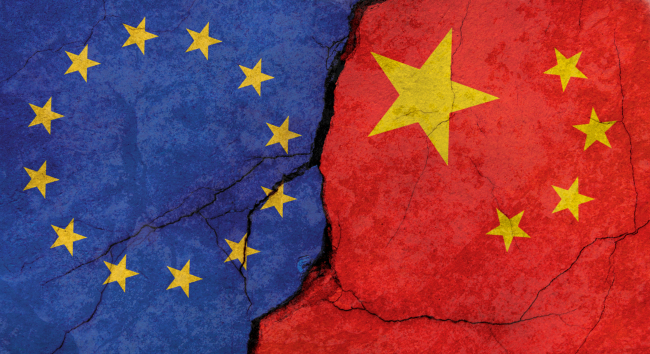
National Perspectives on Europe's De-risking from China
The concept of “de-risking” has become a significant focus for the European Union (EU) in managing its relations with China since first proposed by European Commission President Ursula von der Leyen in March 2023. However, the interpretation and policy responses to de-risking vary across Europe, reflecting diverse national perspectives.
European Union–Republic of Korea Cooperation on Economic Security: Opportunities, Limits and Challenges
This piece is a revised version of a paper presented at the conference on “New Convergences in EU-ROK Economic Security Relations”, organised in Rome on 30 January 2024 by the Istituto Affari Internazionali (IAI).
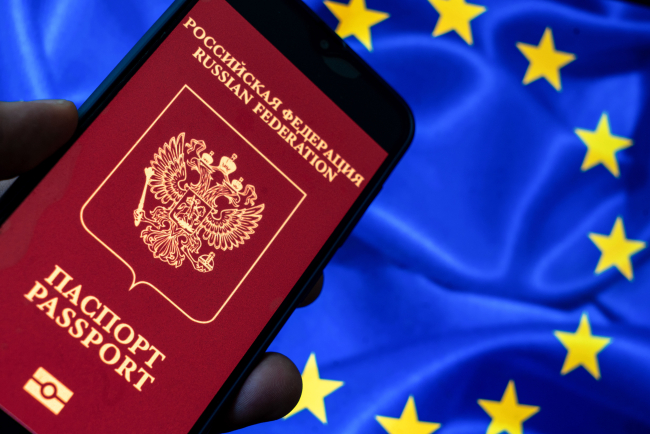
The New Russian Diaspora: Europe’s Challenge and Opportunity
This report assesses both the scale and the roots of the outward migration from the Russian Federation coinciding with Putin’s turning of Russia into an aggressive authoritarian state.
Groundbreaking Chip Sovereignty: Europe’s Strategic Push in the Semiconductor Race
The EU Chips Act’s enactment in September 2023 marks a major policy shift that revitalizes industrial policy in Europe. By allowing state subsidies for semiconductor projects, it has the potential to secure Europe’s supply chain security and technological autonomy in an industry dominated by the US and East Asia.
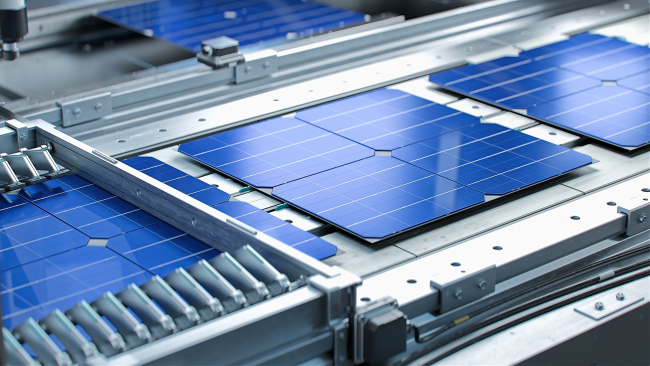
European Solar PV Manufacturing: Terminal Decline or Hope for a Rebirth?
While solar photovoltaic (PV) installations are booming in Europe (and in other parts of the world), the local industry is closing down. Over the past two years, the European installed solar PV capacity has been multiplied by two. On the other hand, the remaining European manufacturers of solar PV panels are dying.
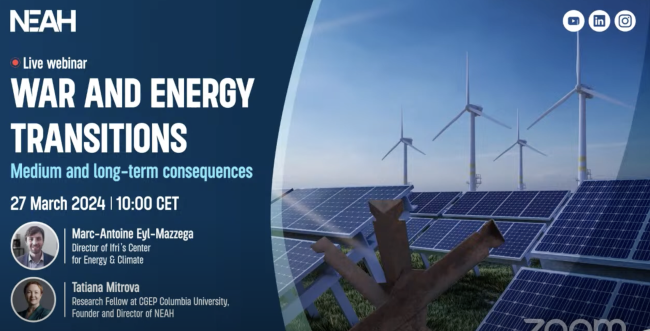
War and energy transitions: medium and long-term consequences
In a world already threatened by climate change, wars bring an additional component of instability. How do armed conflicts impact the energy transition, and what can be done about this? Learn more from the discussion featuring Marc-Antoine Eyl-Mazzega, Director of Ifri’s Center for Energy & Climate, moderated by Tatiana Mitrova, NEAH Founder and Director.

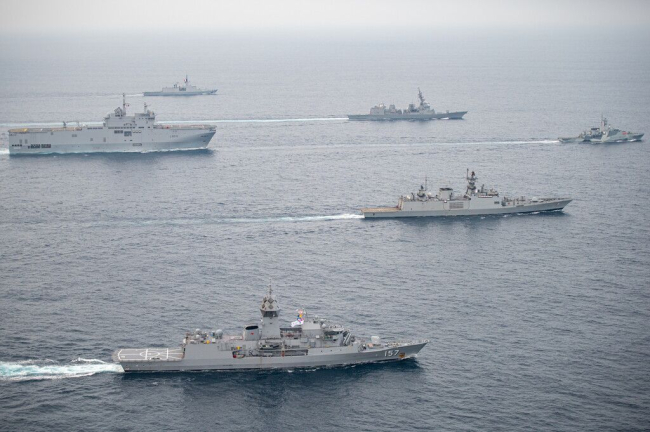
Europe Yearns to Be an Indo-Pacific Player
There is a war on at home, but Europe’s strategic and naval aspirations are on the far side of the world. After years in search of a geopolitical identity, Europe is aiming to become a much bigger player in one of the most contentious spaces in international relations: maritime security, including in Asia.
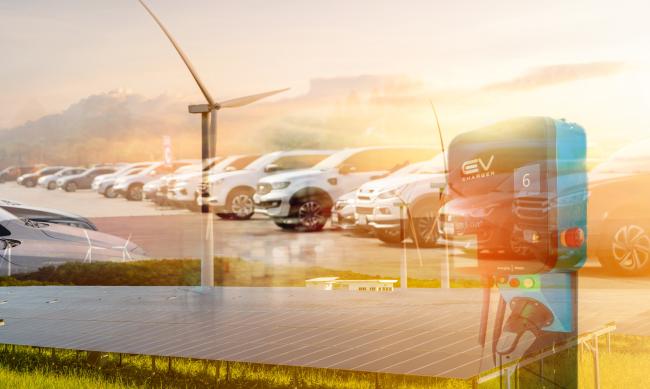
Electric Vehicles: A Strong and Still Understated Performance
Electric vehicles (EVs) are better for the climate – even in worst-case scenarios. Across its life cycle, a typical European electric car produces less greenhouse gas (GHG) and air pollutants or noise than its petrol or diesel equivalent. Emissions are usually higher in the production phase, but these are more than offset over time by lower emissions in the use phase. According to the European Environment Agency’s report on electric vehicles, life cycle GHG emissions of EVs are about 17-30% lower than those of petrol and diesel cars.
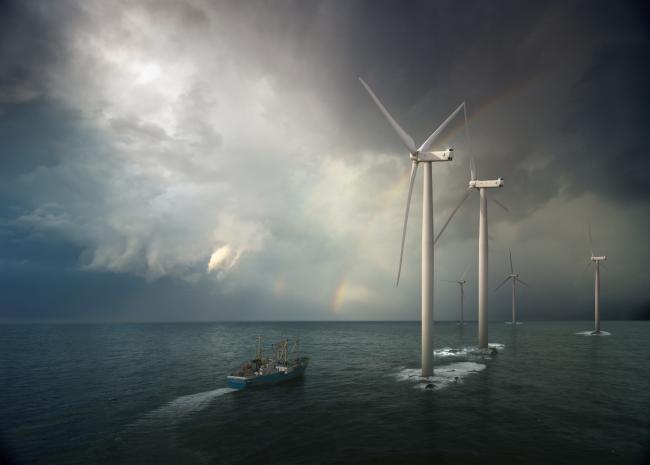
How Can the Green Deal Adapt to a Brutal World?
The European Green Deal has not been planned for the current extraordinarily deteriorated internal and external environment. Russia’s war in Ukraine, higher interest rates, inflation, strained public finances, weakened value chains, and lack of crucial skills pose unprecedented challenges.
Climate, Finance, and Geopolitics: Human Self-delusions and the Challenges for Europe
The combination of geopolitical tensions, climate disruption, and the growing role of finance in the economy is taking us into uncharted territory. Until recently, each of these subjects was handled separately, but they are now inextricably linked by two shared characteristics: the gravity of the threat, and the fact that they all lay bare the scale of human self-delusions.
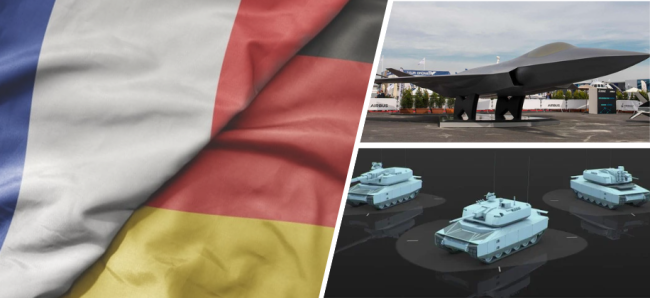
Troubled Twins: The FCAS and MGCS Weapon Systems and Franco-German Co-operation
The FCAS (Future Combat Air System) and the MGCS (Main Ground Combat System) represent the latest chapter in a more than seven decades-long history of Franco-German defense co-operation.
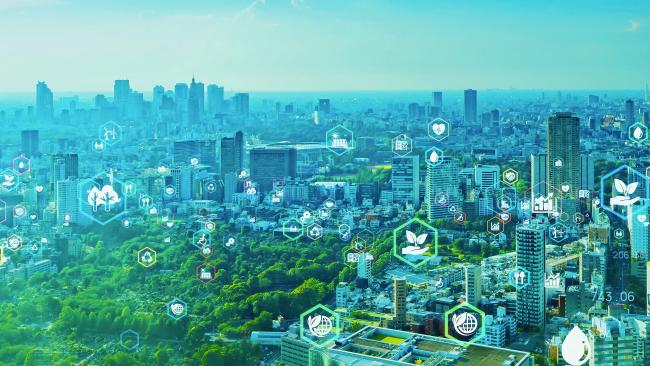
Decarbonizing European Cities: How to Speed Up and Build Synergies?
Cities are on the front line for enabling governments to meet their commitments under the Paris Agreement. Although cities occupy only 2% of the earth’s surface, they are home to between 50 and 60% of the world’s population (70% by 2050 according to the United Nations), account for two-thirds of the world’s energy consumption and emit 80% of CO2. As an example, the CO2 emissions of the city of Berlin are equal to those of Croatia, Jordan or the Dominican Republic. New York’s total annual CO2 emissions are roughly equivalent to those of Bangladesh. Yet their central role not only for adaptation, but also mitigation, has been recognized lately.
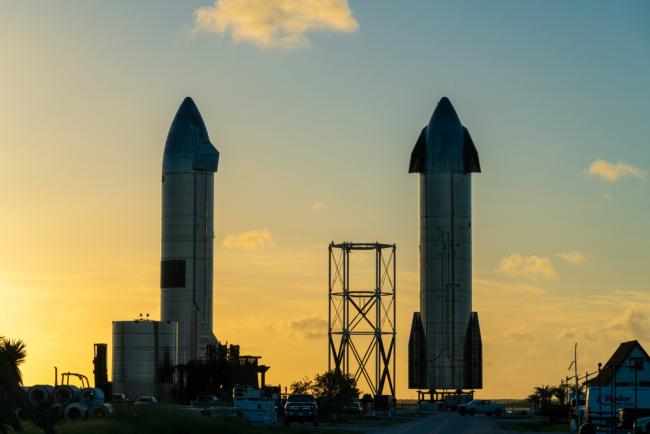
2024: A Pivotal Year for the Space Sector?
2024 could be a pivotal year for space exploration. New launchers are set to make their first flight, satellite constellations and other trends promise to redefine the way space is explored and exploited.
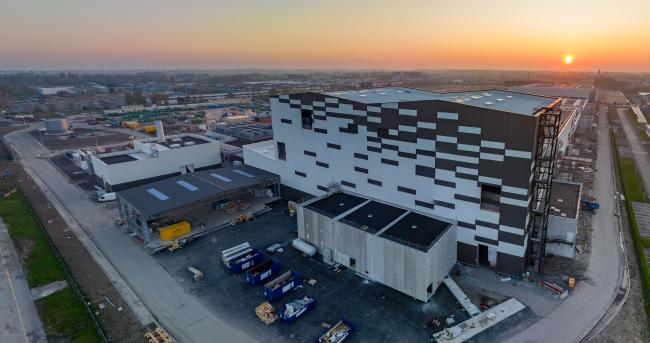
How to Meet the Industrial Challenge of Electric Mobility in France and in Europe
The deployment at scale of electric mobility in France and in Europe withholds significant industrial, societal, geopolitical, and financial challenges, against the backdrop of strategic dependencies along the value chain of the electric vehicle (EV).

Impossible Decoupling, Improbable Cooperation: Economic Interdependencies in the Face of Power Rivalries
Export restrictions, economic and financial sanctions, politicization of monetary and financial choices, screening of inward and outward foreign direct investments, exceptional customs duties, and state interventions in sectors deemed strategic: the political vise is tightening around international economic and financial relations.
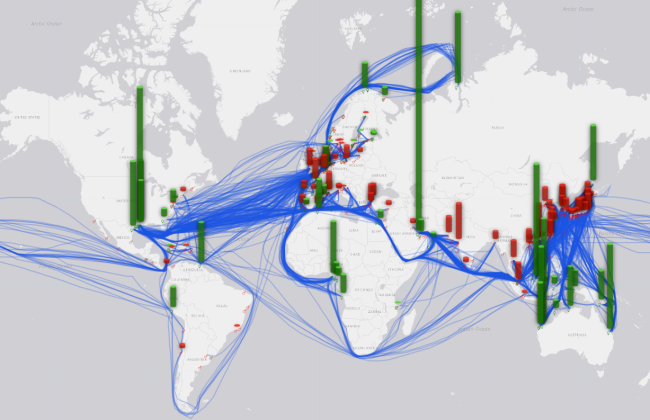
The Strategic Repositioning of LNG: Implications for Key Trade Routes and Choke Points
2022 saw the climax so far of the weaponization of energy. Following its geopolitical demise, Russia has undertaken its own gas amputation, moving from a super energy power status to a diminished role with uncertain prospects and only hard options left.
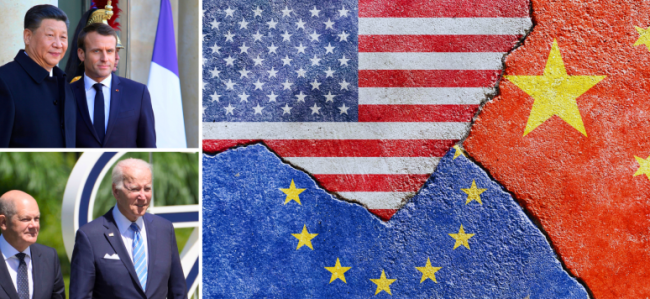
China/United States: Europe off Balance
As French President Emmanuel Macron (accompanied by Ursula von der Leyen) is on a state visit to China, some twenty Ifri researchers decipher the stakes of the U.S./China/Europe strategic triangle.

Food Systems in the Pacific: Addressing Challenges in Cooperation with Europe
More frequent climate disasters, rising sea levels, the economic fallout of Covid-19 lockdowns, border closures, supply chain constraints, and the global impact of the war in Ukraine have aggravated the challenge of maintaining sustainable and resilient food systems for Pacific Island Countries (PICs).
Rebooting the Entente: An Agenda for Renewed UK-France Defense Cooperation
The Franco-British Summit on March 10th, 2023, will mark a much-needed reset in bilateral cooperation, following years of strained relations. With a recently re-elected French president and a new British Prime minister, both sides are committed to making this summit a success and re-launching a positive agenda for bilateral cooperation. The summit, the first since Sandhurst in 2018, will focus on three key topics: migration, energy, and foreign policy. Defense cooperation will also be addressed, as it remains the cornerstone of the bilateral relationship, though it may take a less prominent part than on previous occasions.
Higher Renewable Energy Targets in Germany: How Will the Industry Benefit?
“Deutschland – Einstieg in die Deindustrialisierung?” – “Germany, the beginning of deindustrialisation?” asked the German economic newspaper Handelsblatt in the context of the spike in energy prices that has put at risk thousands of companies across Germany in 2022. Whereas some sectors such as steel, glass and chemicals have been seriously hit, the manufacturing industries operating in the areas linked to the energy transition (such as renewable energies and hydrogen production) should benefit from decisions taken to reach climate neutrality.
Software Power: The Economic and Geopolitical Implications of Open Source Software
Open source is at the heart of the Internet infrastructure, of the software used by individuals or governments, and of the innovation processes of tech companies. Faced with threats to the security and sustainability of the open source model, governments are getting a hold of the topic, which is becoming increasingly geopolitical.
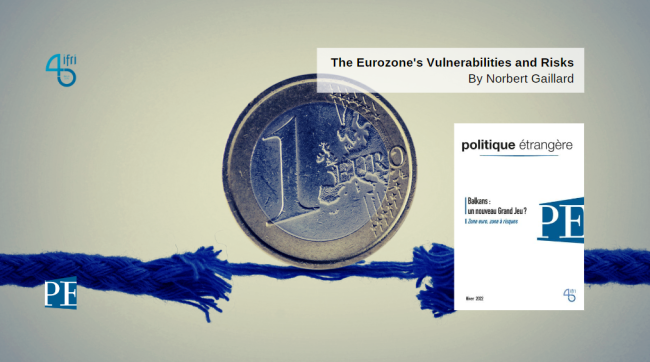
The Eurozone’s Vulnerabilities and Risks
The war in Ukraine has brought to light the European Union’s vulnerabilities.

Neither Surveillance nor Algorithm-driven Consumerism. Toward an Alternative European Model for Smart Cities
Numerous smart city projects are emerging, guided by objectives of efficiency and improvement of public policies. All of them are based on intensive use of data and digital tools, but their concrete achievements take various forms. Some models are being exported and are becoming levers of influence, while Europe is still looking for its own path.

Moving towards a metallic age: building industry resilience through a strategic storage mechanism for Rare Earth Metals
The decarbonisation of our economies, along with the challenges of strengthening the resilience of industrial value chains, reindustrialisation, notably through low-carbon and digital technologies, and the end of a period of cheap oil and gas, are accelerating the advent of an era of increased dependence on metals in a context of new and growing competition for access to resources.
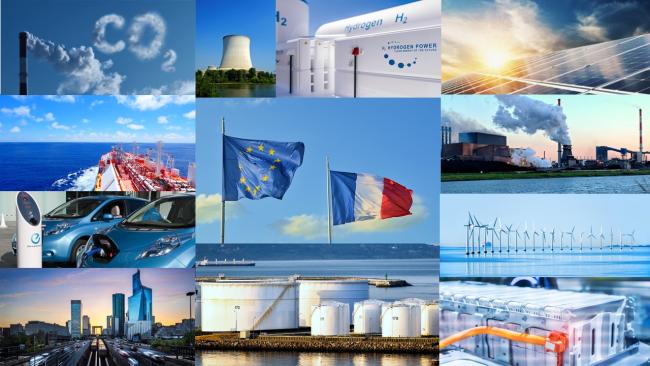
Accelerating the energy transition in France: drawing inspiration from best practice in our European neighbours
The success of energy transition is first and foremost a question of good governance, which must be based on expertise and collective deliberation.
A Green-Blue Alliance in Motion: Pacific Island Countries and Europe Fighting Climate Change
The Pacific Islands Countries (PICs) were the first to ratify the Paris climate agreement in 2015. Indeed, for them, climate change has had very concrete implications for years. Islanders have seen the sea level rising, endangering the very existence of atolls. They have also experienced increasingly violent cyclones and other natural disasters, and must deal with multiple impacts of a changing climate on their everyday lives
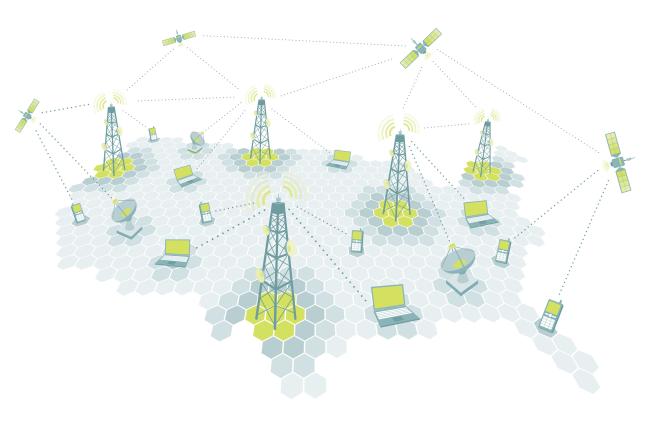
“Open” Telecom Networks (Open RAN): Towards a Reconfiguration of International Competition in 5G?
In line with the anti-Huawei diplomatic campaign of the Trump and Biden administrations, the United States has promoted an alternative: Open RAN, a concept defined by "open" network architectures. At the intersection of 5G geopolitics and standards, what risks and opportunities does Open RAN present for European technological sovereignty?
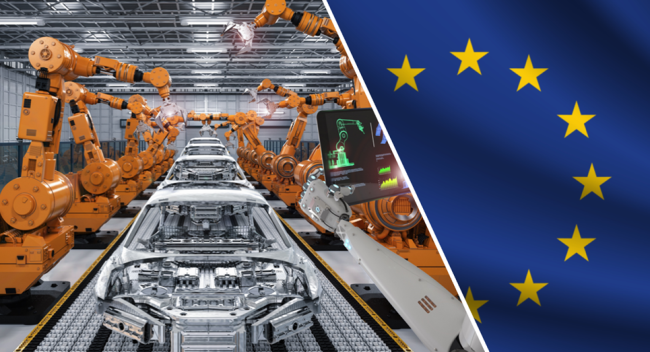
The European Union Industrial Strategy: Reconciling Competition and Geoeconomic Challenges
The EU’s basic assumptions, on which it grounds its economic and trade power, are being steadily cast into doubt. The EU’s main trade partners, the US and China, increasingly set their sights on securing their supply chains, which may further a potential decoupling.
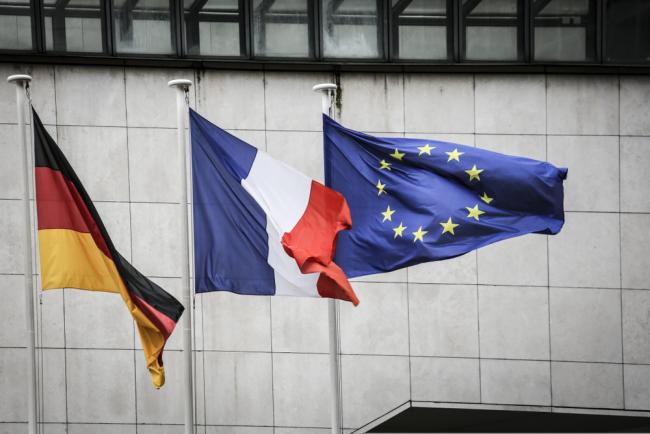
More Europe in the face of realpolitik’s return? French perspectives on 30 years of German reunification
The current geopolitical situation has disrupted the European and global order, which were both consolidated in the 1990s and have been key factors in the modern German model. The Franco-German duo is currently facing new challenges and it will have to respond appropriately in a time when the EU’s global influence is shrinking in the face of what some analysts call a “new Cold War”.
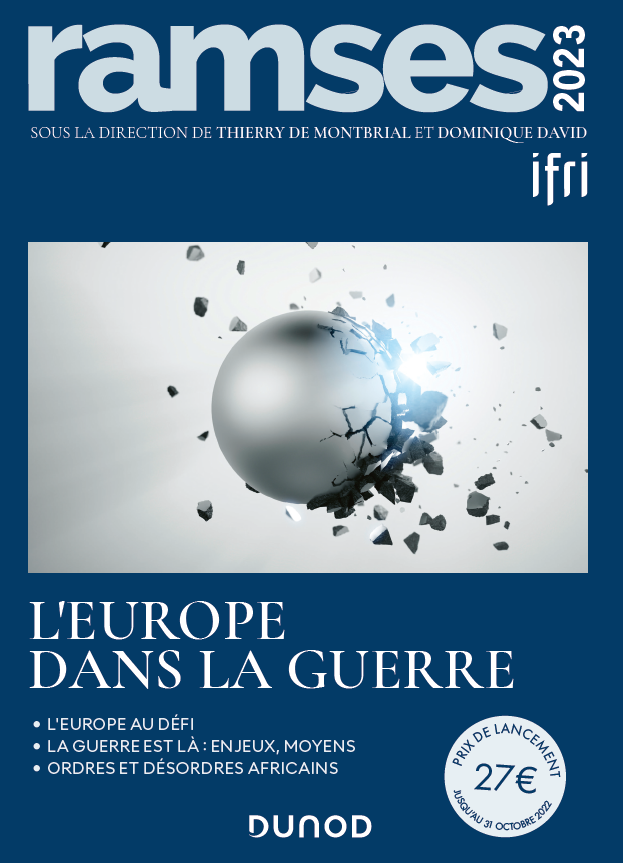
RAMSES 2023. Europe at War
For its 41st edition, RAMSES 2023. Europe at War, written by Ifri's research team and external experts, offers an in-depth and up-to-date analysis of geopolitics in today’s world.
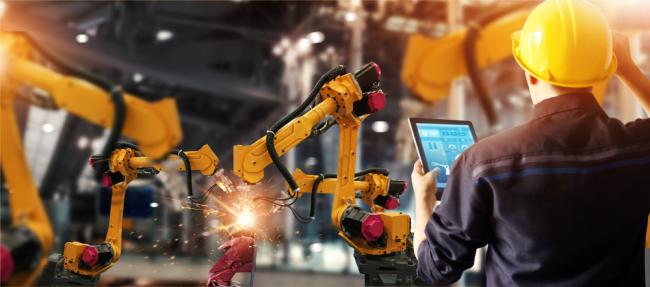
Reindustrializing France: Challenges of the Digital and Environmental Transformation
To succeed in the challenge of reindustrializing France, French and European companies must undertake a dual process of digital and environmental transformation, in a context of international competition.
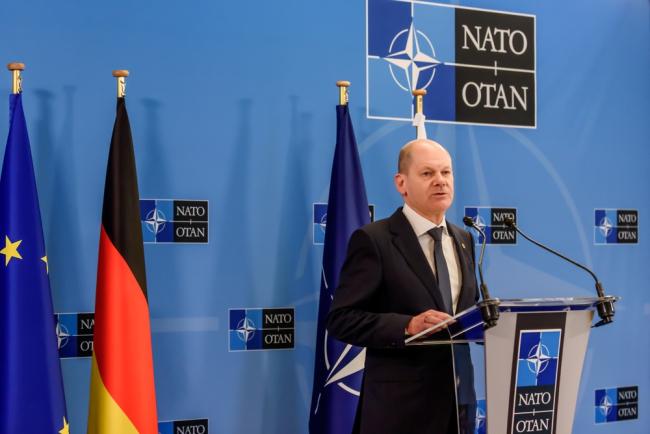
Germany, the “Zeitenwende” and the Future of NATO
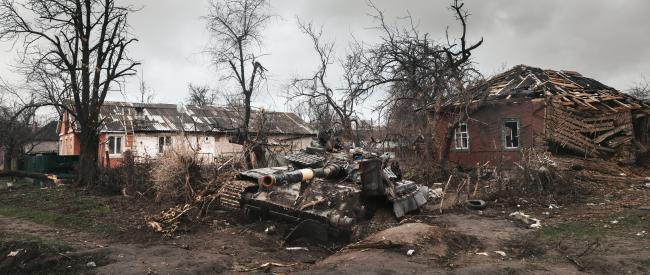
The Return of High-Intensity Conflict in Ukraine: Lessons for Land Forces
After twenty years of counter-terrorism, the Ukrainian battlefield marks the renewal of so-called “high-intensity” warfare. It constitutes a major strategic turning point, reversing the contemporary model of wars involving the West.
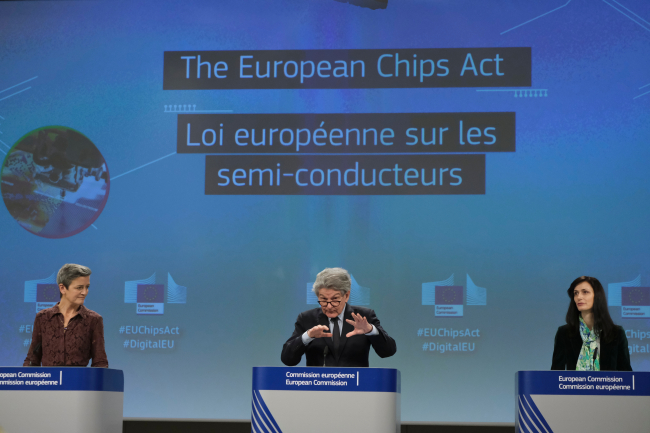
Fishing for Chips: Assessing the EU Chips Act
China, the United States, and the European Union (EU) are currently developing strategies for semiconductors aimed at financing R&D and the installation of new factories on their territories, in particular through subsidies. The EU Chips Act, announced in February 2022, represents a real break in Europe's industrial policy.
The Political Economy of the Metaverse
The "metaverse", at the heart of the strategy of large digital companies such as Facebook (Meta), does not yet exist and it will take decades to build it. This briefing provides an overview of the issues.
Ifri, a foundation recognized as being of public utility, relies largely on private donors – companies and individuals – to guarantee its sustainability and intellectual independence. Through their funding, donors help maintain the Institute's position among the world's leading think tanks. By benefiting from an internationally recognized network and expertise, donors refine their understanding of geopolitical risk and its consequences on global politics and the economy. In 2026, Ifri partners with over 90 French and international companies and organizations.