




China
China's diplomatic, military, economic and technological assertiveness, as well as its growing rivalry with the United States, raise certain apprehensions among its neighbors and Europeans alike.
Related Subjects

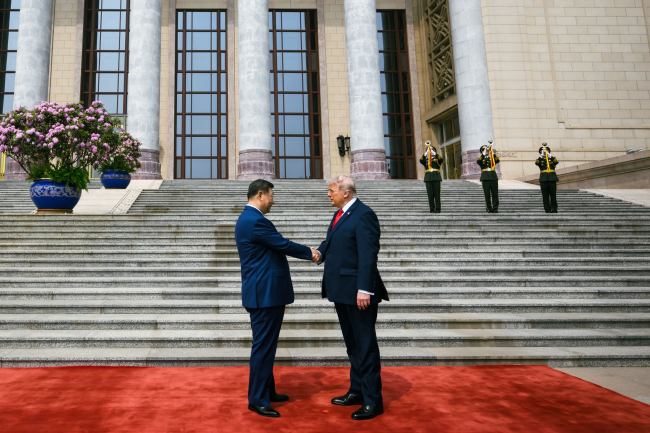
Why Xi’s US trip leaves Europe relieved by the trade truce – but wary of what comes next
The summit in Washington eases near-term uncertainty over rare earths, but analysts fear the bloc could have less say over decisions shaping its economic interests.
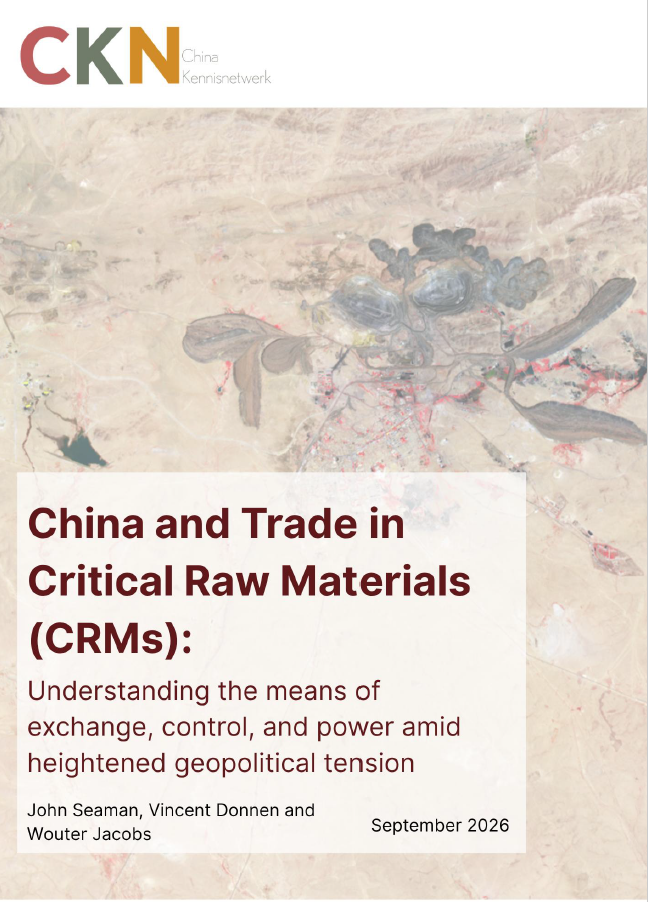
China and Trade in Critical Raw Materials (CRMs)
Critical raw materials (CRMs) have become central features of a new dynamic in global power politics, with China now wielding considerable leverage. Amid rising regional and global uncertainty, resource security is back in the spotlight as a key determinant of sovereignty and national security for Europe, its allies and its partners. The very survival of key, even vital industries, from automotive to aerospace to health to energy to defense, is at stake.
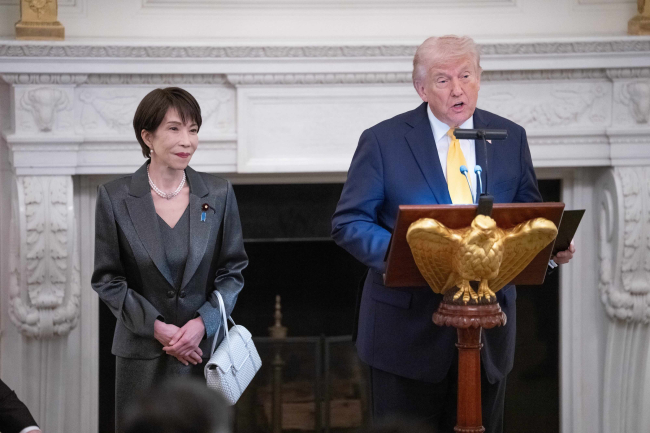
Trump II, the Crisis of the Rules-Based Order and Europe’s Indo-Pacific Strategy
This article examines the implications of Trump II for Europe’s engagement in the Indo-Pacific. The piece contends that Trump II is accelerating the erosion of the rules-based order and undermining the relevance of the Free and Open Indo-Pacific (FOIP) concept, while forcing Europe to refocus on its own continental security amid US retrenchment. Paradoxically, these very constraints create conditions for a more autonomous, pragmatic, and explicitly interest-driven European engagement in the Indo-Pacific, rather than outright withdrawal.
Rethinking Global Imbalances
Today’s global imbalances, starting with China's massive trade surplus, are not simply the result of poor macroeconomic coordination. Rather, they reflect long-term strategic thinking and a departure from the bias toward openness on which the postwar trade order was built.

The Transfer Paradox. Rethinking Global Imbalances
Global imbalances have come back to the top of the policy agenda. Many analyses and reports have been produced over recent months. The standard prescription involves better coordination of macroeconomic policies, with three familiar recommendations: higher consumption in China, higher investment in Europe, and fiscal consolidation in the United States.
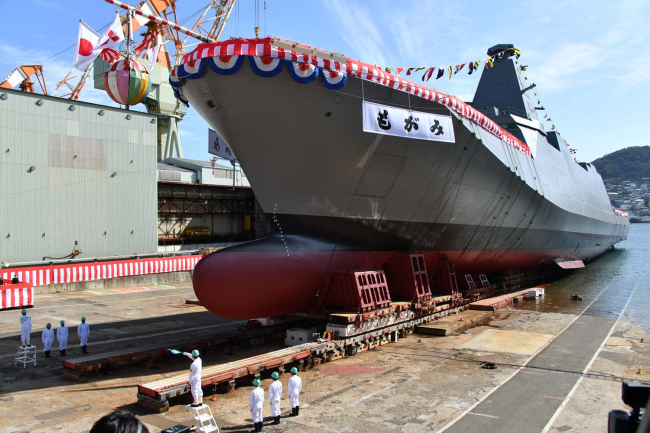
Japan’s Defense Industry Goes Global: Ambitions and Challenges
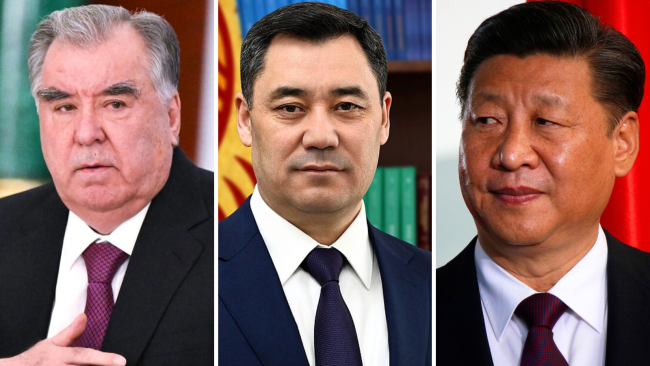
China in Kyrgyzstan and Tajikistan: From Economic Presence to a New Security Role
Over the past three decades, China’s influence in Central Asia has steadily expanded, but in the last three to five years this process has entered a markedly accelerated phase. Following 2022, Beijing effectively revised both its strategy and its operational approach toward the region.
Fragmented Europe: Dealing with China as a technology and innovation power
How is Europe navigating China’s ascension as a technological power? The latest report by the European Think-tank Network on China (ETNC) provides a nuanced account of a converging, yet still fragmented approach across 22 countries.
Germany in the Shadow of the United States, Russia, and China – Systemic Paradigm Shifts
Since reunification, Germany has built its prosperity on an international order based on free trade, multilateralism, and geopolitical stability. This model relied on three relationships considered complementary: U.S. military protection, Russian energy supplies, and economic integration with China. For several decades, Berlin viewed these interdependencies as factors contributing to peace, growth, and security.

What Do Companies Fear? The New Geography of Geopolitical Risk
Geopolitical risk has established itself, within the space of a few years, as a central variable in corporate strategy.

How smaller EU states are reshaping Europe’s power structure
Changing economic and trans-Atlantic conditions have led to power restructuring in the 27-nation European Union, opening doors for more negotiating power for many smaller central and former Eastern European nations such as Hungary.

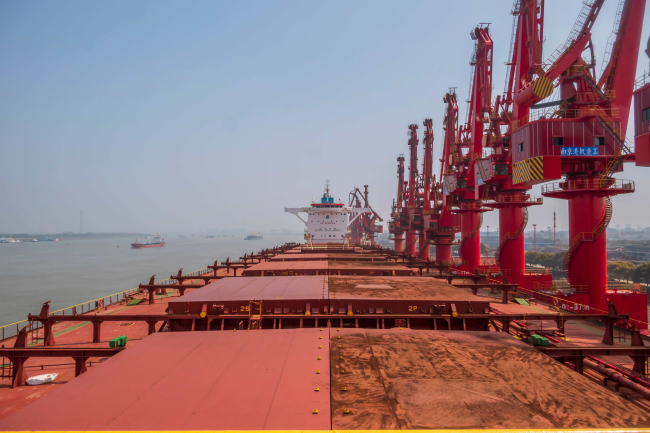
Geoeconomics: 'All dependencies, minerals, currencies and semiconductors, are now being weaponized'
According to geopolitics expert Marc-Antoine Eyl-Mazzega, the competition for control over minerals, logistics and the flow of raw materials is benefiting the US and China. Europe lags behind in this geoeconomic race, with a tangible impact on how major powers are reshaping their defense capabilities.
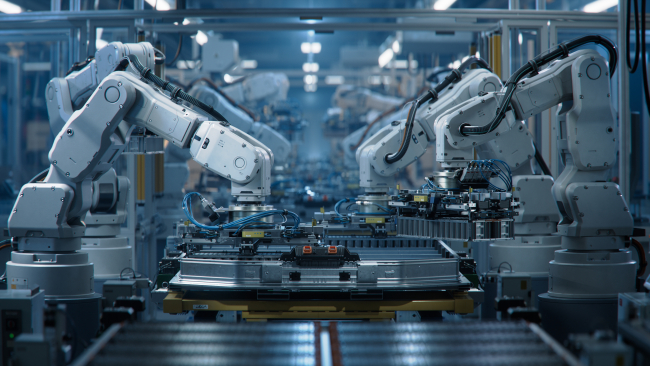
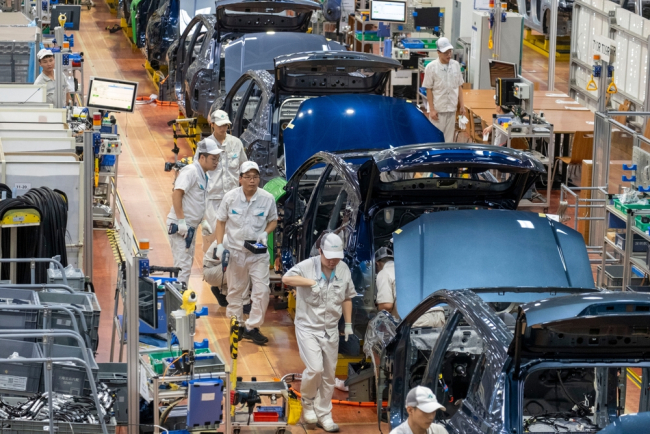
China’s EV Rise and the Strategic Challenge for Japan’s Automotive Industry
China’s rapid expansion in electric vehicle production is reshaping global automotive competition for both European and Japanese automakers. Japan —a pioneer in hybrid vehicles— is struggling to translate this leadership into battery electric vehicles (BEVs), as Chinese manufacturers rapidly scale production and exports. At the same time, China’s dominance in battery manufacturing and critical mineral processing exposes upstream vulnerabilities for Japan’s automotive industry. Together, these developments create a dual challenge: intensifying downstream competition in electric vehicle (EV) markets and continued dependence on Chinese-controlled supply chains.

Global imbalances, industrial policies, and the challenge of surging Chinese trade surpluses
The analysis of global imbalances faces a paradox: while the analytical focus has for decades been on the sustainability of current account deficits, out of concerns about their financial consequences, international political tensions stem mainly from enduring trade surpluses and their industrial impacts. Beyond President Trump’s outbursts, fears about the consequences of China’s trade surpluses are increasingly widespread.
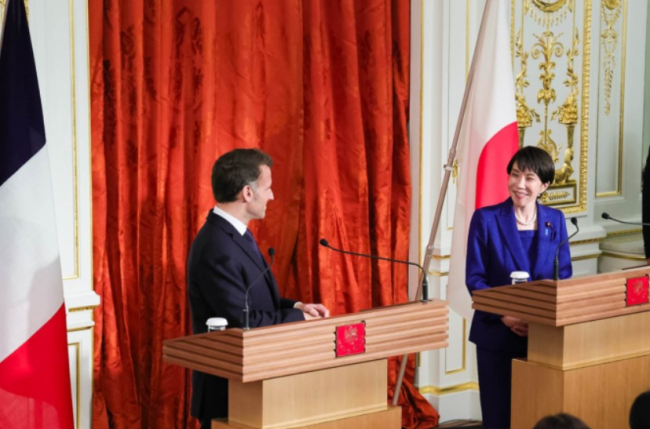
Emmanuel Macron in Japan and South Korea: A Historic Opportunity for Euro-Asian Rapprochement
President Emmanuel Macron is touring Japan and South Korea at a time when the interests of these three countries have never been more aligned, and more broadly between Europe and East Asian democracies.
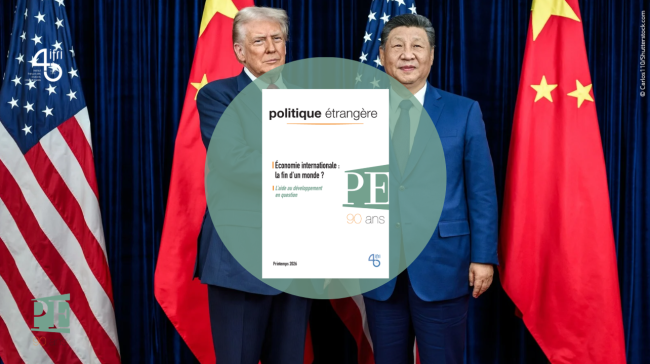
From Trump to Xi Jinping: Globalization's Great Rupture
The second Trump administration’s trade policy represents a rupture with the United States’ international commitments and a seismic shock for the multilateral trade system. Its destabilizing impact has been exacerbated by China’s disproportionate trade surplus, which has doubled since the 2020 pandemic. We are entering a new era marked by the erosion of norms and their replacement by a more transactional logic. For Europe, the challenge is enormous.
Official Development Assistance in the Age of Deglobalization
Official development assistance has collapsed since 2023, both in Europe and in the United States. This decline has affected both developing and industrialized countries. Under fire in the Global North and South, the goals and methods of development assistance must be redefined if it is to adapt to an international landscape in which the principal actors—the United States, the European Union, China, the Arab countries—are adopting new stances.
The Global Economy: Caught in the Storm / Politique étrangère, Vol. 91, No. 1, 2026
The global economy has become the primary arena for the clash of power ambitions in a world where understanding, coordination, and concerted multilateralism seem to have been permanently marginalized. In this fragmented landscape, how will American and Chinese strategies interact? Will the European Union manage to break out of its decades-old framework in order to face new competition? And will it be able, like others, to integrate the announced shift from a production economy to a digital, information economy? And what role will financial institutions, and central banks in particular, play in this transitioning international economy?
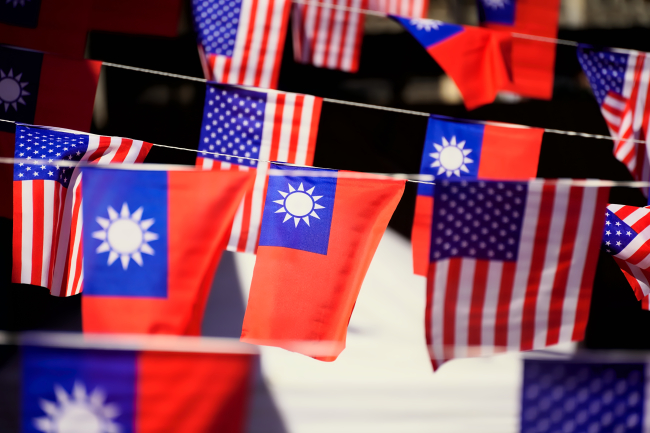
The U.S. Policy Toward Taiwan Beyond Donald Trump: Mapping the American Stakeholders of U.S.-Taiwan Relations
Donald Trump’s return to the White House reintroduced acute uncertainty into the security commitment of the United States (U.S.) to Taiwan. Unlike President Joe Biden, who repeatedly stated the determination to defend Taiwan, President Trump refrains from commenting on the hypothetical U.S. response in the context of a cross-Strait crisis.
China’s Strategy Toward Pacific Island countries: Countering Taiwan and Western Influence
Over the past decade, China has deployed a diplomatic strategy toward the Pacific Island Countries (PICs). This strategy pursues two main objectives: countering Taiwan's diplomatic influence in the region and countering the influence of liberal democracies in what Beijing refers to as the "Global South."
China and Trade in Critical Raw Materials (CRMs)
Critical raw materials (CRMs) have become central features of a new dynamic in global power politics, with China now wielding considerable leverage. Amid rising regional and global uncertainty, resource security is back in the spotlight as a key determinant of sovereignty and national security for Europe, its allies and its partners. The very survival of key, even vital industries, from automotive to aerospace to health to energy to defense, is at stake.
Trump II, the Crisis of the Rules-Based Order and Europe’s Indo-Pacific Strategy
This article examines the implications of Trump II for Europe’s engagement in the Indo-Pacific. The piece contends that Trump II is accelerating the erosion of the rules-based order and undermining the relevance of the Free and Open Indo-Pacific (FOIP) concept, while forcing Europe to refocus on its own continental security amid US retrenchment. Paradoxically, these very constraints create conditions for a more autonomous, pragmatic, and explicitly interest-driven European engagement in the Indo-Pacific, rather than outright withdrawal.
The Transfer Paradox. Rethinking Global Imbalances
Global imbalances have come back to the top of the policy agenda. Many analyses and reports have been produced over recent months. The standard prescription involves better coordination of macroeconomic policies, with three familiar recommendations: higher consumption in China, higher investment in Europe, and fiscal consolidation in the United States.
Japan’s Defense Industry Goes Global: Ambitions and Challenges
China in Kyrgyzstan and Tajikistan: From Economic Presence to a New Security Role
Over the past three decades, China’s influence in Central Asia has steadily expanded, but in the last three to five years this process has entered a markedly accelerated phase. Following 2022, Beijing effectively revised both its strategy and its operational approach toward the region.
Germany in the Shadow of the United States, Russia, and China – Systemic Paradigm Shifts
Since reunification, Germany has built its prosperity on an international order based on free trade, multilateralism, and geopolitical stability. This model relied on three relationships considered complementary: U.S. military protection, Russian energy supplies, and economic integration with China. For several decades, Berlin viewed these interdependencies as factors contributing to peace, growth, and security.
Fragmented Europe: Dealing with China as a technology and innovation power
How is Europe navigating China’s ascension as a technological power? The latest report by the European Think-tank Network on China (ETNC) provides a nuanced account of a converging, yet still fragmented approach across 22 countries.
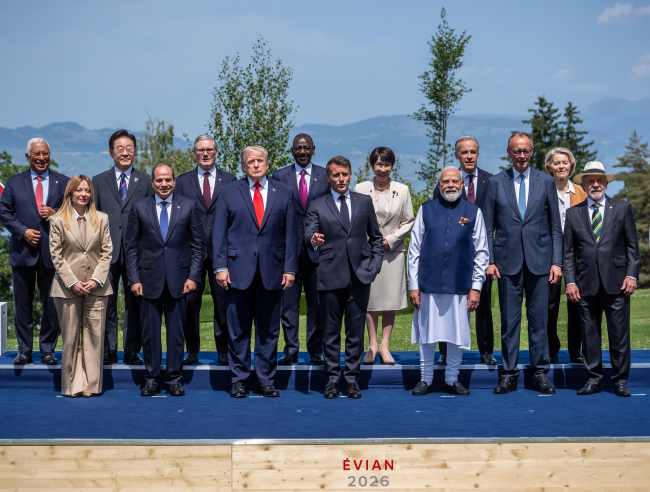
The G7 Leaders’ Summit in France: An Unexpected Success
Overall, it was a successful summit for President Macron. However, caution is warranted regarding the 2026 G7’s lasting legacy, as the unpredictability of the U.S. president could affect the durability of commitments made.
What Do Companies Fear? The New Geography of Geopolitical Risk
Geopolitical risk has established itself, within the space of a few years, as a central variable in corporate strategy.
China’s EV Rise and the Strategic Challenge for Japan’s Automotive Industry
China’s rapid expansion in electric vehicle production is reshaping global automotive competition for both European and Japanese automakers. Japan —a pioneer in hybrid vehicles— is struggling to translate this leadership into battery electric vehicles (BEVs), as Chinese manufacturers rapidly scale production and exports. At the same time, China’s dominance in battery manufacturing and critical mineral processing exposes upstream vulnerabilities for Japan’s automotive industry. Together, these developments create a dual challenge: intensifying downstream competition in electric vehicle (EV) markets and continued dependence on Chinese-controlled supply chains.
Global imbalances, industrial policies, and the challenge of surging Chinese trade surpluses
The analysis of global imbalances faces a paradox: while the analytical focus has for decades been on the sustainability of current account deficits, out of concerns about their financial consequences, international political tensions stem mainly from enduring trade surpluses and their industrial impacts. Beyond President Trump’s outbursts, fears about the consequences of China’s trade surpluses are increasingly widespread.
Emmanuel Macron in Japan and South Korea: A Historic Opportunity for Euro-Asian Rapprochement
President Emmanuel Macron is touring Japan and South Korea at a time when the interests of these three countries have never been more aligned, and more broadly between Europe and East Asian democracies.
Official Development Assistance in the Age of Deglobalization
Official development assistance has collapsed since 2023, both in Europe and in the United States. This decline has affected both developing and industrialized countries. Under fire in the Global North and South, the goals and methods of development assistance must be redefined if it is to adapt to an international landscape in which the principal actors—the United States, the European Union, China, the Arab countries—are adopting new stances.
The Global Economy: Caught in the Storm / Politique étrangère, Vol. 91, No. 1, 2026
The global economy has become the primary arena for the clash of power ambitions in a world where understanding, coordination, and concerted multilateralism seem to have been permanently marginalized. In this fragmented landscape, how will American and Chinese strategies interact? Will the European Union manage to break out of its decades-old framework in order to face new competition? And will it be able, like others, to integrate the announced shift from a production economy to a digital, information economy? And what role will financial institutions, and central banks in particular, play in this transitioning international economy?
From Trump to Xi Jinping: Globalization's Great Rupture
The second Trump administration’s trade policy represents a rupture with the United States’ international commitments and a seismic shock for the multilateral trade system. Its destabilizing impact has been exacerbated by China’s disproportionate trade surplus, which has doubled since the 2020 pandemic. We are entering a new era marked by the erosion of norms and their replacement by a more transactional logic. For Europe, the challenge is enormous.
The U.S. Policy Toward Taiwan Beyond Donald Trump: Mapping the American Stakeholders of U.S.-Taiwan Relations
Donald Trump’s return to the White House reintroduced acute uncertainty into the security commitment of the United States (U.S.) to Taiwan. Unlike President Joe Biden, who repeatedly stated the determination to defend Taiwan, President Trump refrains from commenting on the hypothetical U.S. response in the context of a cross-Strait crisis.
China’s Strategy Toward Pacific Island countries: Countering Taiwan and Western Influence
Over the past decade, China has deployed a diplomatic strategy toward the Pacific Island Countries (PICs). This strategy pursues two main objectives: countering Taiwan's diplomatic influence in the region and countering the influence of liberal democracies in what Beijing refers to as the "Global South."
New Cold War? What New Cold War? Confronting the Geoeconomic Fragmentation Narrative with the Data
It has become widely accepted that the world economy should be seen as increasingly shaped by forces of fragmentation, resulting from geopolitical tensions. This article takes another look at this narrative, using international trade data. While an aggregate analysis is consistent with a new Cold War narrative, whereby international trade is increasingly seen as split into two blocs, this is only a mix of very different outcomes. Far from being a widespread trend, geoeconomic fragmentation of trade flows is only significant in “hotspots”: Russia's foreign trade and China-US bilateral exchanges, and the impact is massive in these cases. Outside these “hotspots”, there is no tangible sign that geopolitical tensions have been shaping international trade patterns in terms of blocs, nor is there any hint of a trend toward nearshoring – to the contrary, in fact.
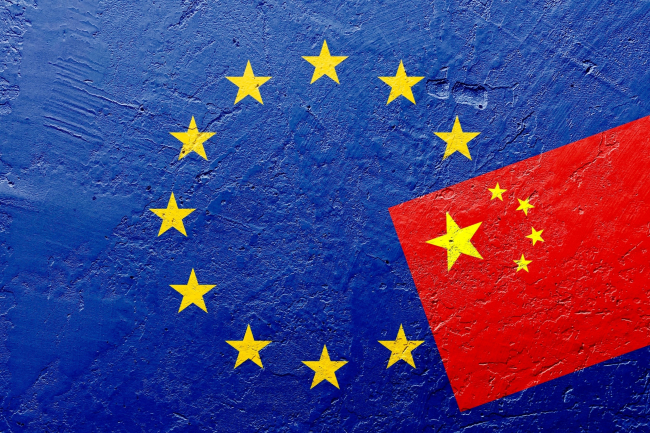
EU’s Derisking From China: A Daunting Task
With economic security as a major concern, the EU has recently turned to “derisking” from China. The EU strategy entails reducing critical dependencies and vulnerabilities, including in EU supply chains, and diversifying where necessary, while recognizing the importance and need to maintain open channels of communication.
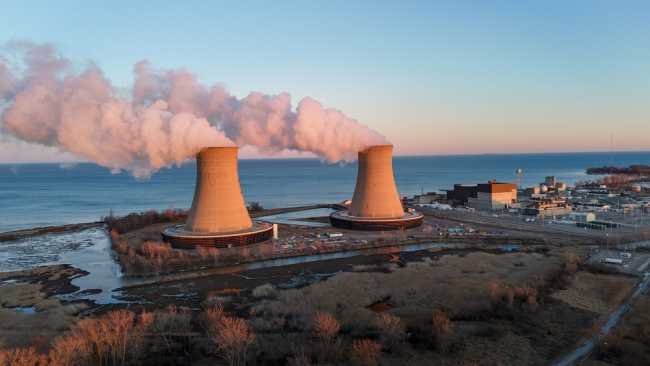
Will the Western Nuclear Power Revival Take Place? The State of Extra-European Advances
Against the dual backdrop of the energy transition and the rapid transformation of the international order, the question of Western nuclear revival is being raised with renewed acuity.
Why Xi’s US trip leaves Europe relieved by the trade truce – but wary of what comes next
The summit in Washington eases near-term uncertainty over rare earths, but analysts fear the bloc could have less say over decisions shaping its economic interests.
Rethinking Global Imbalances
Today’s global imbalances, starting with China's massive trade surplus, are not simply the result of poor macroeconomic coordination. Rather, they reflect long-term strategic thinking and a departure from the bias toward openness on which the postwar trade order was built.
How smaller EU states are reshaping Europe’s power structure
Changing economic and trans-Atlantic conditions have led to power restructuring in the 27-nation European Union, opening doors for more negotiating power for many smaller central and former Eastern European nations such as Hungary.
Geoeconomics: 'All dependencies, minerals, currencies and semiconductors, are now being weaponized'
According to geopolitics expert Marc-Antoine Eyl-Mazzega, the competition for control over minerals, logistics and the flow of raw materials is benefiting the US and China. Europe lags behind in this geoeconomic race, with a tangible impact on how major powers are reshaping their defense capabilities.

U.S. tariffs take center stage but China and the EU are quietly clashing
The U.S. tariff saga has stolen global spotlight from trade tensions between China and the European Union, which are now heating up.

The 'Macron Doctrine' goes to Asia: Autonomy with partners, steady on China
The French president calls for a 'third way' in the Indo-Pacific


How Will the Trump Presidency Change EU-China Relations?
Over the past few years, European countries have started to line up with the United States on China policy. But now, as Donald Trump destroys the trust European countries had in America, China is stepping up, promising stability and consistency.
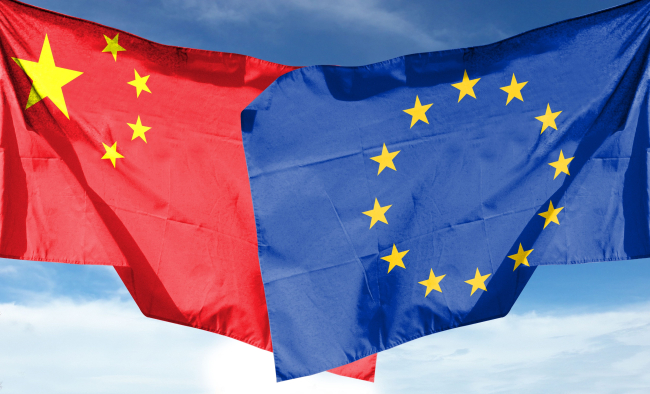
China-EU ties reach half century: 4 things to know
Will Trump 2.0 push the two combative sides to find common ground?

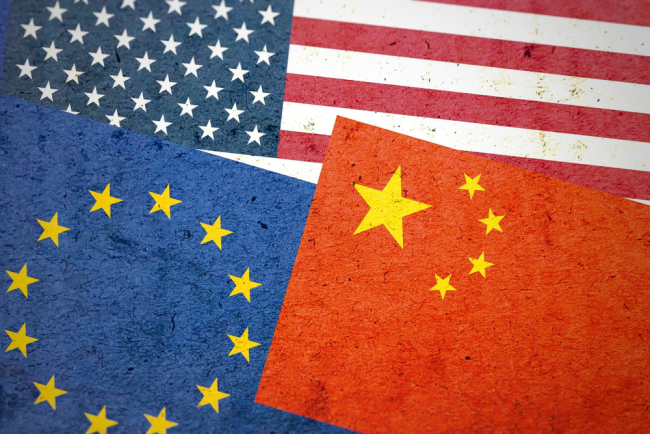
Trump-battered Europe eyes China with launch of diplomatic flurry to Beijing
EU officials and European national representatives are on overlapping visits but each will be asking for something slightly different

Will Europe Distance Itself From Taiwan?
To counter U.S. President Donald Trump’s hostility toward Europe, one idea being considered in Brussels is to lean into China’s latest charm offensive.

Europe Tempted by Closer Relations With China Following Trump’s Hostility, but Barriers to Cooperation Persist
While U.S. Vice President JD Vance left Europe reeling at the Munich Security Conference last month, Chinese Foreign Minister Wang Yi (王毅) met with several European officials on the sidelines. At the U.N. Security Council a few days later, China pushed for greater European involvement in peace negotiations in the Russia-Ukraine war.
Europe faces up to China's EV dominance as carbon-zero targets loom
As Xi travels through EU this week, automakers weigh whether to fight or team up with cheaper Chinese rivals.

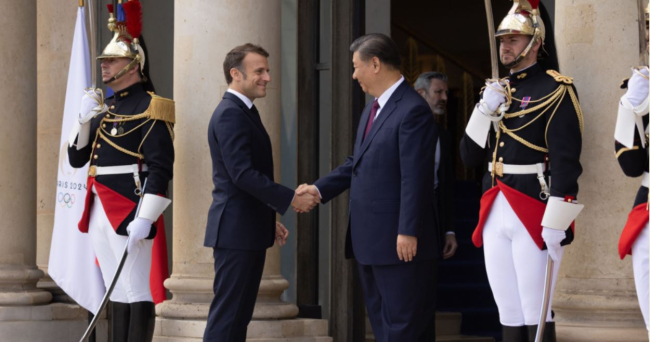
Macron accused of rolling out red carpet for ‘dictator’ Xi
Xi Jinping's trip to Europe to center on trade as challenges 'pile up'
Chinese President Xi Jinping is set to embark on his first European diplomatic tour in five years, starting in France before traveling on to Serbia and Hungary.

EU turns up the heat on China as Xi Jinping readies for 3-nation tour, with fiery Paris talks on the cards
-
European Commission chief Ursula von der Leyen to meet Chinese President Xi and his French counterpart Emmanuel Macron in Paris to discuss China ties
-
Xi’s trip comes amid barrage of EU trade and competition tools mostly targeting Chinese firms, including dramatic raids in the Netherlands and Poland
Presidents Emmanuel Macron and Xi Jinping are meeting in Paris on Monday at a time of fragile relations between Europe and China.
Chinese President Xi Jinping is set to embark on his first European diplomatic tour in five years, starting in France before traveling on to Serbia and Hungary.


Without a Pact with Mercosur, the EU risks leaving China free in South America
The agreement EU-Mercosur It has been a banner of the recent protest by French farmers, who denounced unfair competition on the part of South Americans. However, if Paris closes the door to this pact, the way will be left clear to China, warn politicians and analysts consulted by EFE.
Macron's Taiwan comments expose muddled China policy
French President Emmanuel Macron's call for Europe to steer clear of a Taiwan conflict -- rooted in France's pride and deep-seated resistance to following America's lead -- has raised questions about where he and Paris really stand on China.

France's Macron is sending China the wrong signals
More realistic posture would strengthen Paris' role in Indo-Pacific region

Does Macron's stance on Taiwan weaken G7 deterrence against China?
One of Prime Minister Fumio Kishida’s top goals for next month’s Group of Seven summit in Hiroshima is to create a united front on issues like China and Ukraine. But finding a unified approach to dealing with Beijing’s assertiveness might have just become harder.
(Replay) US-China-Taiwan Relations: What to expect in the Trump II Era?
Replay of Ifri's Center for Asian Studies' conference "US-China-Taiwan Relations: What to expect in the Trump II era?", held at Ifri on Tuesday 11 March 2025.
Replay - The European Union in Competition with the United States and China. How to Balance Free Trade, Competitiveness and Economic Security?
Video replay from Ifri's conference, on December 3, 2024. As the geopolitical context has changed, so has the approach to international economic relations and the rules-based multilateral framework. Covid and Russia’s war against Ukraine have exposed the risks of extended supply chains and of having become dependent on a single supplier.
Can U.S. Export Controls Stop China’s Tech Rise?
An interview with Kevin Wolf, Partner, Akin, led at Ifri on September 24, 2024. For years, Kevin Wolf has played a key role elaborating and implementing export controls within the U.S. administration. How does he evaluate the efficiency of these controls? Are they likely to reach the stated objective of maintaining the biggest lead possible between the U.S. and China, particularly for semiconductors? How could existing controls and regulations be altered to improve their efficiency?
Perspectives on European integration and China-Europe cooperation
Françoise Nicolas, director of Ifri's Asian Studies Center, spoke during a webseminar on European integration and China-Europe cooperation, organized by Chinese think tank CCG.
Ifri, a foundation recognized as being of public utility, relies largely on private donors – companies and individuals – to guarantee its sustainability and intellectual independence. Through their funding, donors help maintain the Institute's position among the world's leading think tanks. By benefiting from an internationally recognized network and expertise, donors refine their understanding of geopolitical risk and its consequences on global politics and the economy. In 2026, Ifri partners with over 90 French and international companies and organizations.



China Plays Up Image of Reliable Partner as Foreign Monarchs Visit "The visit gives China a chance not only to reaffirm its closeness with the (Thai) Kingdom, but also to signal its continued regional relevance at a time when U.S. influence is visibly receding. It comes just two weeks after Trump's brief stop at the ASEAN Summit, where his visit's only visible outcome was his role in overseeing the signing of the short-lived peace declaration between Thailand and Cambodia. By contrast, China announced the deepening of its free-trade agreement with ASEAN" - Juliette Loesch.

quoted by Liz Lee in Reuters
The European Think-tank Network on China (ETNC) is a gathering of China experts from a selection of European research institutes. It is devoted to the policy-oriented study of Chinese foreign policy and relations between China and European countries as well as China and the EU. It facilitates regular exchanges among participating researchers with a view to deepening the understanding within the European policy and research community and the broader public of how Europe, as a complex set of actors, relates with China and how China’s development and evolving global role is likely to impact the future of Europe. The network’s discussions and analyses take a decidedly ‘bottom-up’ approach, accounting for the various aspects of bilateral relations between European countries and China, and the points of convergence and divergence among EU member states in order to examine EU-China relations in a realistic and comprehensive way. The views presented in ETNC reports are the sole responsibility of the signed authors and do not in any way represent the views of all members of the ETNC, its participating institutions, nor the institutions with which the authors are affiliated.
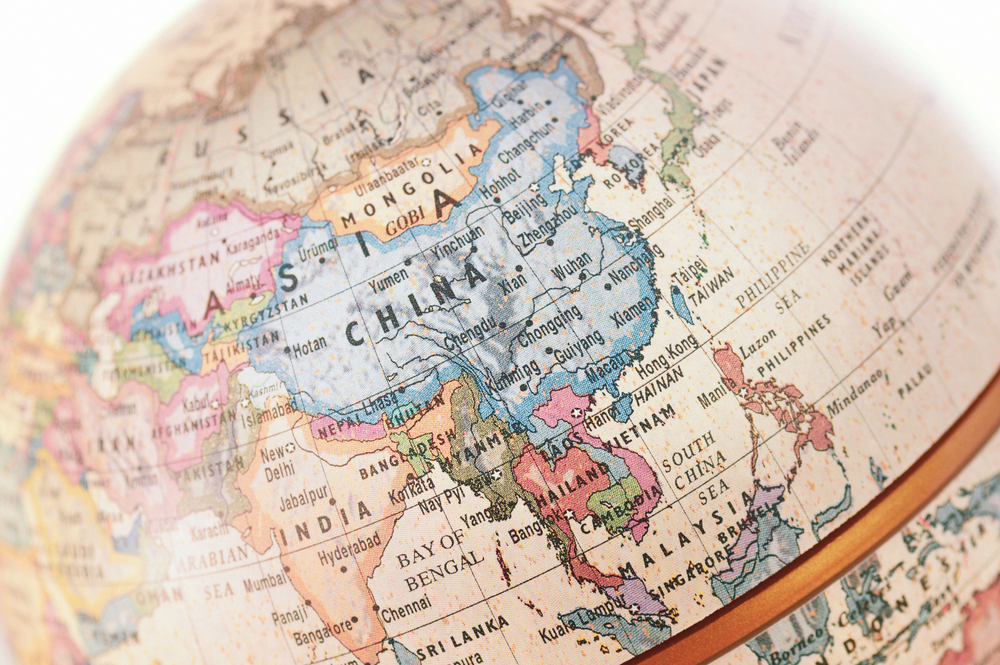
Asia is a nerve center for multiple global economic, political and security challenges. The Center for Asian Studies provides documented expertise and a platform for discussion on Asian issues to accompany decision makers and explain and contextualize developments in the region for the sake of a larger public dialogue.
The Center's research is organized along two major axes: relations between Asia's major powers and the rest of the world; and internal economic and social dynamics of Asian countries. The Center's research focuses primarily on China, Japan, India, Taiwan and the Indo-Pacific, but also covers Southeast Asia, the Korean peninsula and the Pacific Islands.
The Centre for Asian Studies maintains close institutional links with counterpart research institutes in Europe and Asia, and its researchers regularly carry out fieldwork in the region.
The Center organizes closed-door roundtables, expert-level seminars and a number of public events, including an Annual Conference, that welcome experts from Asia, Europe and the United States. The work of Center’s researchers, as well as that of their partners, is regularly published in the Center’s electronic journal Asie.Visions.