



Europe
Europe is described here in a geographical sense. It is not limited to the European Union, and includes, for example, the United Kingdom and the Balkans. It remains central to international relations.
Related Subjects
The Architecture of Money: A European Strategy for Tokenized Finance
This report examines how tokenization may reshape European financial sovereignty. Tokenization does more than digitize existing assets: it makes it possible to separate and recombine dimensions of monetary systems once considered inseparable. This creates new opportunities for financial integration but may also yield new forms of infrastructural and monetary dependence
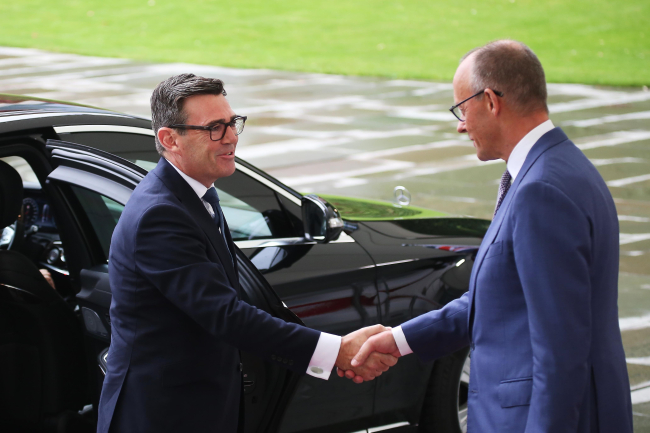
A Partnership Built on Security: Post-Brexit Rapprochement between Germany and the United Kingdom
Since the UK’s withdrawal from the EU, UK-German relations have undergone a remarkable transformation: from Berlin’s deliberate distancing from London during the Brexit negotiations, when Germany consistently prioritised EU-27 unity over bilateral arrangements, to a gradual rapprochement, culminating, for the time being, in the 2025 Kensington Treaty of Friendship.


"A shadow hangs over the BND": the secret dealings of August Hanning, the former German spy chief arrested for "treason"
This close friend of John le Carré acted as a mercenary for foreign powers, trading German intelligence documents for money. The DGSE discussed this unprecedented scandal, not seen since the Cold War, with L'Express.

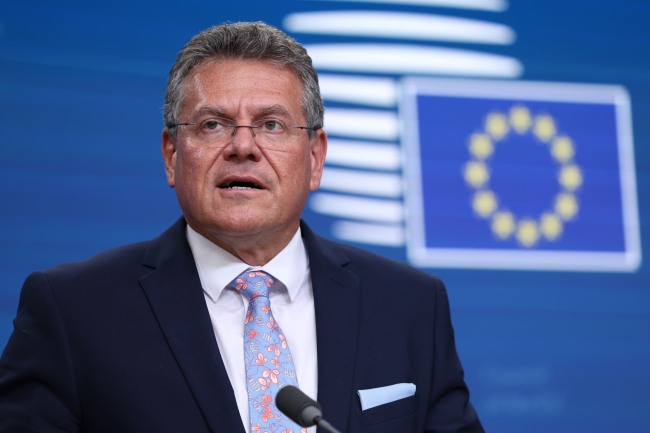
As China and the EU begin crunch trade talks, optimism is in short supply
Observers on both sides are braced for more turbulence – and mainly hope Beijing and Brussels can avoid a full-blown trade conflict.
MAGA and AfD: Toward a Transatlantic Alliance of Nationalist Right-Wing Parties
The rapprochement between Donald Trump’s MAGA movement and Germany’s AfD has accelerated significantly since Trump’s return to the White House.
Franco-German Relations Through the Lens of Donald Trump’s Second Term: Between Strategic Realignments, European Sovereignty, and the Enduring Transatlantic Bond
Donald Trump’s return to the presidency of the United States in 2025 acts as a powerful catalyst for the Franco-German relationship. Faced with growing uncertainty over the reliability of US security guarantees, Germany, more directly affected by the questioning of the transatlantic relationship, is gradually moving closer to the French position in favor of strengthening European strategic sovereignty.
VW, Mercedes, and BMW in the Face of Donald Trump—A Tightrope Walk Between Investing in the U.S., Maintaining Operations in Europe, and Catching Up in Electric Mobility
The German automotive industry faces a threefold challenge: competition from China; a difficult transition to electric vehicles; and US tariffs.
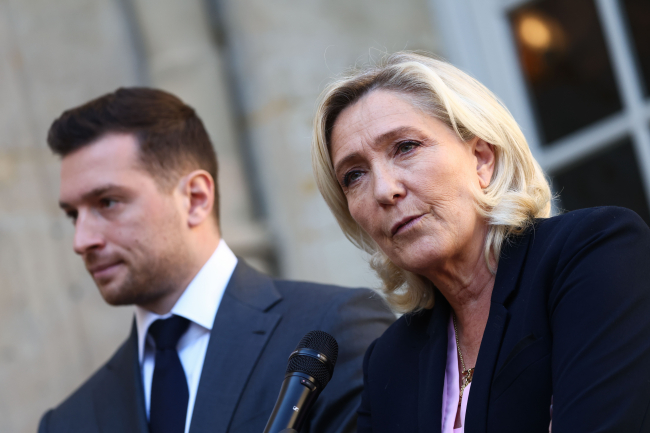
A Sovereignist Foreign Policy? The World as Seen by National Rally Lawmakers
The National Rally’s (Rassemblement national—RN) “de-demonization” strategy appears to be paying off: Marine Le Pen and Jordan Bardella’s party is steadily gaining ground in elections, and polls place it in the lead for the spring 2027 French presidential election. The period of normalization for this far-right movement has coincided with an era of upheaval on the international stage. Within this context, a fundamental question arises: what would the RN’s foreign policy look like if it came to power?
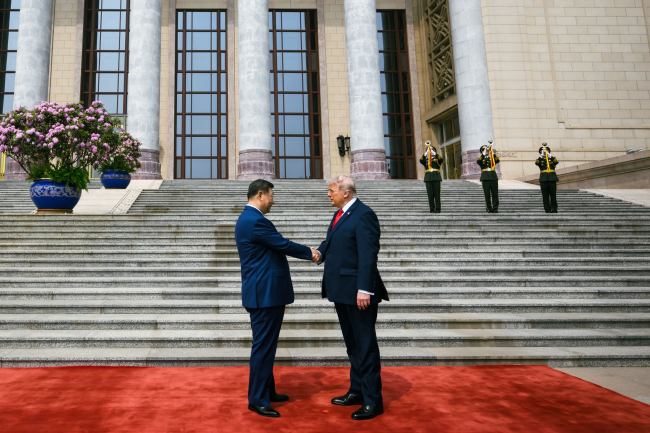
Why Xi’s US trip leaves Europe relieved by the trade truce – but wary of what comes next
The summit in Washington eases near-term uncertainty over rare earths, but analysts fear the bloc could have less say over decisions shaping its economic interests.
France’s View: From Diplomacy to Public-Private Action
France has emerged as the EU’s IMEC forerunner, combining port infrastructure, diplomatic alliances and public-private cooperation. With Marseille Fos at its core, the country brings a strategic hub for logistics, energy and digital connectivity to the corridor.

French nuclear deterrence: modernisation, forward presence and support for Poland
France is entering one of the most important phases of modernising its nuclear deterrent since the end of the Cold War. Over the next decade, a significant part of the systems that make up the Force de dissuasion will be replaced, while Paris is simultaneously trying to strengthen the European dimension of its doctrine through the concept of forward deterrence. For Poland, two questions are particularly important: will this initiative survive the presidential transition in 2027, and can Poland’s security become permanently connected to the French understanding of “vital interests”?
Recalibrating Europe’s Security: Building Partnerships in an Era of ‘Wrecking-Ball Politics
The 2026 Munich Security Conference report observes that “the world has entered a period of wrecking-ball politics.” Indeed, the era of Western predominance, dependable alliances and capable multilateral institutions has given way to shifting balances of power and deepening uncertainty.
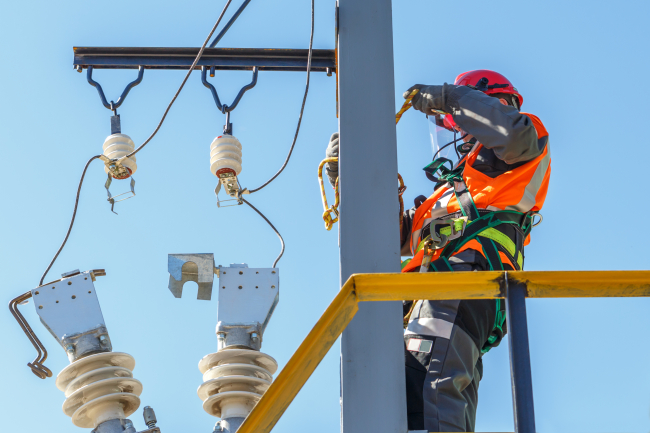
27 Plans for 2027: Turning the Electrification Action Plan into National Action
With the aim of structurally reducing the European economy’s dependence on fossil fuel imports and accelerating the energy transition, the European Commission has opted for electrification.
'Merz is in a very, very fragile situation'
The far right AfD claims it has become Germany’s new “people’s party”. The statement comes after AfD claimed its second regional election win in as many weeks, ramping up pressure on the poorly performing CDU and Chancellor Friedrich Merz. The far-left party also advanced, winning its third regional election thanks to its latest victory in Berlin.
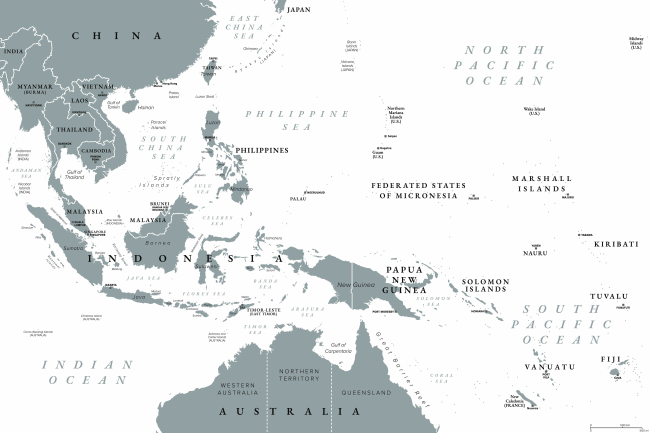
The Oceania Factor in France’s Evolving Indo-Pacific Strategy
This paper examines the two-way relationship between France’s Indo-Pacific strategy and developments in Oceania. Oceania was not a priority in the initial years of France’s Indo-Pacific strategy, as the region was largely treated as secondary to major strategic hotspots and key partnerships, while overseas territories were primarily handled as domestic issues and recipients of a top-down strategy.
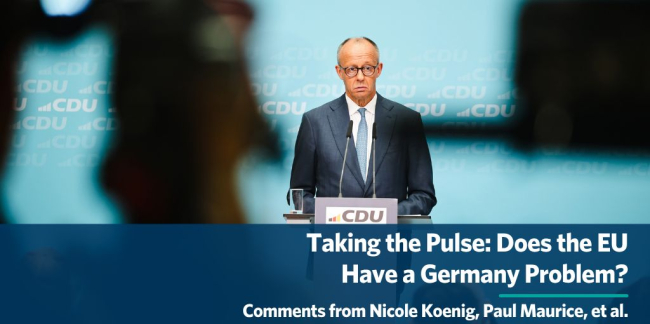
Taking the Pulse: Does the EU Have a Germany Problem?
Are Germany’s economic, industrial, and political struggles becoming a liability for the EU’s ability to rise to the geopolitical moment?
China and Trade in Critical Raw Materials (CRMs)
Critical raw materials (CRMs) have become central features of a new dynamic in global power politics, with China now wielding considerable leverage. Amid rising regional and global uncertainty, resource security is back in the spotlight as a key determinant of sovereignty and national security for Europe, its allies and its partners. The very survival of key, even vital industries, from automotive to aerospace to health to energy to defense, is at stake.

Confronting Russia’s High-Velocity Arsenal: European Challenges and Solutions
Since February 2022, Russian missile and long-range drone strikes against Ukraine have served as near-daily reminders of what European states could face in a war with Russia. The same weapon systems battering Ukrainian infrastructure and population centers would be directed against European military and civilian targets in any confrontation between Russia and NATO. As Russian missile production expands and its arsenal diversifies, Europe must confront an uncomfortable question: how to deter, and if push comes to shove, fight Russia's long-range strike arsenal?
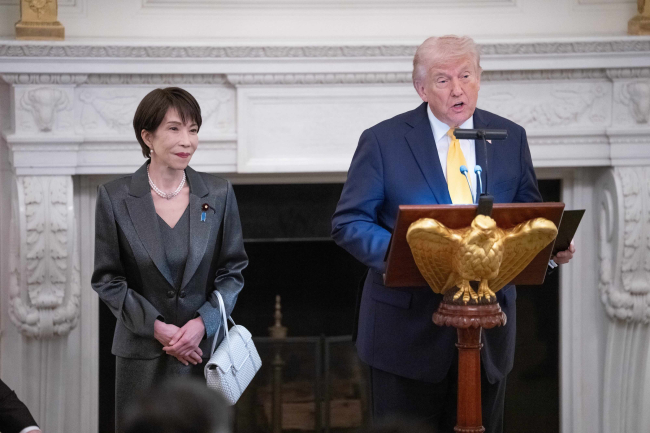
Trump II, the Crisis of the Rules-Based Order and Europe’s Indo-Pacific Strategy
This article examines the implications of Trump II for Europe’s engagement in the Indo-Pacific. The piece contends that Trump II is accelerating the erosion of the rules-based order and undermining the relevance of the Free and Open Indo-Pacific (FOIP) concept, while forcing Europe to refocus on its own continental security amid US retrenchment. Paradoxically, these very constraints create conditions for a more autonomous, pragmatic, and explicitly interest-driven European engagement in the Indo-Pacific, rather than outright withdrawal.
German far right's breakthrough shakes Europe to its core
The result was not enough to win outright, but certainly enough to shake Germany and Europe to their core: the far-right Alternative für Deutschland (AfD) trounced the ruling conservatives in the impoverished former East German state of Saxony-Anhalt in Sunday's election. We ask about the consequences of voting for an anti-immigrant, pro-Russian party that wants schools to teach less about the ills of Hitler and more about the glory of Bismarck.
The Architecture of Money: A European Strategy for Tokenized Finance
This report examines how tokenization may reshape European financial sovereignty. Tokenization does more than digitize existing assets: it makes it possible to separate and recombine dimensions of monetary systems once considered inseparable. This creates new opportunities for financial integration but may also yield new forms of infrastructural and monetary dependence
A Partnership Built on Security: Post-Brexit Rapprochement between Germany and the United Kingdom
Since the UK’s withdrawal from the EU, UK-German relations have undergone a remarkable transformation: from Berlin’s deliberate distancing from London during the Brexit negotiations, when Germany consistently prioritised EU-27 unity over bilateral arrangements, to a gradual rapprochement, culminating, for the time being, in the 2025 Kensington Treaty of Friendship.
Franco-German Relations Through the Lens of Donald Trump’s Second Term: Between Strategic Realignments, European Sovereignty, and the Enduring Transatlantic Bond
Donald Trump’s return to the presidency of the United States in 2025 acts as a powerful catalyst for the Franco-German relationship. Faced with growing uncertainty over the reliability of US security guarantees, Germany, more directly affected by the questioning of the transatlantic relationship, is gradually moving closer to the French position in favor of strengthening European strategic sovereignty.
VW, Mercedes, and BMW in the Face of Donald Trump—A Tightrope Walk Between Investing in the U.S., Maintaining Operations in Europe, and Catching Up in Electric Mobility
The German automotive industry faces a threefold challenge: competition from China; a difficult transition to electric vehicles; and US tariffs.
MAGA and AfD: Toward a Transatlantic Alliance of Nationalist Right-Wing Parties
The rapprochement between Donald Trump’s MAGA movement and Germany’s AfD has accelerated significantly since Trump’s return to the White House.
A Sovereignist Foreign Policy? The World as Seen by National Rally Lawmakers
The National Rally’s (Rassemblement national—RN) “de-demonization” strategy appears to be paying off: Marine Le Pen and Jordan Bardella’s party is steadily gaining ground in elections, and polls place it in the lead for the spring 2027 French presidential election. The period of normalization for this far-right movement has coincided with an era of upheaval on the international stage. Within this context, a fundamental question arises: what would the RN’s foreign policy look like if it came to power?
France’s View: From Diplomacy to Public-Private Action
France has emerged as the EU’s IMEC forerunner, combining port infrastructure, diplomatic alliances and public-private cooperation. With Marseille Fos at its core, the country brings a strategic hub for logistics, energy and digital connectivity to the corridor.
Recalibrating Europe’s Security: Building Partnerships in an Era of ‘Wrecking-Ball Politics
The 2026 Munich Security Conference report observes that “the world has entered a period of wrecking-ball politics.” Indeed, the era of Western predominance, dependable alliances and capable multilateral institutions has given way to shifting balances of power and deepening uncertainty.
27 Plans for 2027: Turning the Electrification Action Plan into National Action
With the aim of structurally reducing the European economy’s dependence on fossil fuel imports and accelerating the energy transition, the European Commission has opted for electrification.
The Oceania Factor in France’s Evolving Indo-Pacific Strategy
This paper examines the two-way relationship between France’s Indo-Pacific strategy and developments in Oceania. Oceania was not a priority in the initial years of France’s Indo-Pacific strategy, as the region was largely treated as secondary to major strategic hotspots and key partnerships, while overseas territories were primarily handled as domestic issues and recipients of a top-down strategy.
Taking the Pulse: Does the EU Have a Germany Problem?
Are Germany’s economic, industrial, and political struggles becoming a liability for the EU’s ability to rise to the geopolitical moment?
China and Trade in Critical Raw Materials (CRMs)
Critical raw materials (CRMs) have become central features of a new dynamic in global power politics, with China now wielding considerable leverage. Amid rising regional and global uncertainty, resource security is back in the spotlight as a key determinant of sovereignty and national security for Europe, its allies and its partners. The very survival of key, even vital industries, from automotive to aerospace to health to energy to defense, is at stake.
Confronting Russia’s High-Velocity Arsenal: European Challenges and Solutions
Since February 2022, Russian missile and long-range drone strikes against Ukraine have served as near-daily reminders of what European states could face in a war with Russia. The same weapon systems battering Ukrainian infrastructure and population centers would be directed against European military and civilian targets in any confrontation between Russia and NATO. As Russian missile production expands and its arsenal diversifies, Europe must confront an uncomfortable question: how to deter, and if push comes to shove, fight Russia's long-range strike arsenal?
Trump II, the Crisis of the Rules-Based Order and Europe’s Indo-Pacific Strategy
This article examines the implications of Trump II for Europe’s engagement in the Indo-Pacific. The piece contends that Trump II is accelerating the erosion of the rules-based order and undermining the relevance of the Free and Open Indo-Pacific (FOIP) concept, while forcing Europe to refocus on its own continental security amid US retrenchment. Paradoxically, these very constraints create conditions for a more autonomous, pragmatic, and explicitly interest-driven European engagement in the Indo-Pacific, rather than outright withdrawal.
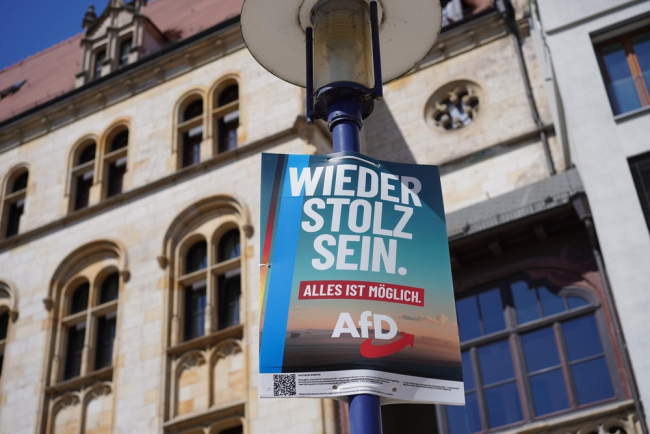
From Protest to Power? The AfD Ahead of the Eastern State Elections
The September state elections will test the AfD’s transition from protest force to potential governing power amid growing political fragmentation and dissatisfaction with Chancellor Friedrich Merz and his coalition. While firmly established in eastern Germany, the AfD is also gaining ground in the west, raising questions about coalition-building and the future direction of German politics.
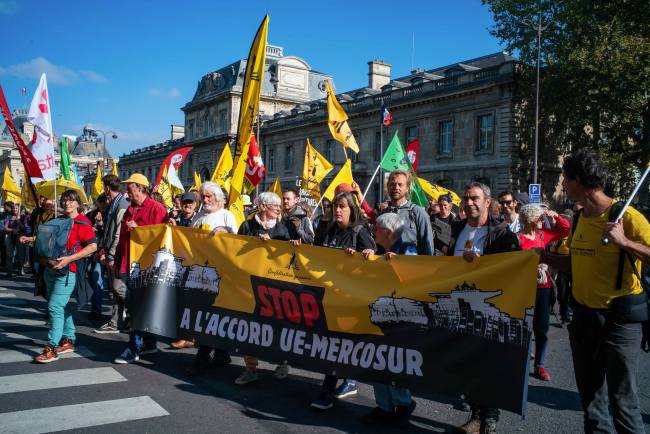
The Nuanced Relationship Between Public Opinion and Foreign Policy
Public sentiment is something decision-makers must contend with, especially in democratic states. However, the extent to which public opinion shapes foreign policy varies. Three Council of Councils experts in France, India, and Nigeria reflect on how public opinion does—and sometimes does not—affect foreign policy decisions.

The Transfer Paradox. Rethinking Global Imbalances
Global imbalances have come back to the top of the policy agenda. Many analyses and reports have been produced over recent months. The standard prescription involves better coordination of macroeconomic policies, with three familiar recommendations: higher consumption in China, higher investment in Europe, and fiscal consolidation in the United States.
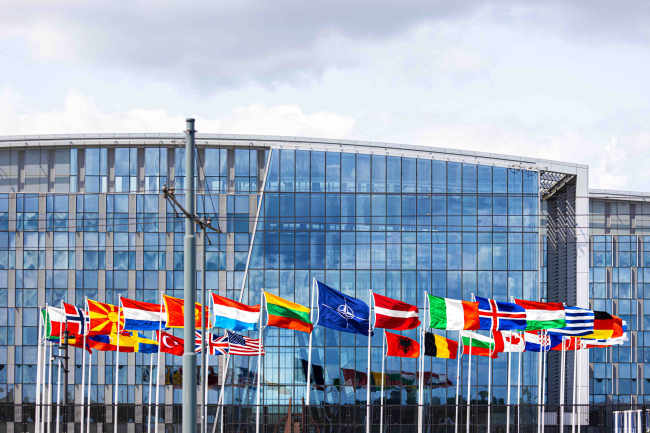
Taking the Pulse: Enough with the Annual NATO Summits, Already?
Over the past ten years, NATO has held almost as many summits as it did during the entirety of the Cold War. Are they still useful, or is it time to stop holding annual meetings?
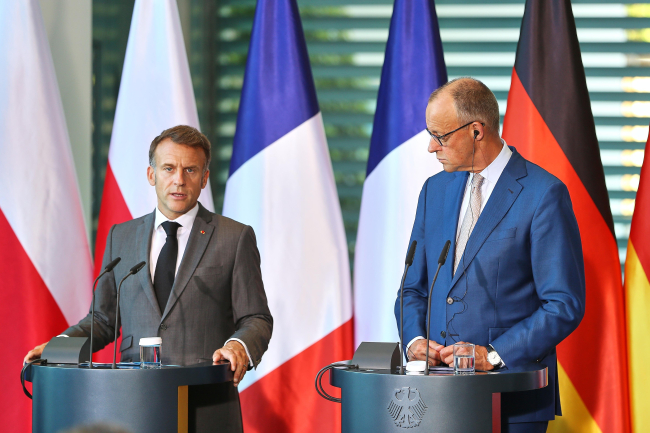
France-Germany: Overcoming Differences to Strengthen European Sovereignty
The Franco-German “reset” launched with Friedrich Merz’s appointment as Chancellor in May 2025 and given concrete form at the Franco-German Council of Ministers (FGCM) in Toulon in August 2025 was intended to address the structural challenges affecting the bilateral relationship. Yet it is clear that these ambitions have only been partially translated into concrete action. Since the beginning of 2026, Franco-German relations have entered a phase in which short-term challenges have combined with deeper divergences over priorities, policy approaches, and strategic culture.
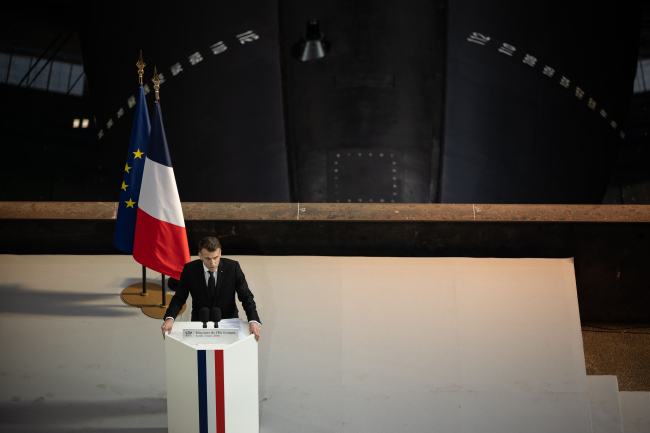
How does France’s nuclear deterrent contribute to the defense of Europe?
France’s nuclear deterrent, serving first and foremost to defend France’s vital interests, also contributes to the defense of Europe. This contribution has been recognized within the North Atlantic Alliance since 1974, but remains little known. In a speech closely followed by France’s European partners and its adversaries alike, President Emmanuel Macron announced a new concept for French nuclear deterrence: “forward deterrence” (dissuasion avancée). This article aims to explain the origins of this concept, outline its main pillars, and describe the partnerships that are sought. It then discusses the relationship with the U.S. doctrine of “extended deterrence”, and finally offers some ethical considerations.
"A shadow hangs over the BND": the secret dealings of August Hanning, the former German spy chief arrested for "treason"
This close friend of John le Carré acted as a mercenary for foreign powers, trading German intelligence documents for money. The DGSE discussed this unprecedented scandal, not seen since the Cold War, with L'Express.
As China and the EU begin crunch trade talks, optimism is in short supply
Observers on both sides are braced for more turbulence – and mainly hope Beijing and Brussels can avoid a full-blown trade conflict.
Why Xi’s US trip leaves Europe relieved by the trade truce – but wary of what comes next
The summit in Washington eases near-term uncertainty over rare earths, but analysts fear the bloc could have less say over decisions shaping its economic interests.
French nuclear deterrence: modernisation, forward presence and support for Poland
France is entering one of the most important phases of modernising its nuclear deterrent since the end of the Cold War. Over the next decade, a significant part of the systems that make up the Force de dissuasion will be replaced, while Paris is simultaneously trying to strengthen the European dimension of its doctrine through the concept of forward deterrence. For Poland, two questions are particularly important: will this initiative survive the presidential transition in 2027, and can Poland’s security become permanently connected to the French understanding of “vital interests”?
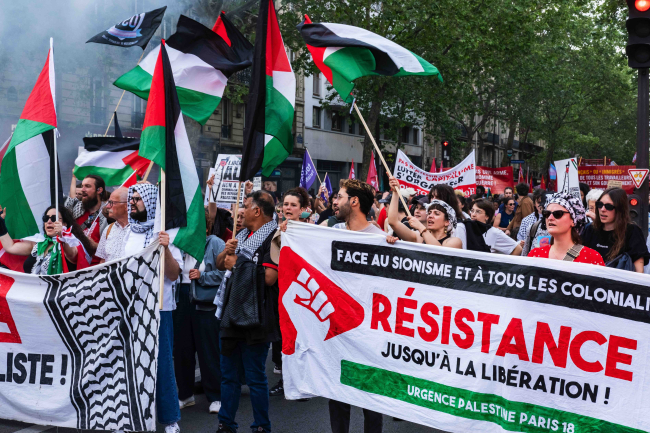

quoted by Assiah Hamed in The New Arab
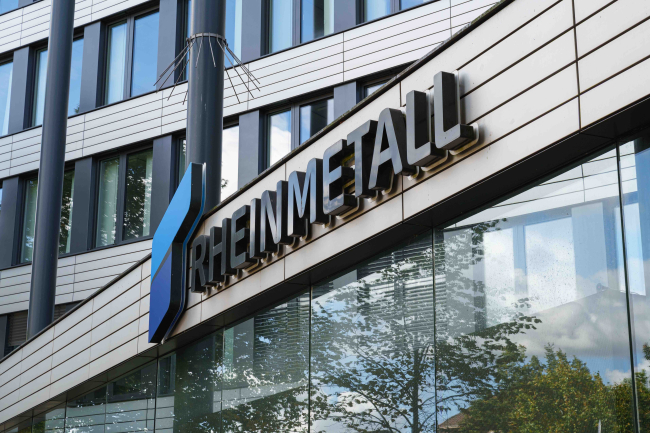
"The US’s Trojan horse in Europe": Rheinmetall, the German defence giant with an insatiable appetite
Top secret. Land, sea, air and even space… Armin Papperger, the very powerful head of the German defence group, has grand ambitions—to the point of irritating France.

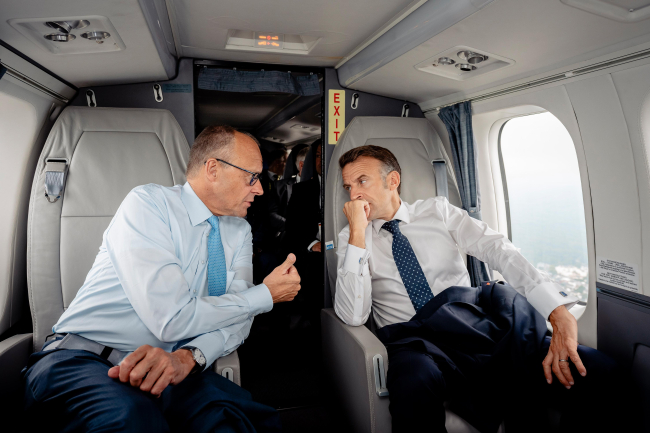
Europe Express: Macron and Merz move on from fighter jet heartbreak
The threat of a Le Pen presidency has provided an incentive for Paris and Berlin to come together.
Rethinking Global Imbalances
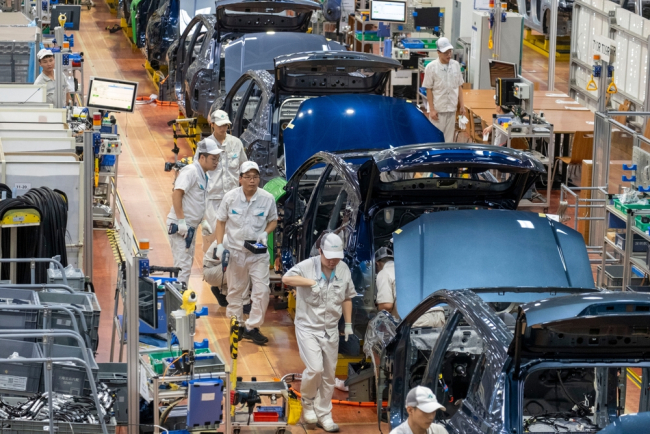
Today’s global imbalances, starting with China's massive trade surplus, are not simply the result of poor macroeconomic coordination. Rather, they reflect long-term strategic thinking and a departure from the bias toward openness on which the postwar trade order was built.

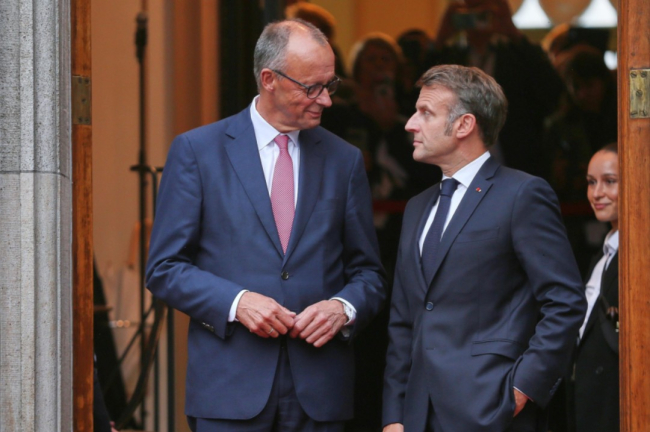
France and Germany seek to showcase military cooperation after FCAS collapse
President Emmanuel Macron and Chancellor Friedrich Merz were to hold a joint defense council and the traditional French-German Council of Ministers on Friday in North Rhine-Westphalia.

Democratic Anchor, Pragmatic Reach
Despite facing their own democratic challenges, including political fragmentation, rising populism, and electoral uncertainty, European countries retain valuable experience in democratic resilience.
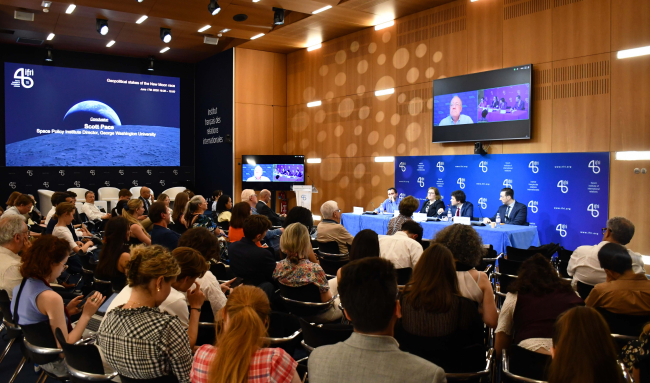
Replay - Geopolitical Stakes of the New Moon Race
As the United States, China, and India solidify their lunar ambitions, Europe is still seeking to define its stance: should it be a reliable partner or an autonomous strategic player? This conference examines the stakes of this new race to the Moon and Europe’s interest in asserting itself as a lunar power through partnerships, industrial ambitions, and whether its participation in the new lunar race serves as a lever for strategic autonomy and internal cohesion, or an illustration of its dependence.
How smaller EU states are reshaping Europe’s power structure
Changing economic and trans-Atlantic conditions have led to power restructuring in the 27-nation European Union, opening doors for more negotiating power for many smaller central and former Eastern European nations such as Hungary.
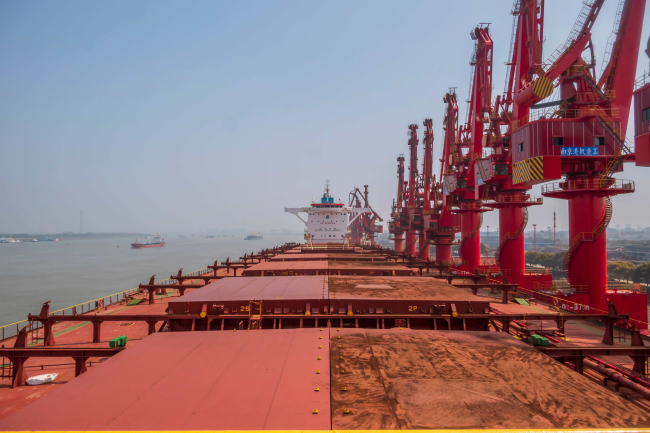
Geoeconomics: 'All dependencies, minerals, currencies and semiconductors, are now being weaponized'
According to geopolitics expert Marc-Antoine Eyl-Mazzega, the competition for control over minerals, logistics and the flow of raw materials is benefiting the US and China. Europe lags behind in this geoeconomic race, with a tangible impact on how major powers are reshaping their defense capabilities.
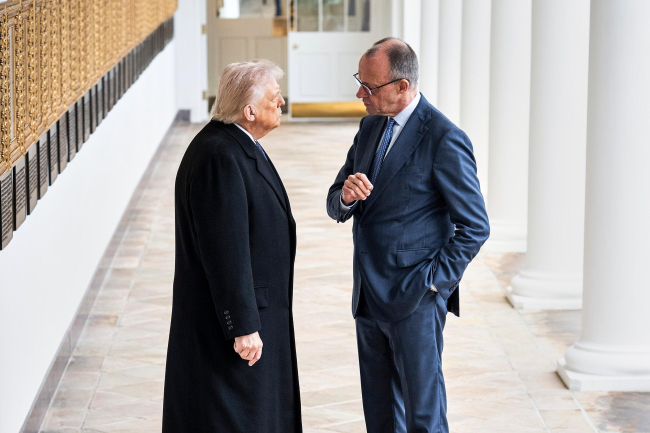
'With the withdrawal of US troops from Germany, Berlin is facing a historic dilemma'
Donald Trump's announcement of the withdrawal of US troops is forcing Berlin to confront the long-standing taboo on its own defense, explains Paul Maurice, a specialist in Franco-German relations at the Study Committee on Franco-German Relations (Cerfa) at French Institute of International Relations.
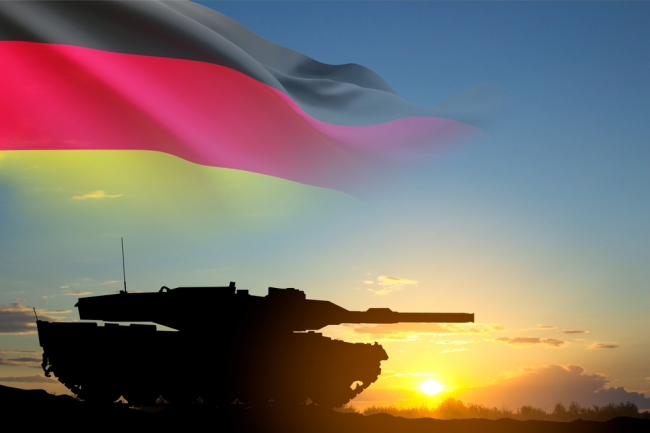
Germany re-arms: what does it mean for Europe?
Paris sees risks for its industry and the continent’s sovereignty in Berlin’s rapid defence build-up. Chancellor Friedrich Merz’s defence spending push has raised concerns about locking in procurement choices and giving German industry an advantage over its neighbours.
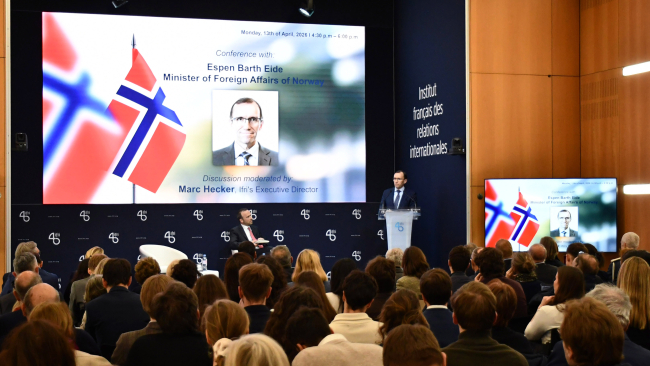
Replay - Conference with Espen Barth Eide, Minister of Foreign Affairs of Norway
Since the invasion of Ukraine by Russia in 2022, Norway has become the European Union’s leading supplier of gas. This position could be further strengthened given the ongoing war in the Middle East.
Both sides of the Atlantic | Warsaw European Conversation 2026
This episode discusses the future of transatlantic relations and the evolution of security policy on both sides of the Atlantic. It examines France’s strategic stance and the implications of potential leadership change. It also looks at the dynamics of U.S. domestic politics – the role of political parties and civil society in curbing Donald Trump’s power, and the significance of the midterm elections. It considers what these processes mean for Europe, especially in the context of Article 5. Joining Marta Prochwicz-Jazowska, Deputy Head of the ECFR Warsaw office, in the discussion will be Thomas Gomart, director of the French Institute of International Relations, and Amanda Sloat, professor at the School of Politics, Economics, and Global Affairs at IE University.

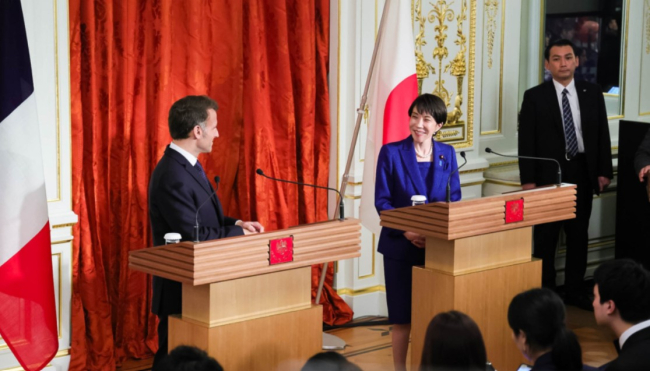
France and Japan hedge against rising threats with strategic autonomy push
As French President Emmanuel Macron arrived in Japan this week for his first visit to the country since 2023, international attention was largely centered on the ongoing Middle East conflict.

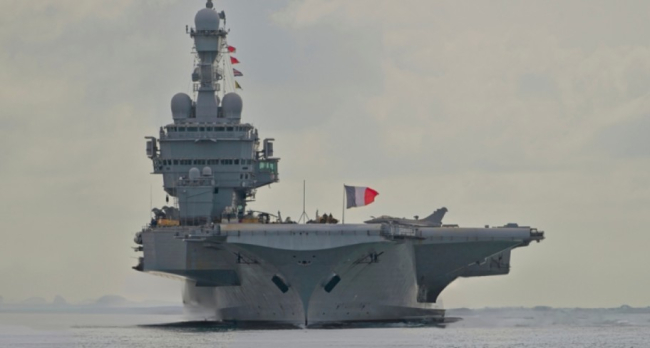
War in Mideast Tests Europe’s Military Might. The Verdict? Mixed.
To defend allies from Iran, the continent’s powers have mounted a rare show of force. But those efforts have diverted limited resources from other hot spots. Despite refusing to join the attacks on Iran, Europe’s leaders have responded to the widening war in the Middle East by sending warships, fighter jets and air-defense systems to protect bases and allies in the region.
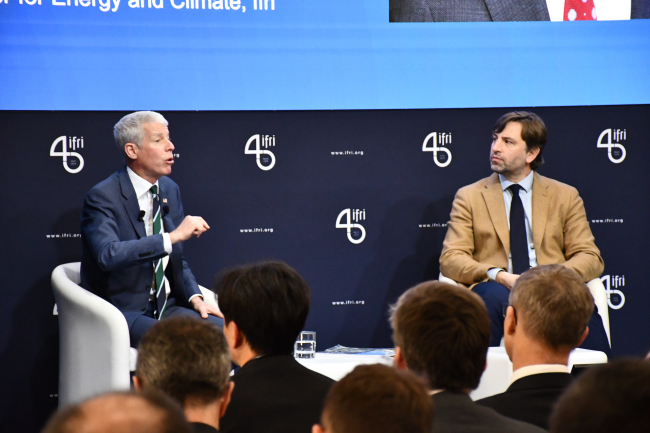
Replay - Conference with Chris Wright, Secretary, U.S. Department of Energy
Welcomed at the French Institute of International Relations (Ifri), Chris Wright outlined his vision of American energy policy built around two core axes: the human reality of energy access, and a data-driven approach. For the Secretary, energy is the foundation of prosperity, health, and longer life expectancy on a global scale. His doctrine rests on an ambition of American "energy dominance" — not merely independence, but the capacity to produce at scale in order to lower domestic costs, reindustrialize the country, and support U.S. allies.
'Merz is in a very, very fragile situation'
The far right AfD claims it has become Germany’s new “people’s party”. The statement comes after AfD claimed its second regional election win in as many weeks, ramping up pressure on the poorly performing CDU and Chancellor Friedrich Merz. The far-left party also advanced, winning its third regional election thanks to its latest victory in Berlin.
German far right's breakthrough shakes Europe to its core
The result was not enough to win outright, but certainly enough to shake Germany and Europe to their core: the far-right Alternative für Deutschland (AfD) trounced the ruling conservatives in the impoverished former East German state of Saxony-Anhalt in Sunday's election. We ask about the consequences of voting for an anti-immigrant, pro-Russian party that wants schools to teach less about the ills of Hitler and more about the glory of Bismarck.
Replay - Geopolitical Stakes of the New Moon Race
As the United States, China, and India solidify their lunar ambitions, Europe is still seeking to define its stance: should it be a reliable partner or an autonomous strategic player? This conference examines the stakes of this new race to the Moon and Europe’s interest in asserting itself as a lunar power through partnerships, industrial ambitions, and whether its participation in the new lunar race serves as a lever for strategic autonomy and internal cohesion, or an illustration of its dependence.
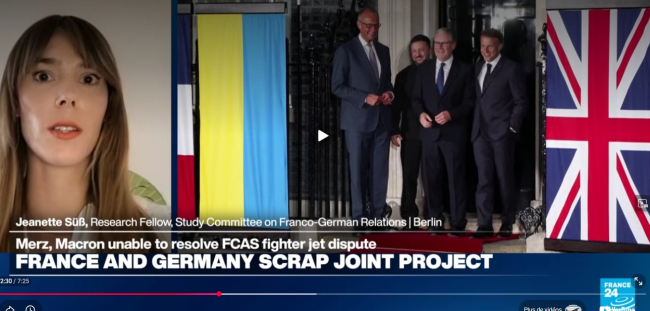
FCAS project failure: 'France, Germany characterised by totally different strategic cultures'
France and Germany said on Monday they had agreed to abandon a joint fighter jet programme due to disagreements between the companies involved, in a blow to European efforts to boost defence cooperation.
Poking the bear? Armenia welcomes European leaders in Russia's backyard
Just as Europe frets over fresh Trump tariffs, a US troop drawdown announced for Germany and the message it sends to a hostile Russia, how about not one but two summits in former Soviet state Armenia. Before a first-ever gathering of EU leaders in Yerevan on Tuesday comes the European Political Community: a talk shop with regional players which also include Ukraine and NATO heavyweights like the UK, Norway and an outside guest who shares superpower proximity problems.
Replay - The United States and Europe Adrift: Transatlantic Security in the Trump Era
Against an international backdrop marked by the war in Ukraine, Russia’s emergence as a lasting threat to Europe, and an uncertain U.S. commitment to the Old Continent, questions about the future of the transatlantic relationship are mounting.
Replay - Conference with Espen Barth Eide, Minister of Foreign Affairs of Norway
Since the invasion of Ukraine by Russia in 2022, Norway has become the European Union’s leading supplier of gas. This position could be further strengthened given the ongoing war in the Middle East.
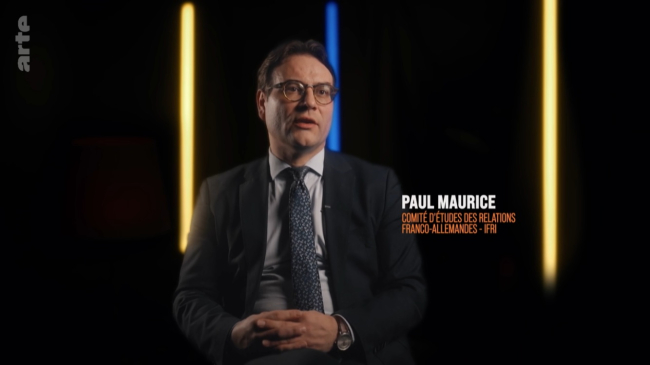
Macron-Merz: Power Behind the Scenes
French German relations have been very close for decades as key partners in driving forward European integration within the EU. Can the current leaders President Emmanuel Macron and Chancellor Friedrich Merz reforge the relationship and build a Europe fit for the challenges of our times and the future? This documentary follows the two men across Europe and the world and observes their common goals as well as their differences.
Both sides of the Atlantic | Warsaw European Conversation 2026
This episode discusses the future of transatlantic relations and the evolution of security policy on both sides of the Atlantic. It examines France’s strategic stance and the implications of potential leadership change. It also looks at the dynamics of U.S. domestic politics – the role of political parties and civil society in curbing Donald Trump’s power, and the significance of the midterm elections. It considers what these processes mean for Europe, especially in the context of Article 5. Joining Marta Prochwicz-Jazowska, Deputy Head of the ECFR Warsaw office, in the discussion will be Thomas Gomart, director of the French Institute of International Relations, and Amanda Sloat, professor at the School of Politics, Economics, and Global Affairs at IE University.
Replay - Conference with Chris Wright, Secretary, U.S. Department of Energy
Welcomed at the French Institute of International Relations (Ifri), Chris Wright outlined his vision of American energy policy built around two core axes: the human reality of energy access, and a data-driven approach. For the Secretary, energy is the foundation of prosperity, health, and longer life expectancy on a global scale. His doctrine rests on an ambition of American "energy dominance" — not merely independence, but the capacity to produce at scale in order to lower domestic costs, reindustrialize the country, and support U.S. allies.
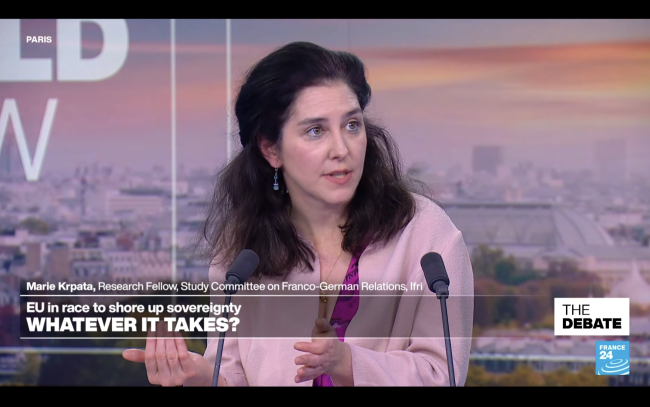
Whatever it takes? EU in race to shore up sovereignty
Can Europe man the ramparts on its own? As the US war secretary snubbed a NATO defence ministers' meeting in Brussels, EU leaders converged on the 16th-century Alden Biesen castle in Belgium's Limburg province to answer former Italian prime minister Mario Draghi's call for a "big bazooka" approach to reform and competitiveness.
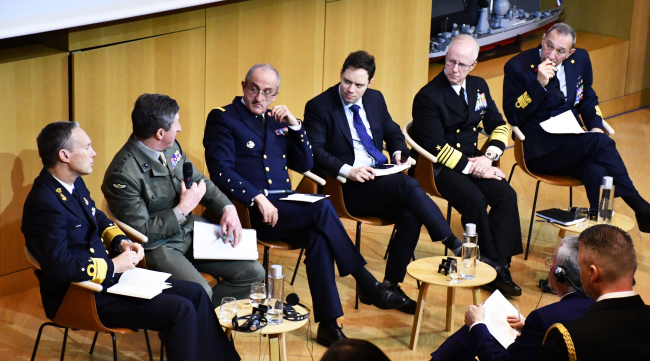
Build and Maintain Air-Sea Superiority in a Contested Operational Environment – CNP 26
An exceptional opening roundtable at the 2026 Paris Naval Conference, bringing together the Chiefs of Naval Staff of the French, U.S., British, Italian and Dutch navies.
France and Germany boost defense ties amid global tensions
French President Emmanuel Macron hosted German Chancellor Friedrich Merz on August 29 for the Franco-German Council of Ministers. They discussed Europe’s economy, support for Ukraine, and defense, with Merz pushing for German leadership on security. But political tensions in France and Germany are straining the partnership amid broader concerns over NATO, nuclear deterrence, and Europe’s reliance on US protection. Marie Krpata, Research Fellow at the Study Committee on Franco-German Relations at IFRI, has more on this issue.

France, Turkey, and Shifting Balance - Léo Péria-Peigné
The interview explores France’s withdrawal from Africa, its strategic pivot to NATO’s eastern flank, and the complex dynamics with Turkey. It also touches on Europe’s military dilemmas, the growing strength of Turkey’s defense industry, and the limits of French influence in the Middle East. A clear-eyed look at where Europe stands—and where it may be heading.
Germany 'back on track' says Merz, unveiling new coalition
Yinka Oyetade speaks to Jeanette Süß, Research Fellow on the Study Committee on Franco-German Relations at the French Institute of International Relations about the German coalition and the challenges faced by the new government.
2nd Maritime Security Conference: Threats to Maritime Trade and Maritime Infrastructure
Guillaume Furgolle, military fellow at the Defense Research Unit of the Security Studies Center at Ifri, participated in the 2nd Maritime Security Conference held on April 2, 2025. The topic of the conference was "threats to maritime trade and maritime infrastructure". Guillaume Furgolle spoke about the French vision of maritime security.
Replay - European Security: Perspectives from Latvia. Debate with the Minister of Defense of the Republic of Latvia, Andris Sprūds
How should European security be approached in the face of the challenges posed by the war in Ukraine? Replay of the conference European Security: Perspectives From Latvia. Debate with the Minister of Defense of the Republic of Latvia, Andris Sprūds.
Arctic: A New Era of Geopolitical Tensions? The Alert from the Norwegian Intelligence Director
An interview with Nils-Andreas Stensønes, Director of the Norwegian Intelligence Service, conducted by Daphné Benoit, Head of international affairs, AFP, on the occasion of Ifri's conference "New geopolitical realities of the Arctic", 19 March 2025.
Better know a nuke: France
In this episode of The Arms Control Poseur, host Dr Alexander Bollfrass is joined by nuclear policy experts Héloïse Fayet, Emmanuelle Maitre and Dr Liviu Horovitz to discuss the history and the current trajectory of France's nuclear arsenal.

AI showcase pays off for France, but US tech scepticism endures
France is staking its claim as an AI powerhouse. At the AI Action Summit in Paris this week, global leaders, tech innovators, and policymakers converged to chart the future of artificial intelligence - backed by major investments and bold ambitions for Europe’s leadership in the field. RFI breaks down the key takeaways.
Ifri, a foundation recognized as being of public utility, relies largely on private donors – companies and individuals – to guarantee its sustainability and intellectual independence. Through their funding, donors help maintain the Institute's position among the world's leading think tanks. By benefiting from an internationally recognized network and expertise, donors refine their understanding of geopolitical risk and its consequences on global politics and the economy. In 2026, Ifri partners with over 90 French and international companies and organizations.


quoted by Assiah Hamed in The New Arab

France opens Space Command to Japanese officer as ties deepen under new road map — "A key aim [of France-Japan defense cooperation] is to reduce critical vulnerabilities as well as to strengthen sovereign capabilities and reduce reliance on U.S.-provided data. New opportunities are emerging in advanced technologies, including AI-enabled systems, autonomous platforms and space applications."

quoted by Gabriel Dominguez in the Japan Times
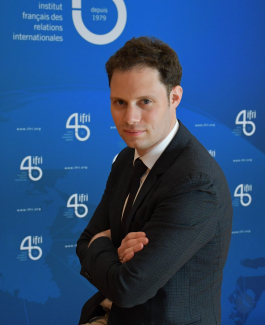
quoted by Leila Abboud in the Financial Times
I see some degree of — I don’t want to say panic — but really alarmed Europeans who realize they need to stick together as much as possible.
If the Europeans want to step up and make up for the loss of American aid to Ukraine, it needs to happen now, they need to put the money on the table; they need to pass on the orders to the defense industry.
Europe is lacking ammunition, we’re lacking replacement parts, we’re lacking readiness.
quoted by Lisa Bryant for Voice of America.

Merz's statement now needs to be followed up in the long term at political level, on both the French and German sides. It's been on the table for five years, and if we don't talk about it now, when Europe is in danger, we'll never talk about it.

cited by Politico.
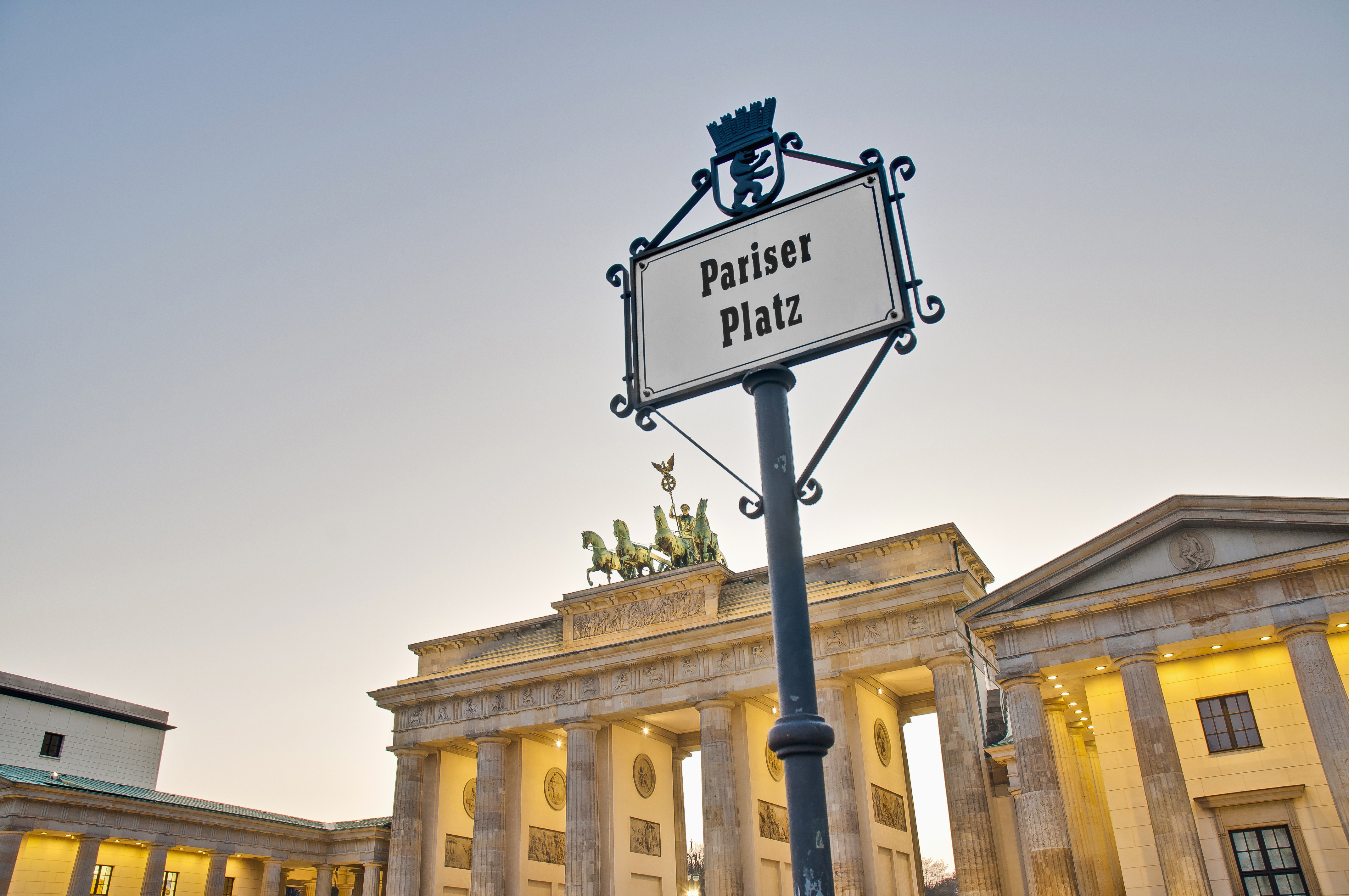
The Study Committee on Franco-German Relations (Cerfa) was created in 1954 by an inter-governmental agreement between the Federal Republic of Germany and France, in order to raise awareness of Germany in France and analyze Franco-German relations, including in their European and international dimensions. In its conferences and seminars, which bring together experts, political leaders, senior decision-makers and representatives of civil society from both countries, Cerfa develops the Franco-German debate and stimulates political proposals. It regularly publishes studies through two collections: Cerfa notes and studies as well as Franco-German visions.
Cerfa maintains close relations with the network of German foundations and think tanks. In addition to its research and debate activities, Cerfa promotes the emergence of a new Franco-German generation through original cooperation programs. This is how in 2021-2022, Cerfa led a program on multilateralism with the Konrad Adenauer Foundation in Paris. This program is aimed at young professionals from both countries interested in the issues of multilateralism in the context of their activities. It covered a wide range of themes relating to multilateralism, such as international trade, health, human rights and migration, non-proliferation and disarmament. Previously, Cerfa had participated in the Franco-German future dialogue, co-led with the DGAP from 2007 to 2020, and supported by the Robert Bosch Foundation and the Daniel Vernet group (formerly the Franco-German Reflection Group) which was founded in 2014 upon the initiative of the Genshagen Foundation.
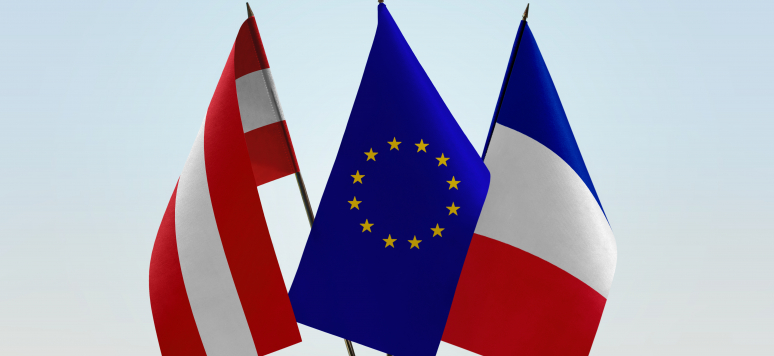
The Austro-French Centre for Rapprochement in Europe (ÖFZ/CFA) is a Franco-Austrian intergovernmental organization, initiated in 1976 by Prime Minister Jacques Chirac and Federal Chancellor Bruno Kreisky, in order to develop economic relations between Western and Eastern Europe, contributing to the creation of a Europe of peace.
After the fall of the Berlin Wall, the ÖFZ/CFA refocused its action on the problems following the enlargement of the European Union, and integrated the following countries in its field of activities : Hungary, Poland, Czech Republic, Slovak Republic, Slovenia, the Baltic countries, Romania and Bulgaria. ÖFZ/CFA's vocation, as a space for reflection and exchange, is in fact reinforced by the need to support the new member countries of the Union in their integration process. Since 2004, the ÖFZ/CFA has also turned towards the Union's new neighbors, in particular towards the countries of the Western Balkans, which perceive their future from a European perspective.
The ÖFZ/CFA strives to place all of its exchanges in a global perspective concerning the future of our continent. Today it centers its activities around three directions: the Franco-Austrian bilateral dialogue, the future of the European Union, the future recomposition of the continent.
Reports of all events organized by the ÖFZ/CFA are available on its website (http://oefz.at). The ÖFZ/CFA's budget is provided by the French and Austrian foreign ministries. Depending on the themes addressed, the ÖFZ/CFA calls on European public and private institutions to help finance its meetings. The CFA's orientations benefit from the recommendations of an Orientation Council, approved by a Board of Directors, which elects from among its members a president and a secretary general.